
Review · TOKYO CITY TOURS
Experience Big soba knife Soba Making Class in Tokyo Kappabashi
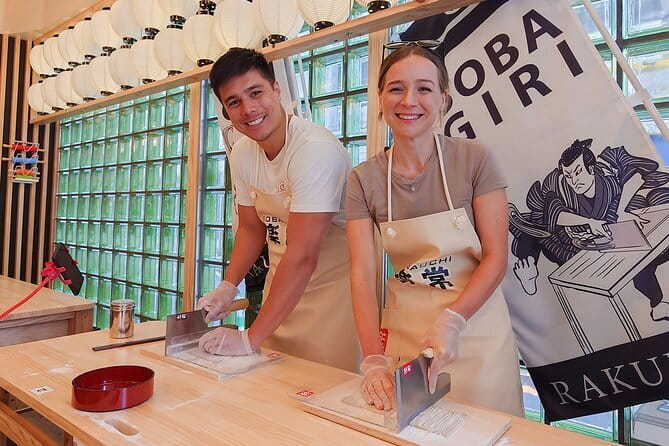
Soba starts with a knife. This hands-on class in Tokyo turns buckwheat soba-making into a short, fun skill you can actually use, with aprons and gloves provided and a chance to eat what you cut at the end. One thing to consider: people with buckwheat allergies can’t enter the restaurant.
What makes it especially appealing is the pairing of the food craft with the setting. You spend time around Kappabashi, Tokyo’s kitchen-equipment street, then return to Asakusa-area studio space to learn the method at Open Kitchen Studio in Kappabashi.
Key Things to Know Before You Go
- Small-group class (max 15): more time to practice, less standing around.
- No wheat flour: you work with buckwheat for classic soba texture and taste.
- Four-step method in about 30 minutes: add water, knead, stretch, cut.
- Taste at the end: you’ll eat the soba you made, not just admire it.
- Optional add-ons: matcha soba (700 yen) and a three-type sake set (1500 yen).
- Take noodles home: you can pack up what you produce.
Kappabashi is the Right Place for Soba
Tokyo’s food scene isn’t just about restaurants. It is also about tools. And that is why Kappabashi matters here. This area is known as a kitchen town where chefs come to source professional cooking equipment, so it feels more grounded than a generic food stop.
You get to mix two kinds of travel satisfaction in one short window. First, you get the practical foodie setting, with Kappabashi tool shops in the mix. Then you do the real action, making soba noodles yourself in Asakusa at Open Kitchen Studio in Kappabashi.
It also helps that the pacing is visitor-friendly. The class is about 50 minutes total, so you can fit it into a day focused on temples, neighborhoods, and street food without turning your trip into a marathon.
More Tokyo tours and experiences for the shortlist

Where You Learn: Open Kitchen Studio in the Kappabashi Area
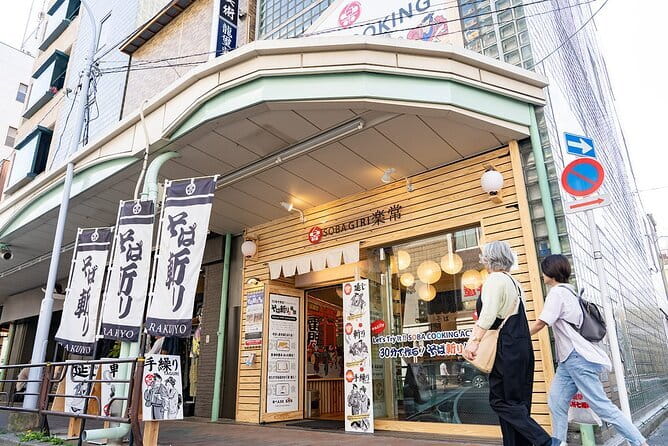
The class happens at Open Kitchen Studio in the Kappabashi/Asakusa side of Tokyo. The meeting point is in Taito City, Matsugaya, at the Center Building, and the studio is about 25 minutes from Sensoji Temple in Asakusa along the Kappabashi Tool Specialty Store Street area.
Inside, you’ll find an open, spacious ground-floor restaurant setting. That matters because soba-making can get hands-on and a little messy. Having room to move makes the “learning” part feel comfortable instead of cramped.
You’ll also be using traditional setup for noodle work, and the studio emphasizes an eco-friendly, electricity-free approach aligned with sustainability goals. If you like experiences that feel like craft, not gadgetry, this one has that vibe.
And yes, you’ll start with practical gear. Aprons and gloves are available in different sizes, so you can focus on the steps instead of worrying about staying clean.
The Hands-On Part: Buckwheat Soba, Then Cutting with a Specialized Knife
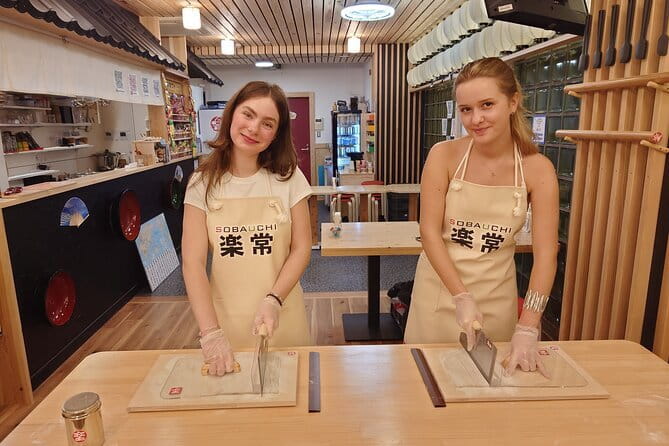
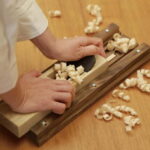
This is not a watch-from-a-chair class. You’ll do the work. The experience centers on making soba noodles from buckwheat, specifically noted as without wheat flour. That is important because it changes the feel and flavor you end up with, compared with noodle doughs that rely more heavily on wheat.
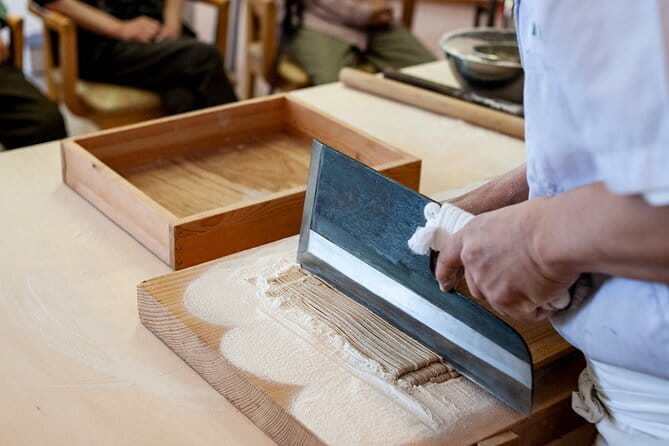
You’ll use a large knife specially designed for soba. That’s the fun part. Even if you’ve never touched real noodle tools before, you’ll get guidance on how to use the knife for your long, thin noodles.
The class teaches the process in four steps, described clearly as:
- add water
- knead
- stretch
- cut
Those steps are taught with the studio’s own smart technology, but you do not need to understand the tech to benefit. What you need is to follow the flow and practice the motions while the instructor demonstrates the timing.
One more point I really like for first-timers: the whole session is built around a quick feedback loop. You make noodles, then you taste them. When you can compare your final product to what it should be like, you learn faster.
What Happens at Each Stop Around Asakusa and Kappabashi
You’re scheduled for a simple three-part flow: Asakusa, then Kappabashi Street (Kappabashi Dogugai), then back to Asakusa.
Stop 1: Asakusa
You start in the Asakusa area, with your meeting point set in Matsugaya. This is a good choice because Asakusa is easy to pair with other classic Tokyo sights, including Sensoji Temple. Even if you are not doing a full temple day, you’ll find plenty of low-key neighborhood energy around you.


Stop 2: Kappabashi Street (Kappabashi Dogugai)
Next you shift toward Kappabashi, especially the tool specialty street vibe. The value here is context. Seeing where cooking professionals source gear makes your soba class feel less random.
You are not just learning noodles. You are learning noodles inside the culture that supports the craft, from the streets that supply the tools to the culture that respects technique.
Stop 3: Back to Asakusa
Finally, you return to Asakusa-area studio time to focus on the hands-on part and your tasting. This return also keeps your day efficient. You are not hopping across the city, so you keep energy for lunch snacks or evening dinner plans.
The Meal Moment: Taste What You Cut, Plus Optional Matcha and Sake
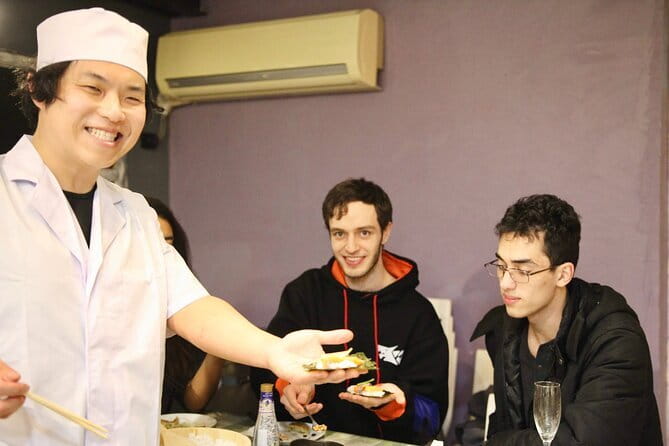
Here is a big reason people love this class: no hunger pangs waiting for later. You taste the soba noodles you make at the end. You can treat it like a meal-sized snack, or like a light lunch moment if you planned your day around it.
The noodles can be tasted in a variety of flavors. The information provided does not list every exact flavor combination, but it clearly positions tasting as part of the experience, not an optional add-on.
You also have the option to take noodles you made with you. That is one of those practical travel wins. You can keep a souvenir you can eat later, instead of packing a photo frame and hoping it survives customs.
If you want to level it up, there are popular add-on menus:
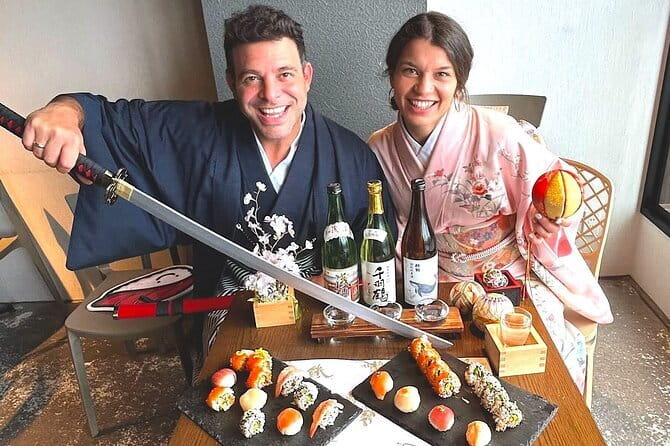
- Matcha soba: 700 yen (matcha green tea mixed into the soba flour)
- Three types of sake: 1500 yen (the owner carefully selects and compares)
You do not have to do these add-ons. But if you like the idea of learning a noodle technique and then experiencing it with Japanese flavors, they are a fun way to make the class feel like a tiny food festival.
Diet notes matter here too. Meals are not included in the base price, and there is an additional fee of 500 yen if you choose a vegan or no-pork flavor option.
Instructor Energy: Funny, Clear, and Still Teaches Technique
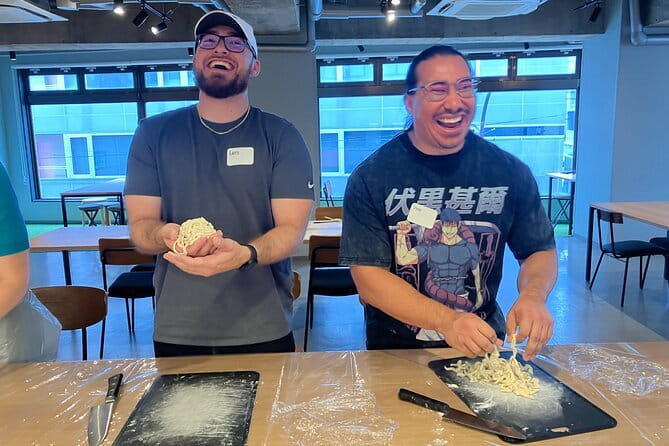
A class lives or dies on how well the instructor keeps the pace moving. The good news here is that the teaching style is effective even when language barriers show up.
The experience highlights that the instructor may not speak English perfectly, but the guidance is still communicated through organized steps and a sense of humor. That matters. When you can follow actions and timing, you do not need fluent words to make progress.
Another small detail I value: the instructor takes photos and sends them to you. That is helpful because soba-making can happen fast, and it is easy to miss what your hands look like mid-process. Having photos adds a nice memory layer without you having to constantly play cameraman.
Finally, the setup is described as organized and straightforward. For me, that is exactly what you want for a 50-minute activity. You get structure, not confusion.
Price and Value: Is $51.33 Worth It?
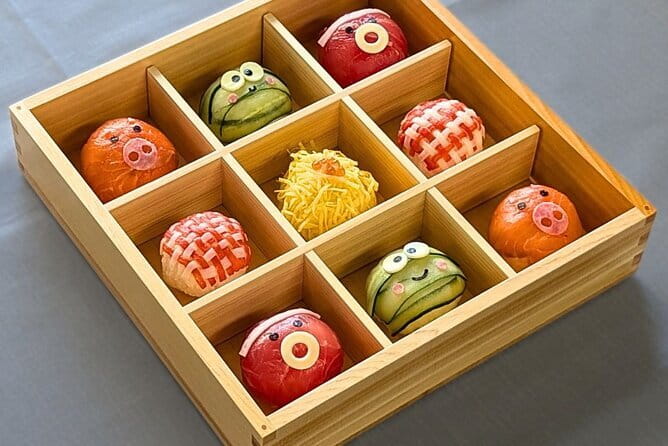
At $51.33 per person, this class is in the category of “special activity,” not a casual street snack. So the question is value: what do you get for that money?
Here’s the value case, based on what is included:
- hands-on soba noodle-making instruction
- tasting of the noodles you cut yourself
- aprons and gloves in different sizes
- the soba-making session uses buckwheat flour from Nagano Prefecture
- the experience is limited to a small group (max 15)
- you can take noodles home
That combination is what makes the price feel reasonable. You are paying for ingredients, teaching time, and tools, plus the chance to eat your results immediately. Many food experiences let you watch and then maybe buy something. This one puts you in the production line, with a finished result you can actually take away.
Two practical considerations keep this balanced:
- It is around 50 minutes, so it is not a long lunch plan. You may still want a real meal nearby if you get hungry later.
- If you have buckwheat allergies, this is not for you, since those people cannot enter the restaurant.
If you are the type of traveler who enjoys learning one real skill instead of collecting only photos, I think the price is fair.
Practical Tips to Get the Most From Your Soba Session
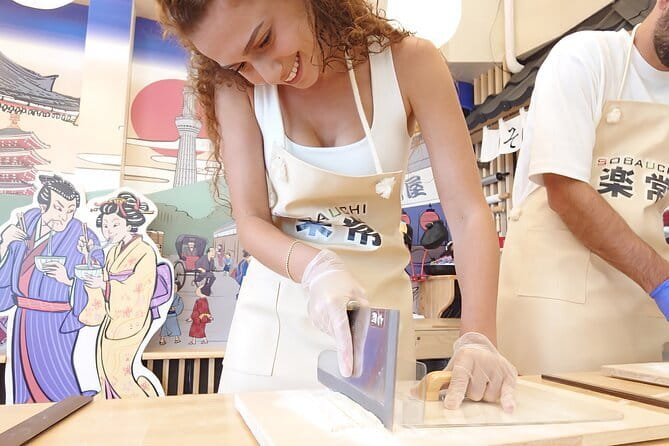
You do not need special cooking credentials. But a few habits make the class smoother.
First, treat it like a technique workshop, not a photo shoot. The steps are timed and organized, and the cutting moment is where your focus matters most.
Second, use the aprons and gloves you’re given. They are there for a reason, and they let you concentrate on the knead and stretch work.
Third, be ready for a little physical learning. Even when you get instructions in a language you understand only partially, the class is built on demonstration and clear sequence. If you stay relaxed and follow along, you’ll likely get results that feel genuinely yours.
Finally, plan your day around tasting and take-home noodles. If you are doing temples or shopping afterward, leave space in your bag. You want your take-home soba to arrive in one piece.
Should You Book This Soba Making Class in Kappabashi?
I would book it if you want a Tokyo experience that feels authentic, practical, and tied to a real food craft. The small-group size helps, the process is structured into four steps, and the tasting makes it feel complete. You also get the added context of Kappabashi, a place that explains why cooking tools and technique matter.
I would skip it if buckwheat allergies apply, since entry is not allowed. I’d also think twice if you hate hands-on cooking or want a long sit-down meal. This is a skill-focused class with a snack-like tasting moment, not a full restaurant lunch.
If you want something short that still gives you a story you can share and food you can eat later, this is a solid choice.
FAQ
How long is the soba making experience?
It runs for about 50 minutes.
Where does the experience take place?
The class is at Open Kitchen Studio in the Kappabashi/Asakusa area, with the meeting point at Matsugaya, Taito City (Center Building). It ends back at the meeting point.
How many people are in the class?
The maximum group size is 15 travelers.
Do you use wheat flour?
The experience describes soba noodle making without wheat flour.
What’s included in the price?
All fees and taxes are included, plus snacks where you taste the soba you cut yourself, and aprons and gloves are available in various sizes.
Is there an extra charge for vegan or no-pork options?
Yes. An additional 500 yen fee is charged if you choose a vegan or no-pork flavor option.
Can I take the soba noodles I make home?
Yes. You can take out the noodles you made.
What optional add-ons are available?
Matcha soba is available for 700 yen, and a three-type sake menu is available for 1500 yen.
What is the cancellation policy?
You can cancel for a full refund up to 24 hours in advance of the experience. If you cancel less than 24 hours before the start time, the amount paid is not refunded.
More Workshops & Classes in Tokyo

More Tour Reviews in Tokyo
Not for you? Here's more nearby things to do in Tokyo we have reviewed


Tokyo City Tours, side by side.
 ★ 5.01-Day Tokyo Bus TourFrom $12914,250 reviews
 ★ 4.5TOKYO SKYTREE® Admission ticketFrom $1311,192 reviews
 ★ 4.6teamLab Planets TOKYO Digital Art Museum Entry TicketFrom $259,779 reviews
 ★ 4.0Mt Fuji & Hakone Cruise, Drum Show Bullet Train 1 Day from TokyoFrom $1497,413 reviews
 ★ 5.0Shinjuku Food Tour (13 Dishes at 4 Local Eateries)From $866,603 reviews
 ★ 4.4Tokyo Mt Fuji 5th St & Hakone Cruise Bus Tour w/Bullet TrainFrom $1545,024 reviews
 ★ 5.0Flagship 2-Hours Official Street Go-Kart Tour – Tokyo Bay ShopFrom $644,974 reviews
 ★ 4.5From Tokyo: Mount Fuji Full-Day Sightseeing TripFrom $684,970 reviews
This tour also belongs to