
A grandma-powered musubi class is unexpectedly personal. I love how hands-on it is, plus the warm, step-by-step teaching from an 80-year-old Japanese grandma. You’ll also get a real Japanese lunch afterward with teishoku meal components, not just a couple bites. One practical consideration, if you’re picky about food, is that it is not suitable for vegans or vegetarians, and the portion is big.
In 90 minutes in Ginza, you make three musubi yourself, choosing from six filling options and getting English translation throughout. I like that the lesson doesn’t stop at shaping, you also learn the practical difference between musubi and onigiri so you can order with confidence later. If you show up after a full meal, you may find it hard to finish everything, so plan your timing like you mean it.
Key Points You Should Know Before You Go
- Hands-on musubi making with an 80-year-old grandma plus translation support
- You make 3 musubi, and you get to choose from 6 fillings
- Musubi vs onigiri is taught early, so the rest of the class makes sense
- A full homemade teishoku lunch follows, including miso soup, salad, dessert, and a beverage
- Small group size, capped at 6 participants, keeps the instruction personal
Why a Ginza Musubi Class Feels Like Something You Cannot Fake
Ginza is where you go for shopping and bright city energy, but this class brings you into a slower rhythm. The hook is simple: you learn a traditional Japanese food technique by working with your hands, in front of an older teacher who clearly knows the small details that matter.
The best part is how the experience is structured around doing, not watching. You start with a quick orientation, then you learn the key language and concept, musubi versus onigiri, and only then do you build your own set of musubi. That order helps you actually remember what you’re making and why.
The other big win is the food at the end. You are not just tasting one thing, you’re eating a full homemade teishoku meal with miso soup, salad, dessert, and a beverage. This is one of those workshops where the meal feels like part of the teaching, not an afterthought.
If I had to flag one drawback for planning, it’s the food limits and the size of the lunch. This is not listed as vegan or vegetarian friendly, and the “don’t eat beforehand” advice makes sense.
More Tokyo tours and experiences for the shortlist


The 90 Minutes: What Happens From Start to Finish
The class runs 90 minutes, and it feels tightly paced without being rushed. You’ll move through a sequence that builds from basics to hands-on confidence.
First, you’ll wash your hands and get a short overview of musubi. This sounds small, but it sets the tone. It’s practical hygiene, and it also signals that you’re learning a tradition with care.
Next comes the concept part. You’ll cover the difference between musubi and onigiri, and then you’ll choose a filling from six options for the three musubi you will make. That choice matters because musubi are not just a shape, they’re a package for flavor, texture, and balance.
Then you get the main action. Musubi Grandma demonstrates how to form and prepare the musubi, right in front of you. Your assistant translates the instructions into English, so you can follow along without guessing what comes next.
Finally, you eat. You’ll enjoy the three musubi you made and then sit down to the homemade teishoku meal. The structure is straightforward, but the pacing keeps you from getting bored, and it keeps the learning anchored in what you’re doing.
Musubi vs Onigiri: The Quick Lesson That Helps You Order in Japan
This class is unusually clear about one thing many visitors skip. You learn the difference between musubi and onigiri, instead of just being handed a word and a snack.
Why it’s worth your time: once you understand the distinction, you can shop and order more intelligently. In Japan, these rice-based handheld foods can be discussed with different terms, and knowing what you’re looking at helps you avoid awkward guesswork.
In this workshop, the concept lesson happens early. That means when you start forming your musubi, you’re not only copying steps, you’re also building a mental map of what defines each item. The result is that you should leave with a clearer sense of Japanese “everyday food logic,” not just a cool souvenir skill.
Choosing Fillings From Six Options and Making Three Musubi
One reason this class scores well for value is that you do real work, not pretend-work. You don’t watch someone make musubi and then lightly assemble one. You choose from six filling options and make three musubi yourself.
That filling choice is more than variety for variety’s sake. Different fillings change how you think about balance, how you pack the rice, and how firmly you need to handle the shape. The grandma’s technique is built around consistency, so you’ll be paying attention to how the rice holds together as you work.
You also get a translator assistant who supports English explanations throughout. That matters because the difference between getting it “right-ish” and getting it right often lives in small instructions, like the amount of pressure, how you handle the edges, and how you keep the rice from sticking where it shouldn’t.
If you want a practical takeaway, it’s this: the class teaches you enough to understand what to repeat at home, even if you cannot copy every ingredient exactly. The technique is the real product here.
Learning Technique From an 80-Year-Old Grandma (and Yes, It’s Worth It)
The instructor is an 80-year-old Japanese grandma, and the class is built around her method. You’ll watch her make one musubi as a model, then you’ll follow the steps while she guides the overall flow.
What makes that special is not age as a marketing gimmick. It’s that traditional food technique lives in repeated motions, practical pacing, and a sense for texture. When someone has done something for decades, their explanations often land on the part you actually need, not the parts that sound impressive on paper.
The translation assistance keeps the experience accessible. The key is that the assistant doesn’t just translate words, the support helps you keep moving with clarity, especially during the hands-on part.
Small-group format is also a quiet advantage here. With up to 6 participants, you’re more likely to get help when you’re unsure, and you’re less likely to get stuck waiting while someone else gets attention.






The Teishoku Meal: Why the Lunch Is Part of the Experience
The class includes a homemade Japanese teishoku meal after you make your three musubi. That meal includes miso soup, salad, dessert, and a beverage.
The musubi and the teishoku work together. The musubi are your hands-on project, and the teishoku is the setting you eat it in, the way Japanese home cooking is meant to be served: warm, balanced, and not overly complicated.
I especially like that the meal is included with the class price. At $38 per person, you’re getting instruction plus a proper sit-down meal components, not a token tasting. Even if you were already planning to eat nearby, the workshop gives you a structured meal with context, which is hard to replicate on your own.
One planning note: the class is described as a big lunch, so don’t schedule it right after breakfast or you may struggle. If you do tend to snack while traveling, treat this as your main meal and keep the rest of the day light.
Price and Value: What $38 Really Buys You
$38 for 90 minutes in a small group can sound like a “nice add-on” until you count what’s included.
You get:
- Musubi making class
- 3 musubi with your choice of filling
- A homemade teishoku meal (miso soup, salad, dessert, beverage)
That combination matters because your money is paying for both time and food. You’re not only learning a technique, you’re also eating the result plus more. The small group size helps too, because you are not competing with a large crowd for attention during the hands-on segment.
Now for balance: if you’re only interested in a quick bite, this is not that kind of class. It’s built for learning and eating, and the meal is a core part of the value.
Also consider food restrictions. This is not suitable for vegans or vegetarians, so check your dietary needs early.
Who This Class Is Best For
This workshop fits best if you want a cultural activity that is practical, not just observational.
You’ll probably enjoy it if you:
- Like hands-on food experiences
- Want to learn how to make something you can recognize on Japanese menus
- Appreciate small-group cultural teaching and conversation
- Are happy eating a full Japanese lunch
It’s also a good fit for a rainy day. A cooking class gives you something structured to do while still feeling distinctly Japanese.
If you’re traveling with children, note that it is not suitable for children under 6 years. Older kids can work well with the hands-on format and the meal portion, especially if they are comfortable trying new foods.
Practical Tips for a Smooth Musubi Workshop Day
These are the small choices that make the class feel easy.
1) Come hungry
This isn’t a light snack. The included teishoku plus miso soup, salad, dessert, and beverage adds up, so plan for a proper lunch.
2) Expect English translation during the shaping steps
The instruction includes English translation support, and that is especially helpful during the hands-on part where timing matters.
3) Pick fillings with an open mind
You’ll choose from six options for your three musubi. If you usually stick to plain flavors, you might want to start with the closest to your comfort zone, then consider branching out.
4) Be ready for food limits
Not suitable for vegans or vegetarians. If your diet is flexible, you’ll probably have a better time and waste less food.
5) Transportation is on you
Transport to the venue is not included, so build travel time into your schedule.
A Quick Note on Names You Might Hear During the Class
The main instructor is the 80-year-old grandma, often referenced as Musubi Grandma in the class storytelling. An English-speaking host and translator support are part of the experience, and names like Gina and Yuko come up in descriptions of past sessions.
Since instructor assignments can vary by date, treat names as useful clues to recognize staff, not as a promise of who you will meet. The consistent feature is the grandma-led technique plus English translation support.
Should You Book This Musubi Class in Ginza?
I’d recommend booking if you want an authentic Japanese food experience that combines technique and a full meal, in a small group. The class is built around making three musubi with fillings you choose, then eating a homemade teishoku meal you can’t easily replicate from a restaurant menu alone.
Skip it if:
- You need a vegan or vegetarian option
- You prefer very short food tastings only
- You know you won’t be able to finish a big lunch
If you like cooking classes where you leave with both memories and a usable skill, this one is a strong bet. Just plan to arrive ready to work with your hands, and to eat what you made.
FAQ
How long is the musubi-making class?
The class lasts 90 minutes.
What will I make during the class?
You’ll make three musubi yourself. You also choose from 6 filling options for those three.
Is a meal included?
Yes. After making your musubi, you’ll enjoy a homemade Japanese teishoku meal, including miso soup and salad, plus dessert and a beverage.
Who teaches the class?
The class is taught by an 80-year-old Japanese grandma, with translation assistance. English and Japanese are supported.
Is it suitable for children?
It is not suitable for children under 6 years.
Is it vegan or vegetarian friendly?
No. It is listed as not suitable for vegans and not suitable for vegetarians.
What is the cancellation policy?
You can cancel up to 24 hours in advance for a full refund.
More Workshops & Classes in Tokyo

More Tour Reviews in Tokyo
Not for you? Here's more nearby things to do in Tokyo we have reviewed












Workshops, side by side.
 ★ 5.0Sushi Making Tokyo Roll and Authentic Japanese Sushi ClassFrom $593,971 reviews
 ★ 4.9Roll and Authentic Sushi Making Class in AsakusaFrom $581,957 reviews
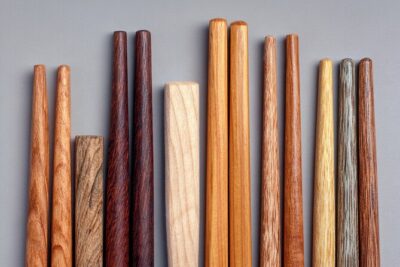 ★ 5.0Tokyo Shinjuku Chopsticks Making ClassFrom $201,763 reviews
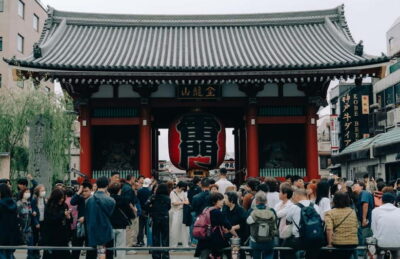 ★ 4.9Sushi Making Class in a Happi Coat near a Famous SpotFrom $421,377 reviews
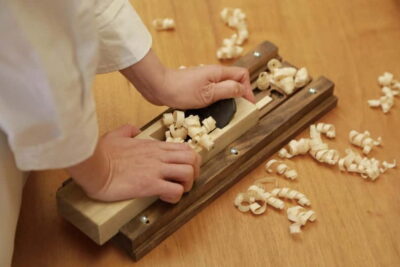 ★ 4.8Chopstick Making Workshop in GinzaFrom $251,366 reviews
 ★ 5.0Tokyo Sushi Making Class in Tsukiji with Professional ChefFrom $491,177 reviews
 ★ 5.0Ramen & Gyoza Cooking Class in Tokyo with Local Supermarket VisitFrom $122823 reviews
 ★ 5.0Matcha Making Class in Tokyo with Authentic Japanese Sweets SetFrom $21744 reviews
This tour also belongs to