
Review · WORKSHOPS
How to use Japanese knife, Tuna Cutting and Sushi Workshop
Tuna cutting is usually off limits. I love the hands-on focus of this Tokyo tuna cutting and sushi workshop, plus the fact that your tuna and sushi ingredients are included in the price. It also feels special because the group stays small and intimate, so you get real coaching while you work.
One thing to consider: this morning workshop depends on good weather, so if conditions are poor you may be offered a different date or a full refund.
Key highlights you’ll care about
- Hands-on tuna cutting skills, taught by a professional sushi maker, not just watched from a distance
- Small group size (up to 10 people), so questions do not get lost in the shuffle
- Ingredients included, which makes the total cost feel more fair than pay-only-for-class options
- You learn how different tuna parts affect cuts, so sushi makes more sense afterward
- You eat what you make, and it’s positioned as breakfast
- A morning Tokyo itinerary, with an easy-to-find meeting point near public transport
What makes this workshop feel genuinely different
If you like food experiences, you already know the typical pattern: watch someone cook, eat something good, then leave with photos and a vague memory. This class follows a more useful path.
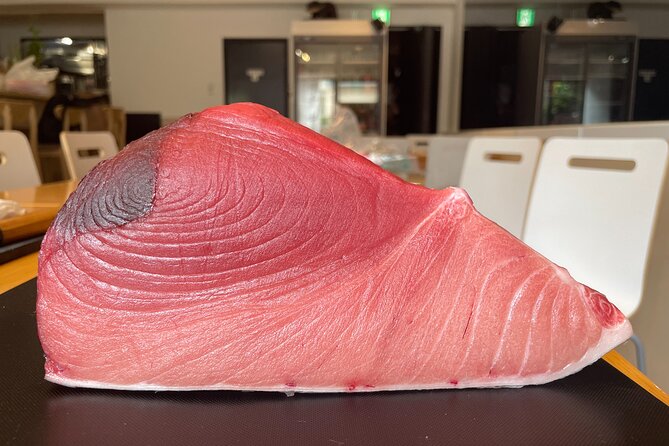
The main draw is learning tuna cutting in a way most novices never get. A block of tuna is something professionals handle with speed and control, and you get to practice the cuts yourself while a sushi chef explains what you are looking at. That means you leave with a clearer mental map of the fish, what different sections are used for, and why sushi chefs get picky about knife angle and clean edges.
I also like the format because it is not a “sit and listen” lecture. You are working with your hands and adjusting as you go. In the reviews, people highlight that the technique feels humbling, which is a polite way of saying it is harder than it looks on YouTube. That is good news for you. When a skill is genuinely challenging, the learning sticks.
More Tokyo tours and experiences for the shortlist


Meeting point in Azabujuban, and how the morning flows
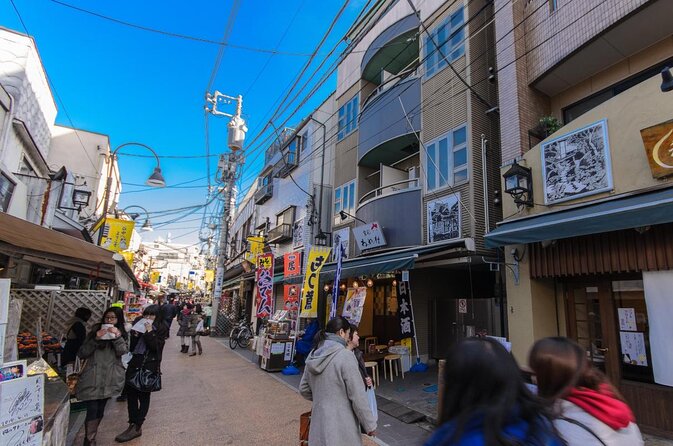
You meet at Japan, 106-0045 Tokyo, Minato City, Azabujūban, 3-chōme34 サンピア麻布十番. The start time is 9:30 am, and the tour ends back at the meeting point.
This location matters more than it sounds. Azabujuban is set up for easy public-transport access, so you are less likely to waste your best part of the day hunting for a hidden alley entrance. You also get a mobile ticket, which keeps the logistics simple.
In a workshop like this, timing is everything. You start in the morning, when you can focus without the fatigue that shows up later in the day. Reviews also describe the day as beginning with a short introduction and then moving quickly into tuna and sushi work. That structure is helpful if your goal is skill-building, not just sampling.
Tokyo fish market context, and why Toyosu is part of the story
Many sushi workshops stop at the classroom part. This one often connects you to the real-world seafood supply chain, including time at Toyosu Market.
In the experience descriptions shared by past participants, the best moments include getting a behind-the-scenes look at the famous tuna auctions and seeing how the wholesale side of seafood works. People also mention the chance to access areas they would not normally see. For me, that matters because sushi is not just a recipe, it is an entire system. When you understand where the tuna comes from and how it is handled, the whole class feels less mysterious.
Also, if you are the type who loves context, Toyosu turns your tuna lesson from random knife tricks into something practical. You start asking better questions like: what makes a good tuna block suitable for certain cuts, and why do chefs care about the condition of the fish?
If you are not expecting a full market expedition, you will still get what you came for. The workshop stays focused on tuna cutting and sushi making, with the market side acting as the “why.”
The tuna cutting lesson, including what chefs teach you to notice
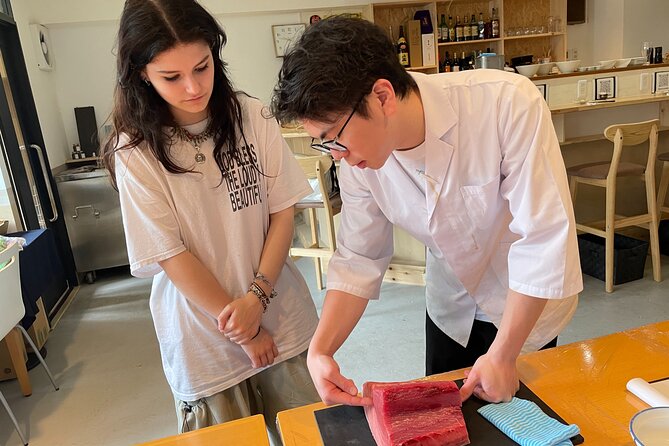
This is the heart of the experience. You learn about the tuna with your sushi chef, including the parts of the tuna and how those parts relate to specific cuts.
The most praised part here is how active you are. Reviews mention cutting multiple cuts of tuna rather than only doing one tiny practice slice. That changes your learning curve. You can compare techniques, feel differences in resistance, and start understanding why chefs use consistent pressure and clean, deliberate motion.
You will also hear explanations that make tuna feel more like a product with structure than a single ingredient. People described the class as educational about Edo sushi, which is a helpful lens if you want traditional technique rather than a fusion workshop.
Practical tip for you: even if you consider yourself a complete beginner, do not expect to “figure it out” instantly. The goal is to learn how professionals think while cutting. Watch closely during the demo, then copy what you can. If your first cut looks a little rough, that is normal. A good chef can still correct your hand position and your angle quickly.
Making nigiri and putting the cuts to work
After tuna cutting, you move into sushi making. This is where you stop being a student and become a maker.
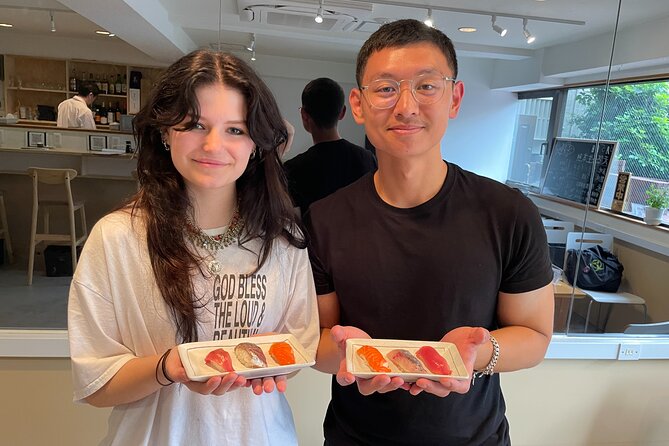
The basic sequence is straightforward: you use your tuna cuts to make sushi, and then you eat it. Reviews mention making nigiri and learning how difficult proper fish cutting really is, which loops back to why this class is worth the money. It is not “knife show and tell.” The knife work directly affects your sushi.
In some sessions, people also describe eating additional dishes prepared by the chef at his restaurant. So even beyond your own nigiri, you may get a fuller breakfast spread than you expected. The tour summary also frames the meal as breakfast, and multiple reviews confirm that the food is delicious.
How to get the most out of this part:
- Pay attention to how the chef handles fish and rice together, because that balance is the point of nigiri.
- Eat slowly after your hands-on work. When you taste your own sushi, you will understand what your cuts changed.
And if you plan to try sushi again at home, you will likely remember one lesson more than anything else: clean cuts are not cosmetic. They affect texture and presentation.






Food, breakfast, and what you should do with your appetite
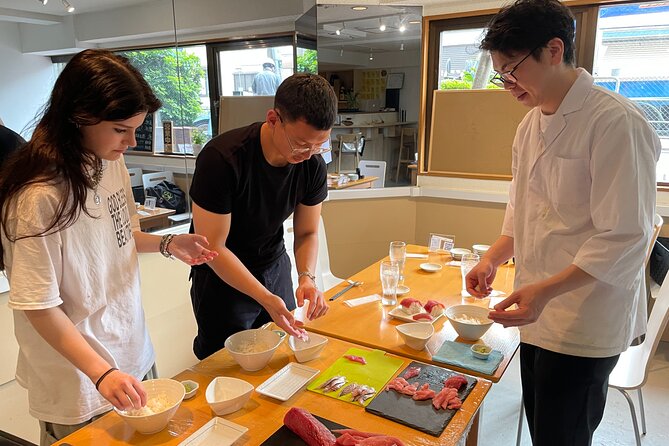
This experience ends with you eating the sushi you make. The timing is designed for a morning meal, so you get a satisfying reward while your brain is still switched on.
I like this because it keeps the workshop honest. If the food tastes great, it supports the technique you just learned. And if something is slightly off, you taste the difference and learn from it immediately, instead of weeks later when you can no longer trace the cause.
One practical note: go hungry enough to enjoy breakfast, but not so hungry that you feel rushed. You will spend time working with the tuna and learning the process, then you will eat. A calm pace helps you absorb feedback from the chef.
Guides and translation, and how the class stays friendly
A sushi workshop can be intimidating if you worry about language gaps. This class reduces that risk.
Past participants mention translation support from Amy, described as enthusiastic and clear. Others mention guides such as Azusa and Adam, both friendly and informative. When you have that kind of support, you spend less time guessing and more time correcting your technique.
The “small and intimate group” aspect also helps. With a maximum of 10 people, the chef can adjust instructions for individuals rather than talking to the room at full volume. That is a real quality-of-life upgrade for first-time learners.
Price and value for a $182 sushi-and-tuna workshop
At $182.43 per person for about 2 hours, you might wonder if it is expensive. It can be, depending on what you compare it to.
Here is what you get that pushes this toward good value:
- Ingredients included, including your tuna and sushi ingredients
- Professional instruction, focused on tuna cutting and sushi making
- A small group size that supports hands-on coaching
- A meal at the end, positioned as breakfast
If you compare this to paying for a one-time tasting where you only eat and watch, the value often improves fast. You are paying for skill-building plus food, not just a meal.
Also, the access feels more “real” than many classes because tuna cutting is typically reserved for professionals. When the point is a technique you cannot easily learn on your own, the price feels more like a workshop fee than a casual dining experience.
Who this is best for, and who might want another option
This class is especially good for:
- Food lovers who want more than flavor, they want technique
- Beginners who learn best by doing, not just listening
- People who like traditional Edo sushi context
- Anyone traveling with a partner or small group who enjoys a shared hands-on challenge
You might reconsider if:
- You expect a long, full-day market tour first. This focuses on the workshop portion in the morning.
- You have a strict schedule and cannot flex if weather affects timing.
Before you go, keep these practical points in mind
This is a morning experience with a tight focus. A few details will help your day run smoother.
- Start time: 9:30 am
- Duration: about 2 hours
- Meeting point: Azabujuban in Minato City, Tokyo
- Small group: up to 10 people
- Mobile ticket: yes
- Weather matters: good weather is required, and poor conditions can trigger a different date or refund
- Confirmation: you should receive confirmation within 48 hours of booking, if availability allows
One more thing I recommend: arrive with a clear goal. Tell yourself you are here to learn one or two things, not everything. Tuna cutting teaches patience, not speed. If you focus on quality and form, you will enjoy the class more even if your cuts are not perfect.
Should you book this tuna cutting and sushi workshop in Tokyo?
I think you should book it if your idea of a great Tokyo food experience includes hands-on work, not just eating. The combination of professional tuna cutting, a small group, and a meal you can actually connect to your effort makes this feel practical.
If you are on the fence, ask yourself this: do you want a story you can taste and repeat? If yes, this is the kind of workshop that can give you lasting technique, not just a nice morning out.
FAQ
What time does the workshop start?
The start time is 9:30 am.
How long does the tuna cutting and sushi workshop take?
It lasts about 2 hours.
Where do I meet for the experience?
You meet at Japan, 106-0045 Tokyo, Minato City, Azabujūban, 3-chōme34 サンピア麻布十番.
What is the group size limit?
The experience has a maximum of 10 travelers.
What’s included in the price?
Your tuna and sushi ingredients are included, and you learn from a professional sushi maker.
Will I get sushi to eat during the workshop?
Yes. After cutting tuna and making sushi, you eat it for breakfast.
When will I receive confirmation after booking?
You should receive confirmation within 48 hours of booking, subject to availability.
What happens if the weather is bad?
This experience requires good weather. If it is canceled due to poor weather, you will be offered a different date or a full refund.
What is the cancellation policy?
You can cancel for free up to 24 hours in advance for a full refund. If you cancel less than 24 hours before the start time, the amount paid is not refunded.
More Workshops & Classes in Tokyo

More Tour Reviews in Tokyo
Not for you? Here's more nearby things to do in Tokyo we have reviewed












Workshops, side by side.
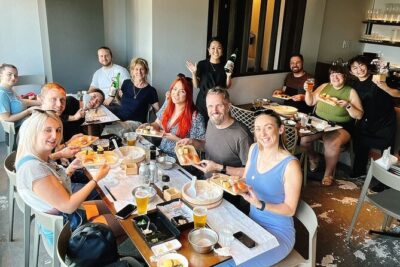 ★ 5.0Sushi Making Tokyo Roll and Authentic Japanese Sushi ClassFrom $593,971 reviews
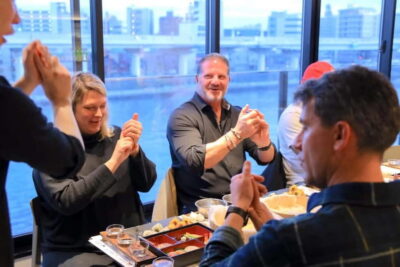 ★ 4.9Roll and Authentic Sushi Making Class in AsakusaFrom $581,957 reviews
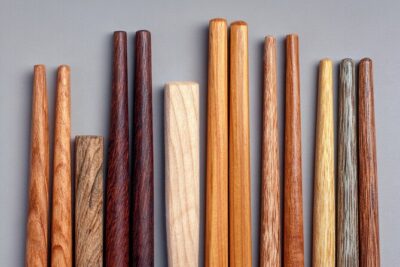 ★ 5.0Tokyo Shinjuku Chopsticks Making ClassFrom $201,763 reviews
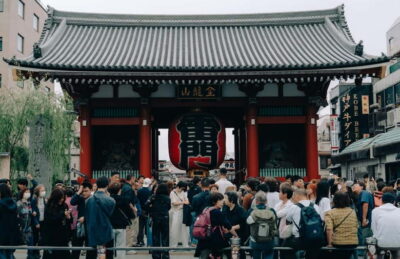 ★ 4.9Sushi Making Class in a Happi Coat near a Famous SpotFrom $421,377 reviews
 ★ 4.8Chopstick Making Workshop in GinzaFrom $251,366 reviews
 ★ 5.0Tokyo Sushi Making Class in Tsukiji with Professional ChefFrom $491,177 reviews
 ★ 5.0Ramen & Gyoza Cooking Class in Tokyo with Local Supermarket VisitFrom $122823 reviews
 ★ 5.0Matcha Making Class in Tokyo with Authentic Japanese Sweets SetFrom $21744 reviews
This tour also belongs to