
Review · MOUNT FUJI TOURS
In 2026, 2-Day Mt. Fuji Climbing Tour with Mountain guide
Mt. Fuji starts with a 6:30 am promise. This 2-day climb from Tokyo pairs an experienced mountain guide with an easy transfer from Shinjuku, so you can focus on steps, not logistics. You still get the classic Fuji payoff, a summit view over the Kanto plains, without needing mountaineering skills.
I really like the way the day is handled for you, especially at the Subaru Line 5th Station area where the guide support matters most. You also get real fuel during the climb, with a mountain lodge dinner plus the practical recovery stop after you go down.
One big consideration: English support can be limited. The tour includes Japanese guide leadership with a stand by guide at the 5th station, and if you do not speak Japanese you may feel language friction at key moments.
Key things to know before you go
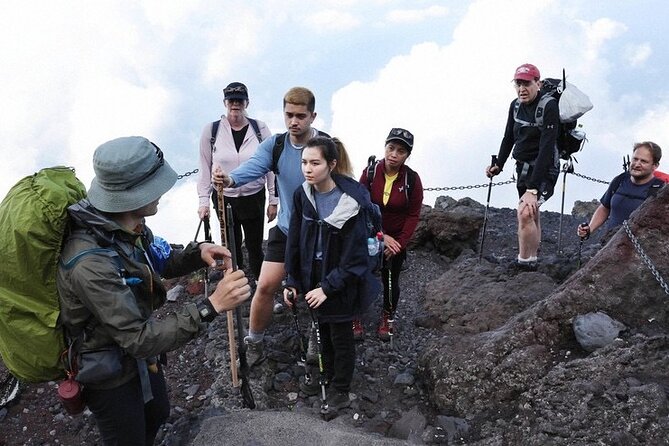
- Guide support that starts early: You begin at Tochomae Station at 6:30 am with guidance built into the plan.
- Subaru Line 5th Station timing: This is a focus point of the itinerary, with lunch scheduled after you arrive there.
- Food and recovery are part of the package: Dinner at the mountain lodge and a bath at a rest facility after descent.
- Moderately challenging, not technical: You do not need mountaineering skills, just solid walking stamina.
- Group size caps at 49: Big enough to feel organized, small enough that the guide can still manage pace.
- English may be a challenge: The guide is Japanese, and communication can be tougher if you rely on English only.
Mt. Fuji in two days, with less guesswork than you think
If you want Mt. Fuji but dread the planning, this is the kind of tour that makes sense. The whole structure is built around one goal: get you from Tokyo to the Fuji trail with transfers and local guidance, then keep you moving safely. You still have to do the work, but you are not doing it alone.
I like the fact that the climb is described as moderately challenging. That is an honest sweet spot for people who can handle steep walking and altitude fatigue, but do not want to train like a mountaineer. The tour does not pretend it is easy, which I respect. Early starts and long climbs are part of the deal on Fuji.
Another reason this is appealing is how much the experience is focused on the essentials. You get structured meals and a guide-led approach, plus a bath after you descend. After two days on volcanic terrain, that kind of recovery is not a luxury, it is part of making the whole trip feel complete.
You can also read our reviews of more guided tours in Tokyo
Price and what $470 really buys you
At $470 per person for a 2-day climb, this is not a bargain-basement option. It is closer to paying for peace of mind, plus a real local team. In practice, you are buying transport from the Shinjuku area, a Japanese mountain guide, and guide coverage tied to the 5th station.
Here is what makes the price feel more reasonable than it first looks like:
- Inclusion of the guide service: you are not just renting a ticket to the trailhead.
- Meals on the mountain: dinner at the mountain lodge and lunch after arriving at the 5th station.
- Recovery after descent: bathing at a rest facility after you come down.
- Transportation included: an air-conditioned vehicle is part of the tour.
What is not included is also clear, and that matters for value. The admission ticket at the Subaru Line 5th Station is listed as not included, and rentals are available only if you need them and they cost extra. So your total spend can move a bit depending on whether you need gear and whether you already have what you need.
Also keep in mind that this is typically booked about 55 days in advance on average. If your dates are fixed, you do not want to wait around and hope.
Your day-by-day flow, from Tokyo morning to mountain lodge night
This tour has a simple rhythm: start early from Tokyo, reach the Subaru Line 5th Station, climb with a mountain guide, eat on schedule, sleep at the mountain lodge, then return for a recovery stop and a transfer back.
Day 1: Tochomae to the Subaru Line 5th Station, plus lunch
Your day starts at Tochomae Station, with a 6:30 am start time. The meeting point is Nishishinjuku, and the tour is set up for easy access from the Shinjuku area using public transit. You ride in an air-conditioned vehicle, which is a nice way to avoid starting the climb already stressed.
The itinerary’s first big stop is Mt. Fuji Subaru Line 5th Station. The focus here is that you arrive, regroup, and get into the climb rhythm. After arriving at the 5th station, lunch is provided as part of the plan. This is more than just convenience. On Fuji, eating before you go higher helps you pace the rest of the day instead of hiking on empty.
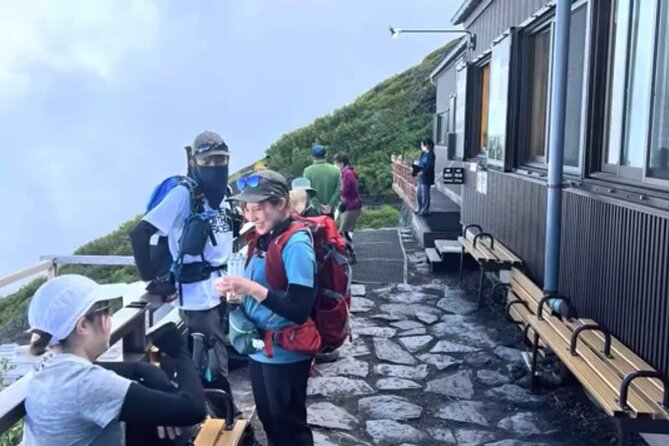
The guide team here is what you are paying for. You have a mountain guide (Japanese), and there is also a tour guide standing by at the 5th station in Yoshida. In other words, you should not be wandering around trying to figure out who is doing what. The goal is to keep the group coordinated when everyone is tired and moving slower than they thought.
Evening: mountain lodge dinner and the night that tests your sleep
After your daytime effort, dinner is provided at the mountain lodge. This matters because it keeps you from hunting food after you are already worn out. It also helps you stay on the tour’s internal timing, which is important when you have an early plan for day two.
Sleeping on Fuji is not a hotel experience, and the vertical effort can make rest feel uneven. Still, the trip structure is built around doing this part together, with the lodge and the routine handled. If you’re expecting luxury, you will be disappointed. If you want the full Fuji story, it is part of it.
More Tokyo tours and experiences for the shortlist

Day 2: summit views over the Kanto plains, then lunch and a bath
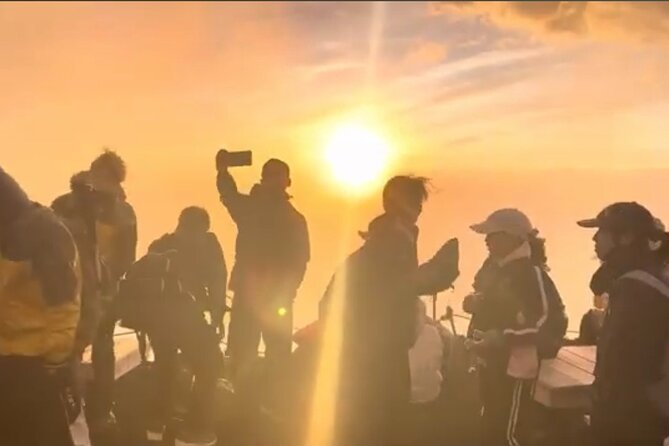
Day two is the payoff. The tour is designed for you to climb to the summit, and the view from the top includes the Kanto plains. That is a simple, concrete promise in the tour overview, and it is the reason most people are willing to tolerate cold, crowding, and sore legs.
After your descent, you rejuvenate with lunch and a bath. The bath is listed as included at a rest facility after you come down. In practical terms, this is where the “tour” aspect really shows up. Fuji logistics are tough when you have no plan for recovery. Here, you get a built-in reset step before you head back.
The tour ends at Shinjuku Station, which helps keep the trip from turning into a choose-your-own-adventure on tired legs.
Guides, WhatsApp, and what safety support feels like on Fuji
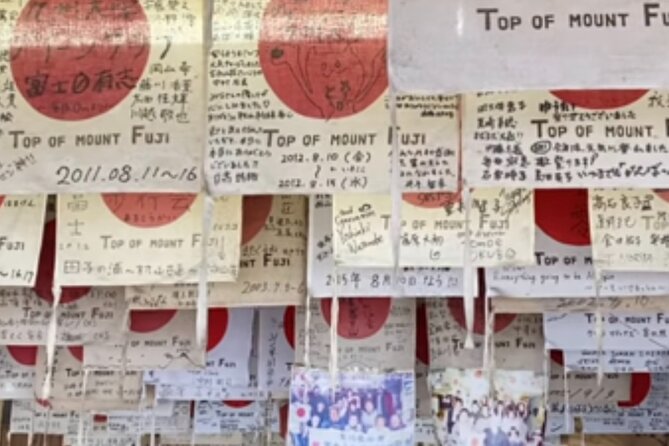
Good guiding on Mt. Fuji is not just about being friendly. It is about keeping pace, tracking the group, and managing the tricky moments when people get tired, start moving too fast, or feel unsteady.
This tour uses a Japanese mountain guide (named Shin in the information you provided), plus coordination support around the 5th station in Yoshida. One of the strongest themes in the experience feedback is that the guides help the group reach the summit when it is possible. That does not mean Fuji always cooperates, but it does mean your guide is actively involved in keeping you on track.
Communication is another factor. I like that the experience includes WhatsApp communications that help you stay aligned. When you are in a group setting with early meeting times and big altitude stress, having updates that make sense quickly can prevent small confusion from becoming a bigger problem.
Pace and breaks: how the tour protects first-time hikers
The climb is described as moderately challenging and suitable for people without mountaineering skills. In real life, that means you should expect a pace that includes breaks. There is no sense in pretending everyone climbs like a training montage. A good guide slows things down enough to help you finish the climb without burning out completely.
Just remember, breaks do not mean the climb is casual. You still need stamina and basic hiking fitness.
Crowds, weather, and the reality of a volcano
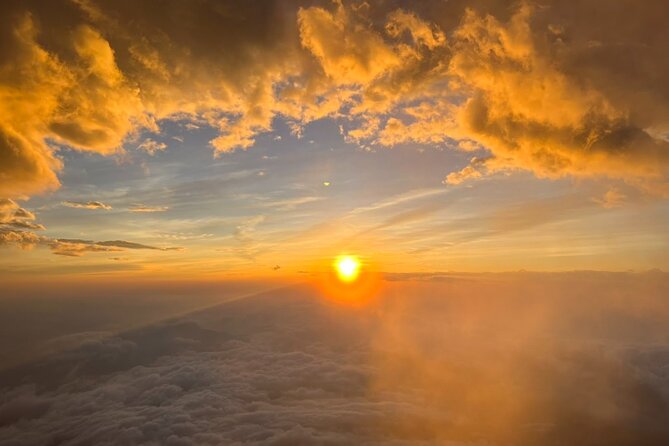
Mt. Fuji can be packed during holiday and peak climbing seasons. That crowd factor matters because the trail can get congested, and your hiking rhythm changes when you are constantly stepping around slower walkers or waiting for space.
Weather is the other reality check. Fuji is famous for a changing mood, and summit plans can be affected. Even if a tour is well organized, the mountain does not follow schedules. The best move is to be mentally ready for a plan that depends partly on conditions.
The tour gives you professionals to manage the situation on the ground. That helps, but it does not eliminate risk. If you are going to do this, pack flexibility into your expectations. You are buying guidance and structure, not a guaranteed perfect sky.
English support: convenient for basic travelers, not a full solution
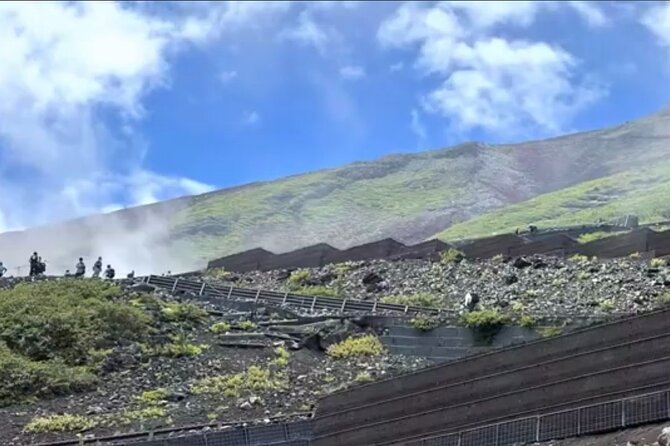
Here is the straight talk: this tour is not built specifically for English-first travelers. The mountain guide is Japanese, and while there is tour support at the 5th station, the overall language experience can be limited.
What you can do to improve your odds:
- Learn a few basic climbing phrases in Japanese if you can.
- Save your questions for the moment you have a clear chance to ask.
- Use the WhatsApp communications if they are shared in a way you can understand.
If your Japanese is close to zero, this tour can still work, especially because the group is guided and scheduled. But if you need detailed instruction constantly in English, you may feel stuck.
Gear and rental: what’s included, what’s not
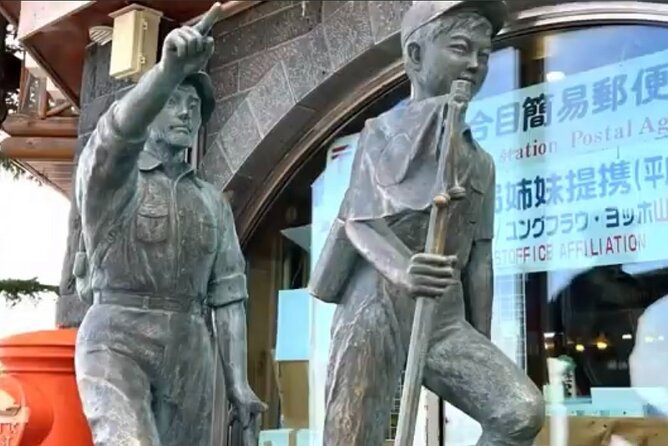
The tour is set up for active hikers, but rental gear is not included by default. Rental is available if you need it, and it costs extra. The listing also flags that the admission ticket at the 5th station is not included.
So before you go, check two things:
1) what you already have for cold-weather walking and basic hiking comfort
2) whether you need rental items at all
If you are traveling light, rental could save you. If you already own good boots and layers, you might skip it.
Group size and the feeling of a managed climb
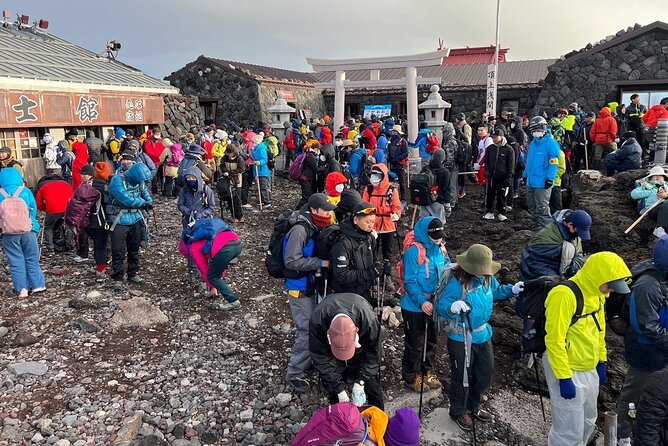
With a maximum of 49 travelers, this is not a tiny private hike. It is also not a massive cattle-line tour. That size can be a good middle ground, as long as the guide keeps the group organized.
In practice, bigger groups usually mean more waiting at bottlenecks and more crowding on the trail. Smaller groups can move faster but are more expensive and less common. This option lands in the organized crowd zone, where you trade a bit of freedom for safety and structure.
Who this Mt. Fuji climbing tour is for
This tour is a strong match for you if:
- you want a challenging but not technical climb
- you prefer to travel with guides instead of figuring out everything yourself
- you like having meals handled, not improvised
- you are okay with early mornings and a two-day commitment
It is also a decent birthday-trip or milestone-trip kind of outing, because the overall package is structured and memorable.
You might want to consider another option if:
- you cannot handle limited English communication at key moments
- you expect a quiet, uncrowded hike
- you are not prepared for weather-related uncertainty
Should you book this 2-Day Mt. Fuji Climbing Tour from Tokyo?
If you want the Mt. Fuji experience without becoming a logistics project manager, I think this tour is a sensible choice. You get exactly what most independent travelers struggle with: transfers from the Shinjuku area, a mountain guide, scheduled meals, and a bath after you descend. You also get a clear start time and set meeting points, which reduces stress on a trip that is already physically demanding.
Book it if you are active, comfortable hiking with a group, and you can work with basic communication in Japanese or rely on the guide and WhatsApp updates. Skip it or plan carefully if English is essential for you to feel confident during instructions.
One last practical tip: plan your expectations for crowds and changing weather. If you go in with flexibility and stamina, this 2-day Fuji climb can be the kind of trip you remember for years, because it is not just the summit. It is the full guided grind that gets you there.
FAQ
What is the meeting point and start time?
You meet at Tochomae Station, Nishishinjuku, Shinjuku City, with a start time of 6:30 am.
Where does the tour end?
The tour ends at Shinjuku Station in Shinjuku City.
How long is the tour?
The tour lasts about 2 days.
What is included in the meals?
Dinner at a mountain lodge is provided. Lunch is provided on day 1 after arriving at the Subaru Line 5th Station, and lunch is also part of the recovery after descent.
Is the Mt. Fuji 5th station admission ticket included?
No, the admission ticket at the Subaru Line 5th Station is listed as not included.
Is an onsen or bath included after the climb?
Yes, bathing at a rest facility after descent is included.
Do I need mountaineering skills?
No. The climb is moderately challenging, and you do not need mountaineering skills.
What fitness level should I have?
You should have a moderate physical fitness level.
Is the tour beginner-friendly for English speakers?
The information provided suggests English communication can be limited since the mountain guide is Japanese, so it may not be ideal if you rely on English only.
More Guided Tours in Tokyo

More Tours in Tokyo




More Tour Reviews in Tokyo


Not for you? Here's more nearby things to do in Tokyo we have reviewed












Mount Fuji Tours, side by side.
 ★ 5.0Mt Fuji and Hakone 1-Day Bus Tour Return by Bullet TrainFrom $16326,383 reviews
 ★ 4.0Mt Fuji & Hakone Cruise, Drum Show Bullet Train 1 Day from TokyoFrom $1497,413 reviews
 ★ 4.4Tokyo Mt Fuji 5th St & Hakone Cruise Bus Tour w/Bullet TrainFrom $1545,024 reviews
 ★ 4.5From Tokyo: Mount Fuji Full-Day Sightseeing TripFrom $684,970 reviews
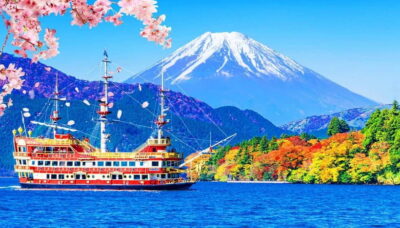 ★ 4.7Mt. Fuji Tour, Hakone Ropeway, Owakudani, Lake AshiFrom $544,002 reviews
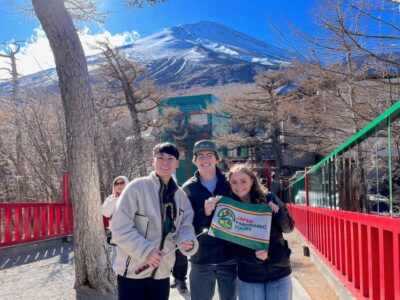 ★ 4.2Mt. Fuji 5th Station & Hakone Cruise 1-Day Bus TourFrom $1292,381 reviews
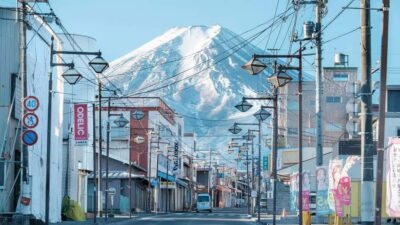 ★ 4.7Mt Fuji Top 5 Spots Day Tour: Arakurayama Park,Oshino HakkaiFrom $532,066 reviews
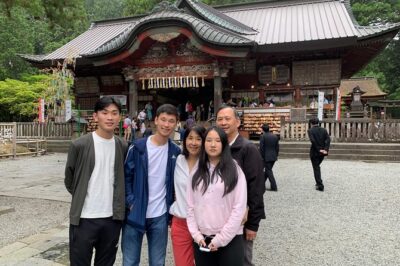 ★ 5.0Private Tour to Mt. Fuji and Hakone (Fully Licenced Operator)From $4971,910 reviews
This tour also belongs to