
Review · TOKYO CITY TOURS
Japanese Fan Painting Workshop ~ in a Tokyo Flower Shop
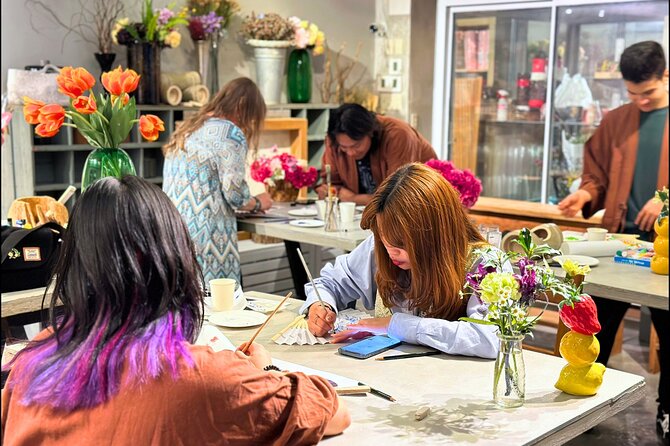
A fan you paint beats a fan you buy. This workshop trades Tokyo street noise for a calm, flower-filled studio, where you learn Japanese fan painting and make a useful souvenir. You work with instructor Ruby in a space that feels more like a creative break than a tourist stop.
I love that you can choose your fan shape, size, and colors, then go traditional or freestyle with guidance. My second favorite part is the patient, beginner-friendly teaching, even if your brush control is shaky at first. One possible drawback: because the fan is an irregular surface, very detailed, perfectionist designs can be a bit harder in only about 2 hours, so plan for something that feels doable.
Key Things I’d Actually Notice Here
- Small group, max 20 people: Easier attention from Ruby and a calmer vibe than larger workshops.
- Tranquil flower shop setting: You paint surrounded by blooms, which makes the whole experience feel relaxed.
- Pick your fan canvas: Shapes, sizes, and colors give you quick personalization before you paint.
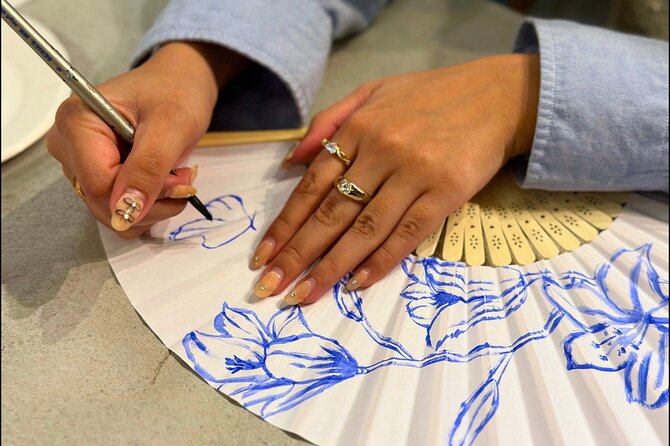
- Traditional motifs plus creative freedom: You can try cherry blossoms, koi fish, scenic scenes, or your own ideas.
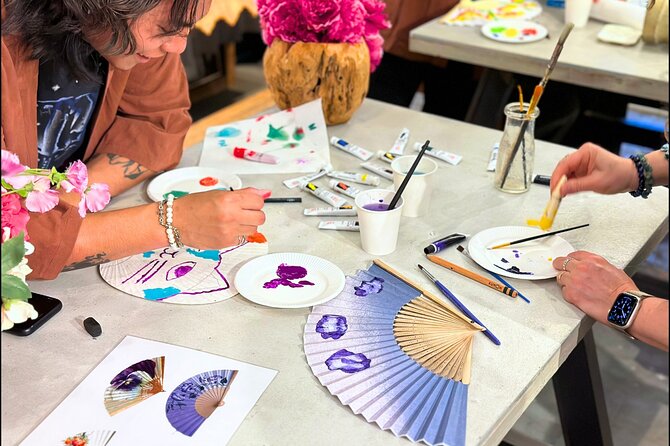
- Materials included: You get paints and brushes, so you are not hunting supplies around Tokyo.
- You leave with something functional: Your finished fan is both art and a cooling tool for warmer months.
Finding the Calm in Chiyoda: Park House Chiyoda Kojimachi
This experience begins in Chiyoda, at the Park House Chiyoda Kojimachi address: 6-chōme46, Kōjimachi, Chiyoda City, Tokyo 102-0083. If you like your Tokyo days with at least one pause button, this start location helps. It is near public transportation, so you are not forced into a long trek just to get to a quiet room.
Once you arrive, you walk into a flower-filled space that sets the tone fast. The idea is simple: you get welcomed into the shop environment first, then you switch from sightseeing mode to making mode. I appreciate that the session does not feel rushed from the start.
Ruby runs the workshop, and the vibe is welcoming. Even if you are not an art person, you still get to participate comfortably. In a city where plans can feel nonstop, this is a nice change of pace.
More Tokyo tours and experiences for the shortlist



Inside the Flower Shop Workshop: What the Session Feels Like
This is a creative session built around relaxation. Expect a gentle flow where you design, paint, and then finish with a moment to look at what you made. The shop atmosphere matters here, because it makes the whole thing feel less like a class and more like time well spent.
You also get a chance to meet like-minded artsy tourists. With a maximum group size of 20, it stays social without becoming loud. If you enjoy sharing travel space with people who are also looking for calmer experiences, you will probably feel right at home.
The workshop also gives you a practical creative outlet. You are not just decorating something that stays in a drawer. Your painted fan is something you can actually use, especially during warm months.
Choosing Your Fan Canvas: Shapes, Sizes, and Colors
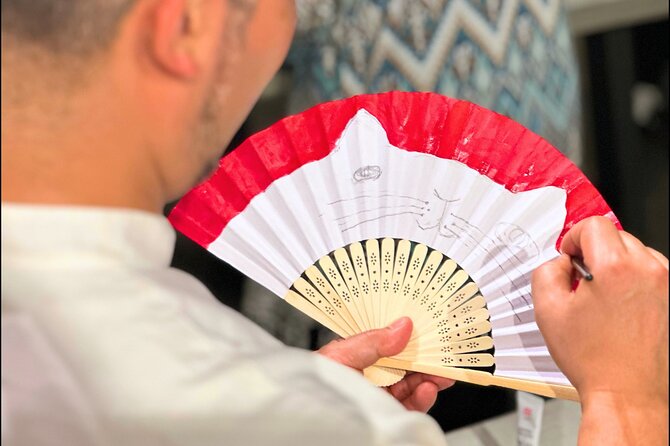
Before you paint, you select your fan. The workshop lets you choose from a variety of fan shapes, sizes, and colors, and that choice affects everything. It changes how your brush moves, where you place your main motif, and how your design reads from a distance.
This is a smart setup for different skill levels. If you are new to painting, picking a shape you like reduces decision fatigue. If you are more confident, you can treat the fan like a mini canvas and plan your composition.
Because the fan is functional and visual, you also get a built-in framing effect. The fan ribs create natural lines, so even simple designs can look intentional when you work with the surface instead of against it.
Learning the Fan Tradition: Motifs and Meaning
You do not paint in a vacuum. Ruby guides you through the history and significance of fan painting in Japanese culture and history. You also learn about how fans fit into everyday life and symbolism, which makes the art feel connected instead of random.
Then you move into the fun part: motif choices. Traditional options include cherry blossoms, koi fish, and scenic landscapes. You can copy a classic look, or you can use those ideas as inspiration and go your own way.
I like this balance a lot. You get structure and cultural context, but you are not locked into a single template. It is a good way to get something authentic without turning your experience into a test.
Painting Time With Ruby: How Guidance Actually Helps
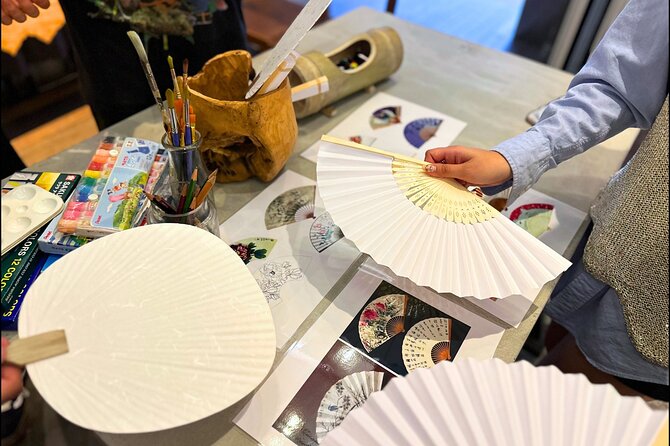
You are not left alone with a blank space and a shrug. Ruby provides tips while you paint, including how to make the fan designs pop. That matters because a fan is different from paper.
One detail I found especially useful from past participants is advice for painting on an irregular surface. The fan shape and folds can mess with paint behavior, especially when you are working quickly or new to brushwork. If you are using acrylic and water-based paints, Ruby’s coaching can help you think about coverage and control.
In practical terms, this kind of guidance saves you from common frustration. You can stop guessing whether your strokes are too thick, or whether your paint will pull or streak. Instead, you get real-time corrections that make your final look cleaner.






Traditional Meets Personal: Cherry Blossoms, Koi, or Your Own Plan
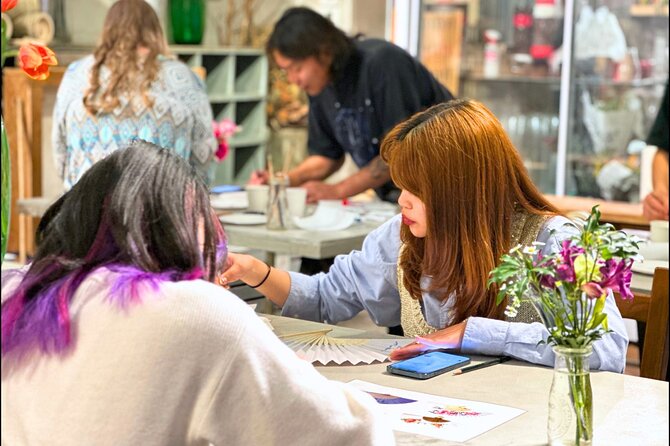
This workshop gives you options, and that flexibility is part of the value. If you want something classic, cherry blossoms and koi fish are natural picks for fans because they read well with curved forms. If you want a calmer scene, scenic motifs can fill the space nicely.
If you want to freestyle, you still have a plan. You can sketch your idea in your head before you start, then adjust as you watch how the paint sits on the fan.
I also like that you can aim for beauty and function. You are painting something meant to be seen and used. That makes it easier to decide when to stop perfecting and start enjoying.
Practical Pacing: 2 Hours Is Enough, If You Choose Smart
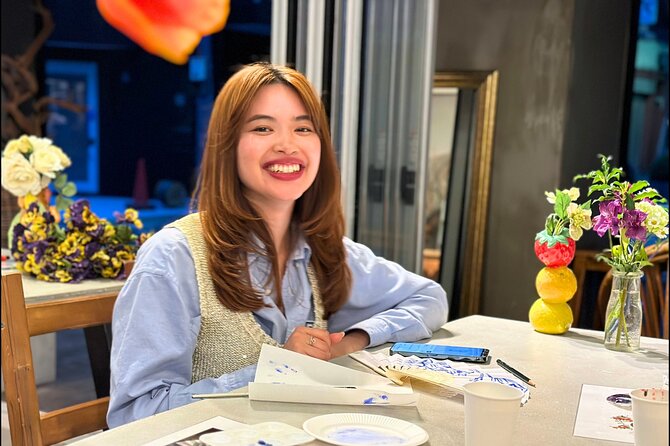
The workshop runs for about 2 hours. That time window is long enough to learn, paint, and finish, but not long enough for heavy detail work. If you know you love tiny line art, consider simplifying your plan.
A useful way to think about it: aim for one clear focal element and let the rest support it. On a fan, your viewer sees the whole piece in motion and from a distance, not under a microscope.
A past participant noted the experience felt quiet and relaxed, with helpful technique advice but also commented that the pace and cost might not feel ideal if you have already done many similar art projects. That is fair. If you already have a lot of experience painting on irregular surfaces, you might want a more advanced workshop. But for most people, first-time fan painting is exactly the right level.
Your Finished Souvenir: What You Take Home
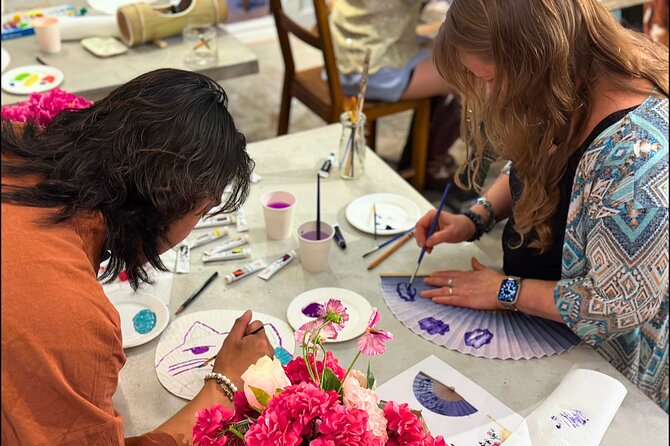
You leave with your painted fan. That matters more than it sounds. Fans are travel souvenirs that work in real life, not just on a shelf. When the weather warms up, you can actually use it instead of keeping it as a display item.
This is also a great option if you enjoy photographing your travel craft. The process ends with time to look at the result and take photos. Because it is a specific object you made, the pictures feel personal, not like another shot you could have taken anywhere.
If you care about taking your fan home safely, treat it like a delicate art object. Handle it gently, keep it flat when possible, and store it somewhere it will not get bent.
Price and Value: Is $60 Worth It?
The price is $60.00 per person for an experience that lasts about 2 hours. For that amount, you get instructor guidance from Ruby, materials (paints and brushes), and the fan itself as your canvas. You also get a calm, flower shop setting that makes the session more special than a generic craft table.
Value is not just about the final object. It is also about the teaching. Beginner-friendly instruction, plus real tips for painting on an irregular surface, is the part you typically cannot buy in a museum shop or by yourself at home.
If you are the kind of traveler who enjoys hands-on cultural activities, this price can feel like a fair trade for time and confidence. If you are only interested in watching and not making, it might feel steep. But this is a make-it-yourself workshop, so you get the most value when you lean into the creative side.
If you want to lock in a spot, note that it is often booked about 47 days in advance on average. Booking early helps, especially when you are traveling in peak seasons.
Who Should Book This Japanese Fan Painting Workshop?
This fits best if you want a calmer Tokyo activity that still feels cultural and hands-on. It is ideal for couples and small groups, especially those who enjoy creativity and want a break from big ticket sightseeing.
It also works well for beginners. One participant mentioned being an absolute beginner and feeling guided with patience and kindness. You should not expect art perfection. You should expect support and direction.
If you already paint a lot and want something advanced, you might find the workshop light on challenge. The design options are there, but the time is short and the goal is a finished fan that looks good and feels fun.
Practical fit matters too. The experience allows service animals, and most people can participate. If you use public transportation, the meeting point being near transit is a big help.
Should You Book It?
Yes, if you want a Tokyo experience that is quiet, hands-on, and built around real craft guidance. I would book it if you like the idea of learning traditional motifs like cherry blossoms and koi fish, but still want room to create your own design. The flower shop setting and the small group size make it feel more personal than many activities.
I would think twice if you are an experienced artist looking for advanced instruction or a long, detailed painting session. Also consider that only about 2 hours means you should choose a plan you can finish confidently.
If you want a practical souvenir that reflects Japanese culture and you enjoy making things with your hands, this workshop is a strong choice. And if you want a break from the busy parts of Tokyo, it gives you exactly that kind of reset.
FAQ
How long is the Japanese Fan Painting Workshop?
It lasts about 2 hours.
How much does the workshop cost?
The price is $60.00 per person.
Where does the workshop meet?
The start point is Park House Chiyoda Kojimachi, 6-chōme46, Kōjimachi, Chiyoda City, Tokyo 102-0083. The activity ends back at the meeting point.
Is the workshop ticket mobile?
Yes, you get a mobile ticket.
How many people are in a group?
The workshop has a maximum of 20 travelers.
What will I paint during the workshop?
You paint a Japanese fan. You can choose fan shapes, sizes, and colors, then paint traditional motifs or your own designs.
Does the instructor teach history or techniques?
Yes. Ruby explains the role and significance of fans in Japanese culture and history, and provides guidance on painting.
Are materials provided?
Yes. The workshop provides the materials you need, including paints and brushes.
Is confirmation provided after booking?
Yes. Confirmation is received at the time of booking.
What is the cancellation policy?
You can cancel for free up to 24 hours in advance for a full refund.
More Workshops & Classes in Tokyo


More Tour Reviews in Tokyo
Not for you? Here's more nearby things to do in Tokyo we have reviewed












Tokyo City Tours, side by side.
 ★ 5.01-Day Tokyo Bus TourFrom $12914,250 reviews
 ★ 4.5TOKYO SKYTREE® Admission ticketFrom $1311,192 reviews
 ★ 4.6teamLab Planets TOKYO Digital Art Museum Entry TicketFrom $259,779 reviews
 ★ 4.0Mt Fuji & Hakone Cruise, Drum Show Bullet Train 1 Day from TokyoFrom $1497,413 reviews
 ★ 5.0Shinjuku Food Tour (13 Dishes at 4 Local Eateries)From $866,603 reviews
 ★ 4.4Tokyo Mt Fuji 5th St & Hakone Cruise Bus Tour w/Bullet TrainFrom $1545,024 reviews
 ★ 5.0Flagship 2-Hours Official Street Go-Kart Tour – Tokyo Bay ShopFrom $644,974 reviews
 ★ 4.5From Tokyo: Mount Fuji Full-Day Sightseeing TripFrom $684,970 reviews
This tour also belongs to