
Review · TOKYO CITY TOURS
Japanese flower arranging (Ikebana) Experience/Workshop in Tokyo
Tokyo gets quiet when flowers lead. This 90-minute ikebana workshop in Tokyo swaps street noise for a calm florist-studio session, with history, mindful making, and a small group size that makes it easier to get real guidance. You end right where you start, and you even take home photos from your time creating in the shop.
Two things I especially like: you get personalized advice from your instructor in a small group, and the lesson keeps things playful and expressive instead of turning it into a strict rules exam. That balance makes it feel welcoming, even if you have never touched ikebana before.
One possible drawback to plan for: the containers and kenzan that can finish your arrangement at home are not included in the price. They are available for purchase, and some people love adding them so their creation can live longer after the class.
Key Things I’d Pin on Your Map
- Small group coaching so you are not arranging alone in a corner
- Mindful ikebana focus that is more expressive than rigid
- Flower history included so you understand what you are making, not just how
- Photos shared after the event so your arrangement memory is easier to keep
- Optional purchases for containers and kenzan if you want a ready-to-display result
Why This Ikebana Workshop in Tokyo Feels Like a Time-Out
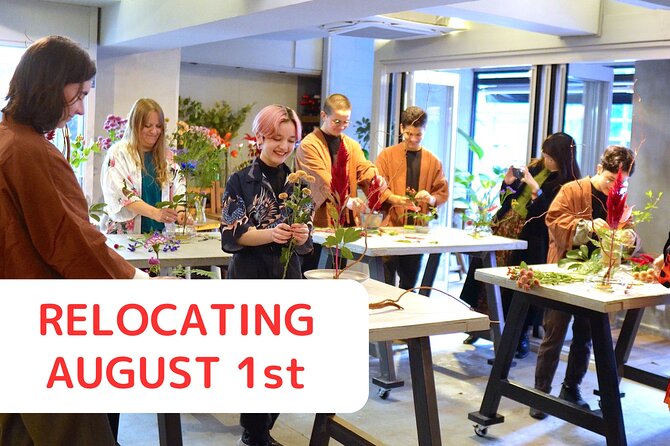
Ikebana is flower arranging with a way of thinking, not just a technique. In this class, the goal is less about perfection and more about using the same tools and ideas to express yourself. That matters in Tokyo, because it is easy to fill days with transit lines, crowded streets, and one more “must see” after another. This is the opposite rhythm.
The workshop also feels practical, not precious. You are given the flowers and the tools, you learn the basics of how ikebana works, and you get help while you build your own arrangement. It is also a good length for a trip: about 1 hour 30 minutes, short enough to fit into a tight schedule without feeling rushed.
If you like an experience that teaches while you create, you will probably enjoy this. The class includes the history of ikebana, including why flowers mattered to humans over time. That background gives the hands-on part more meaning, and it keeps the session from turning into just crafting for an hour.
More Tokyo tours and experiences for the shortlist



Where You Go: Kōjimachi Meeting Point and a Real Florist Setting
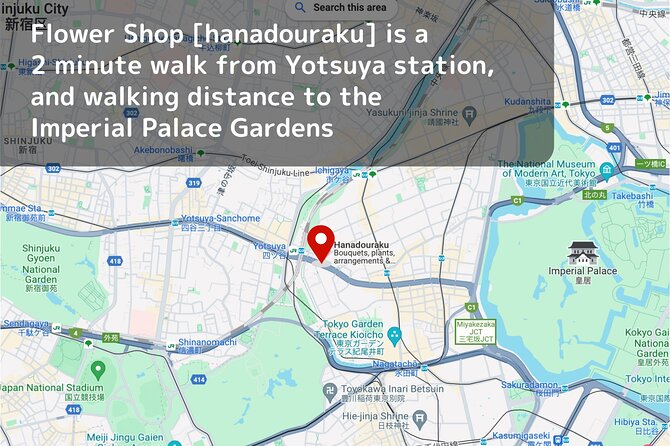
You meet at a specific address in Chiyoda City, in the Kōjimachi area (Japan, 102-0083 Tokyo, Chiyoda City, Kōjimachi, 6-chōme 46). The location is near public transportation, which is huge in Tokyo, where a single wrong turn can cost you energy.
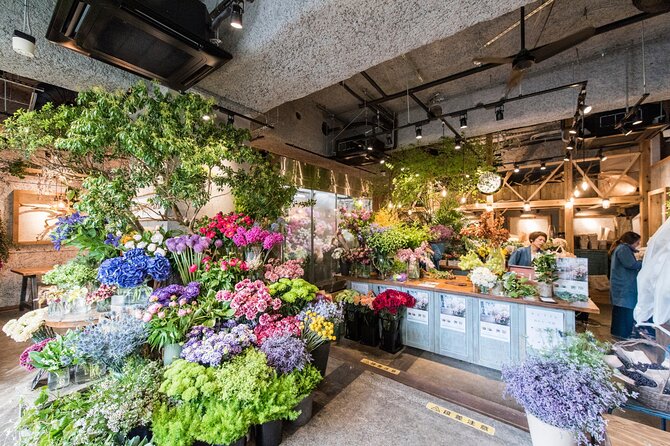
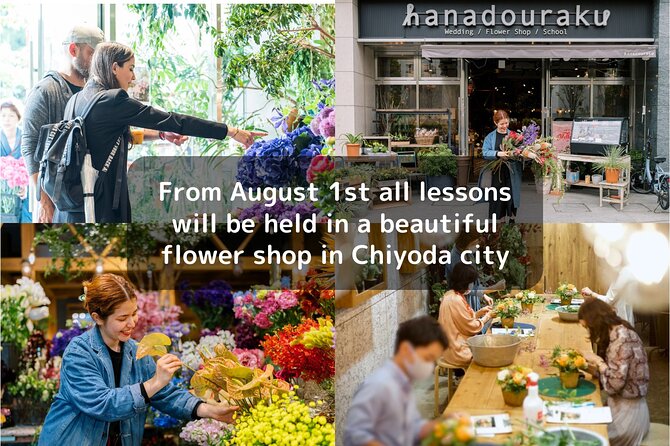
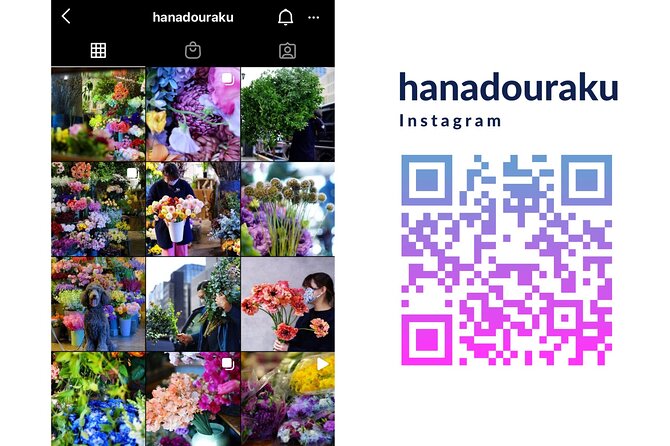
From the class vibe described in participant feedback, you are not in a distant museum classroom. The setting is a florist shop environment, including a space called Hanadouraku. That helps for two reasons. First, you see fresh flowers up close, not a generic “activity kit.” Second, the atmosphere feels like you stepped into a working flower space for a short lesson, not a staged show.
Also, the session uses a mobile ticket, so you do not have to hunt for printed paper. That is a small thing, but it makes last-minute planning easier.
The 90-Minute Flow: What Happens From Start to Finish
This is a compact workshop, so the structure matters. Here is what you can expect in the timeline, based on how the class is described.
First, you settle in and get oriented. You learn what ikebana is, then get a quick entry into why it developed the way it did. The history portion is not vague. It is meant to connect flowers to human culture, and to help you understand what you are doing beyond decoration.
Then comes the practical part. You are taught the essentials of building an arrangement. Importantly, this course is not focused on strict, precise ikebana rules. Instead, it uses the familiar “ikebana way” of working with branches and flowers while encouraging a more free, playful expression. That shift is why first-timers often feel comfortable during the lesson.
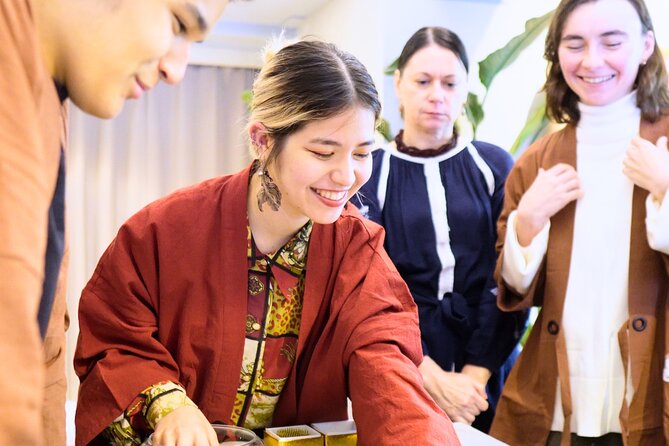
While you work, your instructor gives personalized guidance. Participants in the feedback highlight how helpful the coaching feels, including tips that make an arrangement look more balanced. The teaching is also described as English-friendly in multiple notes, which helps if you do not speak Japanese.
Finally, you finish your arrangement and get shared photos from the event. The whole activity ends back at the meeting point, so you do not have to figure out where to go next.
Instructor Help That Actually Changes Your Arrangement
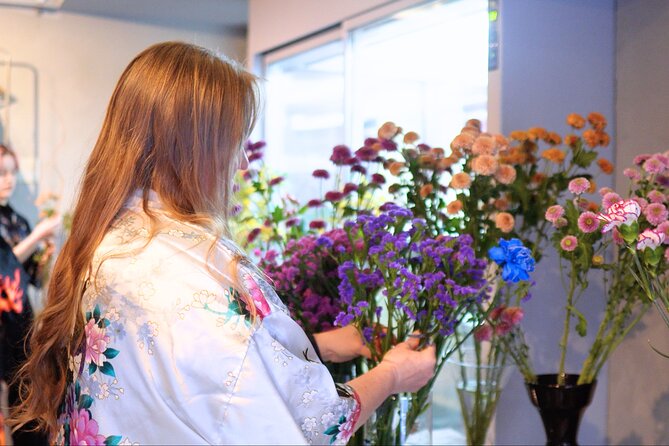
A big reason this workshop earns top marks is the instruction style. The class is built around a small group, with enough time for the instructor to notice what you are doing and guide you while you are mid-creation.
In feedback, instructors are credited not just for giving general tips, but for explaining the meaning behind the materials, and for helping people connect with individual blooms. That matters. When you understand what you are selecting, you stop treating stems like generic props and start treating them like your design tools.
You can also expect discussion of different flowers and how to use them. That gives you options while you arrange, instead of forcing you into one formula. If you have ever tried a craft class where the teacher says “trust your instinct” and then offers no specifics, this is not that.
One more detail I liked in the overall picture: participants mention the guidance also includes history mixed in with the hands-on steps. It keeps your brain engaged, which can help you stay calm and focused for the full 90 minutes.
Flowers, Tools, and the Kenzan or Container Decision
The price includes the big essentials: ikena tools, the flowers used in your arrangement, and the sharing of photos taken during the event. So you do not need to bring equipment, and you do not need to worry about finding a florist supply list before you get there.
But there is an important “plan ahead” note: containers used in the arrangement are not included, and neither is the kenzan. Both are available for purchase at the experience. A kenzan is a pin holder that helps stabilize stems. If you want a long-lasting piece to display after the class, you may want to buy one and a container.
Some participants highlight enjoying arranging on a kenzan and practicing ideas like asymmetry. That is a good sign the class goes beyond one-step instructions and gives you the chance to think about shape, balance, and negative space.
Here is the practical consideration: if you buy extra items, think about transport. One participant describes purchasing vases and safely transporting the result back to their accommodation. That is doable, but you should plan for extra care once you have something breakable in hand.


Photos You Can Keep, Without Asking
You get photos taken during the activity, and sharing of those photos is included. That is more valuable than it sounds. In a crowded city, it is easy to forget to document the one calm thing you did that day.
Instead of you juggling your phone while your hands are busy arranging stems, you can focus on the work. Later, you get the images that show your arrangement process and the final look, which is great for saving to your trip album.
If you care about posting or sharing later, this feature is especially useful because it reduces the pressure to stop and pose mid-creation.
Mindfulness Without the Big Lecture
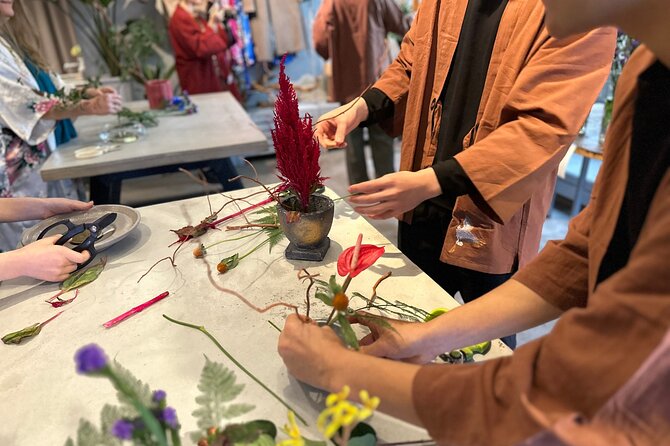
This workshop is described as a way to wind down from the chaos of Tokyo through a mindful activity. You are not being asked to meditate in a corner. You are being guided to slow down through attention to materials.
That shows up in what instructors emphasize, including learning about flowers and symbol meanings, and getting encouragement to connect with each bloom. When you are choosing stems and placing them, you naturally slow your pace. The class design supports that.
Also, because it is hands-on, it is a break from screen time, museum lines, and constant planning. It is a creative reset that fits well for travelers who want something different but still structured enough to feel easy.
Is This “Rules-Free” Ikebana or a Hidden Test?
The class explicitly says it is not about strict, precise ikebana rules. Instead, it uses the same tools and the ikebana mindset for self-expression that feels free and playful.
That does not mean it is random. You still get coaching and you still learn the foundation of how ikebana works. Feedback also notes that it can look easier than it is, and that the challenge can be a highlight. In other words, it is approachable, but the outcome still takes some skill.
If you want total beginner comfort, this format should help. If you want a very traditional, highly regulated form of ikebana, you might need a different class. But for most visitors, this balance is exactly what makes it memorable.
Who This Workshop Is Best For, and Who Might Skip It
This fits many kinds of travelers.
It is a great match if you:
- Are short on time in Tokyo and want a focused activity around 1 hour 30 minutes
- Want a calm change of pace without giving up structure
- Enjoy hands-on learning with real guidance
- Like creative travel souvenirs that are not mass-produced
It also welcomes kids and families, and pets are welcome. That makes it one of the easier creative activities to share across ages.
Who might want to consider another option?
- If you are only interested in strict ikebana forms with deep technical rigor, a rules-forward class could suit you better.
- If you hate any chance of extra spending, remember that containers and kenzan can be purchased but are not included.
Value for $100: What You Are Really Paying For
At $100 per person, you are paying for more than flowers. You are paying for coaching time in a small group, the instructor knowledge, and the materials needed to create an arrangement during the session.
Here is what justifies the value:
- All tools and flowers are provided, so you are not buying supplies separately
- Personalized guidance is part of the experience, not a passive demo
- You get shared photos, so you keep a visual record
- It is a short class length, about 1.5 hours, which helps if your days are packed
Where value can shift:
- If you choose to buy containers and kenzan, your total trip cost will increase. That can be worth it if you want to display your arrangement at home.
- If you only want a brief craft with no interest in history or meaning, you might feel the price more than if you enjoy the “why” behind the “how.”
Overall, for Tokyo, where many activities either feel overpriced or too generic, this stands out because you leave with something you made, plus better context for what you just did.
Practical Tips Before You Go
A few things to help you get the most out of the session.
- Plan for transport if you think you will buy a container or kenzan. Bring a bag that can protect a finished arrangement.
- If you are bringing kids, expect it to be a supportive, creative environment, but still hands-on. The activity is small group sized, so the instructor can help guide younger participants.
- Wear something comfortable. You will be working with flowers, and you do not want to spend the class thinking about your outfit.
- If you care about photos, do not worry about stopping the class for pictures. The included photos are there for that.
Finally, arrive with a light mindset. Ikebana rewards patience. Even when the class is not strict, it still asks you to place stems with intention.
Should You Book This Ikebana Workshop in Tokyo?
Yes, if you want a meaningful break from the city that still feels doable on a schedule. This is a strong choice for first-timers because the instruction is described as kind, helpful, and English-friendly, and because the approach is not rigid. You get history, hands-on making, and a calm atmosphere in a real florist setting.
I would especially recommend it if you:
- Want a creative activity that is also a mental reset
- Like the idea of making a take-home arrangement (and possibly buying a container)
- Appreciate small-group instruction rather than a crowded class
If you are the type who loves ultra-traditional rules and deep technical form, you may want to compare against more traditional ikebana workshops. But for most visitors, this hits the sweet spot of learning, creativity, and calm.
FAQ
How long is the Japanese flower arranging (Ikebana) workshop?
The workshop lasts about 1 hour 30 minutes.
Where is the meeting point in Tokyo?
The meeting point is at Japan, 102-0083 Tokyo, Chiyoda City, Kōjimachi, 6-chōme46. The activity ends back at the meeting point.
What is the group size?
The workshop has a maximum of 15 travelers.
Is the $100 price a good deal for what I get?
The price includes use of ikebana tools, flowers used in your arrangement, and sharing photos taken during the event. Vases (containers) and kenzan are available for purchase but are not included.
What is not included in the price?
Containers used in the arrangement and kenzan are not included, but both are available for purchase.
Will I get photos of my arrangement?
Yes. Photos taken during the event are shared with participants.
Does the workshop teach strict rules of ikebana?
No. The lesson is not about strict and precise ikebana rules. It focuses on using the tools for self expression in a more free and playful way.
Can kids and families join?
Yes, kids and families are welcome.
Are pets or service animals allowed?
Pets are welcome, and service animals are allowed.
Can I cancel for a full refund?
Yes, free cancellation is available. You can cancel up to 24 hours in advance for a full refund. If you cancel less than 24 hours before the start time, the amount paid is not refunded.
More Workshops & Classes in Tokyo


More Tour Reviews in Tokyo
Not for you? Here's more nearby things to do in Tokyo we have reviewed







Tokyo City Tours, side by side.
 ★ 5.01-Day Tokyo Bus TourFrom $12914,250 reviews
 ★ 4.5TOKYO SKYTREE® Admission ticketFrom $1311,192 reviews
 ★ 4.6teamLab Planets TOKYO Digital Art Museum Entry TicketFrom $259,779 reviews
 ★ 4.0Mt Fuji & Hakone Cruise, Drum Show Bullet Train 1 Day from TokyoFrom $1497,413 reviews
 ★ 5.0Shinjuku Food Tour (13 Dishes at 4 Local Eateries)From $866,603 reviews
 ★ 4.4Tokyo Mt Fuji 5th St & Hakone Cruise Bus Tour w/Bullet TrainFrom $1545,024 reviews
 ★ 5.0Flagship 2-Hours Official Street Go-Kart Tour – Tokyo Bay ShopFrom $644,974 reviews
 ★ 4.5From Tokyo: Mount Fuji Full-Day Sightseeing TripFrom $684,970 reviews
This tour also belongs to