
Review · TOKYO CITY TOURS
Japanese Pottery Class in Tokyo
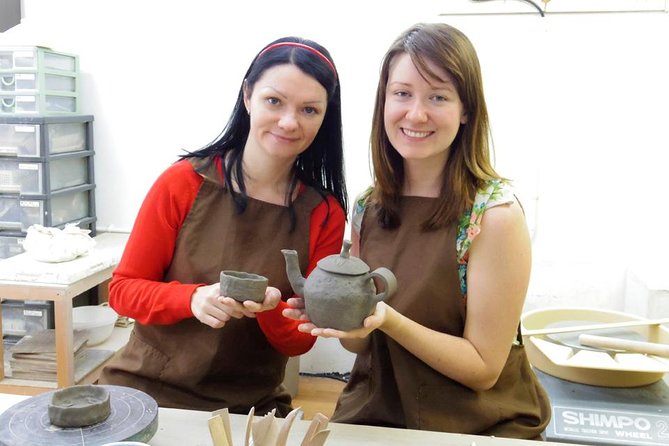
Small-group pottery in Tokyo is a great reset button. In about an hour, you learn basic Japanese pottery-making steps with a sensei, then you create a few pieces and choose which ones to send for firing. I love the small-group feel (up to 15), because the instruction stays personal. I also like that you get a real souvenir you helped make, not just a tour photo.
One thing to plan for: the price you pay upfront covers the trial class, but firing and shipping are extra, and your finished pieces take about a month after making.
Key things to know before you go
- Small group, personal attention: maximum 15 for a hands-on pace you can keep up with.
- You make 2 to 3 works in about an hour: enough to choose what you actually want to keep for firing.
- You choose colors and which pieces go to firing: your decisions shape the final look.
- Finished work takes time: plan on about one month after making for preparation.
- Shipping is optional, and EMS costs extra: you only pay if you want pieces sent home.
Tokyo Pottery in One Hour: what you’re really paying for
This class is built for visitors who want a hands-on Japanese arts moment without needing weeks of training. You sit down in a studio setting, get taught the basics, and then you get to make a handful of pieces. The session runs about one hour, which is a sweet spot in Tokyo, where the days can run long and crowded.
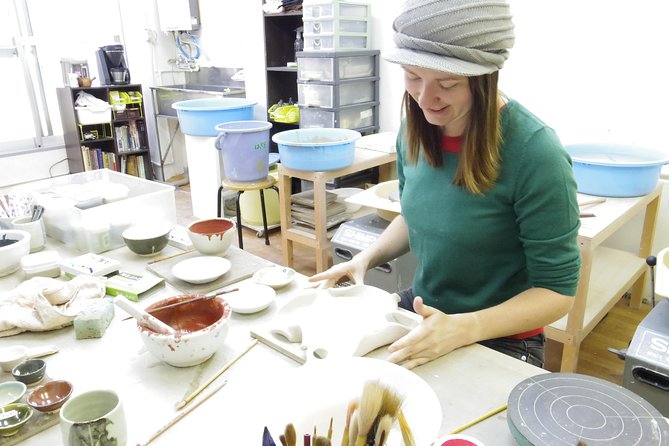
The big value is that you are not just watching. You are doing the work, under guidance, and you make decisions along the way. You write an application, the instructor shows a sample, you shape the clay and clean up, then you choose what you want to keep for firing and what colors you want. That turns the experience into something you can actually take home, even if you do not walk out with finished pottery the same day.
There is one practical catch: the class fee is for the trial and basic making. If you want your pieces fired and shipped, you pay extra per selected work. Think of it like paying for the class and craft time upfront, then paying to complete and deliver your souvenir.
More Tokyo tours and experiences for the shortlist



The Studio Setup: small group, central Tokyo, and an easy meeting point
The session is run by Uzumako ceramic art school. The meeting point is in Minato City, Shiba, at 3-chōme 29-11, Shiba (清水ハウス), 105-0014 Tokyo. It is in a part of Tokyo that is easier to navigate than the far outer neighborhoods, and the school is described as near public transportation. If you are mapping your day around Tokyo Tower, this area will feel familiar fast.
The class size is the other comfort. The experience highlights a maximum of 15, which matches what most people want from a pottery lesson in a foreign language setting. When you have fewer people in the room, it is easier to get help adjusting your piece, and you spend more time making and less time waiting.
In the reviews, the vibe is consistently calm and friendly. Multiple instructors get praised for patient guidance and clear communication in English, including names like Ruth, Stephen, Viki, and Jumpai. You should expect a studio atmosphere that feels supportive rather than rushed.
The One-Hour Flow: application, demo, making 2 to 3 pieces, then choosing what goes to firing
This is what happens during the class, in plain terms:
First, you do the paperwork. You will fill out an application form. It sounds formal, but in practice it helps the instructor understand what you want to make and which steps to focus on during the lesson.
Then you get a sample from the instructor. The instructor makes a sample first, so you can copy the shape and technique before you start. This is especially useful if it is your first time touching clay.
You make about 2 to 3 works within the hour. The pace is hands-on. You are not expected to become a potter in 60 minutes. You are expected to make pieces you can recognize as yours, with help when you need it.
Next, you choose what you will keep for firing. You will select the works you want to be fired. This is where your choices stop being creative and start being practical. Firing costs extra per selected work, so you will likely want to pick your best pieces, not every piece you make.
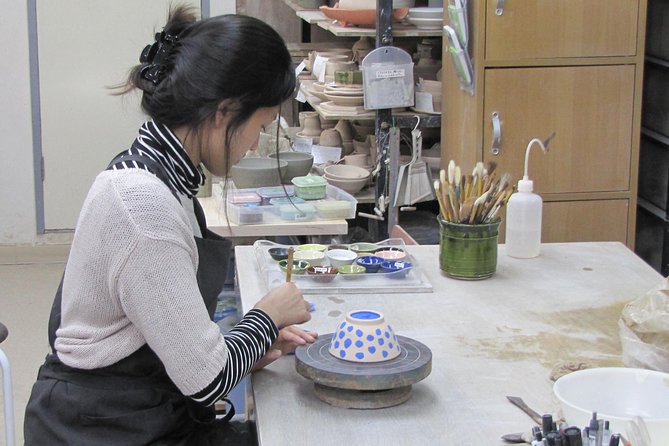
Then you choose colors. You pick the colors you want. Even if you are new, this is the fun part because you can plan a look before the piece is finalized.
Finally, you clean up and complete payment. The class ends with cleaning and payment.
A good way to think about it: the first half is learning and doing, and the second half is turning your creations into actual finished pottery. If you treat the “choose colors and firing” moment seriously, you end up happier with the souvenir.
What you won’t get: same-day finished pottery
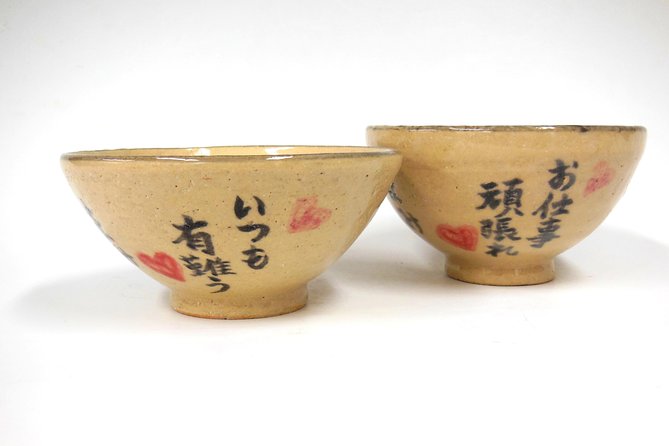
Do not plan on walking out with finished, fired pieces. The class experience is the making session, and firing is handled afterward. The timing note is clear: it takes about one month to prepare the works after making.
In reviews, people often describe it as a true intro, with finished pieces completed later for a fee and then shipped. So if you need something in your suitcase by tonight, this probably is not your best plan. If you can wait for a month, you get a much better souvenir story, because you were there at the wheel and shaping the forms yourself.
Pricing Reality: $26.73 covers the class, not the final fired souvenir
The basic price is $26.73 per person, and that covers the trial class fee. That is a genuinely approachable entry cost for Tokyo. You are paying for instruction, studio time, and the making process itself.
But the complete “take-home pottery” cost depends on what you choose:
- Firing fee is not included in the basic fee.
- EMS shipping fee is optional.
So the real value question is simple: How many pieces do you want actually finished and sent home? Most people make a few pieces in class, but you will likely choose only your favorites for firing because each selected work adds cost.
Practical tip: when you choose your pieces, be realistic about what you will actually love after glazing and firing. If one piece feels messy in the moment, it might still come out okay, but you are usually better spending your firing budget on the pieces that already feel right in your hands.
Also note that reviews mention adding glaze coloring and then EMS shipping later. That lines up with how you should budget: the base class is affordable, but the “finished and delivered” version costs more.






Firing takes time: how to plan the one-month wait
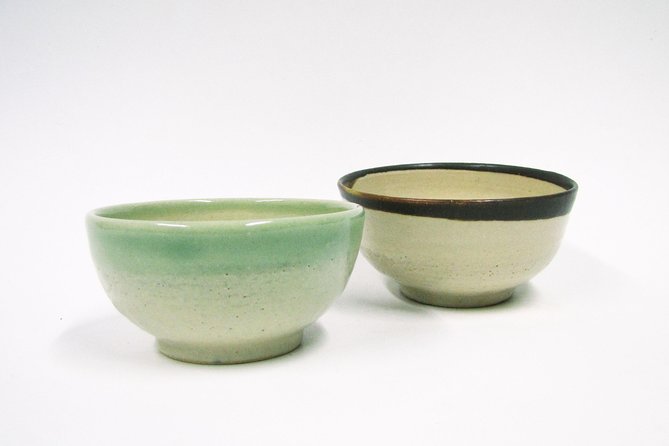
The information says it takes about one month to prepare the works after making. That means your pottery is not sitting in a bag waiting for you. The studio fires, finishes, and prepares for shipment.
Here’s the upside: because firing happens after the session, your job during the class is to focus on shaping and choosing colors, not on trying to control the entire process. You get guided learning now, and the studio handles the finishing steps afterward.
If you are traveling for a short trip, this can be a mental adjustment. Mark a reminder on your phone for about a month after you make the pieces. Then, when the package eventually arrives, it feels like a bonus, not a missed souvenir.
Shipping and the Brazil customs heads-up
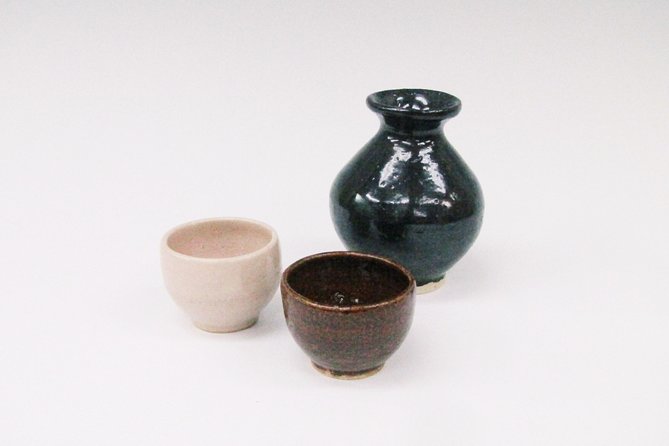
Shipping is where you need to pay attention. The class notes say EMS shipping fee is optional, which implies you can choose whether to have your finished pieces sent.
Then there is an important regional note for Brazil: due to strict customs, sending class-made pieces to Brazil has become challenging. If you are located in Brazil, the guidance is to contact the provider before booking so they can discuss alternative ways for you to receive your work.
If you are outside Brazil, you can treat shipping as an add-on option rather than a guaranteed default. You still want to confirm the shipping method and timing before you pay for anything.
The instructors and teaching style: what the praise tells you
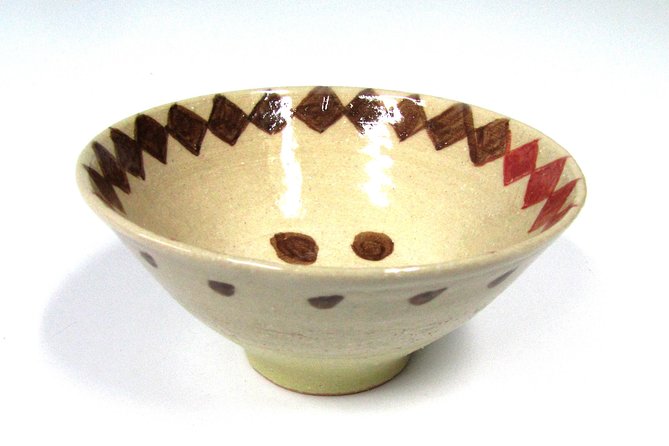
Even without seeing every class, the repeated praise gives you a good map of the experience.
- Clear instruction and patience: Many people highlight that the teachers guide you step-by-step and help fix pieces when needed. Names that come up include Mr. Hoshi, who is described as thorough and patient, and instructors like Ruth and Stephen.
- Comfort for beginners: Several reviews call out first-time pottery success, including a “first pottery wheel experience” and a supportive first-lesson vibe.
- Encouraging creativity: Reviews mention freedom to decide what you make after a quick demonstration, with help when you ask.
If you want the best results, do two things: ask for help early if your piece feels off, and decide your “keeper” pieces before you get too attached to everything. That keeps your choices aligned with firing costs.
Who this class is best for (and who should skip it)
This is a strong fit if you:
- want an intro to Japanese pottery in a single hour
- like making a hands-on souvenir with story value
- enjoy calm, guided activities as a break from Tokyo’s motion
- want a small-group class where you can get help
It is less ideal if you:
- need finished pottery immediately
- are trying to minimize all extra costs beyond the class fee
- are in Brazil and want to ship without extra coordination, given customs constraints
The reviews also suggest it can work for families, since the atmosphere is described as relaxing and supportive. Still, because firing takes time and shipping may be involved, it is best for families who can handle the wait.
How to plan your day around it near Shiba and Tokyo Tower
The meeting point is in Shiba, Minato City, and reviews mention the location feels near Tokyo Tower. That matters because Tokyo Tower is a convenient landmark when you are trying to avoid getting lost between neighborhoods.
Plan your class session as a calm block in your itinerary. Pottery involves focus and hands-on movement, and the studio atmosphere is described as peaceful. If you schedule it right after a long stretch of sightseeing, you will probably enjoy it more.
Also, keep a small buffer after class to handle any payment and choices calmly. You will be selecting pieces for firing and colors, so you want your headspace to be clear.
So, should you book it?
I’d book this class if you want a real Japanese craft experience at a reasonable entry price and you are okay with the souvenir timeline. The small-group size, the chance to make 2 to 3 pieces, and the guided instruction style are the heart of the value. The base fee is affordable, and then you simply decide how many pieces you want fired and whether you want EMS shipping.
Skip it if you are trying to pack home a finished piece the same day, or if you are unwilling to pay extra for firing. And if you are in Brazil, do not assume shipping will work like normal, contact the provider first.
If you want your Tokyo memory to be tangible, and not just another bag of snacks, this is one of the best ways to make that happen.
FAQ
How long is the Japanese Pottery Class in Tokyo?
The class lasts about 1 hour (approx.).
What is included in the $26.73 per person price?
The price covers the basic fee for the pottery trial class.
What fees are not included?
The firing fee for each selected work is not included. EMS shipping is also not included, but it is listed as optional.
Will I take my pottery home the same day?
No. You make pieces in the class, then you select which ones you want to be fired. Finished works take time, and the preparation after making is listed as about one month.
How does the class work during that one hour?
You start by writing an application form, then the instructor makes a sample. After that, you make about 2 to 3 works, choose which works you want to keep for firing, choose colors, clean up, and then complete payment.
Where do I meet, and is it near transit?
The meeting point is Shiba, 3-chōme 29-11 清水ハウス, 105-0014 Tokyo (Minato City). It is described as near public transportation, and service animals are allowed.
How long does it take after making for the finished pieces?
It takes about one month to prepare the works after making.
Is international shipping available?
Shipping is offered as an optional service via EMS (extra cost).
I’m in Brazil. Can I ship my finished pieces there?
Brazil shipments have become challenging due to strict customs. If you are in Brazil, you are asked to contact the provider before booking to discuss alternatives.
What is the cancellation policy?
You can cancel for a full refund up to 24 hours in advance of the experience start time. If you cancel less than 24 hours before, the paid amount is not refunded.
More Workshops & Classes in Tokyo

More Tour Reviews in Tokyo
Not for you? Here's more nearby things to do in Tokyo we have reviewed








Tokyo City Tours, side by side.
 ★ 5.01-Day Tokyo Bus TourFrom $12914,250 reviews
 ★ 4.5TOKYO SKYTREE® Admission ticketFrom $1311,192 reviews
 ★ 4.6teamLab Planets TOKYO Digital Art Museum Entry TicketFrom $259,779 reviews
 ★ 4.0Mt Fuji & Hakone Cruise, Drum Show Bullet Train 1 Day from TokyoFrom $1497,413 reviews
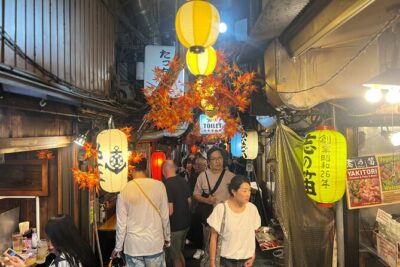 ★ 5.0Shinjuku Food Tour (13 Dishes at 4 Local Eateries)From $866,603 reviews
 ★ 4.4Tokyo Mt Fuji 5th St & Hakone Cruise Bus Tour w/Bullet TrainFrom $1545,024 reviews
 ★ 5.0Flagship 2-Hours Official Street Go-Kart Tour – Tokyo Bay ShopFrom $644,974 reviews
 ★ 4.5From Tokyo: Mount Fuji Full-Day Sightseeing TripFrom $684,970 reviews
This tour also belongs to