
Review · WORKSHOPS
Kaisendon and Sashimi Cutting Workshop
Knives, fish, and a tasty bowl. In Tokyo, Naoya Kumagai guides you through Japanese sashimi cutting and you end by making a kaisen-don that you eat immediately.
What I love most is the hands-on knife practice and the clear, satisfying payoff of building your own seafood bowl.
One thing to consider: this is a short course. You get an introduction and a focused cutting session, not a long, hands-on course in advanced sharpening.
Key highlights to watch for
- Max group size of 4, so you are not stuck watching from the sidelines
- Flour dumplings first, then you cut real sashimi
- Knife lecture and demo from Naoya Kumagai before you start cutting
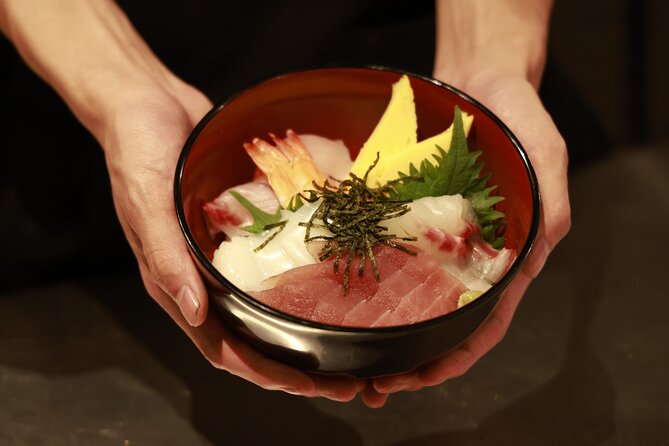
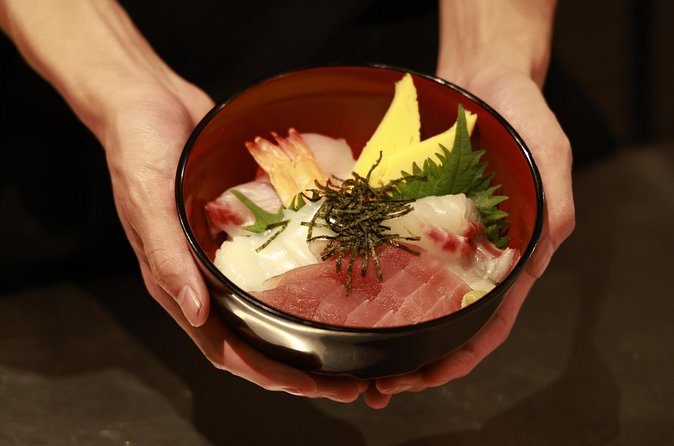
- Build a kaisen-don by topping vinegared rice with the fish you slice
- Miso soup and sake tasting time as part of the meal
- 10% off at the 1F shop on the same day as your workshop visit
A 90-minute kaisen-don class in Nishiazabu
This workshop is set up for short attention and big results. It runs about 1 hour 30 minutes, and the key idea is simple: learn the motions, cut the fish safely, then turn it into a meal you can eat while it is still fresh and warm in the sharing spirit of the class.
You meet at Kappodo H.Q / Tokyo D kitchen Studio / Cooking Workshop / Japan, in Minato City, Nishiazabu (2-chōme 21-12 DKビル, 106-0031 Tokyo). The class ends back at the same meeting point. You also get a mobile ticket, which is useful in Tokyo since you likely will be hopping between trains and walking a bit.
Group size is small, with a maximum of 4 travelers. That matters because Japanese knife skills are hard to learn by watching. In this format, you get your own cutting time and your own bowl. No mystery, no waiting your turn for too long.
More Tokyo tours and experiences for the shortlist

Flour dumplings to real sashimi: how the cutting lesson works
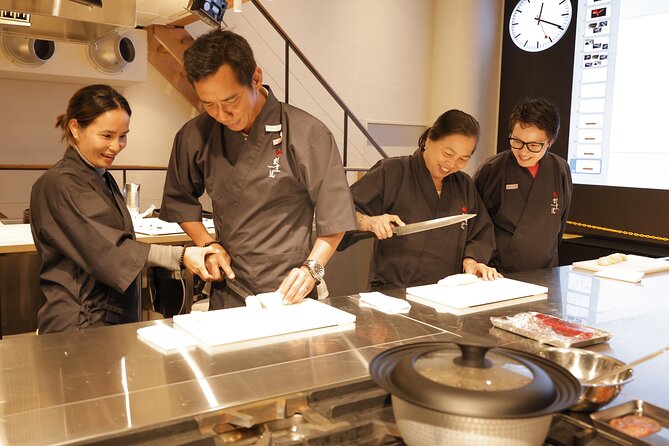
The lesson has a steady rhythm: instruction, demo, then practice that moves from easy practice to the real thing.
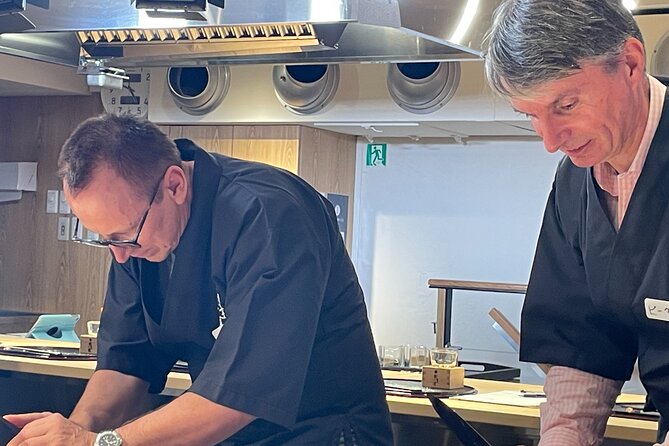
You start with a brief lecture on sashimi knives. It is not a textbook lecture, more like the basics you need to understand what you are holding and what the knife is supposed to do. Then you watch a demonstration on how to use Japanese knives, led by Mr. Naoya Kumagai.
Next comes the practice stage. The class uses flour dumplings for knife practice first. This is a smart setup. You can work on grip, angle, and control without the pressure of cutting something delicate like fish. If you are new to this, flour dumplings give you a safe way to learn how your hands and the blade cooperate.
Then it is time for the main event: each participant practices cutting sashimi with a sashimi knife. The focus stays on clean slicing and proper technique rather than turning it into a cooking show where everyone chops randomly and hopes for the best. Because the group is small, you get enough time to feel progress, not just do one quick cut and move on.
One practical benefit of this structure is that you leave with a mental map of what you are doing. You are not just memorizing a few motions. You learn the logic behind the cut, so when you see kaisendon in a restaurant later, you recognize the skill behind it.
Building your own kaisen-don bowl with vinegared rice
Once your cuts are done, you shift from knife mode to bowl-building mode. The class has you make a kaisen-don by placing your sashimi on top of vinegared rice.
This part feels surprisingly rewarding. You are not eating a meal somebody else prepared. You are assembling what you cut. Even if your first few slices are not perfect, the bowl still comes together in a way that looks like what you came for.
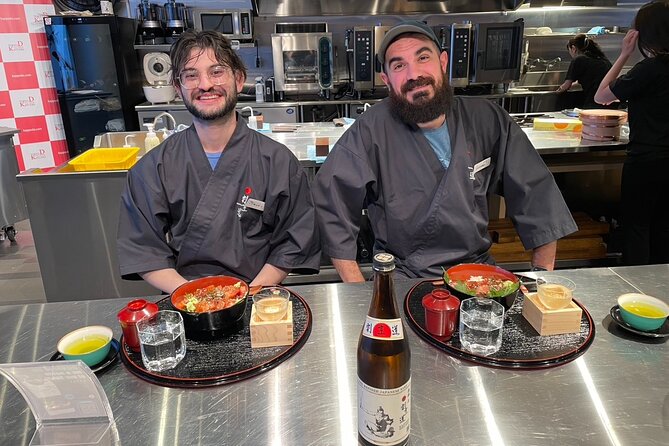
Timing-wise, the workshop is arranged so you cut, then create, then taste. After making your bowl, you get tasting time, and this is where the class becomes a full meal instead of a snack with a side of skill-building.
Miso soup, sake tasting, and the meal you actually earned
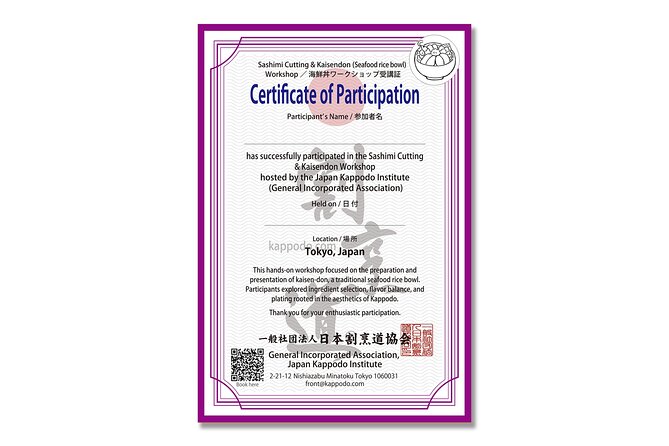
The workshop is built around the idea that the learning should land on the plate. Your handmade bowl is served with miso soup, and alcoholic beverages are included. During tasting time, sake tasting is also available, which pairs nicely with the clean, simple flavors of sashimi and rice.
If you are someone who wonders whether a food class is just performance, this is where it proves itself. A meal you shaped yourself changes the whole experience. You pay attention to texture and seasoning because you are thinking about the cut you made minutes earlier.
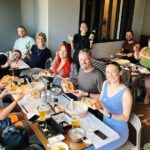
And because it is in a workshop setting, you also get that social rhythm people enjoy in small classes: people compare their cuts, laugh at the inevitable minor mess-ups, and reset quickly because the goal is practical, not perfect.
Who teaches and what the class feels like
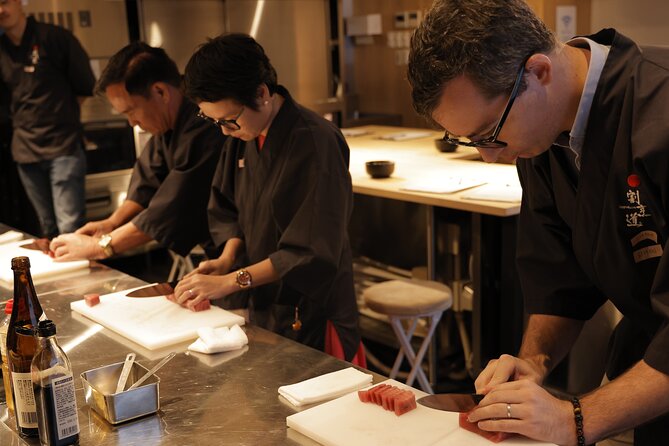
The tone of the class seems designed for real learners, not just sushi pros. Naoya Kumagai leads the knife instruction, and the experience is described as warm and supportive, with helpful guidance and English support as needed.
Two things that matter for most visitors are clarity and confidence. The format here is built to reduce intimidation. You get a lecture, then a demonstration, then practice. So when you start cutting, you are not guessing what a correct technique should feel like.
It also helps that the class keeps a light vibe. In small groups, a good instructor does two jobs: teaching technique and keeping you relaxed enough to actually try. Based on the feedback patterns tied to this experience, the teaching style leans friendly and structured, with plenty of hands-on time.






What you learn, and what you might want elsewhere
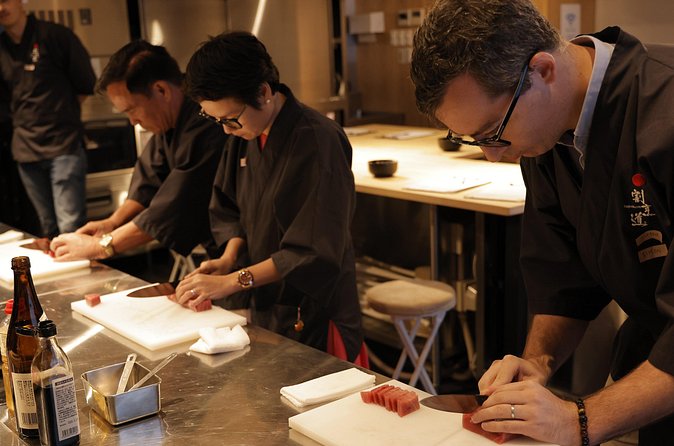
This is a short course focused on sashimi cutting practice and making kaisen-don. You will learn the basics of sashimi knife technique, plus the demonstration-driven method that helps you translate instruction into a real cut.
What you should not assume is that this is an all-in-one knife course. The workshop you are considering is centered on cutting sashimi and building your bowl within a compact time window. If your main goal is advanced knife mastery, like deeper sharpening technique and extended knife-care training, you might want to look at their other, more specialized knife workshop option mentioned as a separate class.
That is not a downside so much as a fit check. If you want hands-on results in a single sitting, this works well. If you want a long-form knife education project, plan a different class.
Price and value: why $160 can make sense here
At $160 for about 90 minutes, the price is not cheap like a casual snack tour. But the value is tied to what you actually do.
You get:
- Tools provided for the lessons
- A small-group setup (up to 4 people)
- Knife instruction and a cutting practice session on real sashimi
- The meal you make, including miso soup
- Alcohol included, with sake tasting available
- A certificate of participation
You are also supported by an English-friendly team and guided steps that help you avoid wasting your limited class time.
A lot of food experiences are mostly eating, and a lot of skill classes are mostly watching. This tries to put the weight where it belongs: you cut, then you eat what you built. That is why the price can feel fair, especially if you have a Japan trip that already includes shopping but you want something practical with a story.
The 1F shop discount and the knife-buying reality check
There is a practical perk that can matter if you are the type who reads labels and thinks about future cooking.
On the same day as your workshop visit, you can enjoy 10% off items at the 1F shop. That makes this class feel more connected to the broader knife-and-cuisine culture in Japan. It also nudges you toward informed buying, because after you have handled a sashimi knife and cut fish, shopping becomes less guesswork.
One more angle: this kind of class can help you avoid the classic mistake of buying a beautiful knife without knowing how to use it correctly. Even if you do not buy anything, you will likely understand what you should look for next time.
Practical tips so you get the most from the class
A few small moves can make your 90 minutes feel smoother:
- Arrive on time. With a tight schedule, late arrivals compress everyone else’s practice time.
- Show up curious, not perfect. Your early cuts are part of learning, so aim for control more than speed.
- Pay attention during the demo. The demonstration is meant to solve the questions you would otherwise ask while you are holding the knife.
- Use tasting time. The sake and miso soup are not an afterthought. They are part of the full meal experience.
And because the workshop is near public transportation, you can plan it without needing private transport. Just build in the usual Tokyo walking time once you exit the station.
Should you book Kaisendon and Sashimi Cutting Workshop?
Book it if you want a hands-on Tokyo experience that mixes real knife practice with an edible payoff. The small group size, the cutting progression from flour dumplings to sashimi, and the fact that you leave with a kaisen-don meal make this a strong value when you like learning by doing.
Skip it or pair it with another knife-focused workshop if your goal is advanced knife training, like long sharpening education. This class is built for cutting practice and bowl-making in a short session, so manage expectations.
If you are excited by the idea of slicing sashimi with a proper technique and then eating what you made, this is one of the more fun, practical ways to experience Japanese food culture in a single block of time.
FAQ
Where do we meet for the workshop?
You meet at Kappodo H.Q / Tokyo D kitchen Studio / Cooking Workshop / Japan, 106-0031 Tokyo, Minato City, Nishiazabu, 2-chōme 21-12 DKビル. The activity ends back at the same meeting point.
How long is the workshop?
The workshop lasts about 1 hour 30 minutes.
How much does it cost?
The price is $160.
Is this class small, or are there lots of people?
It has a maximum of 4 travelers, so you get hands-on time.
What happens during the class from start to finish?
You start with registration, then greeting and an introduction. You get a short lecture on sashimi knives and a knife demonstration. Then you practice cutting, first using flour dumplings, and then you cut sashimi yourself. After that, you make and taste your kaisen-don.
Is miso soup and sake included?
Yes. Your kaisen-don meal includes miso soup, and alcoholic beverages are included. Sake tasting is also available during the tasting time.
Do I get the tools, or do I need to bring equipment?
You do not need to bring tools. All tools used in lessons are included, and you use the sashimi knife during the practice.
Is transportation included?
No. Private transportation is not included.
What is the cancellation policy?
You can cancel for free up to 24 hours in advance for a full refund. If you cancel less than 24 hours before the start time, the amount paid is not refunded.
More Workshops & Classes in Tokyo

More Tour Reviews in Tokyo
Not for you? Here's more nearby things to do in Tokyo we have reviewed












Workshops, side by side.
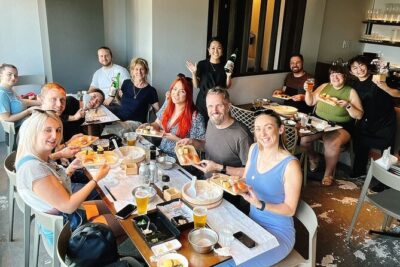 ★ 5.0Sushi Making Tokyo Roll and Authentic Japanese Sushi ClassFrom $593,971 reviews
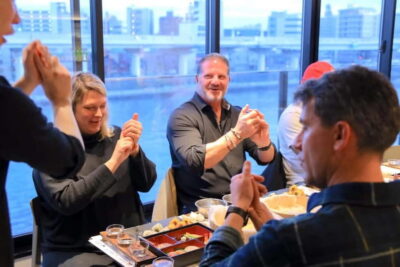 ★ 4.9Roll and Authentic Sushi Making Class in AsakusaFrom $581,957 reviews
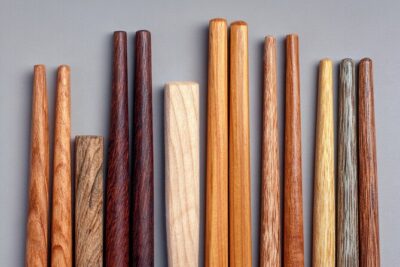 ★ 5.0Tokyo Shinjuku Chopsticks Making ClassFrom $201,763 reviews
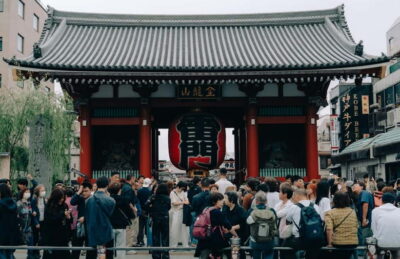 ★ 4.9Sushi Making Class in a Happi Coat near a Famous SpotFrom $421,377 reviews
 ★ 4.8Chopstick Making Workshop in GinzaFrom $251,366 reviews
 ★ 5.0Tokyo Sushi Making Class in Tsukiji with Professional ChefFrom $491,177 reviews
 ★ 5.0Ramen & Gyoza Cooking Class in Tokyo with Local Supermarket VisitFrom $122823 reviews
 ★ 5.0Matcha Making Class in Tokyo with Authentic Japanese Sweets SetFrom $21744 reviews
This tour also belongs to