
Review · KAMAKURA DAY TRIPS
Kamakura Private & Customizable Tour – All-in-One Experience
Kamakura feels easy when someone else handles the map. This private, English-led day in Honshu is built around custom itineraries and a private guide, so you can swap temples, slow down, or move faster based on your group.
Two things I really like are the planning support and the way your guide adjusts in real time. You’ll get expert-recommended stops and practical local context, but one thing to keep in mind is that entrance tickets and transport are not included, so you’ll want a little extra budget for fees and getting between sites.
Quick hits for your Kamakura custom day
- Pre-tour planning call and follow-up email: you get start time options and a proposed route based on your interests
- Flexible pacing: your guide adjusts timing for families, fast walkers, or slower mobility days
- Core Kamakura highlights, chosen your way: think Kotoku-in, Hasedera, and Hachimangu as the anchors
- Optional Enoshima extension: swap inland shrine-temple time for sea air and coastal views
- Photo support: your guide can take photos during the tour, if available
- Good value for groups with kids: children under 12 can join for free when included in booking
Why a private Kamakura day beats a rigid group schedule
Kamakura is the kind of place where you can burn time fast. Lines happen, stairs happen, and you might suddenly decide you want to linger at a view instead of rushing to the next stop.
That’s where the private format matters. With your own English guide, you’re not stuck watching the same choreography of quick photos and “next please.” If you want the calm version of Kamakura, you can aim for quieter temple moments. If you want stories and context, you can ask for more. If you want to keep moving, you can do that too.
I also like that this is not a one-size-fits-all route. Guides such as Deen, Marco, Sofia, and Lauren are repeatedly named in bookings, and the common thread is adapting to your pace and interests, not forcing everyone into the same rhythm.
You can also read our reviews of more private tours in Tokyo
The planning email game, and why it actually helps
The best part of this tour starts before you ever step outside. You can book a pre-tour online consultation, and after you confirm, you receive an initial confirmation email within 72 hours with general details. Then your assigned guide sends a personal follow-up email.
That follow-up includes start time options, a proposed itinerary, and suggestions you can customize. Translation: you don’t show up on day one with a vague plan like “temples, I guess.” You arrive with a route that makes sense for what you care about most.
This matters even more if you’re traveling with kids, because you can build around attention spans and energy levels. In past bookings, guides have helped families keep a toddler comfortable and keep teenagers engaged, without making the day feel like a chore.
Pickup, walking, and what to budget for transport
Optional pickup is offered on foot, and it’s limited to the Tokyo, Yokohama, and Kamakura areas. There’s no private car or bus included. That means you should plan on doing some combination of walking and public transportation yourself.
A practical way to think about this: your guide handles the “where to go and what it means,” not the logistics of private transport. One traveler credited the guide for helping navigate train steps and platforms when moving from Yokohama toward Haneda, which is exactly the kind of anxiety you can avoid when someone local helps you get the details right.
Also, bring cash. The tour asks for it, and in Japan cash can still come in handy for small purchases, snacks, and certain practical stops along the way.
Choosing your perfect 2 to 8 hour length
This tour runs from 2 to 8 hours, with available starting times. That range is useful because Kamakura can be done as a short highlight loop or a full day that includes extra sights.
Here’s a realistic way to choose:
- 2 to 3 hours: ideal for a focused hits list. You can cover the big anchor sights without feeling like you’re sprinting.
- Half day: great if you want a deeper explanation at a couple of key places and time to snack and stroll.
- Full day (4 to 8 hours): best if you want room for Enoshima, plus a slower pace through the temple and shrine atmosphere.
One review specifically mentioned a 3 hour essentials focus, and that’s the sweet spot when you want the classic Kamakura feeling without taking over your whole schedule. If you want a more relaxed day, extend the time and let your guide build in pauses.
Kotoku-in and the Great Buddha: the first wow stop
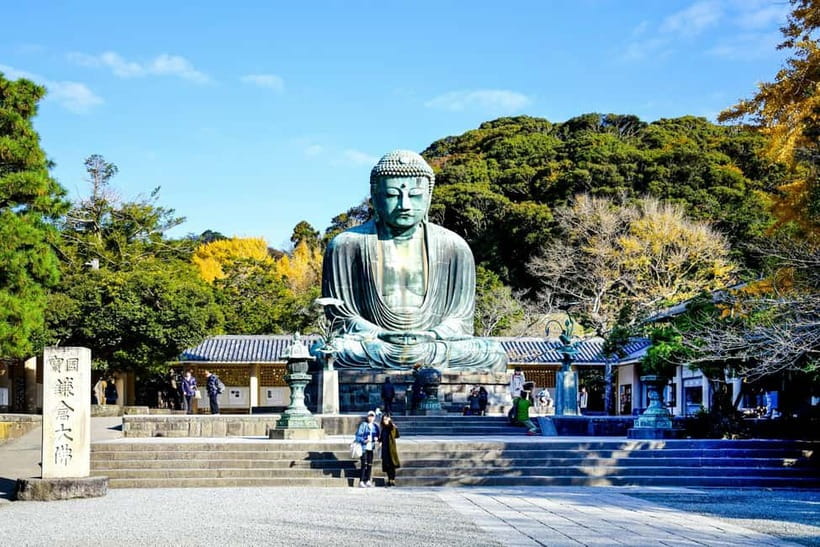
If you’re doing Kamakura for the highlights, Kotoku-in (home to the Great Buddha) is the place that sets the tone. It’s a massive, unforgettable sight, and it’s the kind of stop that makes the rest of the day feel meaningful.
In a private setting, you also get something group tours often skip: you can manage your timing. If crowds are annoying, you can aim for the moment your guide thinks works best. If your group enjoys photos, your guide can help you position and pace so you’re not fighting for angles.
The guide’s role here is also not just pointing. It’s turning the sight into something you understand: why it looks the way it does, what the setting means, and what to notice in the details while you’re standing there.
Practical note: plan on walking and likely some stairs in temples around Kamakura. Wear comfortable shoes, even if your plan feels “short.”






Hasedera temple: stairs, views, and a slower kind of power
Hasedera is where Kamakura starts to feel scenic. Expect a temple experience with a lot of stairs and changing viewpoints as you move through the grounds.
This stop is especially good for people who like nature and atmosphere along with spirituality. You’re not just looking at a statue, you’re moving through a place where the views matter, and your guide can help you decide how long to spend at each vantage point.
Two useful considerations:
- If you have low mobility or you get tired fast, this is a spot you might need to adjust. The tour is not suitable for wheelchair users, and people with low fitness levels may find the walking demanding.
- The payoff is the sense of calm you get from taking your time. In past experiences, guides have helped different paces work well, including travelers who wanted to move quickly and families who needed frequent breaks.
If you want a day that feels less like ticking boxes and more like taking in views, Hasedera is the kind of anchor that makes it happen.
Hachimangu shrine: tradition with context
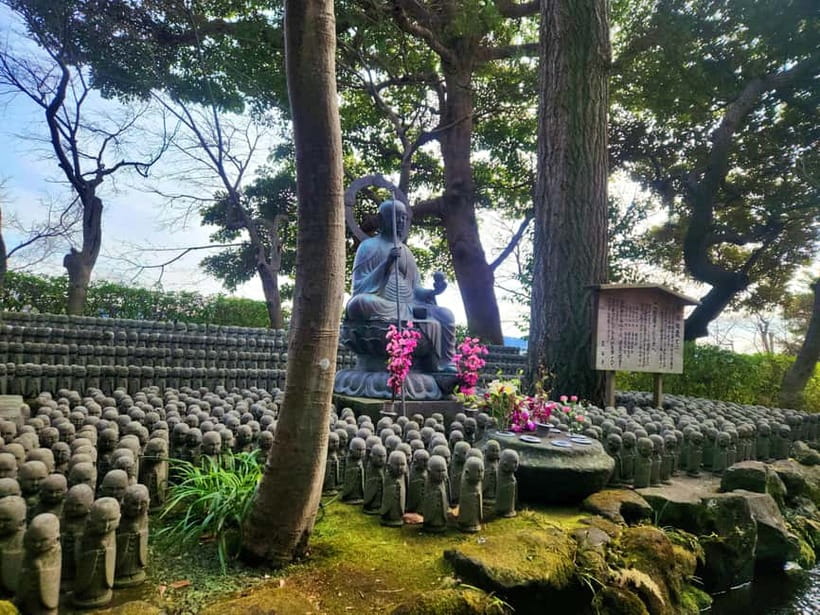
Hachimangu (often connected with Tsurugaoka Hachimangu) brings a different tone than the Buddha and temple spaces. Shrines often feel more ritual-driven, and the atmosphere can be surprisingly personal once you understand what you’re seeing.
In private time, you can ask questions and get answers that match your curiosity level. Some guides have studied religious topics and can go more in-depth if you want, while still keeping things digestible if you do not.
One of the best parts of having a local guide at Hachimangu is cultural context. It’s not just history dates and names. It’s practical meaning: how people behave here, what visitors often miss, and how to read the space without turning it into a lecture.
This is also a good area for your guide to recommend nearby food or a quick break, because shrine neighborhoods often pair well with casual shopping streets and snack stops.
Enoshima extension: sea air when you want a change of pace
Enoshima is the kind of add-on that changes the mood of your day. Instead of staying fully in inland temple rhythm, you can mix in an island feel, with coastal scenery and a different texture to the sights.
In custom bookings, Enoshima comes up as an optional extension for travelers who want variety, not just more shrines. If you’re building a longer day, Enoshima can also help you avoid that feeling of seeing the same style of site repeatedly.
I like it for couples and families because it gives you a natural break from walking through temple grounds. It also offers plenty of photo moments if that’s part of your travel day.
The key is matching it to your timing. If you choose a shorter tour, Enoshima might not fit. If you choose more time, it can turn your Kamakura day into a fuller circuit.
Food stops, photo help, and the practical tips that save time
A private guide is useful when it comes to food and small logistics. You can plan around what you like, and you don’t have to guess where to go.
In past tours, guides have provided food recommendations that fit the pacing of the day. That can mean finding something easy when you’re between temples, or helping families deal with preferences and restrictions without derailing the route.
Photos are another real-world win. The tour includes photos taken by your guide during the tour (if available). That matters if you’re traveling as a couple or solo, because it’s hard to get good shots of yourself in crowded places. One booking also pointed out the value of an additional photographer-style moment, where you get images that feel more intentional than quick phone snapshots.
Even if you’re not focused on photos, the guide’s presence helps with the small stuff. People have been helped with carry-on movement, patience with stairs and pacing, and getting directed to the right station platforms. Those are the tiny details that make the day feel smooth.
Value at about $51 per person, and what makes it worth it
At around $51 per person, this is priced like a guide-led experience, not a full transportation package. That’s not a bad thing. It’s actually part of the value math.
Here’s the trade:
- You’re paying for a private English guide, custom planning support, and flexibility.
- You are not paying for private transport or entrance tickets.
So the real cost depends on your group and how you handle transit and fees. If you’re a couple or a family, private guidance can still be a great deal because one person’s guide fees replace the hassle of coordinating a DIY plan, plus you gain context that makes the stops feel more than just scenic.
Children under 12 join for free if you include them in booking. That can turn this into a smart option for families who would otherwise end up paying adult guide costs for everyone.
My advice: budget for entrance tickets and any transit you need between stops. Then consider what you’re saving. In a day like Kamakura, saving effort can be worth more than saving a few dollars.
Who this Kamakura private tour is best for
This tour fits best when you want structure without rigidity.
It’s a strong match if you’re:
- Traveling solo and want an easy way to understand Kamakura without getting lost in logistics
- A couple who wants a smooth day with time for photos and explanations
- A family that needs flexible pacing, kid-friendly patience, and practical breaks
- Visitors who want to customize themes, like nature and culture, rather than just hit the biggest names
It’s less suitable if:
- You use a wheelchair, because the tour is not suited for wheelchair users
- Your group has low fitness, since you should expect walking and stairs, especially around temple areas
Should you book this private Kamakura tour?
If you want Kamakura to feel personal, not pre-scripted, I think this is a smart way to go. The combination of custom itinerary planning, a private English guide, and flexible pacing is exactly what turns a day of temples into a day you actually remember.
Book it if your group benefits from adjustments, like families with kids, people with different walking speeds, or travelers who want story plus guidance on where to go next. Skip it if you want a fully packaged day with transport and tickets included, because you’ll handle those costs and logistics yourself.
If your goal is a Kamakura day that runs on your timing and your interests, this is the kind of tour that pays off fast.
FAQ
How long is the Kamakura private tour?
The tour duration is listed as 2 to 8 hours. Starting times depend on availability.
Is the tour guide available in English?
Yes. The live tour guide speaks English.
Does the tour price include entrance tickets?
No. Entrance tickets are not included.
Is private transport included?
No. Private transport such as bus or car is not included.
Is hotel pickup available?
Optional pickup is available on foot, and only within Tokyo, Yokohama, and Kamakura areas.
Can children join for free?
Yes. Children under 12 can join for free if you include them in the booking.
Are photos included?
Photos are included if available. The tour includes photos taken by your guide during the tour (if available).
What should I bring?
Bring comfortable shoes and cash.
What are the operating hours?
Operating hours are 9:00 AM to 6:00 PM (JST, UTC+9).
What is the cancellation policy?
You can cancel up to 24 hours in advance for a full refund.
More Private Tours in Tokyo
More Tours in Tokyo

More Tour Reviews in Tokyo
Not for you? Here's more nearby things to do in Tokyo we have reviewed












Kamakura Day Trips, side by side.
 ★ 4.5Kamakura & Enoshima Day Trip including Temple TicketsFrom $581,375 reviews
 ★ 4.5Mt. Fuji, Kamakura, Big Buddha, & Lake Ashi Day TripFrom $49867 reviews
 ★ 4.5From Tokyo: Kamakura & Enoshima 1-Day Bus TourFrom $66189 reviews
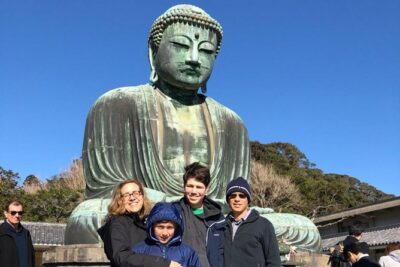 ★ 5.0Kamakura Historical Walking Tour with the Great BuddhaFrom $98129 reviews
 ★ 5.0Kamakura Private Tour: Temples, Nature, and the Great BuddhaFrom $98121 reviews
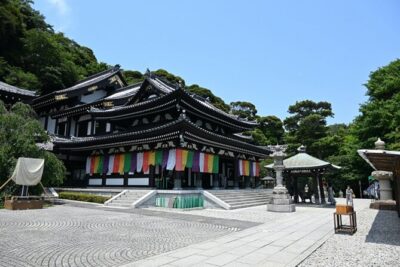 ★ 5.0Kamakura Walking Tour – The City of ShogunFrom $35100 reviews
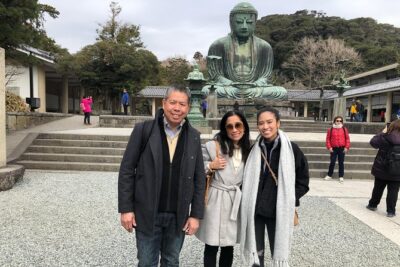 ★ 5.0Kamakura 8 hr Private Walking Tour with Licensed Guide from TokyoFrom $20180 reviews
 ★ 4.1Kamakura & Enoshima Day Tour with Pickup & Train RideFrom $1361 reviews
This tour also belongs to