
Review · KAMAKURA DAY TRIPS
Kamakura&Enoshima Tour to-and-from Tokyo, Yokohama, up to 12
Kamakura feels like a time machine. This private day trip strings together temples, a samurai-era shrine, and Enoshima Island views of Mount Fuji, all with a flexible route from Tokyo or Yokohama.
I like the way the live English driver-guide keeps the stops meaningful, especially when you reach Tsurugaoka-Hachimangu and learn why Minamoto Yoritomo is central to the story. I also like the private vehicle part, because it saves you from the train-and-transfer grind and keeps the day moving.
One thing to plan for: entry fees and food are not included, so you will pay extra during the day. If you get motion sickness, this tour may be a tough fit since it runs by vehicle for a full 9 hours.
Key things I’d circle before you book
- Private transport from multiple cities (Tokyo, Yokohama, Odawara, and Maihama)
- A tight temple lineup with Hokoku-ji, Tsurugaoka-Hachimangu, Kōtoku-in, and Hase-dera
- Powder tea at Hokoku-ji as part of the temple experience
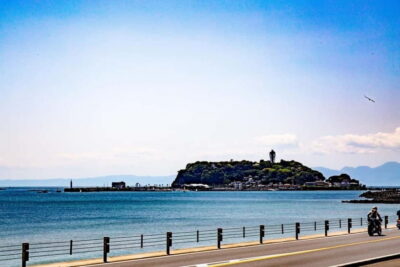
- Mount Fuji views from Enoshima Island, with time for the Enoshima Shrine area
- Seasonal flexibility, since temple gardens may shift depending on bloom timing
Why Kamakura and Enoshima feel worth a full 9-hour day
Kamakura is one of those places where you can almost sense the layers of time. In one day, you get Buddhist temples, Shinto shrine culture, and coastal island scenery, all without feeling like you’re speed-walking through everything.
What makes this trip work is the mix. You’re not only doing one style of sightseeing. You’re moving from bamboo and Buddha halls, to the spiritual anchor of Tsurugaoka-Hachimangu, to Enoshima, where Mount Fuji often shows up in the background.
You can also read our reviews of more tours and experiences in Tokyo.



Private pickup in Tokyo or Yokohama, and why it matters
This tour is built around using a private vehicle, not public transit. That sounds basic, but in practice it changes the whole day, because you lose less time waiting, transferring, and rerouting when plans shift.
You also get multiple pickup and drop-off options. Think Tokyo, Yokohama, Odawara, and Maihama. That last one matters if you’re coming from the cruise side of the Tokyo area, because Maihama is listed as suitable for cruise voyagers.
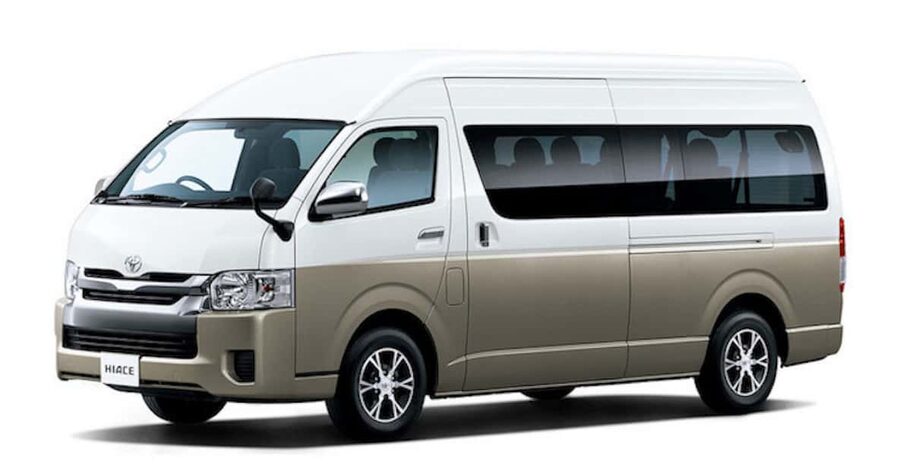
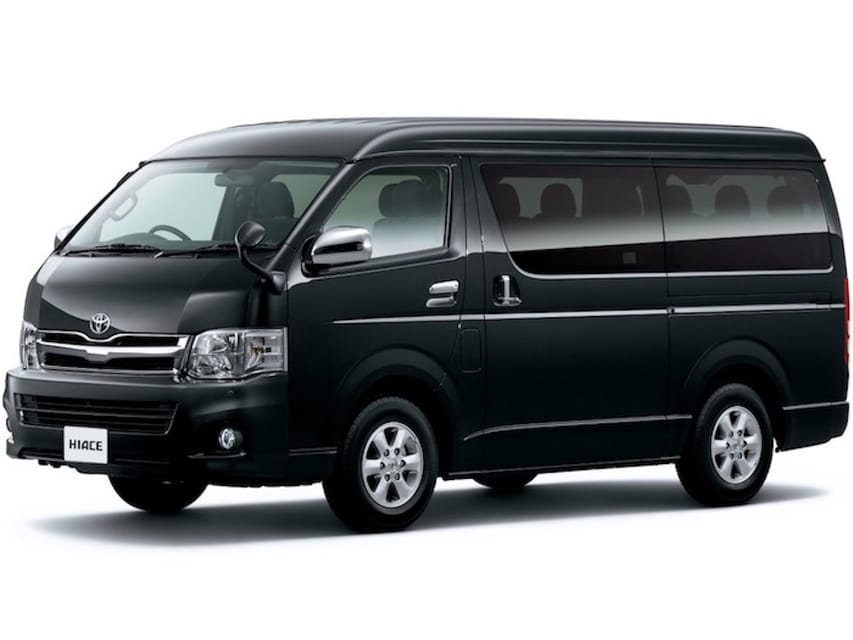
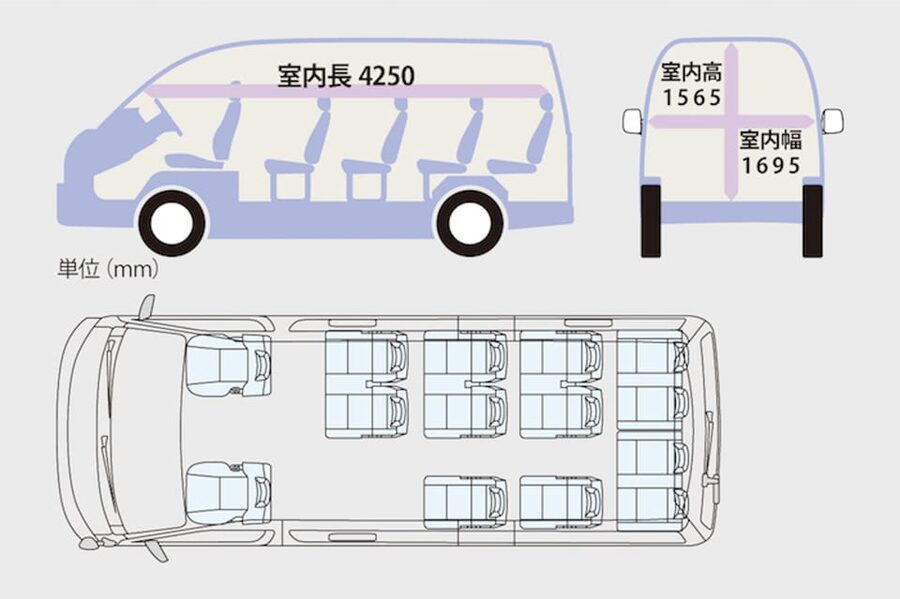
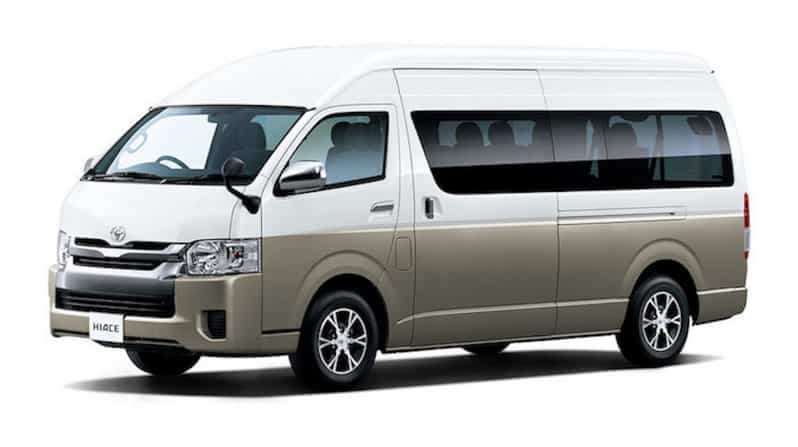
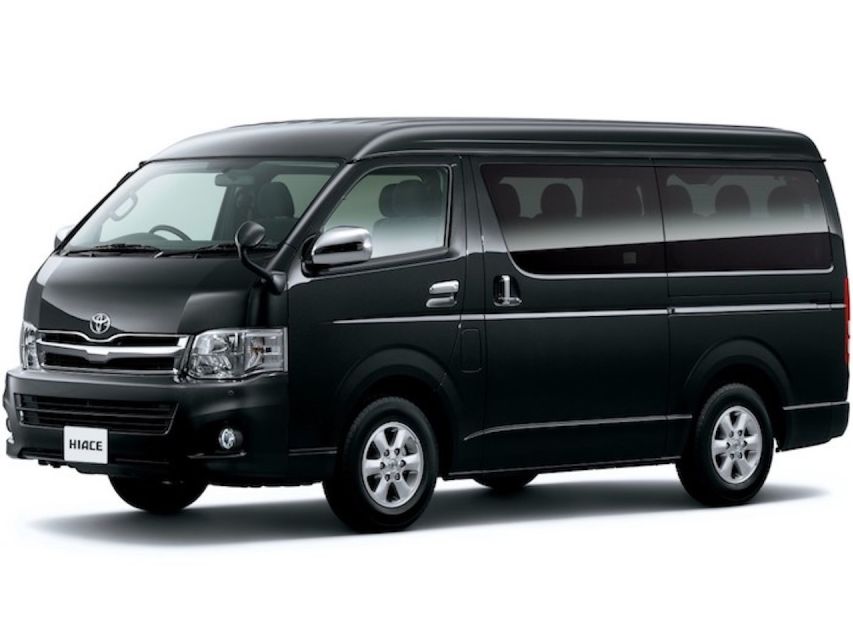
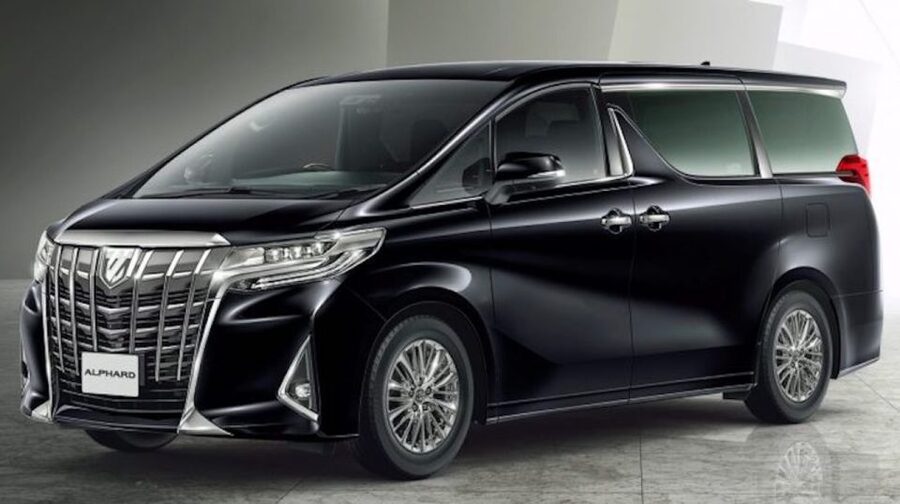
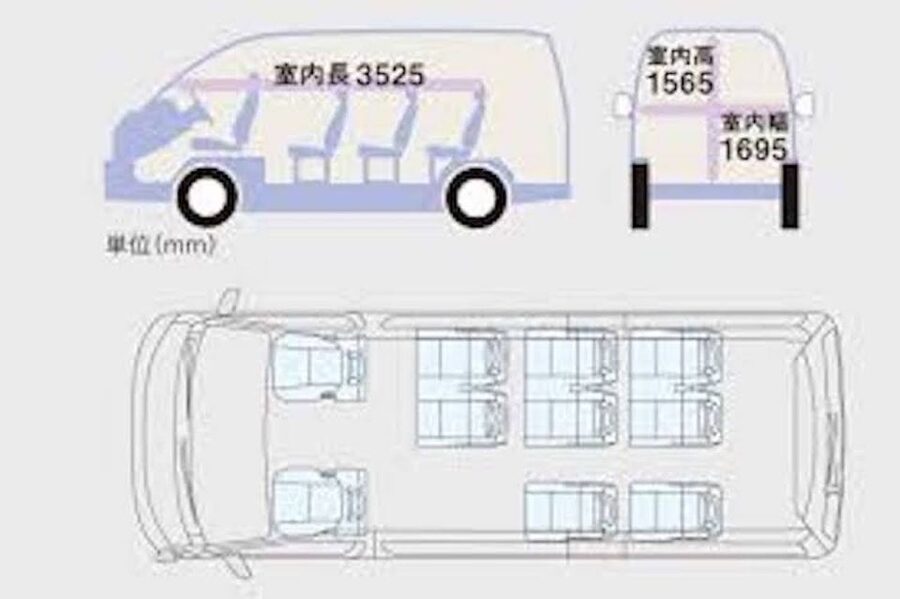
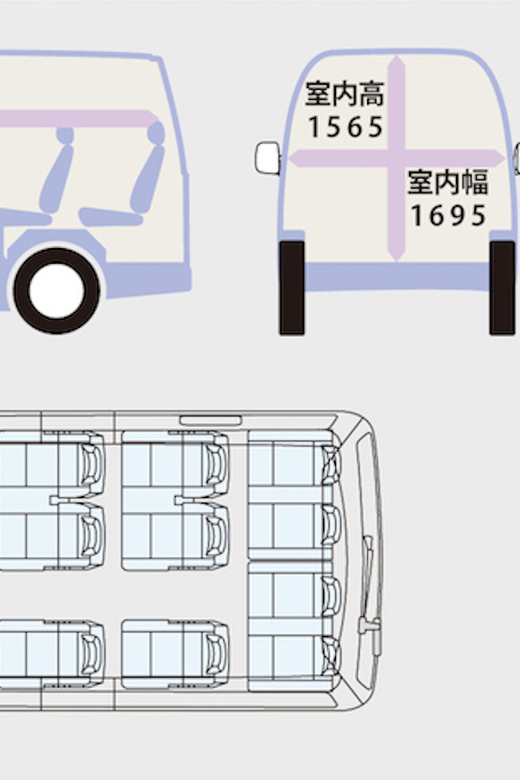
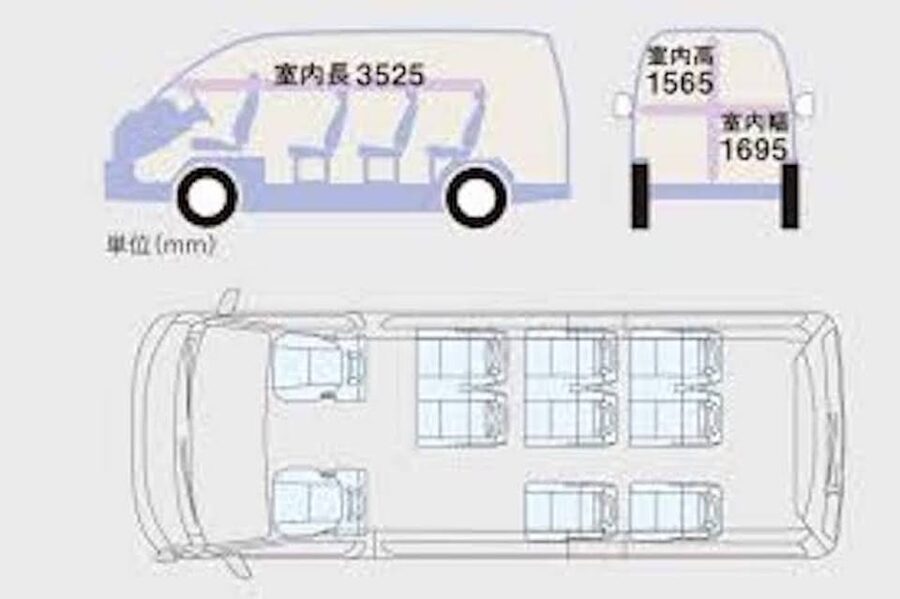
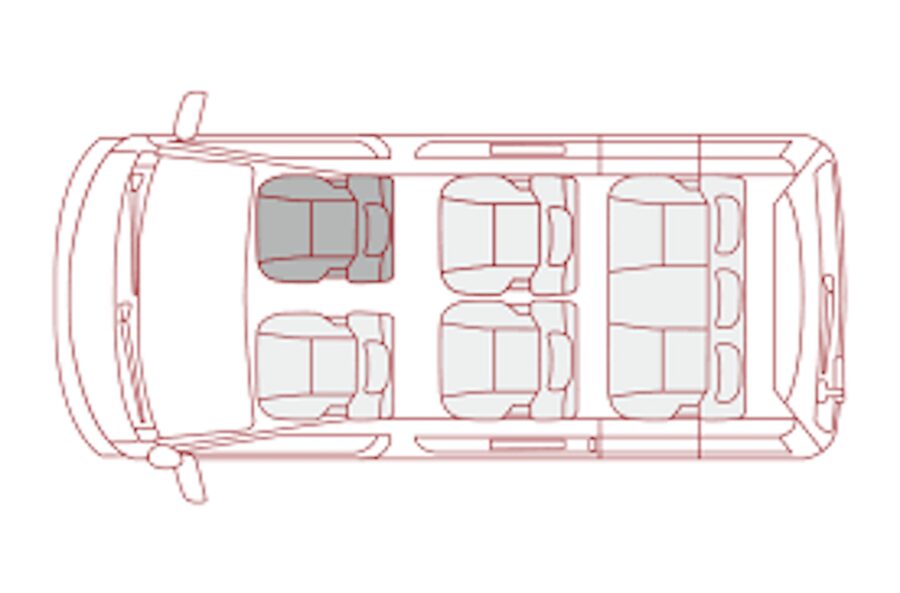
For vehicle size, it scales with your group. Small groups use a minivan, larger groups use a minibus. If you have a lot of luggage, request a size-up if needed so everyone stays comfortable.
Hokoku-ji bamboo temple and the powder tea pause
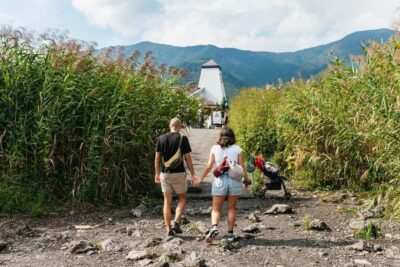
Your day kicks off at Hokoku-ji, with about 45 minutes to take it in with a guide. The headline here is the bamboo temple vibe, and you also get a break for powder tea at a café inside the temple area.
I love how this stop doesn’t just say see a building and move on. Tea is slow food for the mind. It also gives you a natural moment to reset, especially if you’re starting from Tokyo or Yokohama where the morning ride can feel longer than you expect.
Practical tip: wear shoes you can walk in for temple paths, and go into the tea pause ready to take your time. This is the kind of detail that makes the whole day feel human instead of checklist-driven.
Tsurugaoka-Hachimangu, the Minamoto Yoritomo connection
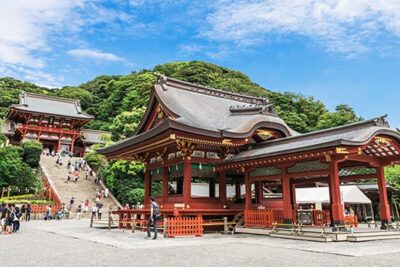
Next up is Tsurugaoka-Hachimangu. You’ll have around 45 minutes here, and you’ll get guidance while you visit.
This shrine is special because it is tied to Minamoto Yoritomo, the first shogun of samurai government. When you understand that connection, the place stops being just a pretty shrine stop and turns into a real anchor for how power and belief shaped Kamakura.
What I appreciate: you’re not just looking at objects. You’re getting a reason they matter. That makes it easier to remember what you saw later, and it helps you spot details you might otherwise ignore.
Kōtoku-in and the Great Buddha moment
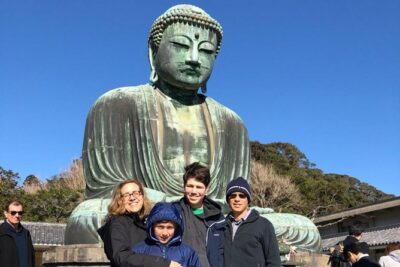
At Kōtoku-in, you spend about 30 minutes with guided visit time. This is the stop built around the Statue of the Great Buddha of Kamakura.
This is one of those sights that can feel iconic even before you arrive. The useful part of having a guide here is framing. You learn what to notice and how the statue fits into the broader Buddhist world you are seeing throughout the day.
If you like classic photo moments, this is the one you plan for. Even if the light changes, you’ll still have the chance to step back, absorb the scale, and take a few photos without feeling rushed.



Hase-dera and the Kannon Buddha, plus bloom-season changes
Then you head to Hase-dera, about 45 minutes with a guided visit. The focus is the temple’s enshrinement of Kannon Buddha, often described as a major presence in Japanese Buddhist devotion.
Hase-dera is also where the trip’s seasonal flexibility becomes real. Each temple garden has flowers that bloom in each season, and the visiting spots might change depending on what’s in season.
That matters for two reasons. First, it means you’re less likely to arrive at a “same-old same-old” day with nothing flowering. Second, it makes the tour feel like it has local logic instead of running a rigid script no matter what the month is.
Practical tip: if you’re traveling in a bloom season, be ready to enjoy slower walking time here. If you’re traveling off-season, focus on the temple atmosphere rather than hunting for flower views.
Enoshima Island, Fuji in the background, and the Ukiyo-e factor
After the temple stops, you reach Enoshima Island. The day includes lunch (about 1 hour) and then more guided time on the island.
The big draw is the scenery, especially the chance to see Mount Fuji in the background. Enoshima has also been depicted on Ukiyo-e, which are woodblock print paintings. When you hear that, you start noticing the “viewpoints” as if artists were standing where you’re standing.
The guide-led portion gives you time for the Enoshima Shrine area and shopping arcades. You’re not only looking, you’re browsing for accessories and small gadgets that fit the local vibe.
Two very practical notes:
- This is where the day can feel like sightseeing on legs, so plan your pace.
- If weather plays games with visibility, don’t treat Fuji as a guarantee. Still, the island itself usually gives you plenty to enjoy.
Lunch in a local spot, and how to budget for food
You get a lunch break on Enoshima, and the day is designed around eating locally. Local specialties you might find include seafood or rice and curry, depending on what the restaurant offers.
Food and drinks are not included in the tour price, so treat lunch as an extra cost you should budget for in advance. I like that this setup lets you eat what local places do best, instead of feeling locked into a tourist set meal.
If you have dietary needs, the tour info does not list specific meal accommodations, so it’s smart to communicate clearly ahead of time and be flexible on restaurant choices.
Shopping arcades near Enoshima Shrine, small finds included in the day
One of the underrated reasons to do this tour is that you do get actual time for the shopping arcades that lead toward Enoshima Shrine. You’ll have a guided sightseeing block on Enoshima that includes the chance to pick up accessories or small gadgets.
I like these moments because they’re not “shopping as an interruption.” They’re a natural way to spend time after temple concentration, plus you’re buying souvenirs connected to what you just experienced.
If you travel light, this is an easy place to spend a little and still keep your suitcase manageable.
Price and value when you split the cost by group size
The price is listed as $878 per group, up to 12 people. That means the real value depends on how many people you bring.
- If you fill the group to 12, it works out to roughly $73 per person.
- If you travel as a smaller group, the per-person cost climbs, but you still get the private vehicle and live English guidance benefits.
What you’re paying for is not just transport. You’re paying for a guided flow through multiple major sites, done privately so your day stays efficient. Entry fees and food are extra, but transportation, the driver-guide, and the private flexible structure are included.
In my view, this is strongest value for families, small groups of friends, and people who want a calmer plan than trains plus walking plus timing games.
Who this Kamakura and Enoshima private tour fits best
This works especially well if you want a day with clear structure but still allow for adjustments. The tour can be customized to fit what your group wants, and temple garden stops may shift depending on season.
It’s also a strong fit for people who prefer a guide who can handle logistics and pacing. Your driver-guide includes the expertise, while you enjoy the temples and viewpoints without constantly checking routes.
Wheelchair accessibility is listed, so it’s worth considering if mobility is a concern. That said, the tour includes multiple sightseeing locations, so you’ll still want to think about how much walking is realistic for your group.
If you have motion sickness, note that this tour is not suitable for you, since it’s a vehicle-based day trip.
Should you book it? My decision rule
Book it if you want a private day that hits the highlights of Kamakura and Enoshima without feeling like a rushed hop between train stations. This tour is designed for efficiency, and the added touches, like powder tea at Hokoku-ji and the guide-led meaning behind Tsurugaoka-Hachimangu, make it feel more than just transportation.
Skip or rethink it if your budget can’t stretch for entry fees and food on top of the group price. Also reconsider if motion sickness is an issue, since the day is vehicle-heavy and runs about 9 hours.
FAQ
FAQ
How long is the Kamakura and Enoshima tour?
The duration is 9 hours.
What is the maximum group size?
It is a private group, up to 12 people.
What is included in the tour price?
Included are the driver-guide, transportation, and the private flexible tour.
Are entry fees included for the temples and sights?
No. Entry fees for each attraction are not included.
Is food included?
Food and drinks are not included. The schedule includes a lunch break, but you’ll pay for meals separately.
Where are the pickup and drop-off locations?
Pickup options include Odawara, Tokyo, Yokohama, and Maihama. Drop-off options match those locations: Tokyo, Odawara, Yokohama, and Maihama.
Is pickup available for cruise travelers?
Maihama is listed as a suitable pickup and drop-off point for cruise voyagers.
Is the tour wheelchair accessible?
Yes, wheelchair accessibility is listed.
Can the itinerary change based on the season?
Yes. Temple gardens can have flowers that bloom in each season, so visiting spots might change depending on the season. The tour can also be designed to fit your group’s wishes.
Is free cancellation available?
Yes. You can cancel up to 24 hours in advance for a full refund.
More Tours in Tokyo
More Tour Reviews in Tokyo
Not for you? Here's more nearby things to do in Tokyo we have reviewed












Kamakura Day Trips, side by side.
 ★ 4.5Kamakura & Enoshima Day Trip including Temple TicketsFrom $581,375 reviews
 ★ 4.5Mt. Fuji, Kamakura, Big Buddha, & Lake Ashi Day TripFrom $49867 reviews
 ★ 4.5From Tokyo: Kamakura & Enoshima 1-Day Bus TourFrom $66189 reviews
 ★ 5.0Kamakura Historical Walking Tour with the Great BuddhaFrom $98129 reviews
 ★ 5.0Kamakura Private Tour: Temples, Nature, and the Great BuddhaFrom $98121 reviews
 ★ 5.0Kamakura Walking Tour – The City of ShogunFrom $35100 reviews
 ★ 5.0Kamakura 8 hr Private Walking Tour with Licensed Guide from TokyoFrom $20180 reviews
 ★ 4.1Kamakura & Enoshima Day Tour with Pickup & Train RideFrom $1361 reviews
This tour also belongs to