
Review · TOKYO CITY TOURS
Kimono Art Workshop in Tokyo
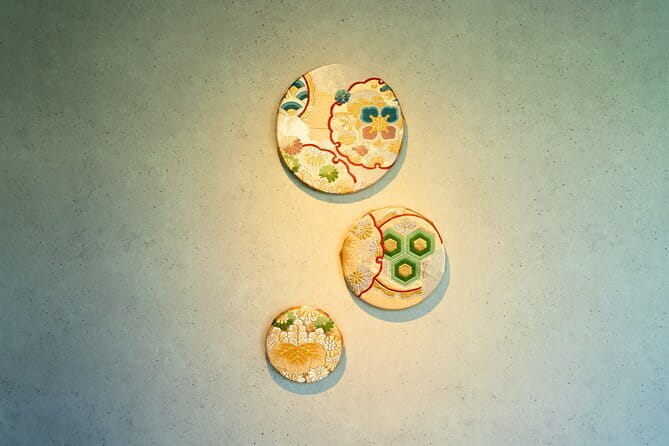
Souvenir shopping can wait. This is one of those Tokyo activities where you leave with something you actually made, a kimono art panel made from repurposed textiles. I like the idea because the workshop blends kimono culture with hands-on craft, not just a quick demo.
I also like that the materials are pulled from vintage kimono fabrics. You pick the fabric and pattern you want, then your instructor helps you turn it into a take-home art piece, while also explaining how kimono designs vary by region.
One thing to consider: there’s no hotel pickup, and the workshop ends back at the meeting point. So you’ll want a smooth transit plan and to arrive on time at Hatchobori.
Quick Hits
- Small group, max 6: You get more attention while you choose fabric and assemble your panel.
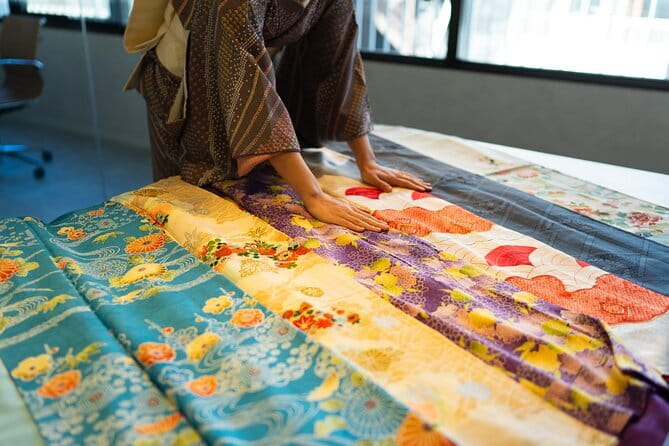
- Pick regional styles: Options include Bingata from Okinawa, Oshima Tsumugi from Amami, Kaga Yuzen from Kanazawa, and Kyo Yuzen from Kyoto.
- Repurpose authentic vintage textiles: You turn fabrics that were no longer serving their original purpose into something new.
- A true keepsake: You’ll create a panel you can hang at home or give as a gift.
- English-friendly instruction: Reviews specifically mention instructors who speak English clearly and helpfully.
Getting Oriented in Hatchobori (No Pickup, Plan Your Route)
The workshop meet-up is in Tokyo’s Chuo City area, at Hatchobori Third, 3-chōme, Hatchōbori. Your activity starts there and ends back there, so think of it as a focused, local experience rather than part of a hotel-based sightseeing loop.
Because pickup and drop-off aren’t included, you’ll want to build in buffer time for transit and walking. This is also one of those activities where showing up late can mess with the class flow, since the workshop is about 1 hour 30 minutes total. I’d aim to arrive early, get oriented, then settle in before the lesson kicks off.
The good news: it’s listed as near public transportation. So even if you’re hopping between Tokyo neighborhoods that day, it’s usually not hard to get there with a bit of planning. The workshop also uses a mobile ticket, which is convenient once you’re in the city and already using your phone for everything else.
More Tokyo tours and experiences for the shortlist



What You Make: A Kimono Art Panel You Can Hang or Gift
You’re not making a costume or renting a full kimono. Instead, the workshop outcome is a finished art panel featuring the fabric and design you choose. That matters because it changes what kind of souvenir this is.
In practice, you’ll select from a variety of vintage kimono fabric and pattern options, then repurpose them into your own panel under the instructor’s guidance. Your instructor helps you use simple techniques to create something that looks intentional, not like a rushed craft project.
This is why the workshop works so well as a travel memory. A photo fades. A purchased trinket gets shoved in a drawer. A framed textile-style panel gives you something visible and personal, especially if you decorate with Japanese-inspired art or you like giving handmade gifts.
From the reviews, people also talk about the finished piece as wall art and as something nice to present to family and friends. If you want a souvenir that feels personal and useful at home, this hits that sweet spot.
The Lesson Part: How Regional Kimono Styles Shape the Design
The class starts with an engaging lecture focused on kimono culture and traditional styles across Japan. The key idea here is not just what a kimono is, but why patterns and variations differ.
What you’re hearing about is essentially a map of design choices, tied to regions. The workshop specifically calls out that you’ll learn about signature patterns and variations by area of Japan, which is exactly what most people miss when they only know the general term kimono.
I like that this knowledge is paired with a craft outcome. You’re not just absorbing facts. You’re choosing fabric options while the instructor explains what makes those patterns culturally meaningful. That makes your final panel feel like a decision, not just a random selection.
And it’s not a lecture-only situation. Reviews mention the instructors covering both the history and how kimonos are still worn today, and they describe the experience as informative without feeling rushed. So if you’re hoping for learning that feels relaxed and practical, this structure is a good match.
Fabric Picking Time: Bingata, Oshima Tsumugi, Kaga Yuzen, Kyo Yuzen
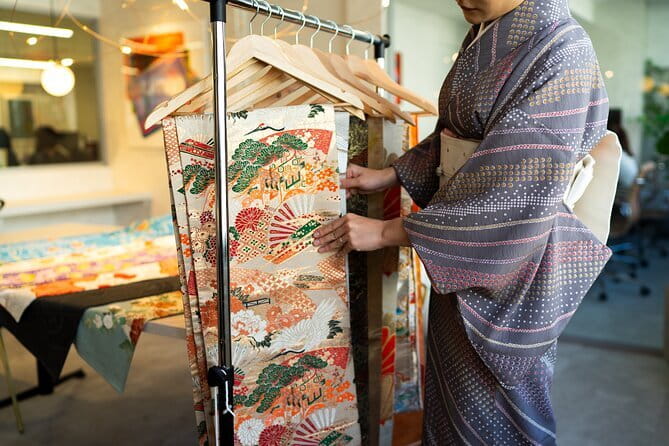
The workshop gives you a set of fabric choices linked to different regions, including Bingata from Okinawa, Oshima Tsumugi from Amami, Kaga Yuzen from Kanazawa, and Kyo Yuzen from Kyoto. You’ll pick the fabric and pattern that you like best, then build your art panel around that choice.
This is where the experience feels especially personal. You’re not just making a souvenir, you’re selecting the visual story you want your panel to tell. If you’re the kind of traveler who wants your Tokyo trip to include more than one Japanese theme, this is a smart way to spread that theme across the country in one workshop.
From the reviews, people also mention picking obi fabric and fabric combinations they loved. That’s a sign the selection isn’t just limited or basic. You get enough choice to create something that actually feels like you.
One practical note: since this is a 1 hour 30 minutes activity, your fabric choice happens within that timeframe. If you tend to overthink decisions, go in with a plan. For example, decide in advance whether you want something that looks more formal and patterned, or more playful and bold in color. Then let your instructor help you adapt those preferences into the panel design.
Making It in 90 Minutes: Simple Techniques, Real Guidance
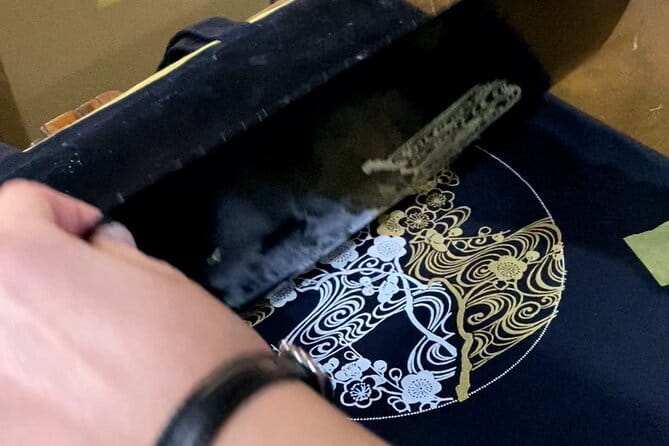
After you choose your fabric, you move into the hands-on part: creating the kimono art panel with your instructor’s guidance. The workshop is designed for beginners, and the “simple techniques” piece is important because it keeps the class from turning into a test of craft skills.
The review feedback is consistent on one point: the instructors give clear instructions. People mention that seating is comfortable and directions are easy to follow, and that the instructors are friendly and helpful.
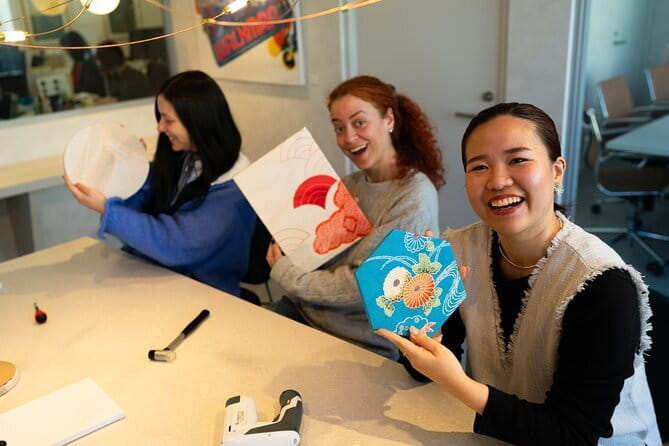
Also, the group size cap matters here. With a maximum of 6 travelers, the instructor can check in and troubleshoot as you work. In small classes, you get less time lost to waiting, and you’re more likely to get unstuck if you hit a moment of confusion.
The experience also has a calming rhythm, which you can see in reviews calling it relaxing, especially for people who wanted a break after busy days. If your Tokyo schedule is action-heavy, this is the kind of activity that balances it out.
At the end, you take your finished art panel with you. Since all materials are provided, you’re not shopping for supplies or worrying you brought the wrong tools. That makes the workshop feel like a clean, complete experience.






Price and Value: Why $58.79 Can Feel Like a Bargain
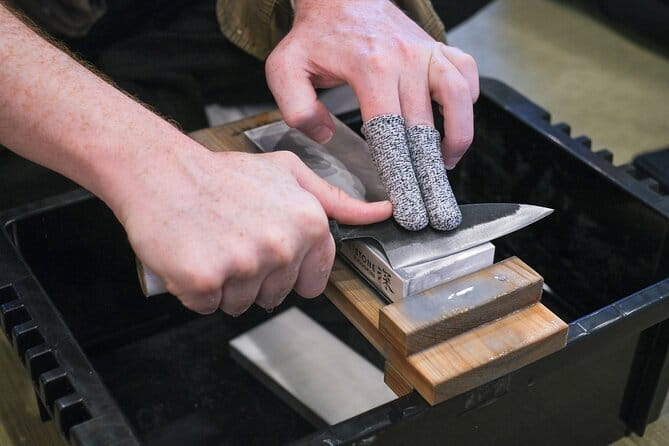
The price is $58.79 per person for a workshop lasting about 1 hour 30 minutes. That cost is easier to justify when you see what’s included.
You get:
- instruction by a kimono expert
- all materials needed for the art panel
- the workshop participation fee itself
And you get something many people struggle to find in Japan at a reasonable cost: a souvenir that is both handmade and meaningful. Yes, you can buy kimono-themed items anywhere. But this is different. You’re building a panel from authentic vintage kimono fabrics, which also adds the sustainability angle. The class repurposes textiles that were no longer serving their original purpose.
Value is not only about what you pay, it’s about what you come away with. Here, you leave with a tangible piece of art that reflects your choices, plus cultural context that helps you understand what you’re seeing when you look at patterns in real life.
In other words, the price feels fair because it covers both the creative time and the expertise. And with a small group limit, you’re not paying for a big classroom experience where questions get swallowed.
Who Should Book This Workshop (and Who Might Skip It)
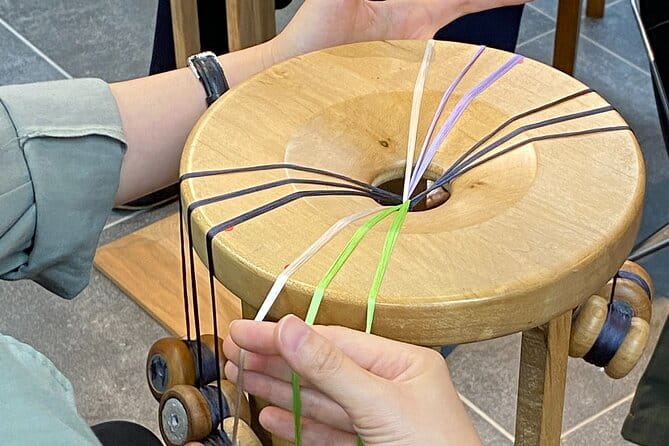
This is a great fit if you want:
- a break that feels relaxing but still hands-on
- a souvenir that looks good at home and tells a story
- beginner-friendly instruction with clear guidance
- a small class where you can ask questions
Reviews repeatedly mention a friendly teaching style, English support, and an experience that feels educational without getting heavy. People also highlight learning the meanings behind designs, then applying that understanding directly to the fabric they choose.
Who might consider skipping? If you’re chasing a more traditional, sightseeing-style kimono experience, like visiting multiple temples or watching a larger cultural show, this workshop is more focused and shorter. It’s a craft class first, with cultural learning built in. Think of it as making art, not as a full-day kimono immersion itinerary.
Practical Tips Before You Go
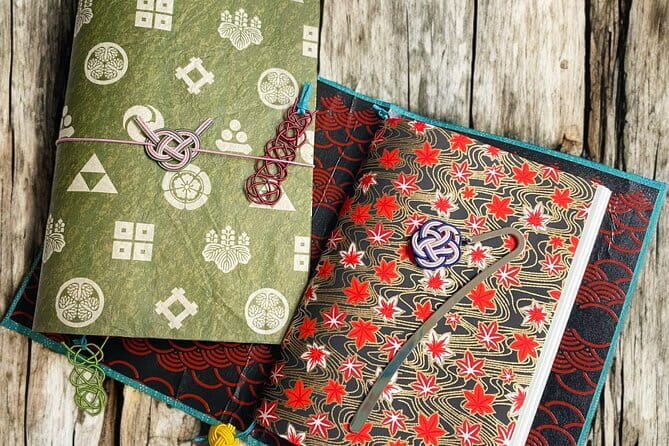
A few things will make your day smoother.
Plan your food timing. Food and drinks are not included, so eat beforehand if you tend to get hungry during workshops. The class is short, but 90 minutes can still feel long if you’re waiting for meal time afterward.
Bring your mobile ticket and show up at the meeting point near Hatchobori. Since there’s no pickup, you’re responsible for getting there yourself. The workshop is near public transportation, which helps.
If you’re traveling with a service animal, this activity allows service animals. And most travelers can participate, so it’s not limited to experts or advanced crafters.
Finally, go in with one goal: enjoy making the panel. If you’re too focused on perfect results, you may miss the calming, satisfying part that people consistently mention in their reviews.
Should You Book the Kimono Art Workshop in Tokyo?
If you like the idea of a take-home souvenir that’s actually made by you, book this. The combination of regional kimono design learning, friendly instruction (including English support), and repurposed vintage fabrics makes it both meaningful and practical.
It’s also a smart choice for travelers who want something relaxing that still feels culturally grounded. Instead of just collecting more photos, you end up with a panel you can frame or gift.
Skip it only if your main goal is a full sightseeing day or if you expected hotel pickup and a multi-stop itinerary. This is a compact, focused workshop experience in Hatchobori, and it works best when you treat it like that.
FAQ
What will I make in the kimono art workshop?
You will choose a fabric and pattern from vintage kimono options, then use simple techniques to repurpose it into your own kimono art panel. You take the finished panel home.
How long is the workshop?
The duration is approximately 1 hour 30 minutes.
Is hotel pickup included?
No. Hotel pickup and drop-off are not included, and the activity ends back at the meeting point.
What is included in the ticket price?
The price includes the workshop participation fee, instruction by a kimono expert, and all materials needed to create your art panel.
Where do I meet for the workshop?
The meeting point is Hatchobori Third, 3-chōme-14-4 Hatchōbori, Chuo City, Tokyo 104-0032, Japan.
How large is the group?
The maximum group size is 6 travelers.
Can I cancel, and do I get a refund?
Free cancellation is available. You can cancel up to 24 hours in advance for a full refund. If you cancel less than 24 hours before the start time, the amount paid is not refunded.
More Workshops & Classes in Tokyo


More Tour Reviews in Tokyo
Not for you? Here's more nearby things to do in Tokyo we have reviewed









Tokyo City Tours, side by side.
 ★ 5.01-Day Tokyo Bus TourFrom $12914,250 reviews
 ★ 4.5TOKYO SKYTREE® Admission ticketFrom $1311,192 reviews
 ★ 4.6teamLab Planets TOKYO Digital Art Museum Entry TicketFrom $259,779 reviews
 ★ 4.0Mt Fuji & Hakone Cruise, Drum Show Bullet Train 1 Day from TokyoFrom $1497,413 reviews
 ★ 5.0Shinjuku Food Tour (13 Dishes at 4 Local Eateries)From $866,603 reviews
 ★ 4.4Tokyo Mt Fuji 5th St & Hakone Cruise Bus Tour w/Bullet TrainFrom $1545,024 reviews
 ★ 5.0Flagship 2-Hours Official Street Go-Kart Tour – Tokyo Bay ShopFrom $644,974 reviews
 ★ 4.5From Tokyo: Mount Fuji Full-Day Sightseeing TripFrom $684,970 reviews
This tour also belongs to