
Review · WORKSHOPS
Manga Lesson with a Professional Japanese Manga Artist in Nakano
Drawing manga in Tokyo feels unreal. I like this class because you learn directly from a working manga artist and you get hands-on time with real production tools like screen tones and ink. The biggest thing to watch is that the school can be a little tricky to find, and while English guidance is available, some in-person communication may be limited depending on the instructor and room setup.
I also like the structure: you start with a short orientation, then build your character step-by-step through pencil, inking, blacks, highlights, and finally textures. For most people, it feels stress-free because the instructor adjusts pace and examples whether you are brand new or trying to refine your own style.
The class runs about 2 hours, includes the materials, and ends with a finished piece you can take home. That means it is not just a demo, it is a practical workshop with a clear end result, even if you only have a passing interest in manga.
Key things you’ll notice right away
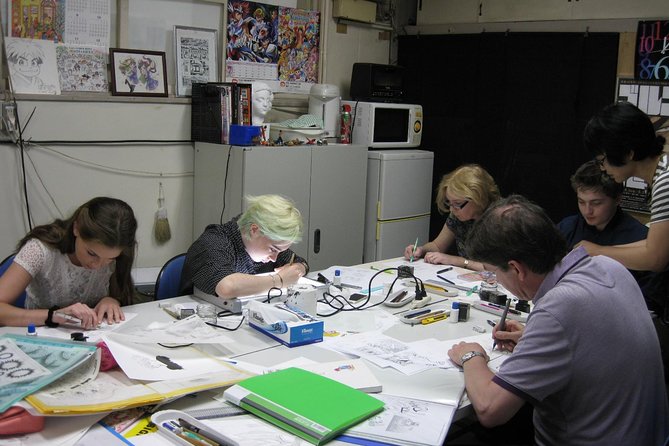
- Professional manga teaching from a working artist, not a general art class
- Real tools like manga pens, dip pens, inks, and screen tone sheets
- Step-by-step production workflow from draft to inking to screen tones
- Private, customizable pacing for solo or small groups
- Finished art to take home as a real souvenir, not a worksheet
- English instruction available with clear guidance and no interpreter needed
Where Manga School Nakano fits in Tokyo
Nakano is a smart choice if you want Tokyo beyond the usual postcard stops. This lesson puts you in a neighborhood with a lived-in feel, and it is also a great option when you want something hands-on on your trip.
You will be going to Manga School Nakano for roughly 2 hours. The school is near public transportation, so you can slot this into a day with other Nakano or central Tokyo plans without too much stress.
One practical note for your mental map: the meeting point address is specific, so I recommend saving it to your phone map app before you head out. A couple of people mentioned the location can be difficult to locate if you rely on casual directions.
More Tokyo tours and experiences for the shortlist



Meeting your instructor in the lesson studio
When you arrive at Manga School Nakano, you meet your instructor and get a brief orientation. The session starts with a short lecture covering techniques and the history of manga, which helps you understand what you are drawing and why certain steps matter.
A key detail here is that the class is taught for all skill levels. If you are a complete beginner, you are guided through the basics. If you are practicing already, the instructor can correct form and workflow so you build closer to how manga is actually produced.
In recent sessions, instructors like Nao (and Nao Yazawa in some classes) have been praised for patience and clarity. People also liked that she works with different ages and drawing levels in the same group, which is a good sign if you are bringing family.
English guidance is part of the promise here. The tour info says you can receive precise instruction in English without interpreters, which helps a lot when the process gets technical, like inking and screen tone placement.
The tools and materials you’ll actually use
This is not a class where you just sketch on generic paper. You use manga production materials, including screen tone, inks, and manga paper. You also get specialized pen nibs, with three different types mentioned in the lesson description, plus dip pens and ink.
Here is why that matters. Manga has a look that depends on consistent line weight and controlled textures. Even if your drawing is still rough, proper tools help you get closer to the style because the materials are designed for that workflow.
Screen tones are a big deal. You learn to place gray textures and effects as one of the final steps, which is when a pencil draft starts looking like real manga art. People who love manga often get excited at this stage because the textures are half the visual language.
You should also expect some process-based instruction. The teacher does not just say draw this, they show how to do it with the materials you are holding.
From pencil draft to screen tones: your real manga workflow
Your 2-hour class is built around a standard manga production sequence. You will follow it step by step, with the instructor reviewing and correcting your drawing as you go.
The process goes like this:
1) Pencil drawing (draft)
You sketch your character based on references. Beginners can choose from various manga references to copy with help from the instructor.
2) Inking
This is where pencil lines get effectively removed or de-emphasized so the ink lines become the official look of your character.
3) Painting black parts
You fill in the solid blacks. That contrast is what makes faces and outfits read instantly in manga style.
4) Correcting mistakes
If something goes off, the instructor helps you fix it within the manga workflow, not with vague suggestions.
5) Adding highlights with white ink
White ink is used to add shine and clean separation, especially on hair and certain clothing details.
6) Pasting screen tones
Finally, you add textures and effects using screen tone sheets. This is the step that turns a drawing into a finished page-style piece.
In practical terms, this workflow is valuable because it teaches you how manga artists think: draft, commit with ink, build contrast, then texture. Even if your final piece is not perfect, you end up with a repeatable method.
Also, the class is not rushed in the abstract sense. It is paced by steps. That keeps you from feeling lost, especially if you are new to inking.
A private class that adjusts to you (solo or small groups)
This activity is private, meaning only your group participates. The lesson can be customized, and you choose the tuition type based on how many people you have, including solo or small groups.
That matters because manga drawing lessons can get crowded fast. A private or small-group setup helps the instructor give precise feedback, especially during inking, where tiny line choices affect the whole look.
People have specifically liked how the instructor adjusts teaching to different ages and levels in one session. If you have one person who draws well and another who is just starting, this is the kind of structure that can prevent frustration.
If you are solo, it can also be a confidence-builder. You get full attention without needing to wait for someone else’s questions to finish first.






What you take home, and why it feels like a real souvenir
At the end of your class, you walk away with your finished manga drawing. That is a big part of the value here.
In many art classes, you might leave with a half-finished attempt or a loose idea. Here, the workflow is designed to end with a completed piece, including screen tones and finishing touches.
Some past sessions included the instructor keeping copies of student work for display and possible posting on Instagram. You can treat that as a heads-up rather than a surprise, because it signals that the school is serious about showcasing student outcomes.
Either way, you are not just learning. You are producing something you can bring home and show later, which makes it feel like you did something uniquely Tokyo, not just another activity you tried once.
Price and value: is $67.77 a good deal in Tokyo?
At $67.77 per person for about 2 hours, this can be a solid value because the price is paired with two things tourists often pay extra for elsewhere: a professional instructor and the actual manga tools.
You are also getting a private session structure. Even when you book for a small group, the class is focused on step-by-step corrections, not a big group demo. That is why the time feels efficient and why beginners tend to feel less overwhelmed than they would in a larger class.
The materials are included, and the supplies list is meaningful: inks, screen tones, specialized pens, and manga paper. That reduces the hidden cost of buying gear just to try manga drawing.
Drinks are not included, so if you need water, you will want to buy it nearby before or after the class.
For me, the best way to judge the price is this: if you want a hands-on workshop with a clear finished product and a pro artist guiding the process, you are paying for coaching plus materials, not just entertainment.
How to plan your day around the lesson
This is a 2-hour block, and it is near public transportation. That makes it easier to fit into a normal Tokyo itinerary without long detours.
If you are visiting Nakano already, this is a natural add-on. If you are coming from elsewhere, treat it like a planned appointment rather than a casual stroll. Save the meeting point address and aim to arrive a little early so you can settle before the first instructions.
If you are traveling with family, this lesson also works well. People have mentioned it as a multi-generation activity, and the instructor has been praised for handling different ages and levels in one session.
One more tip: if you care about the character you draw, decide in advance what style you want. You will choose a manga-type character and work from references, so a small bit of prep makes the time feel smoother.
Should you book this manga lesson in Nakano?
Book it if you want more than watching. I think this is a great fit if you want to actually learn the manga production steps, use real tools, and leave with a finished piece you can frame or gift.
It is also a good choice if you are traveling as a family or as a small group with mixed drawing experience. The class is designed for different skill levels, and the private setup helps the instructor tailor guidance as you work.
Skip it only if you are looking for a quick photo stop or a purely cultural lecture. This is hands-on, process-focused, and the value is in the drawing time and the finished art at the end.
FAQ
FAQ
Is this class private or shared?
It is a private tour or activity, and only your group will participate.
How long is the manga lesson?
The lesson lasts about 2 hours.
What is included in the price?
Included items are a professional manga artist and manga tools.
Do I get to take my artwork home?
Yes. You will produce a finished manga drawing and take it home as a souvenir.
What should I bring?
The tour info does not list anything you must bring. The manga tools are provided.
Is there English support during the class?
The experience description says you can receive precise guidance in English without interpreters.
Can beginners join?
Yes. All skill levels are welcome, and the instructor will tailor the lesson to you.
Where does the class start?
It starts at Japan, 165-0026 Tokyo, Nakano City, Arai, 2-chōme713 南国ビル.
Are drinks included?
No. Drinks are not included.
Can I cancel and get a refund?
Free cancellation is available. You can cancel up to 24 hours in advance for a full refund. Changes and cancellations made less than 24 hours before the start time are not eligible for a refund.
More Workshops & Classes in Tokyo

More Tour Reviews in Tokyo
Not for you? Here's more nearby things to do in Tokyo we have reviewed









Workshops, side by side.
 ★ 5.0Sushi Making Tokyo Roll and Authentic Japanese Sushi ClassFrom $593,971 reviews
 ★ 4.9Roll and Authentic Sushi Making Class in AsakusaFrom $581,957 reviews
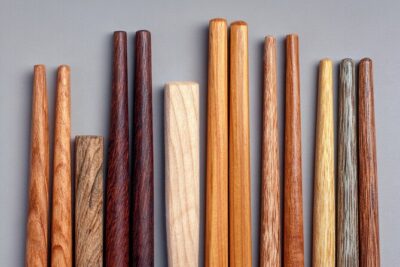 ★ 5.0Tokyo Shinjuku Chopsticks Making ClassFrom $201,763 reviews
 ★ 4.9Sushi Making Class in a Happi Coat near a Famous SpotFrom $421,377 reviews
 ★ 4.8Chopstick Making Workshop in GinzaFrom $251,366 reviews
 ★ 5.0Tokyo Sushi Making Class in Tsukiji with Professional ChefFrom $491,177 reviews
 ★ 5.0Ramen & Gyoza Cooking Class in Tokyo with Local Supermarket VisitFrom $122823 reviews
 ★ 5.0Matcha Making Class in Tokyo with Authentic Japanese Sweets SetFrom $21744 reviews
This tour also belongs to