
Review · TOKYO TEA & SAKE EXPERIENCES
Matcha table tea ceremony experience in Tokyo
Matcha at a table, not on the floor. This Tokyo table tea ceremony is a hands-on matcha lesson in Meguro with chair seating, led by master instructor Masumi Matsumoto.
I love that it is small group style, so you get real attention while you learn. I also like that you actually practice the whisk technique, not just watch someone do it.
Here is the one thing to consider: if you are expecting a silent, ultra-formal floor-style tea ceremony, this is more beginner-friendly and more interactive. Still, you get the core etiquette, history, and the satisfaction of serving tea you made yourself.
Key Things You Should Know Before You Go
- Master-led instruction from Masumi Matsumoto, a Master Instructor with the Japan Table Tea Ceremony Association
- Chair seating at a table so you are not stuck sitting on the floor
- Two-part flow: tasting matcha and seasonal wagashi, then making and serving your own tea
- Hands-on whisk practice with a special matcha tea whisk, plus step-by-step guidance
- Meguro access: a quick walk from Toritsudaigaku Station, with an easy return to the meeting point
Why Table Tea Ceremony in Meguro Beats the Classic Floor-Style
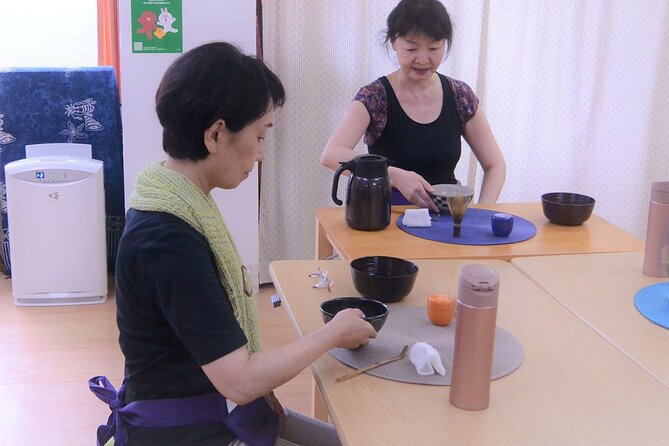
If your mental image of a tea ceremony includes sore knees and a long stretch of formal sitting on the floor, this is a smarter Tokyo option. The table version lets you do the same tea skills and etiquette in a chair, at a table, which makes it easier to focus on the real point, which is the tea process.
Meguro is also a good neighborhood for this kind of experience. It is not all neon and crowds. You can treat the class like a calm cultural reset in the middle of a travel schedule, then walk it off afterward near the Meguro River and Nakameguro area.
This experience runs about two hours, so it fits nicely when you do not want to commit to a half-day tour. You also get a tasting portion first, which helps you understand what you are aiming for before you start whisking.
You can also read our reviews of more tours and experiences in Tokyo.



Meet Masumi Matsumoto, Master Instructor of Table Tea
The instructor matters in a tea ceremony. Here, you learn from Masumi Matsumoto, listed as a Master Instructor of the Japan Table Tea Ceremony Association. That kind of credential tells you the session is not just a performance. You are being taught a method, with manners and reasoning behind it.
The small group setup supports that teaching style. With a maximum of five travelers, it is easier to ask questions and get corrections. In a class where your timing and technique actually matter, fewer people is a practical advantage, not a “nice to have.”
You are also getting English explanations, and that is a big deal for tea terms like whisking, foam texture, and etiquette. When you understand what you are doing, it sticks after the session.
If you like cultural learning that is structured but not stuffy, this matches that tone. You get guidance, humor, and a clear path from basics to doing it yourself.
Your 2-Hour Session, from Matcha and Wagashi to Whisking
This is a two-part experience, and the pacing is smart. First you taste and learn. Then you practice and serve. That order helps you avoid the common problem where people start whisking before they know what good matcha looks and tastes like.
In the first half, you will get an explanation of how to enjoy tea, and then you will enjoy matcha green tea plus seasonal Japanese sweets. The sweets are wagashi, and they change with the seasons, which means you are not stuck with one generic snack.
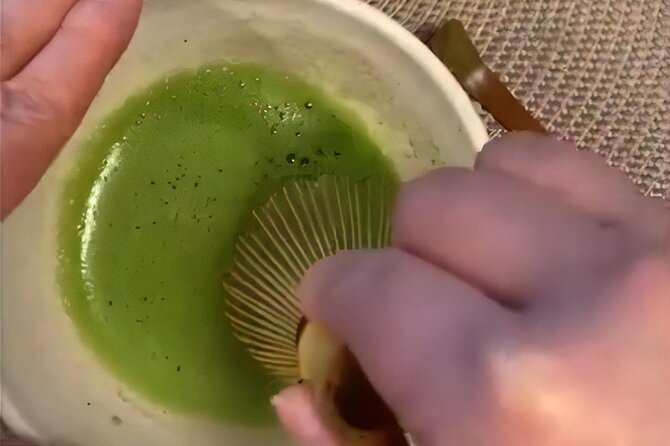
In the second half, you move from learner to participant. You will actually make tea and serve it, using the tea whisk technique you were taught. The focus is on your hands-on practice, including how to use the special matcha tea whisk properly and what to pay attention to while whisking.
The session ends back at the meeting point, so you are not dealing with confusing end locations after the class. It is a clean, self-contained plan.
The Matcha, the Whisk, and the Manners You Can Recreate
Tea ceremony is not only a flavor experience. It is also a skill and a set of manners. The goal here is practical: learn the preparations in a way you can recreate at home.
You will learn the basics of matcha preparation and the role of the whisk, including a tutorial on using a special matcha tea whisk. The point is not to make you into a matcha factory. It is to get you comfortable with the motions and the reason behind them, so your cup at home feels like your own small ritual instead of a souvenir attempt.
You also get history and spirit elements tied to matcha tea. That matters because matcha culture in Japan is not just “green powder in water.” It connects to how guests are treated, how attention is given, and how the moment is slowed down.
One more practical benefit: because you sit in a chair at a table, you can focus on the technique without spending your energy fighting your posture. That reduces the stress factor, and it makes it easier to absorb etiquette.
Wagashi Changes With the Seasons, so What You Taste Feels Current
One of the quiet joys in this kind of class is how the sweets reflect the season. You will enjoy seasonal Japanese sweets prepared by the instructor alongside your matcha. The info here explicitly notes that wagashi changes with the seasons.
That means your experience is a little different depending on when you go. Even if you have tried matcha in Tokyo before, your pairing with the seasonal sweets should feel more grounded in what is happening right now, not just a fixed menu.
The best way to approach this part is to treat it as part of the lesson. Taste the matcha first, then notice how the sweetness and texture of the wagashi play against it. When you learn etiquette in a class, you are also learning how to pay attention to simple things, in the right order.
If you have dietary limits, you should check in when booking because the session includes both matcha and sweets. The data you have does not list specific allergy accommodations, so it is worth asking.



Getting There in Tokyo: Toritsudaigaku Station and Easy Meguro Access
Location is often what makes or breaks a short cultural activity. This one is set up to be easy. It is a 2-minute walk from Toritsudaigaku Station in Meguro-ku, and the session starts at 1-chōme-9-1 Nakane, Meguro City, Tokyo 152-0031, Japan.
Meguro is a good “in-between” base for exploring. You can pair this with a stroll around the Meguro River area, or swing through Nakameguro Park if your schedule is flexible. Jiyugaoka is also mentioned in the neighborhood context, so it helps to picture the class as a break before or after a walk.
Because the tour ends back at the meeting point, you do not have to plan a complicated second transit leg right after. For a two-hour lesson, that kind of clean logistics is real value.
Price and Value for a Small Group Hands-On Lesson
At $65.04 per person for about two hours, you are paying for three things that often cost extra on their own: master-led instruction, a small group format, and hands-on matcha practice plus seasonal sweets.
If you compare tea lessons in general, the value here comes from the combination. Many experiences stop at tasting. This one includes tasting plus making and serving your own tea using the whisk technique. That practical outcome is what you will remember when you try it again later.
The small group limit of five travelers is also a cost multiplier in a good way. It is easier for the instructor to guide you and correct your technique when there are fewer people in the room.
You will also see features like a mobile ticket and group discounts. The booking trend matters too: this is often booked around 98 days in advance on average. If you want a specific day, you will have better odds booking early rather than waiting for a last-minute slot.
Overall, if you want more than a quick show-and-taste, this pricing makes sense.
Who This Tea Ceremony Fits Best, and Who Might Want to Adjust Expectations
This is best for you if you want authentic Japanese culture with structure, but you do not want the logistical discomfort that comes with floor seating. The chair-at-a-table format is explicitly designed for people who are not comfortable sitting on the floor.
It is also a strong fit if you like learning by doing. The experience is hands-on in the second half, with your own matcha and your own serving moment. That is the difference between watching tea happen and actually understanding it.
If you are traveling with kids, the teaching tone described in the experience feedback suggests families do well with the English explanations and supportive pace. Still, since the session includes both sitting and concentration, you should consider your child’s attention span.
One expectation to manage: this is a table tea ceremony, described as more casual and accessible compared with a more rigid floor-style ritual. So if your dream is strict traditional staging with no interaction, you might find this format warmer and more instructional than you imagined.
Should You Book This Tokyo Matcha Table Tea Ceremony?
Book this if you want a calm, well-guided matcha lesson in Tokyo where you learn etiquette and technique, then bring it home. The combination of a master instructor, small group size, chair seating, and whisking practice makes it a high-return cultural activity for the time.
I would also book it if you are the type who wants something real to do with your hands while you are traveling. Tea ceremony is one of those experiences where the result, a cup of matcha you made, gives instant payoff.
Skip it or adjust your expectations if you specifically want a floor-only, ultra-formal experience. This is designed to be accessible, so it focuses on learning and participation rather than pure ceremonial rigidity.
If you are going in the near future, plan ahead. With the typical booking lead time close to 98 days, popular time slots can fill.
FAQ
How long is the matcha table tea ceremony experience?
The experience lasts about 2 hours.
Where does the experience take place in Tokyo?
It is in Meguro-ku, Tokyo. The meeting point is 1-chōme-9-1 Nakane, Meguro City, Tokyo 152-0031, Japan.
Is the tea ceremony done on the floor?
No. This table tea ceremony is designed for chair seating at a table.
What happens during the first half of the session?
You receive an explanation about how to enjoy tea, then you taste matcha green tea and seasonal Japanese sweets prepared by the instructor.
What happens during the second half of the session?
You make and serve tea yourself using a tea whisk, with hands-on guidance.
How many people are in the group?
The activity has a maximum of 5 travelers.
Who is the instructor?
The instructor is Masumi Matsumoto, listed as a Master Instructor of the Japan Table Tea Ceremony Association.
Is the location near public transportation?
Yes. It is near public transportation, with Toritsudaigaku Station described as about a 2-minute walk away.
What is included besides matcha?
Seasonal Japanese sweets (wagashi) are included, and you also get history and manners related to matcha and tea ceremony.
What is the cancellation policy?
You can cancel for free up to 24 hours in advance for a full refund. Changes within 24 hours of the start time are not accepted.
More Tour Reviews in Tokyo
Not for you? Here's more nearby things to do in Tokyo we have reviewed












Tokyo Tea & Sake Experiences, side by side.
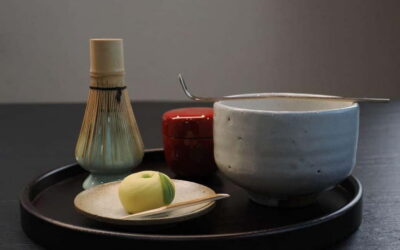 ★ 5.0Traditional Tea Ceremony with a Tea MasterFrom $38528 reviews
 ★ 5.0Sake Tasting Masterclass in Shinjuku (8+ Varieties with a Pro)From $72271 reviews
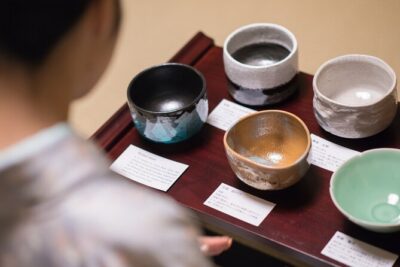 ★ 5.0Tea Ceremony Workshop in Tokyo by the Experienced InstrucorFrom $38189 reviews
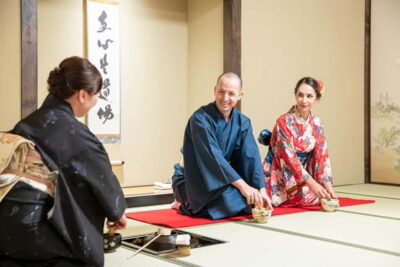 ★ 4.9Asakusa: Kimono Tea Ceremony with Matcha and SweetFrom $66153 reviews
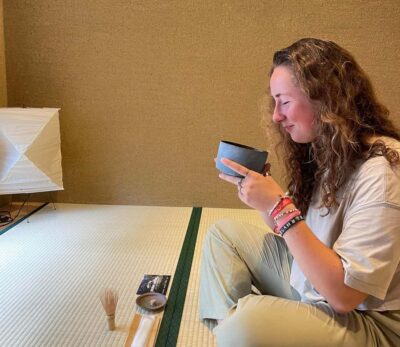 ★ 4.9Tea Ceremony Experience in a Private Tea Room in ShibuyaFrom $30125 reviews
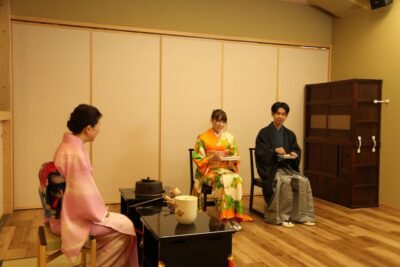 ★ 4.7Practicing Zen with a Japanese Tea CeremonyFrom $63105 reviews
 ★ 5.0Matcha Kimono Tea Ceremony in TokyoFrom $59104 reviews
 ★ 4.9Tea ceremony experience in Japanese-style room 60minFrom $4586 reviews
This tour also belongs to