
Review · WORKSHOPS
Mini Origami Lamp and Mizuhiki knot Belt Workshop in Ueno
Tokyo does crafts, and this one feels personal. In Ueno, you fold washi into a warm glowing mini origami lamp, then tie a mizuhiki knot belt ornament with meaning behind each knot. I like that it is hands on, but guided, and I also love the included Japanese paper tea and sweets that are hard to find elsewhere. One consideration: the work is detailed, so it is not a fit for very young kids.
You meet at Washi Labo Tokyo in Ueno and spend about 2 hours 30 minutes making two Japanese paper keepsakes you can actually take home. This is also a private class, so the pace can stay calm and questions are welcome.
Key things to know before you go
- Private, hands on instruction so you are not guessing your way through the folds and knots
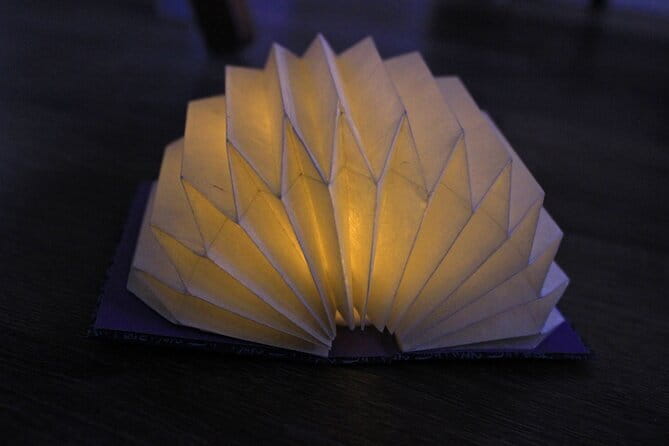
- A mini origami lamp that glows warmly, built with bellows shaped washi and a small light inside
- A mizuhiki knot belt ornament inspired by traditional decorative paper cords
- Japanese paper tea plus sweets included, including kozo based tea from the washi world
- A resident workshop cat means you should flag any allergies ahead of time
Entering Washi Labo Tokyo in Ueno, where paper is the main character
Ueno is a smart base for this kind of activity. You still get the convenience of Tokyo, but you are not stuck in the loud tourist churn. This workshop starts at Washi Labo Tokyo (和紙ラボTOKYOJapan), in Taito City, and it is listed as near public transportation, so you can pair it with other Ueno time if you want.
The vibe is small workshop, craft focus. You are not wandering a market hunting supplies, because everything you need is prepared for you. You also get a guide document to cover the washi basics, which helps if you have zero paper craft experience.
If you are the type of traveler who likes doing one meaningful thing instead of collecting five photo stops, you will probably enjoy this. It is the rare activity where your souvenir is not just purchased, it is made with your own hands.
More Tokyo tours and experiences for the shortlist



How the mini origami lamp is built, from washi folds to a warm glow
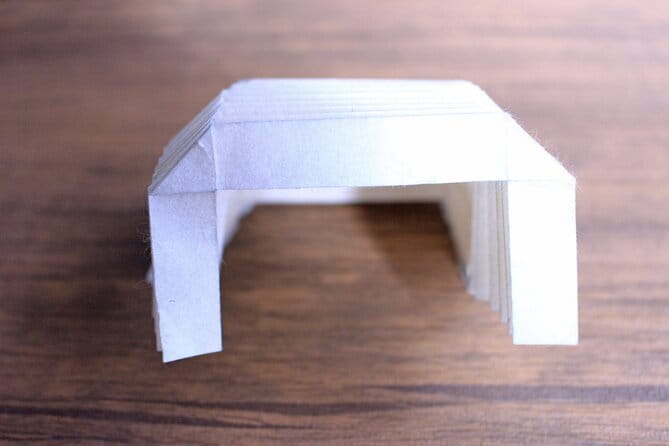
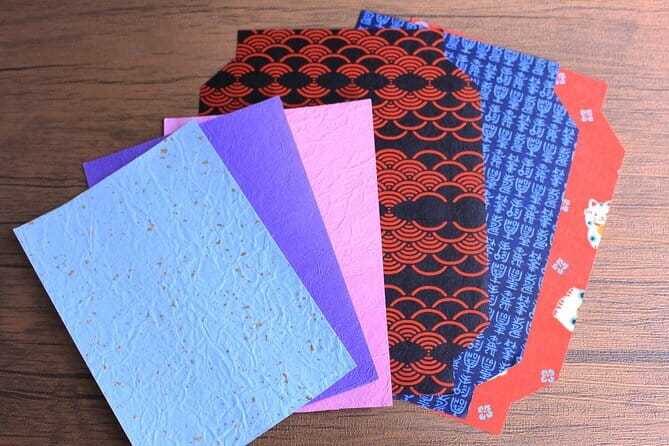
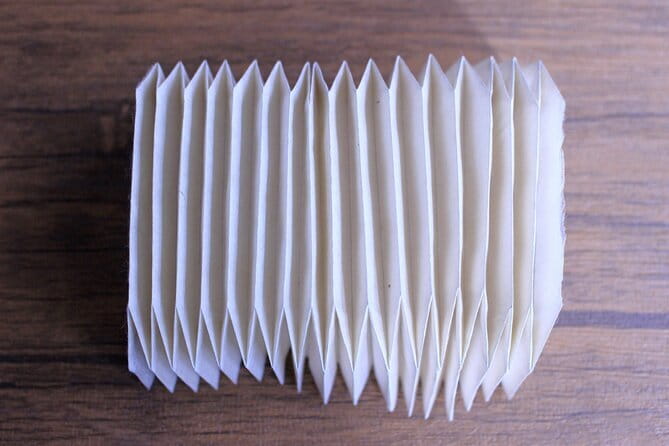
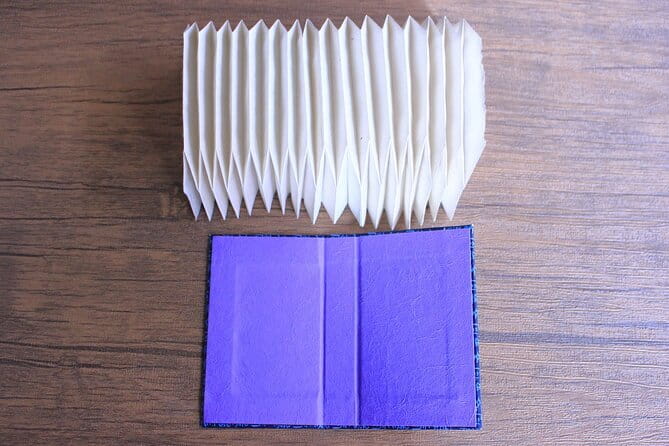
The main craft is a mini origami lamp made from handmade washi paper. You work with several sheets, folding and gluing them into a bellows like shape. That bellows structure is the key idea, because it lets the paper stretch and then compress into a neat form.
As you fold, you are building multiple layers, so it is not “fold once and done.” The instructor approach is structured, and you will get clarification on the tricky parts, especially where glue meets the folds. The goal is a paper form that can hold the light and still look like something elegant when you close it.
Next comes the satisfying part, inserting a small lamp inside the folded washi. Once it is fitted correctly, you get a gentle, warm shine. And when you close the bellows shape, the lamp looks like a closed book, which is both charming and practical.
That closed book shape matters for real life. It makes the lamp easier to store, and it helps you picture taking it home without worrying it will turn into a crushed mess. Washi is also described as light and durable, which gives you confidence for a travel souvenir.
A small tip for your mindset: treat the lamp build like slow cooking. If you rush the folds, the glue lines and angles can get messy. If you go calmly, you end up with a form that feels satisfying rather than stressful.
Mizuhiki knotting for a belt ornament, and why the knots have meaning
After the lamp, you move to a mizuhiki knot belt ornament using traditional paper cord. Mizuhiki is made with a core of twisted washi paper, then wrapped with nylon or film to give it strength and a finished look.
What makes this portion extra interesting is the emphasis on meaning. Each knot has associations, so the ornament can be more than decoration. In the workshop, you learn that knowing what the knot means makes it better for giving gifts, because you are not just copying a style, you are connecting to a tradition.
You also learn the basic technique of creating and securing the knot in a way that holds its shape. It is not complicated like a machine, but it is precise. Your hands will get a workout in a good way, like a calm puzzle.
If you have ever wondered why Japanese gifts often feel more intentional than “just because,” this is a neat window into that. Mizuhiki turns paper string into symbolism, and it is wearable as a belt ornament, which makes it more than a flat craft.
Also, the final result is compact. That matters when you are traveling. This workshop is designed around making items you can carry and keep without needing special packing skills.
The tea and sweets moment, including Japanese paper tea from kozo
Crafting in Tokyo is fun, but it can also heat you up fast. This class wisely builds in a refresh at the end. After you finish both projects, you are served Japanese sweets and tea.
One detail that stood out is the tea described as Japanese paper tea, and the reviews mention kozo tea along with a sweet. Kozo is the paper mulberry used for making washi, so the drink fits the craft theme instead of feeling like a generic add on. It is a nice way to connect what you made with something you can taste.
This part also gives you a chance to sit back, compare your final lamp shape with what others made, and ask questions while the glue is fully settled and your brain can switch from fold mode to appreciation mode.
If you like workshops where the break feels thoughtful, not just token hospitality, you will probably enjoy this.
Private class pacing in a small Ueno workshop
This is a private tour/activity, so it is only your group. That can change everything. In a bigger class, you often wait your turn and you get fewer corrections. Here, you can ask questions when you hit a real snag, and the instruction can target your exact stage.
The experience is built for learning rather than speed. Your materials are prepared, and instructions are clear, so the session feels organized. You are also given enough time to finish, which is not always the case in short “do it quickly for a photo” activities.
Duration is listed at 2 hours 30 minutes (approx.), which is a good length for two crafts. You get a real arc: start with washi fundamentals, then build the lamp, then create the mizuhiki ornament, and finish with tea.
Important note: this workshop is described as not suitable for young children because the work requires detailed handling. So if you are traveling as a family, you should plan to match ages carefully. For adults and older teens, it reads as friendly to most participants.
And yes, there is a cat in the workshop. If you have allergies, inform the team when booking. It is a small detail, but it is the kind that can make or break your comfort in a cozy space.






Where the souvenirs really add value, a lamp you made and a cord ornament you can explain
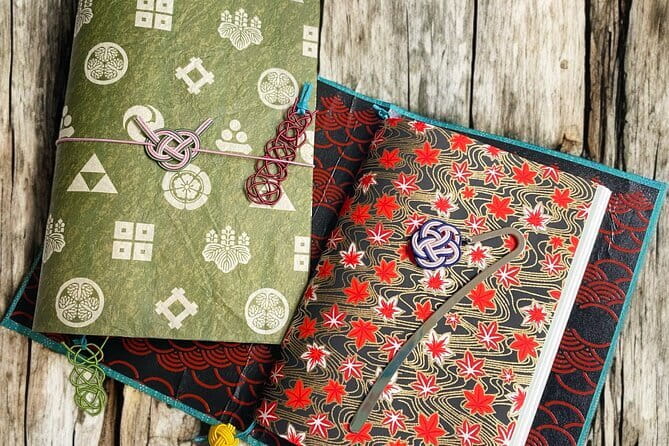
Plenty of Tokyo workshops end with “here is a thing” and you forget it five minutes later. This one does not. The reason is that both creations have a story you can tell.
Your mini origami lamp is not just decorative. It is functional in the sense that it shines with that warm light inside. And it folds into a closed book look, which feels like an intentional design choice rather than a craft accident. Even if you never display it daily, it is the kind of souvenir that gets noticed when guests visit your place.
Your mizuhiki ornament adds another layer. You can explain that mizuhiki cord uses twisted washi and wrapping for strength, and you can share that knots can carry meanings for gifts. That turns the ornament into conversation fuel.
The workshop also includes all materials needed for both crafts, so you are not paying for supplies separately. For many people, that is where value hides, because buying materials in Japan for a niche craft would cost time and money.
Does the price feel fair at about $107.50 per person

At $107.50 per person for about 2 hours 30 minutes, this is not a cheap impulse activity. But for Japan, it also is not wildly overpriced, because you are paying for private instruction and two finished handmade items.
Here is the value math you should consider:
- You are making two crafts that are traditionally specific: origami lamp and mizuhiki knot work
- You get materials and guidance included, plus the crafted results are designed to be take home
- You also get Japanese sweets and tea, including Japanese paper tea (kozo tea)
If you compare this to the cost of buying a lamp souvenir plus a separate craft experience, it starts to look more sensible. You are paying for skill coaching, not just the final object.
Still, it is worth saying: if you are looking for something purely relaxing with zero concentration, this might feel like homework. The work is detailed, and your hands need focus. If you enjoy that kind of hands on attention, you will likely feel the price is justified.
Who should book this Ueno workshop, and who should skip it
Book it if you want a calm, craft centered break from Tokyo walking. You will probably like it if you enjoy:
- paper crafts, folding, or knot tying
- making gifts that feel personal
- learning why a technique matters, not just how to copy it
Skip it if you need a kid friendly activity for very young children. The workshop notes that the detailed work required makes it unsuitable for young kids. Also, if you have strong sensitivity around allergies, mention the cat right away.
You should also consider timing. Ueno is popular, so if you want to avoid stress, plan your day so you are not rushing across town right before the session.
Finally, go in with realistic expectations. This is not a quick “I tried it” class. It is a genuine craft lesson where you leave with two souvenirs you can be proud of.
Practical notes so you have a smooth experience
The workshop uses a mobile ticket, and confirmation is received at booking. It is near public transportation, which is good because Ueno has a lot going on. The session ends back at the meeting point, so you do not have to plan a complicated follow up.
Weather matters. The experience notes that it requires good weather, and if it is canceled due to poor weather you are offered a different date or a full refund. That is important if you are traveling during a season with sudden rain.
One more practical point: because you are making paper based items, handle them carefully during transit afterward. Washi is described as light and durable, but you still want a safe place to store your lamp and ornament on the way home.
Should you book this mini origami lamp and mizuhiki belt workshop?
If you are the kind of traveler who likes skill based experiences, yes, I think you should book it. The strongest reasons are simple: you get personalized coaching in a private setting, you make a mini lamp that glows, and you also learn mizuhiki with meaningful knot ideas. Add in the Japanese paper tea and sweets, and the experience feels complete, not “just a craft.”
Book it especially if you want a break from crowded sightseeing and you like going home with something you truly made, not something you just picked up. If you do not enjoy careful handwork, or you are traveling with young children, then look for a different style of activity. For everyone else, this is a smart, value minded Ueno experience that turns your Tokyo day into a memory you can touch.
FAQ
How long is the workshop?
The workshop lasts about 2 hours 30 minutes.
Is this a private class?
Yes. It is a private tour or activity, so only your group participates.
What will I make during the workshop?
You will make a mini origami lamp and a mizuhiki knot belt ornament.
Are materials included?
Yes. The workshop provides all materials needed to make the lampshade and the mizuhiki knot belt.
Is tea and food included?
Yes. Japanese sweets and tea are included, including Japanese paper tea.
Is the workshop suitable for children?
It is not suitable for young children due to the detailed work required.
Is there anything I should know about the workshop space?
There is a cat in the workshop, so you should inform the team if you have allergies.
What is the cancellation policy?
You can cancel for a full refund if you cancel at least 24 hours before the experience starts. If canceled less than 24 hours before, the amount paid is not refunded. Poor weather may lead to rescheduling or a full refund.
More Workshops & Classes in Tokyo

More Tour Reviews in Tokyo
Not for you? Here's more nearby things to do in Tokyo we have reviewed












Workshops, side by side.
 ★ 5.0Sushi Making Tokyo Roll and Authentic Japanese Sushi ClassFrom $593,971 reviews
 ★ 4.9Roll and Authentic Sushi Making Class in AsakusaFrom $581,957 reviews
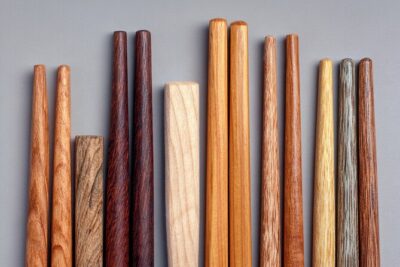 ★ 5.0Tokyo Shinjuku Chopsticks Making ClassFrom $201,763 reviews
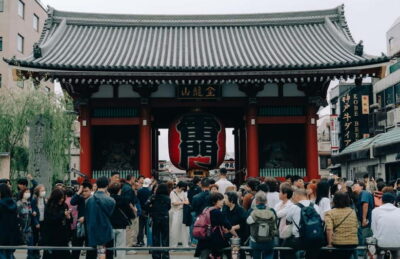 ★ 4.9Sushi Making Class in a Happi Coat near a Famous SpotFrom $421,377 reviews
 ★ 4.8Chopstick Making Workshop in GinzaFrom $251,366 reviews
 ★ 5.0Tokyo Sushi Making Class in Tsukiji with Professional ChefFrom $491,177 reviews
 ★ 5.0Ramen & Gyoza Cooking Class in Tokyo with Local Supermarket VisitFrom $122823 reviews
 ★ 5.0Matcha Making Class in Tokyo with Authentic Japanese Sweets SetFrom $21744 reviews
This tour also belongs to