
Review · TOKYO TEA & SAKE EXPERIENCES
Practicing Zen through Japanese Tea Ceremony
Tokyo quiet, in 75 minutes.
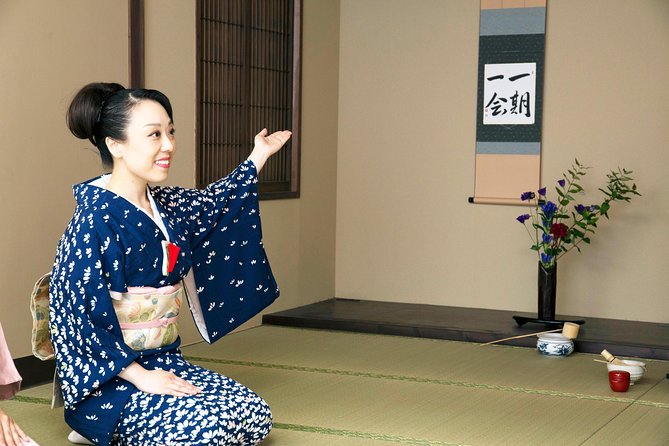
This hands-on Japanese tea ceremony puts you in a calmer pace than most sightseeing, with matcha preparation and a guided connection to Zen. I especially like that you get the practical steps (not just watching), plus Japanese aesthetics taught in plain English, including what the utensils and hanging scrolls mean. One thing to consider: the session is more focused on doing the ceremony well than on long, theory-heavy Zen instruction, so come for practice, not a philosophy lecture.
I like the teaching tone. Guides named Miyuki and Yuuko show up in past sessions as warm, attentive instructors who explain the culture without talking over your head. You get a bilingual licensed tea master, and the pacing feels designed to bring your attention back to the present, one small action at a time.
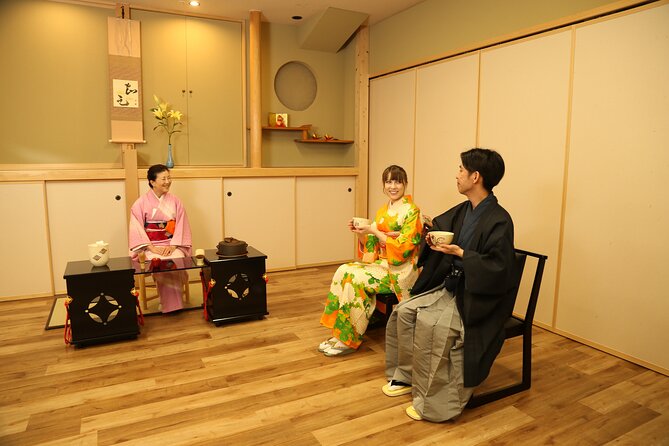
If you are sensitive to location details, note that the room can be in a basement level setting in an office building. It is still part of the experience, but it is not the traditional tatami house you might picture, so set your expectations accordingly.
Key highlights to look for
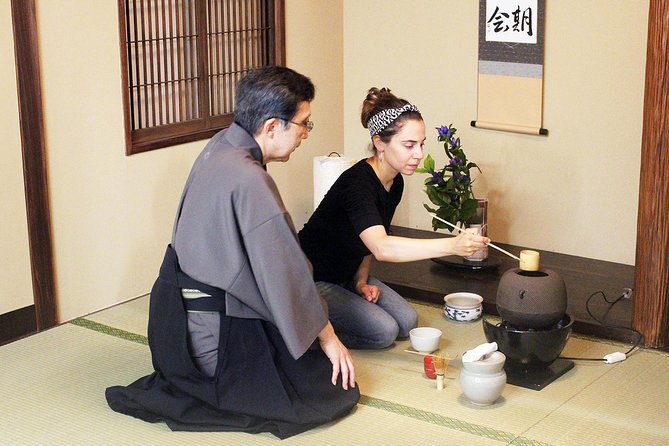
- Bilingual tea master with English explanations, including Zen connections, utensils, and hanging scrolls
- Classical matcha-making practice, with guidance as you whisk and measure
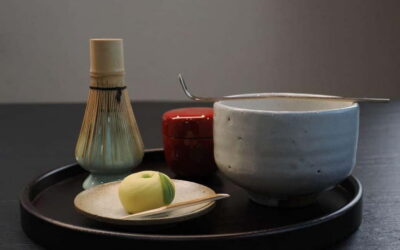
- Wagashi sweets paired for matcha, chosen to complement the flavor profile
- A second ceremony where you make tea yourself, so you learn by doing
- Small group limit (up to 28), which helps keep the pace calm
- A serene, mindful pause during a busy Tokyo day, sometimes including a short meditation moment
Why a Zen tea ceremony feels like a reset in Tokyo
Tokyo can be fast, loud, and full of motion. A tea ceremony gives you a structured quiet break, where your day slows down on purpose. Instead of racing from temple to temple, you learn how Japanese hospitality shows up in details like posture, timing, and even the way you receive a cup.
I like that this experience is not only about taste. You also learn the meaning behind the ritual, including how Zen practice connects to attention and restraint. The goal is simple: you finish with a clearer sense of what people mean when they talk about calm focus.
And yes, you will still get to drink great matcha. But the bigger win is how the ritual changes your senses while you do it.
You can also read our reviews of more tours and experiences in Tokyo.



Getting to Kikai Shinkō Kaikan and what the setting feels like
The meeting point is Kikai Shinkō Kaikan, 3-chōme-5-8 Shibakōen, Minato City, Tokyo 105-0011. The activity ends back at the meeting point, so you are not stuck figuring out a new route after you are done.
The location is listed as near public transportation, which matters in Tokyo because you will likely want to plan a smooth walk from a station. Also, the duration is about 1 hour 15 minutes, so build in buffer time if you are transferring between neighborhoods.
As for the room, you might be in a more traditional-feeling tea space, but you should be ready for the possibility that it can be in a basement level room inside an office building. That does not mean it is uncomfortable, but it does change the vibe. Go in expecting calm more than scenery.
Meeting your bilingual tea master and learning the pieces of the ritual
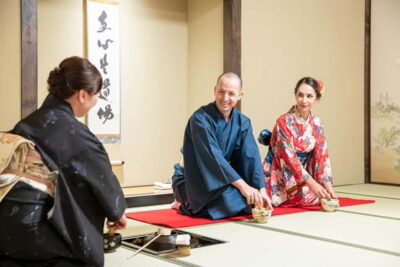
You start with a welcome and an overview of what you are about to do. The tea master is licensed, bilingual, and focused on explaining the ceremony steps in English. This is a big deal for beginners, because tea can feel mysterious until someone shows you what each utensil is for and why the order matters.
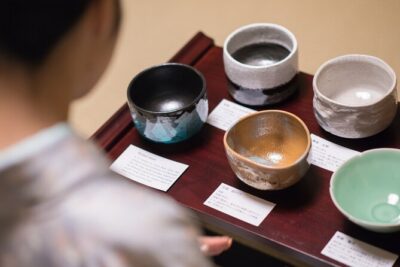
You will also hear about Japanese hanging scrolls and tea utensils. Even if you have seen a similar setup in photos, understanding what these elements signal helps you read the ceremony as a full experience, not just a drink-making demo. Expect the explanations to be practical, geared toward helping you follow along during the steps.
One of the most praised parts of this session is the teaching style. Guides such as Yuuko are noted for giving a warm welcome, while Miyuki is associated with clear guidance. Either way, the intent is the same: you should feel comfortable enough to try the movements yourself.
Matcha 101: the classical steps you practice, not just watch
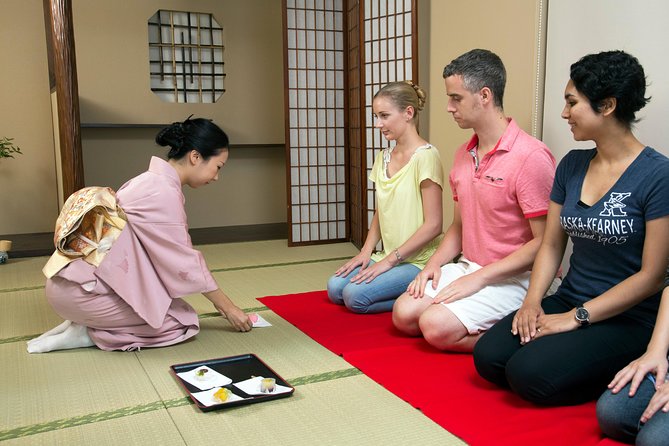
This is a hands-on matcha session, and that changes everything. A lot of tea experiences stop at tasting, but here you are guided through preparing matcha using classical ceremonial methods. You get authentic matcha green tea, and the tea master walks you through the rhythm of measuring, whisking, and serving.
I like that the teaching centers on technique you can repeat. If you go home thinking matcha is just a powder you stir, you miss the whole point. The ceremony trains you to notice texture and consistency, like how the whisking motion affects foam and surface.
Here is what you should be ready to do:
- Follow the tea master’s cues step by step
- Practice the motions, not just the look
- Pay attention to timing, because the ritual order matters
Also, the session includes a short mindful moment for some participants. If you are hoping for Zen as something you can feel, this brief pause can help. It is not hours of meditation, but it is enough to reset your attention.
Wagashi pairing: sweets picked to work with matcha
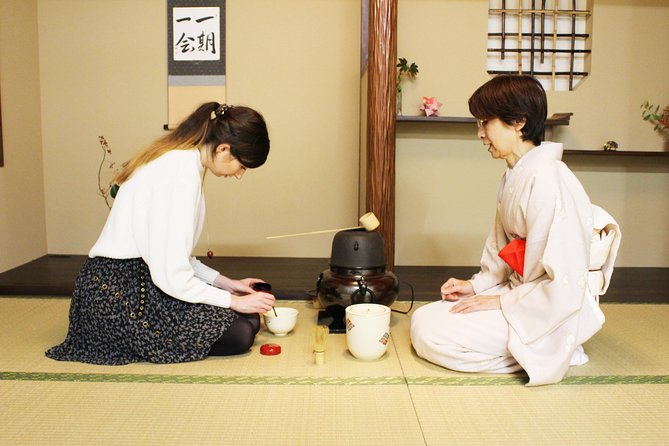
After you understand the matcha basics, you get traditional Japanese sweets (wagashi) selected to complement your matcha. This is not random snacking. The sweets are meant to match the flavor profile and balance the bitterness and grassiness that good matcha can bring.
I appreciate pairing because it makes the tasting educational. You are not just wondering if the sweets are good. You learn to think about how sweetness, texture, and finish interact with the tea you made. If you like food that has purpose, this part feels thoughtful rather than decorative.
And since you are in a structured setting, you slow down long enough to notice what changes. The tasting is part of the mindfulness too, because you have to be present for the flavors to land.



The ceremony flow: how the order turns into mindfulness
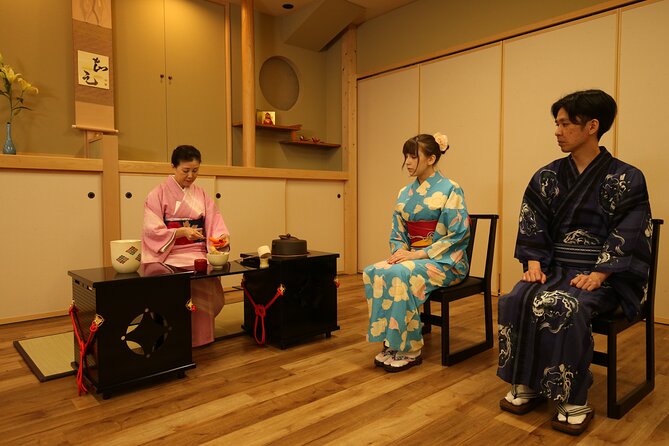
Once everyone is ready, you participate in the tea ceremony steps with the tea master guiding you. The structure usually follows a familiar rhythm in Japanese tea culture, where movements are deliberate and attention is directed to each action.
Even if you have never held a whisk before, you do not have to fake confidence. The idea is to follow along and learn why the steps exist. The ritual connects hospitality with discipline, which is a practical form of Zen.
Look for these subtle things while you watch and then do:
- You move slower than normal
- You treat the utensils with care
- You focus on the moment you are in
This is where the experience becomes more than a class. It becomes a way to practice a calmer way of being, especially if you have been running on sightseeing mode.
Your second round: making tea yourself with instruction
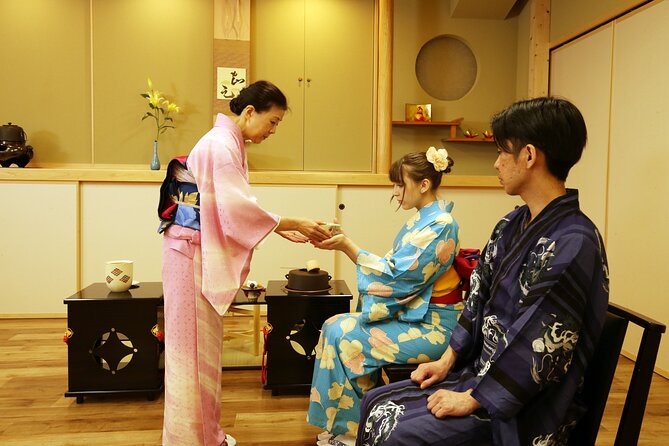
One of the best value parts is that this is not one-and-done. After the guided demonstration, you get to do a second tea ceremony yourself, with instruction. This matters because your brain learns better through repetition, and you also build a real sense of accomplishment.
If you only watch, you might appreciate the aesthetics. But when you actually make tea, you understand where the trickiness lives: whisking, timing, and serving. And because the teacher is there to correct you, you are not just guessing.
I like that this portion turns you from spectator into participant. You leave with something concrete. Even if your foam is not perfect, you learn the core motion and the logic of the ritual.
During your second turn, focus on staying calm. Tea does not require speed. It requires control and attention, which is exactly why it works as a mindful activity.
Drinking your own matcha: what to notice in the cup
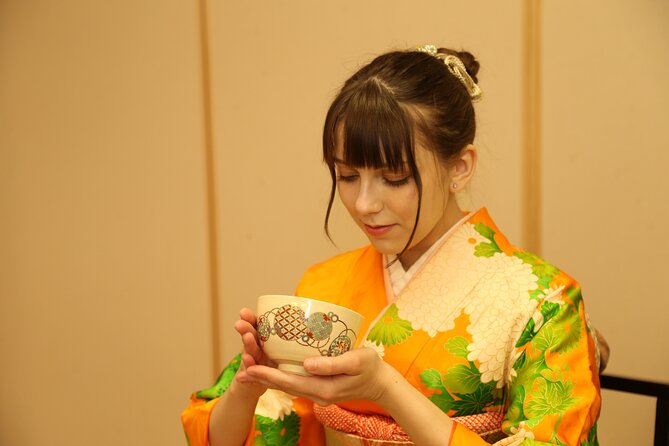
Tasting your own tea is the payoff. The matcha is authentic, and since you were involved in making it, the flavors feel more personal. Take a careful first sip before rushing to compare it to other matcha you might have tried in cafés.
When I guide my own expectations for matcha tastings, I suggest you notice three things:
- The balance between bitterness and sweetness
- How the texture feels as it coats your mouth
- Whether the finish tastes clean or heavy
Because you also have wagashi, you can experiment a little. Try alternating sweet bites and tea sips, and see how the pairing changes the tea experience. In this format, food and tea become a small lesson.
If a short meditative moment was included earlier, you may notice it helping you taste better. Attention tends to make flavors clearer.
Price and value for a 1 hour 15 minute Zen lesson
The price is $64.50 per person. For Tokyo, that is not a bargain bargain, but it is also not overpriced for what you get. You are paying for a licensed tea master, bilingual explanation in English, matcha, wagashi, use of tea utensils, and guided practice that includes you making tea yourself twice in total flow.
The group limit is up to 28 travelers, and the smaller the group, the easier it is to get your questions answered during hands-on moments. There are also group discounts and a mobile ticket, which can make planning less annoying.
Is it a full meal deal? No. You should treat it as a cultural reset and a skill practice, not lunch. The session does not include extra food or beverages beyond what is part of the ceremony.
If you want value, plan it for a time when you would otherwise be spending money on a high mark-up café stop. This experience replaces that with something more meaningful and interactive.
Who this tour suits, and who should set different expectations
This works best if you want calm culture, hands-on learning, and a structured break from the city. If you like workshops where you do the main activity, you will feel satisfied here. You also get exposure to tea culture elements like hanging scrolls and utensil meaning, which adds context without requiring a museum visit.
It is also a good choice for first-time Japan visitors who feel overwhelmed by etiquette. The ceremony gives you a clear map: what to do, when to do it, and why. A bilingual licensed tea master helps keep it understandable.
Two caution notes. First, if you are expecting a heavy Zen philosophy lecture, the focus may feel more practical than academic. Second, if you picture a beautiful, airy traditional house, remember the room may be in a basement level setting in an office building.
If you can handle those expectations, the experience can be surprisingly calming and memorable for a relatively short time commitment.
Should you book this Japanese Zen tea ceremony in Tokyo?
I think you should book it if you want a peaceful, high-attention activity that teaches you something you can actually repeat. The hands-on matcha preparation, plus the chance to do the ceremony yourself, is where the value lives.
Choose this also if your Tokyo days feel crowded. A 1 hour 15 minute pause can change how you enjoy the rest of your itinerary. You will likely leave more grounded, with a better sense of how Japanese hospitality shows up in everyday rituals.
Skip it if you want only scenic sightseeing, or if you are looking for a deep, long-form meditation retreat. This is a tea ceremony experience with Zen connections through practice, not a full spiritual retreat.
If you are deciding between just buying matcha at a café and taking a class, take the class. It costs more than a drink, but it gives you technique, context, and calm in one package.
FAQ
How long is the tea ceremony experience?
It lasts about 1 hour 15 minutes.
Where does the experience start?
You meet at Kikai Shinkō Kaikan, 3-chōme-5-8 Shibakōen, Minato City, Tokyo 105-0011, Japan.
Does the activity end near where it starts?
Yes. It ends back at the meeting point.
Is pick-up or drop-off included?
No, pick-up and drop-off services are not included.
Is the tea master able to explain in English?
Yes. Explanations are provided in English, and the tea master is bilingual.
Do I get to make tea myself?
Yes. There is a second tea ceremony performed by you, with instruction.
What is included in the session?
You get an authentic matcha green tea, traditional Japanese sweets, a tea ceremony performance with a tea master (5+ years’ experience), and explanation of the ceremony, Zen practices, hanging scrolls, and tea utensils in English.
What is not included?
Extra food or beverages are not included.
How many people are in the group?
The maximum group size is 28 travelers.
How much does it cost, and when should I book?
It costs $64.50 per person. On average, it is booked 8 days in advance.
What is the cancellation policy?
Free cancellation is available up to 24 hours before the experience starts for a full refund. If you cancel less than 24 hours before start time, the amount paid is not refunded.
More Tour Reviews in Tokyo
Not for you? Here's more nearby things to do in Tokyo we have reviewed












Tokyo Tea & Sake Experiences, side by side.
 ★ 5.0Traditional Tea Ceremony with a Tea MasterFrom $38528 reviews
 ★ 5.0Sake Tasting Masterclass in Shinjuku (8+ Varieties with a Pro)From $72271 reviews
 ★ 5.0Tea Ceremony Workshop in Tokyo by the Experienced InstrucorFrom $38189 reviews
 ★ 4.9Asakusa: Kimono Tea Ceremony with Matcha and SweetFrom $66153 reviews
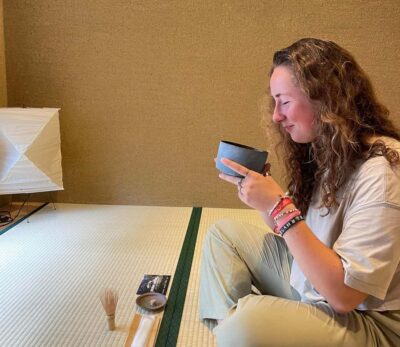 ★ 4.9Tea Ceremony Experience in a Private Tea Room in ShibuyaFrom $30125 reviews
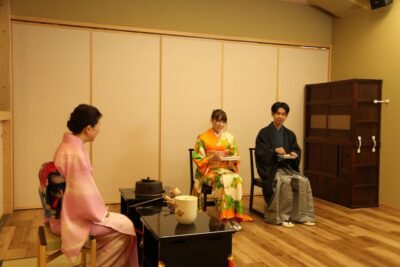 ★ 4.7Practicing Zen with a Japanese Tea CeremonyFrom $63105 reviews
 ★ 5.0Matcha Kimono Tea Ceremony in TokyoFrom $59104 reviews
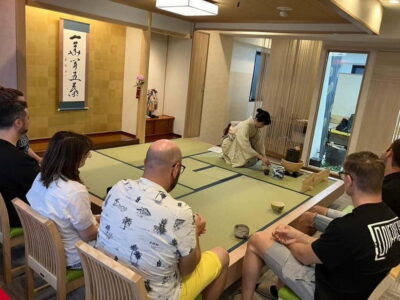 ★ 4.9Tea ceremony experience in Japanese-style room 60minFrom $4586 reviews
This tour also belongs to