
Review · KAMAKURA DAY TRIPS
Private Kamakura plus Yokohama Tour – English Speaking Driver
A day trip to Kamakura and Yokohama feels like two worlds in one ride. The big win here is getting door-to-door pickup in a comfortable private vehicle, then spending your day on a tight loop of iconic sights without wrestling trains and transfers. You also get an English-speaking driver, which makes all the small decisions easier, like where to park, when to arrive, and how to keep your timing sane.
What I like most is the personalized private format for up to five people, so the day moves at your pace instead of a crowd schedule. I also like how the plan stacks “classic Kamakura” with “classic Yokohama,” so you get temples, shrines, waterfront views, and a real Chinatown all in one go.
The main drawback to consider is that this is not a guided tour by default. You will have an English-speaking driver, but if you want deeper historical storytelling, you may need to arrange a guide for an extra cost.
Key highlights worth getting excited about
- Early start with a full day in 10 hours: The tour runs about 10 hours including commuting time, starting at 8:00 am.
- Kamakura’s temple sequence in one smooth loop: Hōkoku-ji (Bamboo Temple), Hase-dera, Kōtoku-in (Great Buddha), plus Tsurugaoka Hachimangu.
- Free time for shopping and snacks: Komachidori and Yokohama Chinatown are free stops on the schedule.
- Sankeien Gardens adds a slower, traditional beat: A landscaped break in a garden opened in 1906.
- Minatomirai is optional if time permits: Perfect for skyline views around Yokohama’s waterfront.
- Driver support can be genuinely helpful: Reviews highlight communication, courtesy, and even sending useful links before stops.
Price and value: what you are really paying for
At $650 per group (up to five), this is priced for people who want convenience more than they want the cheapest option. In practice, you are paying for three things: a private vehicle, pickup and drop-off help, and an English-speaking driver who handles the driving and routing.
That value adds up fast if you are traveling with family, older parents, or anyone who does not want to hop on multiple train lines. Also, Kamakura roads and the approach from Tokyo can be stressful if you are not used to driving in Japan, and the reviews strongly support that having an expert driver makes the day feel calm.
One thing to keep in mind: admission tickets are not included for several stops (and some stops are free). So your total day cost will depend on what you choose to pay for onsite.
You can also read our reviews of more private tours in Tokyo
Private English-speaking driver and pickup: the stress-reducer you can feel
This tour is built around a simple premise: you should spend your energy looking at places, not navigating trains. Pickup is offered from your Tokyo hotel or another location, and you receive a mobile ticket.
In a private car, you also gain something you do not always notice until you are doing it, control. You can move through the day with fewer bottlenecks, you can stop when it makes sense for your group, and you can avoid the “wrong platform, wrong exit” problem that can eat up an entire morning.
Reviews also mention standout driver service. Names like Irfan and Mac show up in customer feedback, with comments about clear communication and a courteous, professional approach. One review even mentioned the driver taking initiative to share a link for each stop before visiting, which is the kind of practical help that makes you feel oriented fast.
Hōkoku-ji Bamboo Temple: a Zen stop that sets the tone
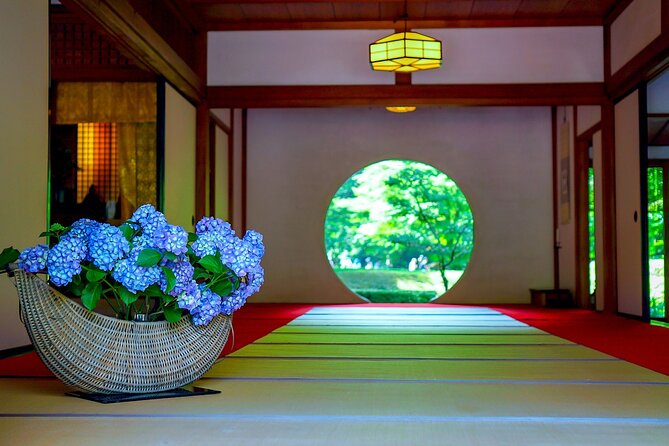
Your first anchor stop is Hōkoku-ji, often called the Bamboo Temple. It is a Zen Buddhist temple in the Kenchō-ji school of the Rinzai sect, and the star is the bamboo garden.
You get about 1 hour here, and admission tickets are not included. That time is long enough to slow down, walk the garden pathways, and enjoy the quiet contrast to the city energy of Tokyo. If you like photography, this is one of the better stops early, because you are arriving before crowds swell and before the day gets heavy.
Practical consideration: bamboo and temple grounds usually mean lots of walking on uneven surfaces. Wear shoes that handle stone steps and smooth but slippery patches, especially if the weather is humid.
Hase-dera: the massive Kannon statue moment
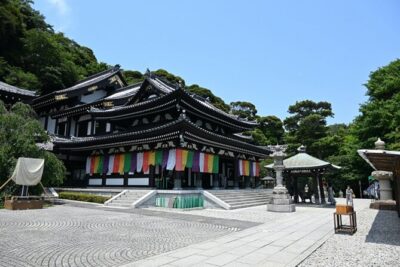
Next comes Hase-dera, scheduled for about 45 minutes. This temple is commonly called Hase-kannon because it is known for housing a massive wooden statue of Kannon.
Admission tickets are not included here too. The value of this stop is straightforward: it is one of those sights that gives you a strong visual impression quickly. Even if you are not a hardcore temple person, you will feel the scale of the statue and the “destination” vibe of the site.
If you want to make this stop work best, treat it like a short, focused visit. Walk in with curiosity, take your time once you reach the main highlights, and avoid burning your energy on extra detours unless your group is still feeling fresh.
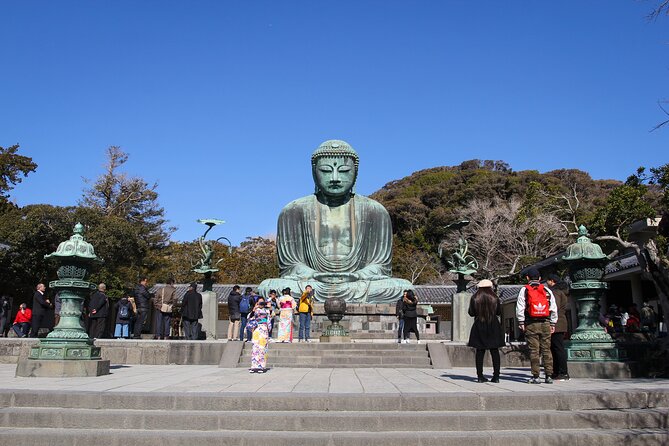
Kotoku-in Great Buddha: the classic Daibutsu you should not rush
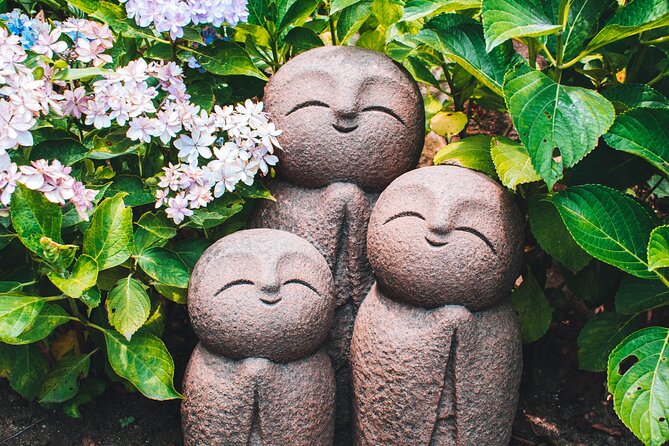
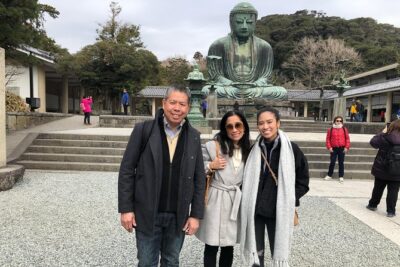
Then you reach Kōtoku-in, home to the Great Buddha of Kamakura. This is listed for about 30 minutes, and that may sound short, but for many people it is the right length. It keeps the day moving while still letting you take in the main attraction.
This is a Buddhist temple of the Jōdo-shū sect, and its mountain name is Taiizan. You do not need to memorize the details, but knowing the temple’s identity helps you appreciate that this is not a random statue, it is part of a larger religious site and tradition.
My advice: do not rush your Great Buddha moment. Even with only 30 minutes, pause, look from different angles, and give yourself time for photos without turning it into a sprint. If your group tends to run late, this is where it is worth building in a little extra caution.
More Tokyo tours and experiences for the shortlist

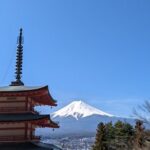
Tsurugaoka Hachimangu and Komachidori: shrine meaning plus snack breaks
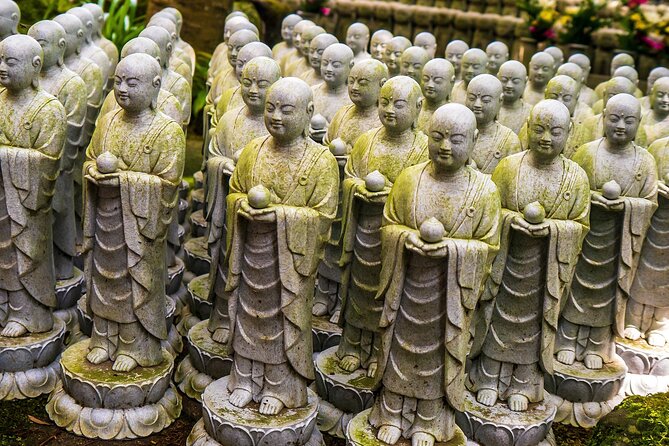
After the Great Buddha, your schedule shifts to Tsurugaoka Hachimangu Shrine. You get about 1 hour here, and admission tickets are not included. The shrine functions as a cultural center and festival venue, and it also includes two museums.
One specific detail worth knowing before you arrive: the shrine has two ponds that represent the Taira and Minamoto clans. When you see those ponds, it helps you connect the scenery to Japan’s historical storylines.
Then you transition to Kamakura Komachidori, a 1 hour 30 minutes stop designed for walking and browsing. Admission is listed as free, and this is where you can grab snacks, sweets, small gifts, and souvenirs.
Here is the balanced way to use Komachidori: walk slowly for the first 20 to 30 minutes to soak up the street vibe, then decide what you actually want. The temptation is to buy too much, too fast, because everything looks photogenic.
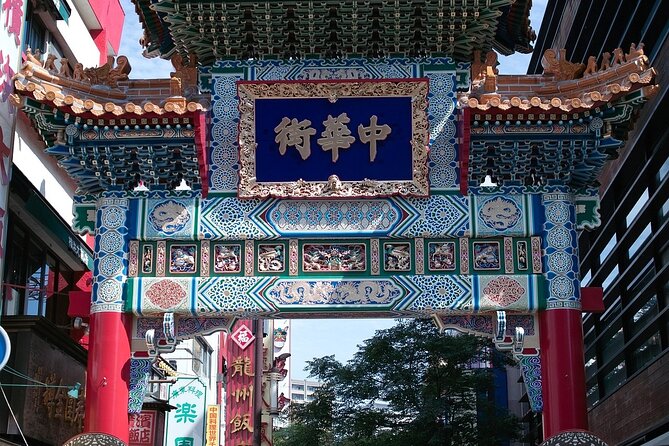
Yokohama Chinatown: a free hour that works best for food
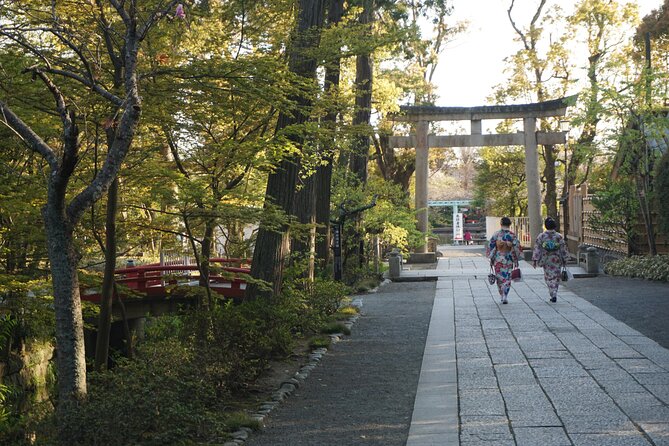
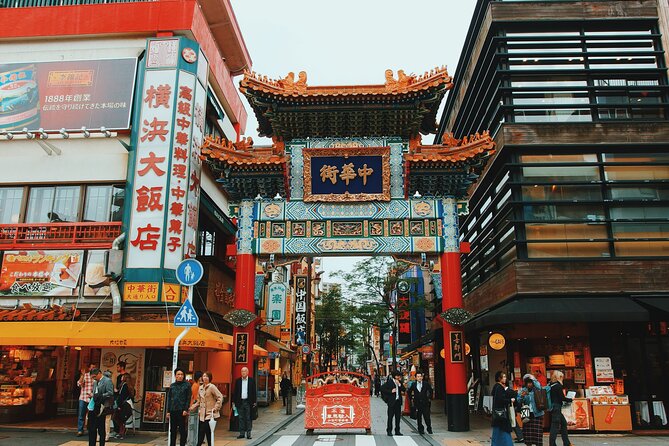
After Kamakura, you head into Yokohama Chinatown for about 1 hour. Admission is free on the schedule.
This area is described as around 160 years old, and it has a present-day community roughly in the 3,000 to 4,000 range, with many people coming from Guangzhou. You do not need to treat that as homework, but knowing it gives you context for why you will see familiar flavors and why the area feels more like a living neighborhood than a stage set.
How to enjoy this hour: keep your expectations practical. You are not here for a museum tour. You are here for walking, people watching, and sampling. If you want a smooth Chinatown experience, eat one main snack or dish, then share desserts. That keeps you from feeling overly full right before the garden stop.
Sankeien Gardens: a traditional break in Yokohama
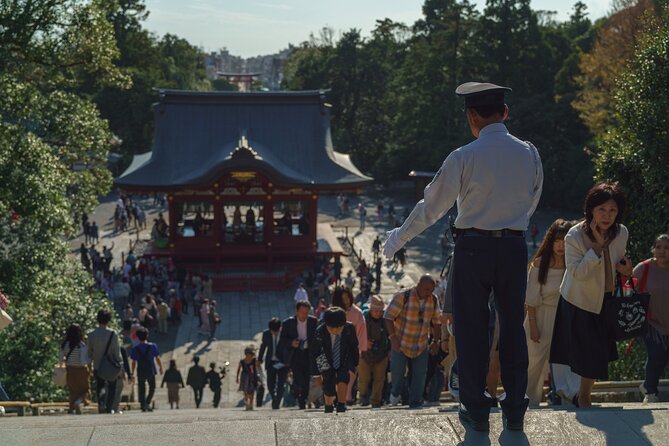
Next is Sankeien Gardens, scheduled for about 1 hour, with admission tickets not included. This is a traditional Japanese-style garden in Naka Ward that opened in 1906.
The garden is designed and built by Tomitaro Hara, known by the pseudonym Sankei Hara, who was a silk trader. That tidbit matters because it helps you see the garden as a crafted cultural space, not just a random park. You will likely notice the planning in how the paths, viewpoints, and water features are arranged.
Why this stop is a good match for this tour: after temple buildings and shopping streets, the garden gives your feet and your brain a different rhythm. It also gives you a strong “Yokohama beyond the waterfront” perspective.
Practical consideration: gardens can be cooler or more shaded, and they can also have damp areas depending on weather. Keep a light layer if you run cold.
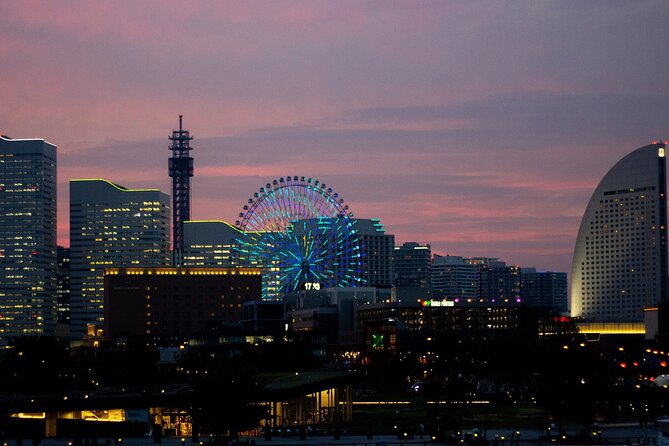
Minatomirai waterfront: only if time permits, but worth it when you have the window
Your final optional stop is Minatomirai, planned for about 30 minutes if time permits. Admission is listed as free, and the area is described as a futuristic waterfront with shopping and skyline views.
Minatomirai is tied to places like the Landmark Tower and Plaza, and it is noted for a high-rise observation deck where you can take in the city view.
This is a good closer because it feels modern and open after a day of temples and alleyways. If the day has run tight, skip it without guilt and use the extra time to slow down on your return.
How the day schedule feels in real life (10 hours including commute)
A 10-hour day from Tokyo sounds long, until you realize it includes commuting time and multiple stops. The itinerary is built to avoid the most common day-trip failure: spending your entire day in transit.
Still, there is a real rhythm here: you start with temple and shrine anchors in Kamakura, then you mix in a shopping street break, and then you shift to Yokohama neighborhoods and a garden. That flow prevents you from feeling like you are repeating the same type of site over and over.
My pacing advice for your group:
- Keep your first stop mindset calm. If you arrive tired, you will rush Hōkoku-ji.
- Use Komachidori as a browse stop, not a shopping quest.
- In Chinatown, choose one or two items you really want, then stop.
- At Sankeien, take your time walking. This is where you feel the quality of a private schedule.
And if your driver offers small timing suggestions, take them. One review praised a driver who helped passengers feel at ease and executed the itinerary smoothly, which is exactly what you want on a day with this many moving parts.
Who should book this Kamakura and Yokohama private day?
This tour fits best if you:
- Want Kamakura classics plus Yokohama highlights in one day without train transfers.
- Travel as a small group, up to five, and want flexible pacing.
- Prefer the comfort of a private vehicle, especially if anyone in your group has mobility limits or gets worn out by public transport.
- Like practical orientation from an English-speaking driver. Reviews mention clear communication and drivers taking initiative with helpful prep.
It might not be your best fit if:
- You want a true historian-led, structured narrative at every stop. This is not a guided tour by default, though a guide can be arranged on request for an extra cost.
- You expect zero attention to logistics. You still need to manage your own entry into areas that have separate admission policies.
Should you book this tour?
If your top goal is a smooth, low-stress day from Tokyo that hits Kamakura’s temple highlights and Yokohama’s standout neighborhoods, I would book it. The private vehicle, pickup help, and English-speaking driver make the route feel doable, and the itinerary includes a smart mix of free stops and ticketed sites.
If you are the type who loves deep commentary and wants a guide narrating every moment, consider adding a guide. And if you are booking to avoid surprises, ask how any add-on stops or extras are handled before the day starts, since one low-rated experience mentioned confusion around extra services paid in cash.
Overall, this is a good-value choice for groups who want less hassle and more time enjoying what you came for.
FAQ
How long is the Kamakura plus Yokohama private tour?
The tour runs for about 10 hours, including commuting time.
How many people can be in a group?
The tour is priced per group for up to 5 people, with a group larger than 5 possible at an additional cost.
What time does the tour start?
The start time is 8:00 am.
Is pickup from my hotel included?
Pickup is offered, with transfers from your Tokyo hotel or other location.
Is this a guided tour with a tour guide?
It is a private tour with an English-speaking driver. It is not a guided tour by default, but a guide can be arranged on request for an extra cost.
Are admission tickets included for the stops?
Admission tickets are not included for several stops (Hōkoku-ji, Hase-dera, Kōtoku-in, and Tsurugaoka Hachimangu, and Sankeien Gardens). Komachidori and Yokohama Chinatown are free on the schedule, and Minatomirai is free if time permits.
What places are included in the itinerary?
The scheduled stops are Hōkoku-ji, Hase-dera, Kōtoku-in, Tsurugaoka Hachimangu Shrine, Kamakura Komachidori, Yokohama Chinatown, Sankeien Gardens, and Minatomirai if time permits.
Is the tour only for certain travel styles or ages?
Most travelers can participate.
What happens if weather is bad?
This experience requires good weather. If it is canceled due to poor weather, you will be offered a different date or a full refund.
Can I cancel and get a full refund?
Yes. You can cancel up to 24 hours in advance for a full refund. Canceling within 24 hours does not get a refund.
More Private Tours in Tokyo
More Tours in Tokyo

More Tour Reviews in Tokyo

Not for you? Here's more nearby things to do in Tokyo we have reviewed


Kamakura Day Trips, side by side.
 ★ 4.5Kamakura & Enoshima Day Trip including Temple TicketsFrom $581,375 reviews
 ★ 4.5Mt. Fuji, Kamakura, Big Buddha, & Lake Ashi Day TripFrom $49867 reviews
 ★ 4.5From Tokyo: Kamakura & Enoshima 1-Day Bus TourFrom $66189 reviews
 ★ 5.0Kamakura Historical Walking Tour with the Great BuddhaFrom $98129 reviews
 ★ 5.0Kamakura Private Tour: Temples, Nature, and the Great BuddhaFrom $98121 reviews
 ★ 5.0Kamakura Walking Tour – The City of ShogunFrom $35100 reviews
 ★ 5.0Kamakura 8 hr Private Walking Tour with Licensed Guide from TokyoFrom $20180 reviews
 ★ 4.1Kamakura & Enoshima Day Tour with Pickup & Train RideFrom $1361 reviews
This tour also belongs to