
Review · TSUKIJI MARKET TOURS
Private Toyosu & Tsukiji Market Adventure with Tuna Auction
Bluefin auctions start before Tokyo wakes. This private Toyosu and Tsukiji adventure turns an early-market sprint into a real look at how Japan buys seafood. I love the live tuna auction context, especially when a guide explains what the buyers are judging. You also get a second hit of fun in Tsukiji, with food and tools for your kitchen.
I also like how the guide helps you shop with purpose, not guesswork. You’ll see and pick through items like Japanese kitchen knives, matcha-making gear, chopsticks, and even wasabi graters, then taste your way through the market with options like sushi, matcha, mochi, grilled eel, and tamago. The best part is that you’re not just walking, you’re learning what to buy and where to eat.
The main drawback is timing and access. You’ll need early transportation (often a taxi from your hotel), and the best tuna-auction viewing depends on an optional lottery, which is not guaranteed.
Key highlights worth getting excited about
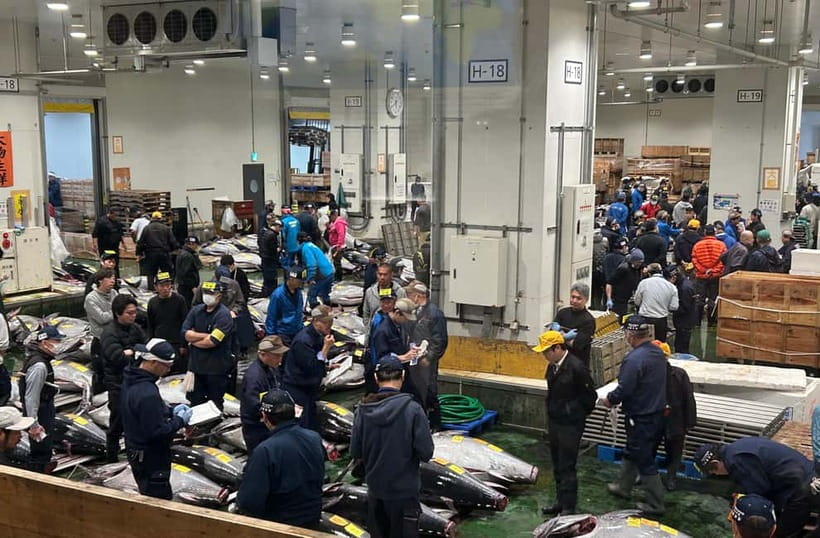
- A real bluefin tuna auction moment at Toyosu, with help translating the process
- Private, small-group pacing (up to 10 people) so you can shop and eat at your speed
- Market tool shopping for knives, pottery, matcha whisk, and wasabi grater
- Tsukiji Old Outer Market food focus with tastings and easy-to-follow stops
- Backup viewing exists if you do not win the lottery, usually from a different floor
- Guides who bring the story with diagrams and clear explanations you can actually use
First light meeting: how the morning starts without chaos
This tour is built around one simple truth: Toyosu is not the place for casual starts. You meet your guide around 5:00 am, either at your hotel lobby or at the ticket gate of Shijō-mae Station on the Yurikamome Line, depending on what you choose. If you plan to meet at Shijō-mae, note that the escalator shutters do not open until 5:00 am, so stairs or the elevator will be your friend.
Communication is part of the design. Your guide contacts you in advance through WhatsApp or the GetYourGuide app, and you’ll want your phone ready for Japanese-number notifications. Bring what you need for the auction viewing lottery too, since you may be asked for passport or ID if you win.
Because trains and buses can be limited this early, you should plan on a taxi for getting from your hotel to the market area. One practical tip from how this experience runs: staying in the Toyosu, Tsukiji, or Ginza areas reduces taxi time and cost, so you get more energy for the market.
You can also read our reviews of more private tours in Tokyo
Toyosu tuna auction: what you’re actually seeing
Toyosu is fast, loud, and strangely clean. Even if you’re not a seafood expert, you will understand the scale once the market rhythm kicks in. The auction itself is the headline, with professional buyers evaluating bluefin tuna and bidding in real time. Watching it with a guide makes the biggest difference, because you get the “why” behind the movement, not just the motion.
Here’s what I like about this part of the morning. A good guide does not treat the auction like a magic show. They explain the decision points, the flow, and what is happening at the buyer level, so the bids feel meaningful instead of random. In past tours, guides like Nobby and Emi have used visual aids like diagrams or picture-based explanations, which helps you connect what you see to what it means.
Auction viewing also has a big practical variable: observation position. If you enter the optional lottery for the 1st-floor observation deck, you might watch from extremely close quarters. If you do not win, you can still see the auction from the 2nd floor, so you are not left out entirely.
One more important seasonal detail. For December, the lottery does not take place at the end of the month, so viewing happens from the second floor. If you’re traveling late December and this is your top priority, set expectations and plan for the 2nd-floor experience.
Touring the professional market: learning the seafood supply chain
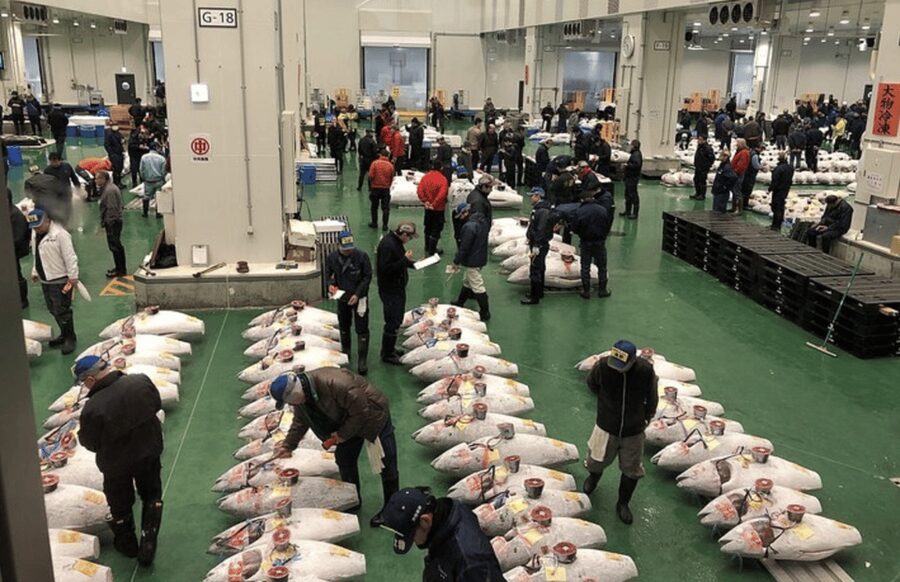
After the auction, you keep moving through Toyosu like an insider. This is when the tour stops being only about spectacle and starts being about systems. You’ll visit sections with seafood handling and market operations, and you’ll see how everything connects to why the auction matters.
This is also where the private format pays off. With up to 10 people, you can stop when something catches your eye, ask quick questions, and keep your pace. You won’t spend the morning herding around with a large group trying to catch up.
This “learn-by-walking” style comes up again and again in the feedback. People consistently mention that the guide made the auction clearer and that the rest of Toyosu felt guided rather than overwhelming. One practical advantage is timing. If the guide knows where crowds build, you get to the good viewpoints and food spots earlier, instead of playing catch-up.
Sushi or seafood breakfast: how to eat without turning it into a long detour
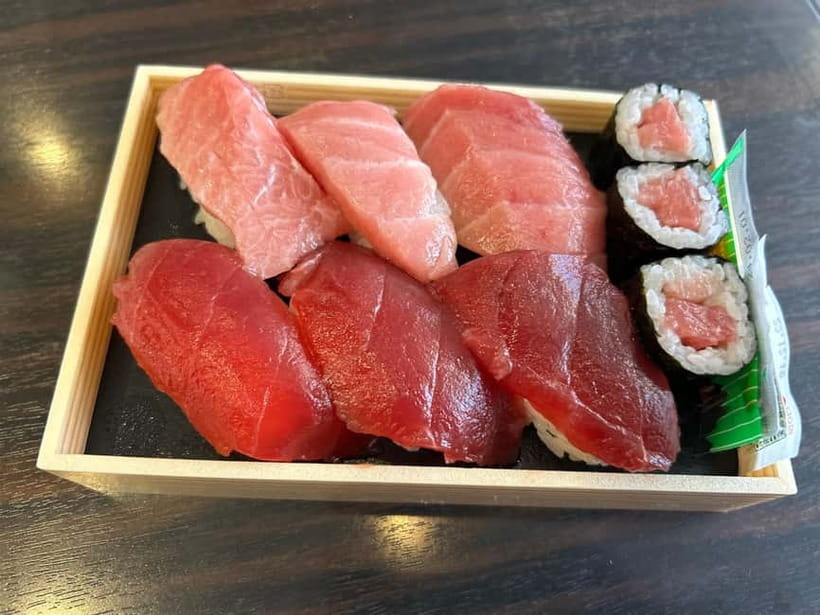
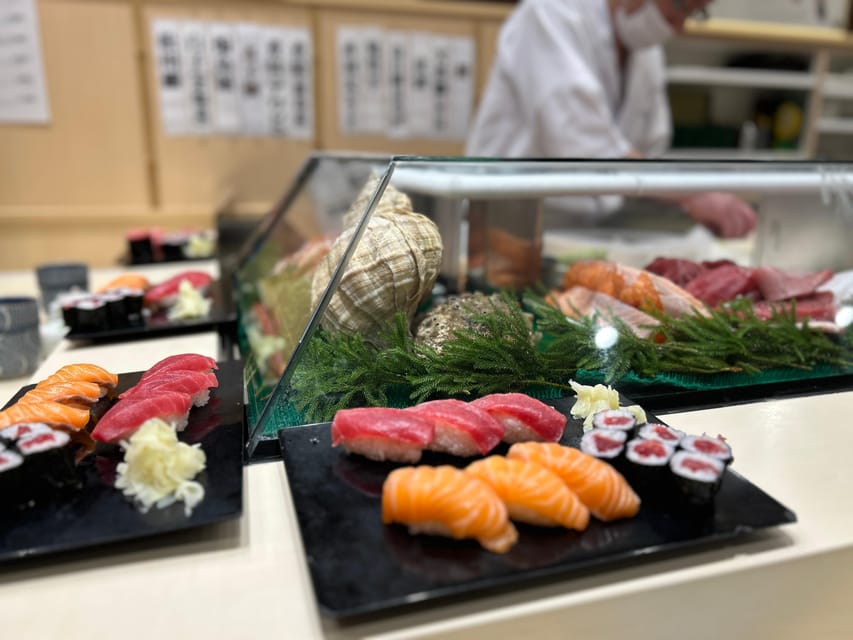
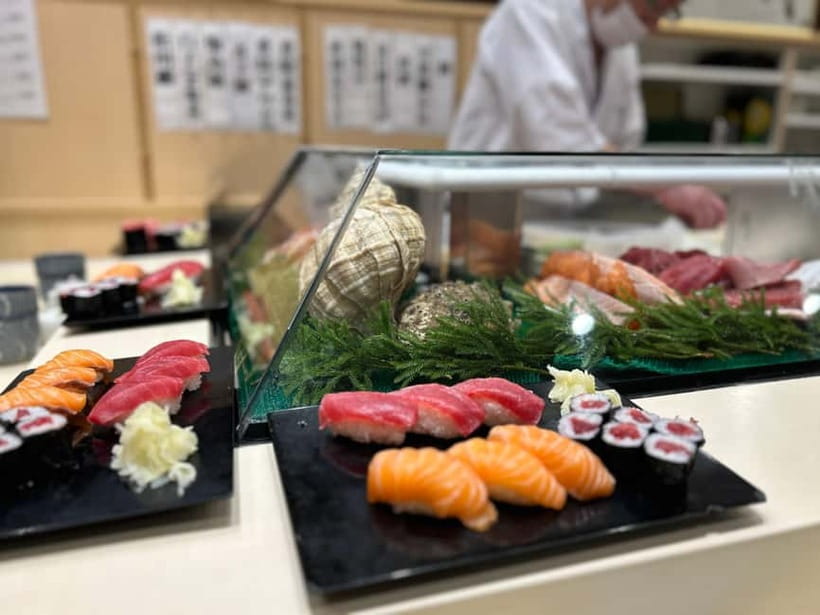
At some point during Toyosu and Tsukiji time, you’ll have a sushi or seafood breakfast option, which can be at either market depending on the flow of your morning. The tour’s price does not include breakfast or drinks, but your guide can steer you toward the right stalls or small restaurants based on what you want to try.
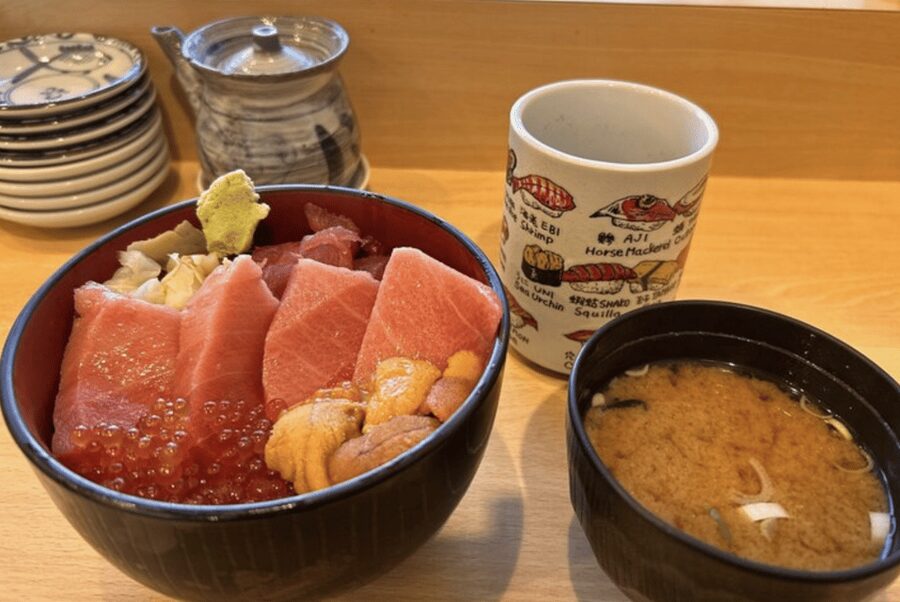
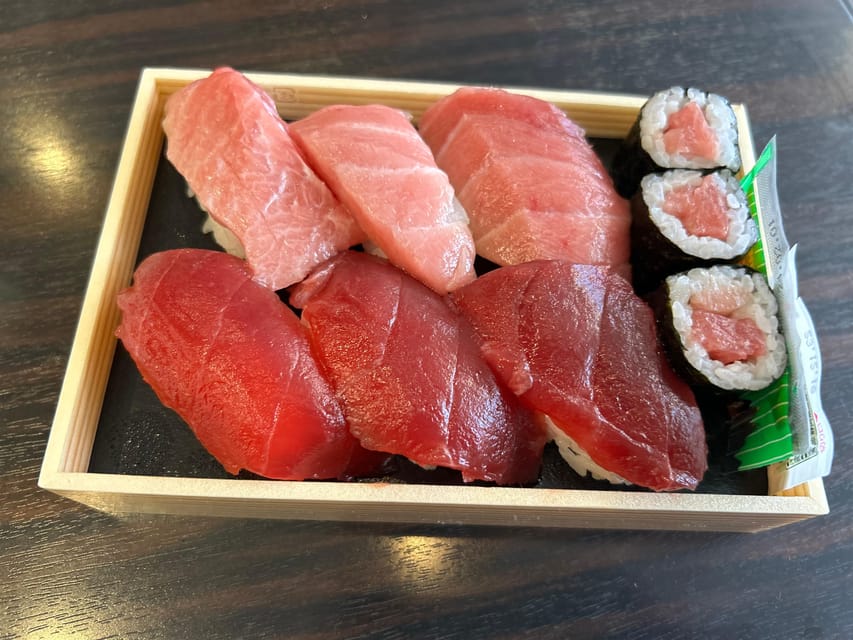
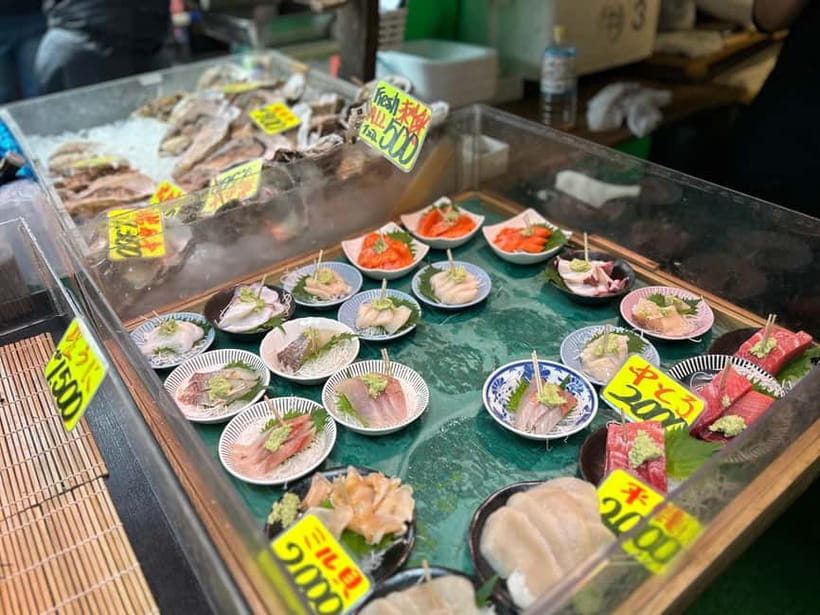
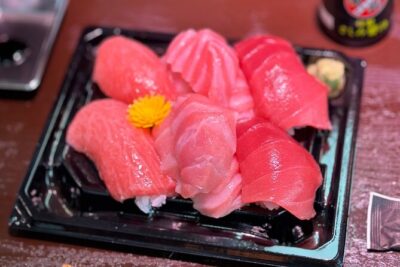
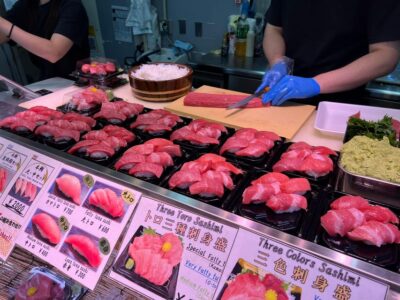
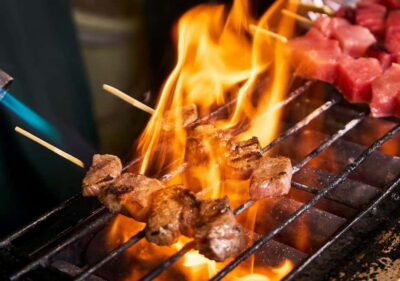
What you should expect from the food angle in this tour is variety, not just one signature bite. Expect choices around sushi and seasonal seafood, plus classic market flavors like matcha, mochi, tamago, and grilled eel. You’ll also see plenty of snackable options in the Outer Market, like yakitori and sashimi-sliced seafood.
If you have dietary needs, good news: vegetarian and vegan guests are welcome, and your guide will help find ingredients that match your plan. I’d still go in with the mindset of flexibility, because market food is ingredient-driven. The guide’s job here is to help you translate the market into something you can actually eat comfortably.
Tsukiji Outer Market: knives, pottery, and the food sprint
Once the auction energy settles, you transition to Tsukiji Old Outer Market by local bus. This part keeps the morning efficient. You do not have to figure out routes while you’re tired and half-awake, and you arrive ready to shop.
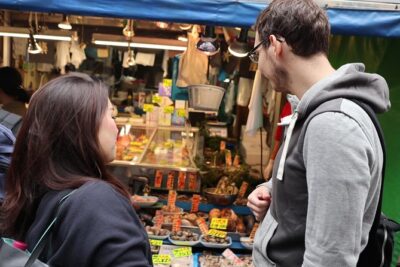
In Tsukiji, the tour becomes two things at once: browsing and eating. You can expect guided stops in the Outer Market experience, including time around pottery shops, sushi and seafood stalls, and vendors selling items like dried mushrooms and kombu. If you’re the type who likes to bring home cooking upgrades, Tsukiji is where this tour earns its keep.
The shopping list in this experience is specific, not generic. You may look for Japanese kitchen knives, chopsticks, matcha whisk tools, wasabi graters, and pottery. People also mention tax-free shopping help, like pointing you toward the refund area when needed, which saves time later when you are already carrying bags.
There’s also an optional shrine visit. It’s short and low-pressure, but it adds a quieter moment in the middle of the market rush, which can be helpful if you want the morning to feel more balanced.
You can also read our reviews of more shopping tours in Tokyo
Food strategy: what to target, and why it tastes different here
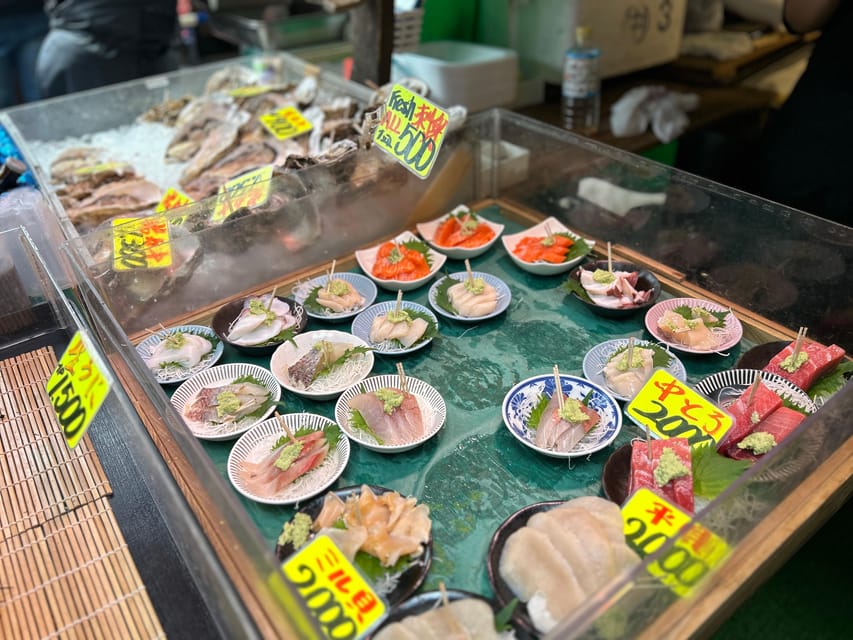
This is one of those tours where you do not want to turn your brain off and just grab random food. The guide-led approach matters because markets have lots of choices and lots of decoys. I like how the tour is set up so you try signature items without wasting time searching.
Here are foods that fit the morning vibe and match what the tour is built around:
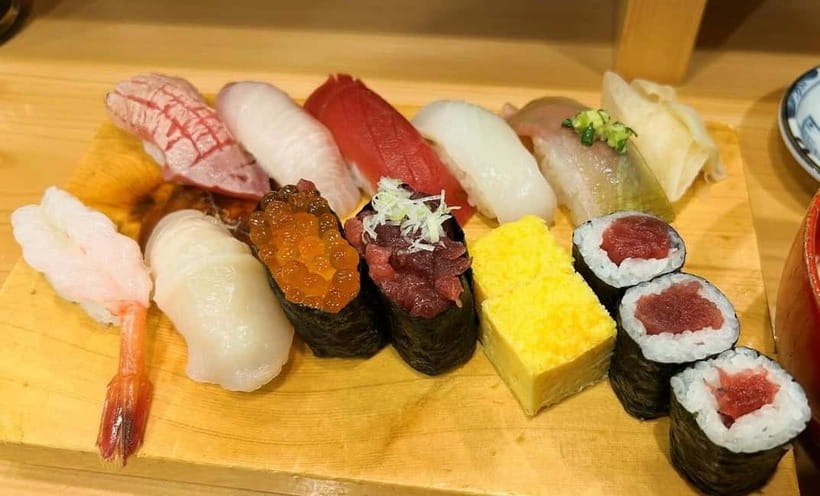
- Sushi and fresh seafood: eaten early, it tends to feel lighter and cleaner than later meals. A guide can help you choose where the fish looks best and where the shop moves quickly.
- Tamago: sweet egg omelet bites are a great break between fish-heavy sampling.
- Matcha: you’ll get the chance to taste it, and you might also shop for matcha tools like the whisk.
- Mochi: chewy, satisfying, and ideal as a snack while you browse.
- Grilled eel: this is a classic market flavor and easy to understand once you smell it cooking.
- Yakitori and other street snacks: quick, hot, and practical when you are walking constantly.
One practical note: because breakfast and tastings are not fully spelled out as included meals, I recommend you budget for what you order. The money you spend is part of the value here, because the guide helps you land on choices that match your taste and do not waste your early hours.
Shopping for kitchen tools: how to buy smarter than tourist mode
If you’ve ever walked through a market with a vague idea of wanting something “Japanese,” you already know how that goes. You buy a souvenir version of a product, then wonder if it was worth the luggage weight.
This tour helps you buy better by keeping your shopping tied to real culinary use. You can focus on tools you will actually use: kitchen knives, chopsticks, matcha whisk gear, wasabi graters, and related kitchen accessories. You may also see pottery items that work as functional tableware or brewing pieces, not just decoration.
From the experience feedback, people especially loved when guides pointed out where to go for specific categories, like high quality knife options and matcha-related items. Another recurring theme is that guides kept stops efficient, so you can shop without losing the morning.
If you plan to purchase big items, bring cash and plan for packaging. The tour data explicitly suggests bringing cash, which usually helps in a market environment where payment options vary by stall.
Price and value: is $153 per person a smart deal?
At $153 per person for about 3 hours, this is not a bargain-basement market walk. It is priced like a focused morning with an English-speaking guide and private pacing.
So is it worth it? For me, the value comes from three places:
First, you’re paying for auction interpretation. Watching the tuna auction is one thing, but understanding the process fast is another. Guides who use diagrams or clear explanations help you turn a chaotic moment into something you can talk about later.
Second, you’re paying for time efficiency. The morning includes Toyosu, then Tsukiji, with controlled transitions and guided stops. Instead of spending your limited energy trying to navigate early-morning logistics, you follow a plan designed for this specific rhythm.
Third, you’re paying for better shopping and food decisions. The tour is not just “go see markets.” It helps you choose what to buy and what to eat, including insider recommendations that often land people at great places without overspending or sampling the wrong thing.
If your goal is only one market, you might find cheaper options. But if you want the auction plus the Outer Market shopping and food culture in the same half-day, this format usually makes sense.
Logistics that matter: transportation, timing, and what to bring
Two things can make or break your morning: how you get there and how you show up prepared.
Transportation basics
You’ll need a taxi from your hotel because early morning public transit is limited. Your tour guide can meet you at your hotel, but taxi fare is on you. Then, the bus takes you from Toyosu to Tsukiji.
What to bring
- Passport (or ID) for potential auction lottery verification
- Cash for purchases and market snacks
Also download WhatsApp if you do not already use it, since your guide may reach you through it and you need notifications enabled.
Timing expectations
Plan for a true early start. If you are used to late mornings on vacation, this tour will feel intense at first. The reward is that you see markets the way they operate, not how they look later when crowds arrive and stalls have already changed their lineup.
Who should book this private Toyosu and Tsukiji morning?
This experience fits best if you want a guided, high-impact market morning with a seafood anchor. It’s especially good for:
- Food lovers who want sushi plus street snacks and want help choosing
- People who love shopping for kitchen tools like knives and matcha gear
- Travelers who prefer a private guide because they want flexibility and questions answered
- Families traveling together, since children are welcome and the guide can pace stops
It might feel like too much if you hate early mornings or if you want a slow, leisurely market stroll. This tour is a moving schedule with plenty of walking, and you’ll need stamina.
It also helps to know that the group is limited to 10 people. That still means you will be in a crowd environment, but it is not a mass-tour crush.
Should you book? My practical call
If you care about the tuna auction as more than a photo stop, I think this is a strong booking. The guide support is the difference between watching something and understanding it, and the Tsukiji portion gives you a satisfying follow-through with food tastings and real shopping for cooking tools.
I’d book this tour if you are staying somewhere near Toyosu, Tsukiji, or Ginza, so the taxi part stays manageable. I’d also book it if you’re comfortable starting around 5:00 am and you can bring passport and cash.
Skip it only if the early-morning intensity sounds miserable, or if you mainly want one thing, like just Tsukiji food or just Toyosu photos. For a complete early Tokyo seafood story, this private combo is hard to beat.
More Shopping Tours in Tokyo
More Private Tours in Tokyo

More Tour Reviews in Tokyo






Not for you? Here's more nearby things to do in Tokyo we have reviewed












Tsukiji Market Tours, side by side.
 ★ 5.0Tokyo Tsukiji Fish Market Food and Culture Walking TourFrom $993,184 reviews
 ★ 5.0Tsukiji Fish Market Food and Walking tourFrom $301,724 reviews
 ★ 4.9Tsukiji Fish Market Guided Walking TourFrom $221,397 reviews
 ★ 5.0Tokyo Sushi Making Class in Tsukiji with Professional ChefFrom $491,177 reviews
 ★ 5.0Tsukiji Fish Market Guided Tour and Sushi Making with Pro ChefFrom $104775 reviews
★ 4.7Tsukiji Fish Market Food and Culture Walking TourFrom $96757 reviews
★ 5.0Tsukiji Fish Market Guided Tour and Sushi Making with Pro ChefFrom $104775 reviews
★ 4.7Tsukiji Fish Market Food and Culture Walking TourFrom $96757 reviews
 ★ 5.0Tsukiji Fish Market: Street Food & Culture Walking TourFrom $33669 reviews
 ★ 5.0Tsukiji Fish Market Small-Group Food Walking TourFrom $87621 reviews
This tour also belongs to