
Review · WALKING TOURS
Private Ueno Park Architecture Walking Tour
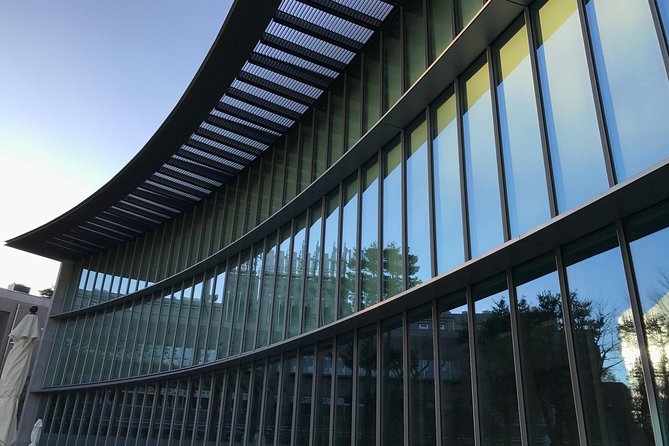
A walk where buildings explain themselves. Ueno Park is usually sold as cherry blossoms and big museums, but this private architecture tour points your eyes at the structures and the designers behind them. I love the exclusive pace for just your party and the way your guide connects architecture styles across the park, from Le Corbusier to Kunio Maekawa and beyond. One consideration, though: this is not an art museum tour of famous paintings. If you want only collections and highlights, the focus on buildings will feel more specific.
The itinerary is also practical, with a mix of paid and free stops and a cozy pause with drinks along the way. It runs about 3 hours 30 minutes, with a morning or afternoon option so you can work it into your Tokyo day. If you have limited walking stamina, plan for moderate physical fitness, because you will move between sites on foot.
Key Points Worth Planning For
- A private guide who keeps the focus on architecture, not museum label trivia
- Le Corbusier in action at the National Museum of Western Art, plus UNESCO recognition
- Kunio Maekawa’s Tokyo Bunka Kaikan across the street, easy to spot and fun to compare
- The oldest building in Ueno Park (1906), the International Library of Children’s Literature
- Tokyo National Museum’s landmark buildings you can mentally map as you walk
- A scheduled drinks break, not just a speed-run of entrances and exits
Ueno Park Gets a Second Meaning: Modern Architecture in a Classic Tokyo Setting
Ueno Park is one of those places where Tokyo history and city life rub shoulders. You may come for spring cherry blossoms or for famous museum names, but this tour turns the park into an outdoor classroom for architectural design. You’ll walk through a series of buildings that show how modern ideas took root in Japan, including works tied to heavyweights like Le Corbusier and local figures who shaped the scene.
I like that your guide is building-literate in a way that stays useful. Instead of treating each structure as a standalone photo stop, you get context for what you are seeing and why it looks the way it does. In one recent experience, the guide Aki stood out for excellent English and a plan that was well prepared, with an obvious preference for architecture over collections.
The result is a tour that feels less like you are rushing through museums and more like you are learning a visual language. You’ll start seeing the grid, the geometry, and the design choices that separate one era from another, even when you are standing in the same park.
You can also read our reviews of more walking tours in Tokyo


Stop 1: National Museum of Western Art and Le Corbusier’s Designer Signature
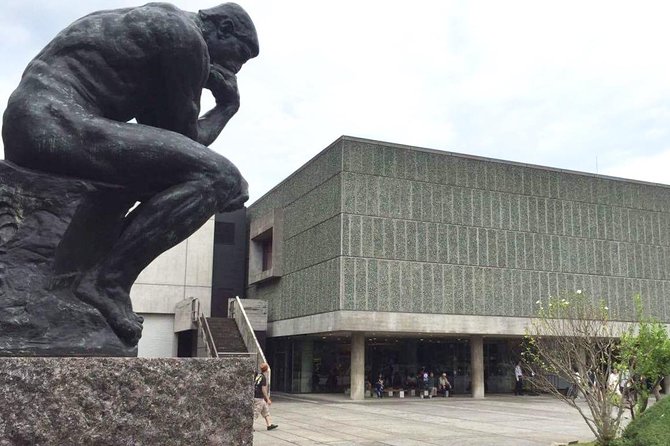
The first stop is the National Museum of Western Art, a Le Corbusier-designed museum. It’s a UNESCO World Cultural Heritage site for its modern architectural value, recognized in 2016, so you are not just looking at a pretty building. You are standing in a piece of architectural history that international design experts still talk about.
What you should do here is slow down your eye. Try to look beyond the entrance and ask what the building is doing with space and light. Le Corbusier’s style often makes you notice proportions and structure, and this museum is no exception. Even if you plan to spend most of your time focusing on architecture rather than art, this building rewards attention to form.
There’s a practical timing note: the stop runs about 40 minutes. That is enough time to get your bearings, check key architectural angles, and step inside if your entry is part of your tour flow.
On the ticket side, the tour description says it includes admission to the National Museum of Western Art, but the stop details also note that the admission ticket is not included for this specific stop. That means you should check your booking confirmation carefully, especially if you prefer fewer surprises. Either way, you will end up with the same architectural payoff, because your guide’s explanation is built around the building itself.
A Walking Comparison Across the Street: Tokyo Bunka Kaikan by Kunio Maekawa
Right after Le Corbusier, you go to Tokyo Bunka Kaikan, designed by Kunio Maekawa. This stop is smart because it sets up an instant comparison. The two buildings are positioned so it almost feels like they are conversing, and the contrast helps you notice what design ideas were shared and what changed.
Maekawa matters here because he was one of three local apprentices of Le Corbusier. That connection turns your walk into something richer than sightseeing. You are seeing how a designer’s influence can travel, then mutate, through local hands and local needs. It’s the kind of architectural thread that makes you feel like the tour is teaching you how to read cities.
This is also one of the quicker stops, about 15 minutes, with free admission. That short time is a feature, not a flaw. It keeps your energy for the longer museum moments and lets your guide land a few key points without pulling the day into a long indoor slog.
If your goal is to understand how modern architecture landed in Tokyo, this stop is one of the most efficient ways to do it. The location and the design connection give you a clear mental map fast.
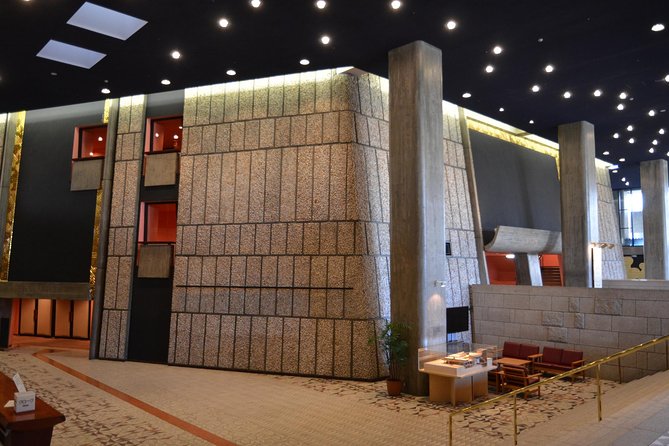
Stop 3: International Library of Children’s Literature, Ueno’s Oldest Building (1906)
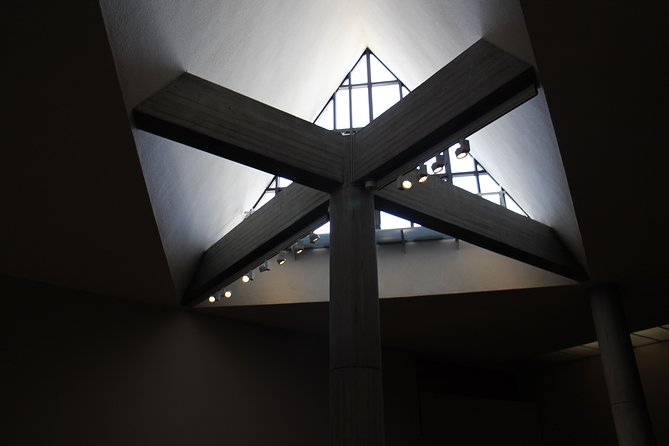
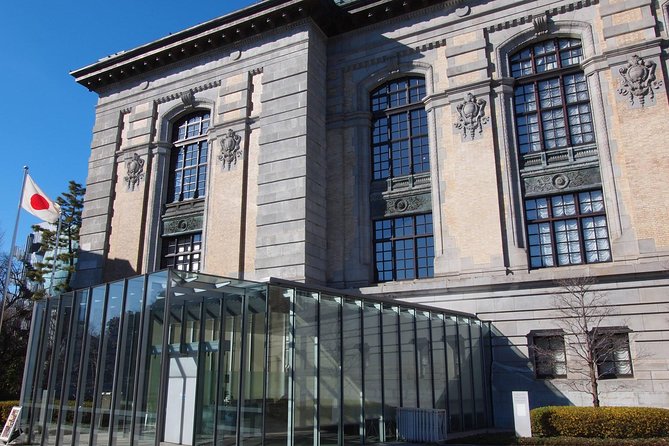
The International Library of Children’s Literature is the oldest building in Ueno Park, constructed in 1906. That fact alone gives the stop a different energy. You are not only comparing famous modern names anymore. You are now looking at longevity, preservation, and how a place keeps meaning over time.
You’ll spend about 40 minutes here, and your guide will point out the preservation and renovation work. The building also includes newly built structure elements that create an interesting old-and-new contrast. This is a great stop if you like architecture that shows how cities handle time, not just how they celebrate it.
This stop also tends to work well for mixed interests in a group. Even if one person is most excited about big museum buildings, the library concept can pull others in. If you have kids or family members, the subject matter makes the place feel easier to connect with, even though the tour itself stays architecture-focused.
One thing to keep in mind is that older buildings often mean you should dress for comfort. Ueno is a park setting, and the walk between sites can involve changing sunlight, shade, and walking surfaces. It’s not a problem, just something to plan for.
Stop 4: Tokyo National Museum and Four Architectural Landmarks
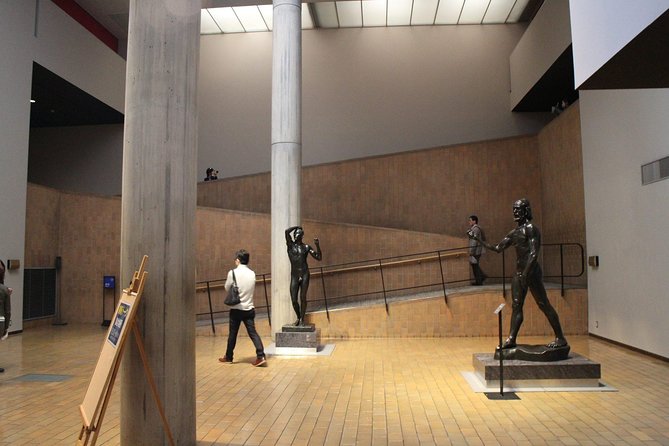
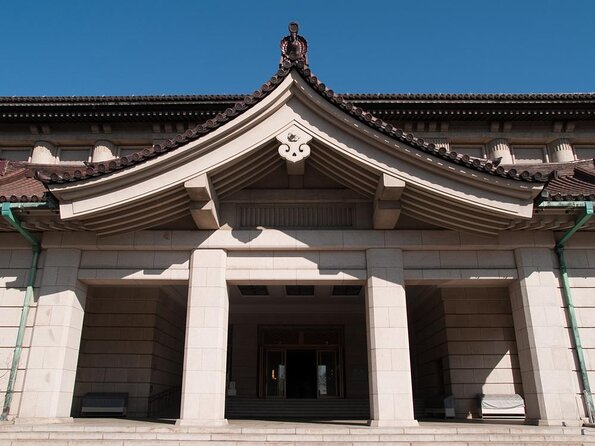
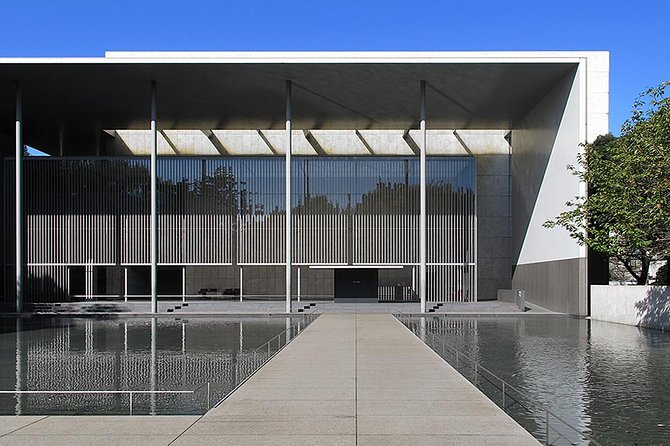
Tokyo National Museum is where the tour’s architecture theme becomes a walkable timeline. You’ll spend about 30 minutes and focus on four big architectural works: Hyokei-kan, Hon-kan, Toyo-kan, and the Gallery of Horyuji Treasure. Your guide ties them to historical backgrounds across the years, from 1908 to 1999.
What I like about this approach is that it avoids the common museum trap where you feel like you are collecting facts but not building understanding. Instead, you are mentally grouping buildings by era as you move through the site. The names may sound like a list at first, but your guide turns them into an organized story of design change.
This is also a good stop for people who want something practical from a tour. You leave with a clearer picture of how the museum complex is organized, and you can more easily choose what to revisit later on your own.
The admission details have another small ambiguity. The tour description says the package includes entrance to Tokyo National Museum, and the included section also lists the Tokyo National Museum fee (1000 yen). Yet the stop notes label the admission ticket as not included. This usually means the package may cover it, but you should confirm what your exact ticket includes on your confirmation message so you do not end up scrambling.
In real-life terms, you should think of this stop as the payoff. It brings together modern influences and older monumental museum architecture in one place, and it gives you the feeling you actually learned how Tokyo museums are built and expanded over time.
You can also read our reviews of more private tours in Tokyo

The Private Guide Factor: Why This Tour Feels Better Than a Museum Loop
A big reason this tour earns such high marks is that it stays private and centered on your party’s pace. That matters in Tokyo, where crowds can make museum visits feel like controlled chaos. With a dedicated guide, you are not competing for attention, and you can ask small questions when something catches your eye.
In one experience, the guide Aki was specifically praised for excellent English and for being well prepared. That kind of preparation shows up as quick, clear explanations at the exact moment you are looking at the building, not later as a general lecture. It also helps that the tour is architecture-first. One of the strongest compliments is that the guide does not steer the day into a deep dive on artwork or artifacts. You come for the structures, and you leave with structures in your head.
The tradeoff is also clear: if you want the museum collections to be the main event, you might find the approach too focused. The tour is designed to help you notice design decisions and historical architecture context. It’s still a great day at museums, but it’s not a replacement for spending hours with catalog-level art content.
Timing, Tickets, and What You’ll Likely Do With Your Day Afterward
The whole tour runs about 3 hours 30 minutes. That length is long enough to feel like you got something meaningful, but short enough that you can keep the rest of the day open. If you schedule this near the center of your Ueno visit, you’ll get more out of the time afterward, because you’ll know what to look for visually when you wander back through the park.
The tour includes admission to Tokyo National Museum per the included list, and it includes a cozy drinks pause during the walk. Beyond that, ticket inclusion for the National Museum of Western Art looks inconsistent between the overview and the stop notes, so treat it as a check-your-confirmation moment. The Tokyo Bunka Kaikan stop is free, which is helpful for planning your wallet during the tour.
Also remember that there is no hotel pickup or drop-off. You meet at a specific start point near JR Ueno Station, and you end at a different location near Ueno Park, at VIEW ALTTE 公園口 ticket machine area. This is the kind of detail that makes a tour easier for independent travelers, since you can move directly through the transit network before and after.
Who Should Book This Architecture Walk, and Who Might Skip It
This tour is a strong match if you love design, want context for modern Japanese architecture, or you just want Tokyo to feel more like a story you can read. It’s also good if you prefer guided explanation that stays practical and built around what you are actually seeing.
It’s less perfect if your main goal is museum collections. Because the guide keeps attention on architecture, the day will not give you the same kind of art or artifact-focused experience as a classic museum highlight tour.
If you are traveling with a small group, the private format can also feel like better value. At $146.59 per person for a half-day worth of guided architecture plus at least one museum admission clearly listed as included, it tends to pay off when you can actually use the private nature. If you have only one person and still want a guided building story, you can still do it, but the value is usually best when the group size supports the private pricing.
Should You Book the Private Ueno Park Architecture Walking Tour?
If you want Ueno Park to be more than a scenic break, I think this is an easy yes. The strongest reasons are the architecture-first approach, the high-quality guide experience (including excellent English in at least one recent case), and the lineup of buildings that creates real design comparisons. Le Corbusier’s museum, Kunio Maekawa’s Tokyo Bunka Kaikan, and Ueno’s 1906 library building are the kind of combo that gives you a clear before-and-after in how you see the park.
Book it if architecture, design history, and how buildings reflect their era are your kind of travel. Consider it a risk only if you are mainly chasing museum collections and would rather spend your time on the art than on the buildings themselves.
FAQ
How much does the Private Ueno Park Architecture Walking Tour cost?
The price is $146.59 per person.
How long is the tour?
It runs about 3 hours 30 minutes.
Is this tour private or shared?
It is a private tour/activity, exclusively for your party.
Does the tour offer a morning or afternoon departure?
Yes, you can choose a morning or afternoon departure to fit your schedule.
What is included in the price?
The tour includes a private professional guide, entrance fee to Tokyo National Museum (1000 yen), and a cozy pause with drinks along the way.
Are museum tickets included for every stop?
Not always. The stop details list admission for the National Museum of Western Art and Tokyo National Museum as not included, while the included section specifically lists the Tokyo National Museum fee (1000 yen). Double-check your confirmation for what you personally need to pay for at each site.
Which stops are part of the walking route?
The tour includes the National Museum of Western Art, Tokyo Bunka Kaikan, the International Library of Children’s Literature, and Tokyo National Museum.
Are any stops free to enter?
Yes. Tokyo Bunka Kaikan and the International Library of Children’s Literature are listed as free.
Where do we meet and where does the tour end?
You start at 7-chōme-7-7 Uenokōen, Taito City, Tokyo 110-0007, Japan, and the tour ends near VIEW ALTTE 公園口券売機横 at 7-chōme-1-1 Ueno, Taito City, Tokyo 110-0005, Japan, near JR Ueno Station.
Is hotel pickup or drop-off included?
No. Hotel pickup and drop-off are not included.
What kind of physical fitness level is needed?
It notes a moderate physical fitness level.
More Walking Tours in Tokyo


More Tours in Tokyo






More Tour Reviews in Tokyo


Not for you? Here's more nearby things to do in Tokyo we have reviewed












Walking Tours, side by side.
 ★ 5.0Tokyo Tsukiji Fish Market Food and Culture Walking TourFrom $993,184 reviews
 ★ 5.0Imperial Palace and Shogun Historical Walking TourFrom $222,251 reviews
 ★ 4.9Shinjuku Local Bar and Izakaya Guided Walking TourFrom $341,794 reviews
 ★ 5.0Tsukiji Fish Market Food and Walking tourFrom $301,724 reviews
 ★ 4.8Asakusa Walking Tour with Sensoji Temple VisitFrom $221,583 reviews
 ★ 4.9Tsukiji Fish Market Guided Walking TourFrom $221,397 reviews
 ★ 4.7Tokyo Castle & Imperial PalaceーShogun Walking TourFrom $231,068 reviews
 ★ 4.9Imperial Palace Japanese History Walking TourFrom $32987 reviews
This tour also belongs to