
Review · WORKSHOPS
Private Workshop to Create Paper Last for 1,000 years in Ueno
Paper making in Tokyo, hands-on.
This private washi workshop is all about doing the work, peeling bark fibers, beating them, and forming your own sheets. I also like the tasting break, with original Japanese paper tea made from kozo leaves plus local sweets while your paper dries. One heads up, there is a cat in the workshop, so if allergies are a concern, tell the team ahead of time.
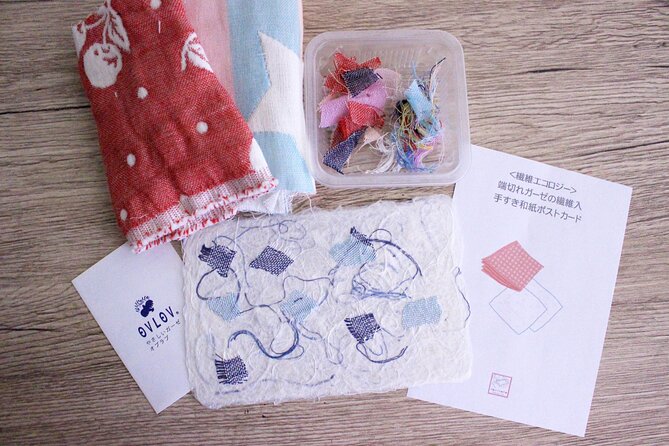
You’ll create 4 items in about 2.5 hours, including two postcard designs plus Rakusui paper and an A5 sheet. Since it’s just your group, you get more patient instruction than you would in a packed class. The pace is active, so it helps to show up ready to get your hands involved.
You start with the full method, including Hyouhitor (peeling off the outer bark) and Dakai (beating tree fibers), then you form the sheet using a mold and deckle. If you like crafts that leave you with something real, not just a souvenir photo, this one is a solid choice.
Key highlights to know before you go
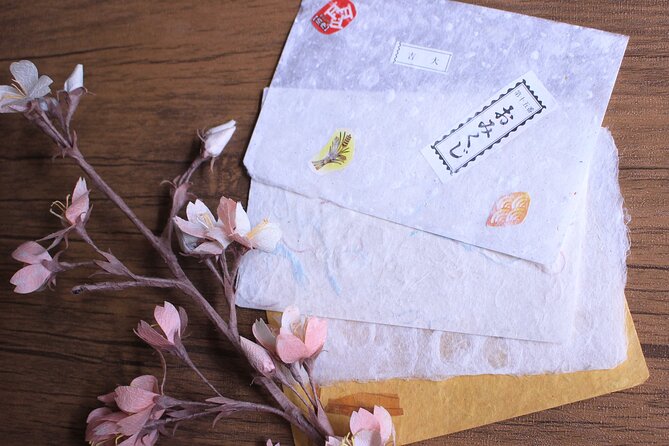
- Full Japanese papermaking process from kozo fibers to a finished sheet
- Four finished products: two postcards, Rakusui paper, and A5 paper
- Hyouhitor and Dakai are included, not just a quick demo
- Kozo-leaf Japanese paper tea plus Japanese sweets while paper dries
- Private, small-group feel (only your group participates)
- Cat presence with Kami as a mascot, so flag allergies early
Entering a Ueno Washi Workshop That Actually Feels Like Work
Ueno is a great base for cultural days in Tokyo, and this workshop turns that neighborhood into something tactile and personal. I like that you are not watching from the sidelines. You get real steps of the craft, from preparing raw fibers to forming sheets.
Because it’s private, you’re not squeezed into a classroom rhythm meant for strangers. You can ask questions, slow down if you want to understand a step, and generally get the kind of attention that makes a craft feel doable. The session is about 2 hours 30 minutes, so it’s long enough to learn something, but not so long you feel wrecked by the end.
You also start and end at the same place, so you’re not hunting across town mid-class. The meeting point is Japan, 110-0016 Tokyo, Taito City, Taitō, 3-chōme302 市川ビル. It’s listed as near public transportation, which matters, because you will probably want to build this into an easy day without complicated transfers.
You can also read our reviews of more private tours in Tokyo

The Papermaking Steps: Hyouhitor, Dakai, Mold, Deckle, and Sifting
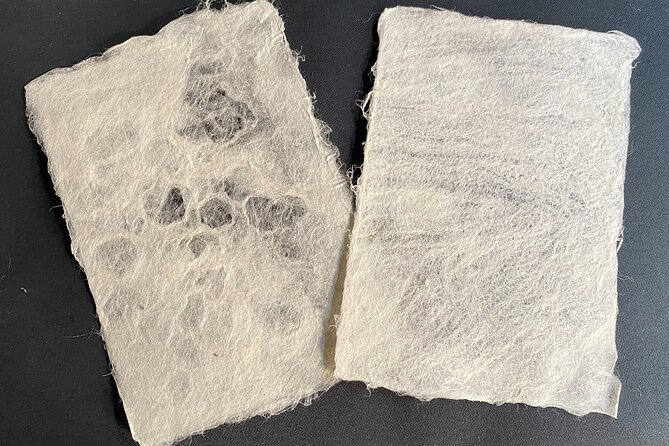
This workshop is built around one big idea: paper is a process, not a product. The instructions go from the tree source to the sheet you can hold.
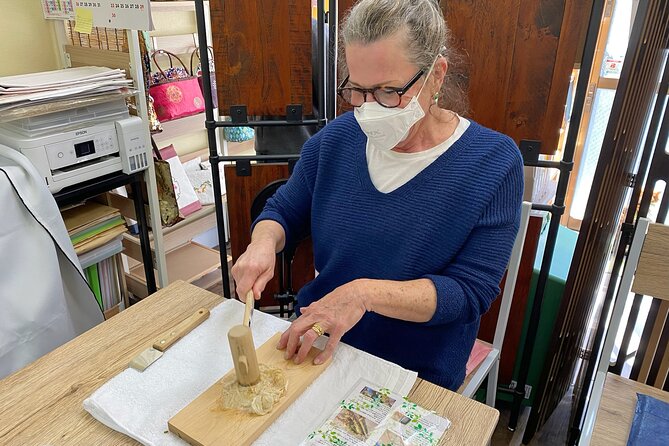
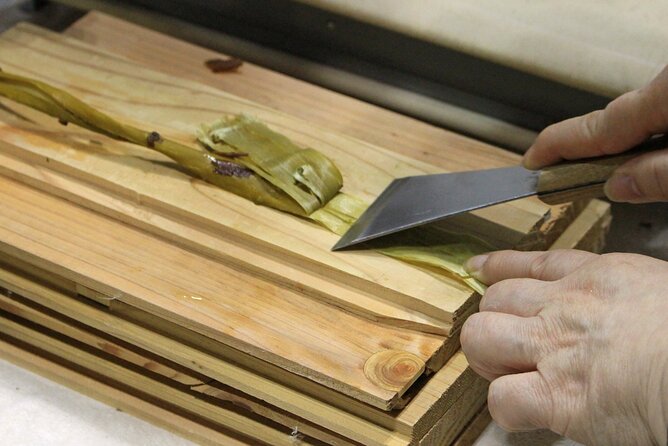
First, you get a general explanation of how traditional Japanese paper is made from a tree. Then you move into hands-on work. You experience Hyouhitor, which is peeling off the outer bark, the kind of step that sounds simple until you try it. The point is to get you thinking like a papermaker, where the raw material preparation controls the whole outcome later.
Next comes Dakai, beating tree fibers. This is where the craft starts to feel physical. Beating fibers is not just for show. It changes the fibers so they work better in the next stage, when you create an even layer on your mold.
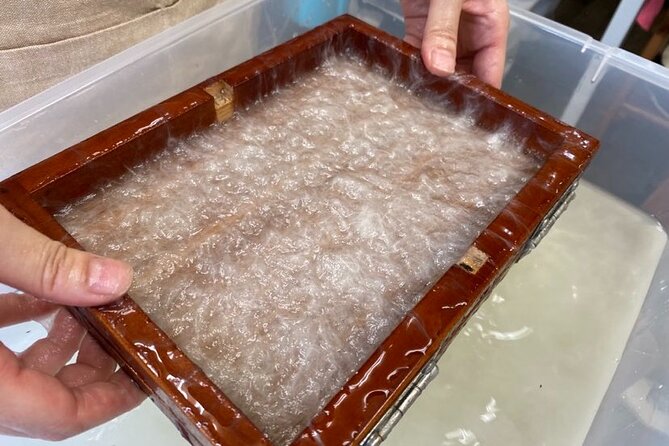
After the prep, you pour the raw material into a papermaking mold and add a deckle. For you, this is the moment where the lesson becomes visible, because the sheet’s shape and thickness start taking form right in front of you.
Then you sift the solution to form an even and flat sheet of paper. That step is key. Uneven sifting means uneven sheets. Even sifting means you end up with paper that looks clean and feels more consistent when you work with it.
Finally, while your paper is drying, you get a break with tea and sweets. Drying is part of the craft reality, so the timing makes sense. You’re not rushed through the fun part while your paper is still fragile.
What You Actually Make: Two Postcards, Rakusui Paper, and A5
You make 4 paper products total, which is a huge part of the value. Instead of one small keepsake, you leave with multiple items you can gift or use.
Here’s how the session maps to the finished pieces:
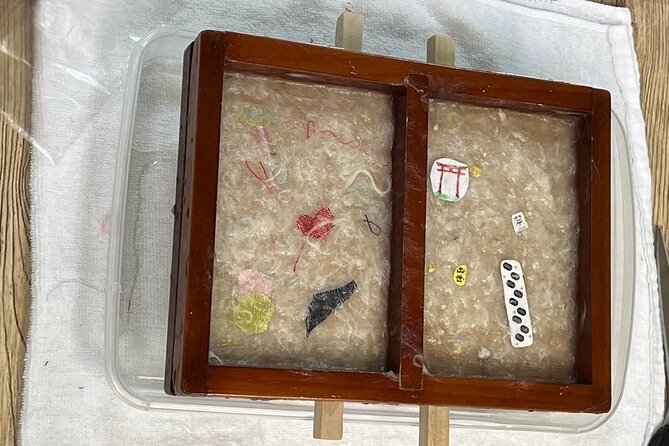
- Two postcard designs: You create two different postcard layouts, so you can make one for travel mail or both for different people. The workshop emphasizes you’ll create two designs, so don’t expect them to be all pre-made.
- Rakusui paper: You also end up with Rakusui paper. This is one of those terms you might see in Japanese paper craft, and having a chance to make your own helps you understand why people care about paper types beyond just looks.
- A5 paper: You make an A5 sheet too. That size is practical for notes, small letters, or simple art practice.
The way the workshop is structured also teaches you how different formats fit the same basic process. A postcard template feels different from an A5 sheet, but they start with the same fundamental sheet-making logic. That’s useful if you’re the type who wants to understand how craft translates into design choices.
And yes, you will create the products during the session. Drying happens as you enjoy your tea break, but the work leading to your items is done in that 2.5 hour window.
The Break: Kozo Leaf Japanese Paper Tea and Local Sweets
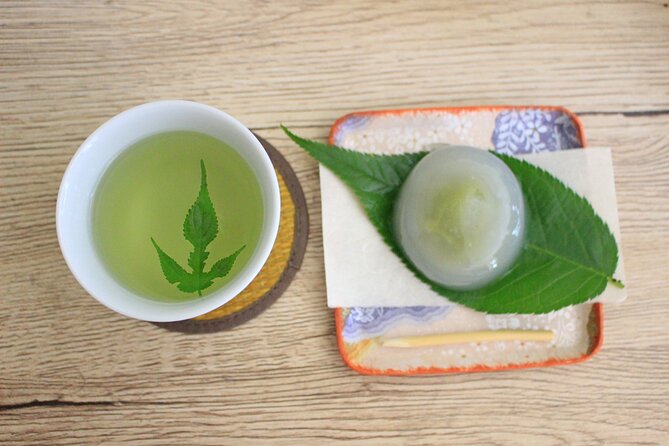
One of the most memorable parts is the pause built into the craft. While your paper dries, you get original Japanese paper tea plus Japanese sweets. The tea is made from kozo leaves, which is the raw material used for making paper.
That connection is what makes the tasting feel more than a snack. You’re basically tying two parts of the same plant story together: kozo used for paper fibers, then kozo used to make tea. It’s a simple idea, but it gives the whole session a stronger theme.
The sweets are sourced from a local shop that the workshop calls beloved. That detail matters because it means you’re not just getting generic packaged treats. You’re likely trying something you would miss if you only stuck to big brand shopping.
If you’re sensitive to sweetness, you can still enjoy the tea portion. The tea is part of the craft experience, so it tends to be the main reason to pay attention during the break, not just the dessert.
Who You’ll Learn With, and How the Cat Kami Fits In
The workshop includes a mascot cat named Kami. The helpful part of the arrangement is that it comes with a clear note: there is a cat in the workshop, so inform the team if you have any allergies.
That’s important for two reasons. One, you can plan with honesty instead of hoping it works out. Two, it helps the staff keep the space comfortable for everyone.
If you are comfortable around cats, it likely adds a fun, local touch to a crafts setting that could otherwise feel too formal. If you’re not, don’t feel weird about saying so. Just communicate allergies or concerns early.
Also, expect that this is a real workshop space where both the craft and the environment matter. You’re working with fibers and paper pulp, so keeping hands clean and staying aware of your workspace is part of doing well.
More Tokyo tours and experiences for the shortlist




Price and Value: Why $143.35 Can Make Sense
At $143.35 per person for a 2.5 hour private workshop, this isn’t a cheap impulse activity. But it can be a good value if you look at what you get, not just what you do.
You’re paying for several things bundled together:
- Private instruction for your group
- Hands-on learning of key papermaking steps (including Hyouhitor and Dakai)
- Materials and guidance to create four finished products
- A break with kozo leaf Japanese paper tea and local Japanese sweets
- A session that ends with usable, take-home paper items
When you compare it to classes where you only make one small souvenir, the math improves quickly. Four products means you can actually use what you make, keep it as giftable stationery, or save it as a paper keepsake that feels tied to a real craft moment.
The listing info also says it’s commonly booked about 31 days in advance on average. That’s a soft hint that popular times may fill up, so if you want a specific date, you’ll want to lock it in sooner rather than later.
Timing and Getting There in Ueno Without Stress
The session runs about 2 hours 30 minutes. Plan your day so you have enough time before and after for transit and wandering Ueno.
You’ll start and end back at the same meeting point, at:
Japan, 110-0016 Tokyo, Taito City, Taitō, 3-chōme302 市川ビル.
A couple practical tips that keep things smooth:
- Build in a small buffer for getting there, since “near public transportation” can still mean a few minutes of walking.
- Wear sleeves you don’t mind getting a little messy, since papermaking involves fibers and wet stages.
- If you have allergy concerns due to the cat, message that during booking, not on the day of.
Also note the activity requires good weather. That matters if your schedule is tight around rain. If it is canceled due to poor weather, you should expect a different date offer or a full refund.
The workshop uses a mobile ticket, so have that ready on your phone.
Who Should Book This Washe-Like Experience, and Who Might Skip
This workshop is for you if you like craft you can talk about later. You’ll have a real story because you will do the steps, not just observe them. It also fits well if you want something more meaningful than a mass-produced souvenir.
It’s especially good for:
- Couples or small groups who want a private experience in Tokyo
- People who like paper arts, stationery, and Japanese culture with a practical side
- Gift-minded travelers who want take-home items that feel handcrafted
You might consider skipping if:
- You are avoiding mess or physical tasks. This is hands-on, including peeling and beating fibers.
- Cat allergies or strong sensitivities are an issue. The workshop does have a cat, Kami, and they ask you to inform them.
Should You Book This Private Paper Workshop?
Yes, I’d book it if you want a hands-on craft that ends with multiple usable keepsakes. The standout strength is the full papermaking workflow you actually get to do, including Hyouhitor and Dakai, plus the tea break that connects directly to kozo leaves.
Book it sooner if your dates are fixed, since it’s typically reserved about a month ahead. And do the responsible thing if you have allergies, because the cat is part of the room.
If you’re in Ueno and want a Tokyo experience that feels real and specific, this is the kind of workshop you’ll remember each time you write on the paper you made.
FAQ
What do I make in the workshop?
You make 4 paper items: 2 designs of postcards, Rakusui paper, and an A5 paper.
How long is the private workshop in Ueno?
The workshop lasts about 2 hours 30 minutes.
Is this tour private?
Yes. It is private, so only your group will participate.
Where is the meeting point?
The meeting point is Japan, 110-0016 Tokyo, Taito City, Taitō, 3-chōme302 市川ビル.
Is Japanese paper tea and sweets included?
Yes. While your paper is drying, you are offered Japanese paper tea made from kozo leaves along with Japanese sweets.
Is there a cat in the workshop?
Yes. The mascot cat Kami is present in the workshop. You should inform the team if you have any allergies.
What happens if the weather is poor or I cancel?
The experience requires good weather. If it is canceled due to poor weather, you will be offered a different date or a full refund. You can also cancel for a full refund if you cancel at least 24 hours before the experience starts.
More Workshops & Classes in Tokyo
More Private Tours in Tokyo


More Tour Reviews in Tokyo






Not for you? Here's more nearby things to do in Tokyo we have reviewed












Workshops, side by side.
 ★ 5.0Sushi Making Tokyo Roll and Authentic Japanese Sushi ClassFrom $593,971 reviews
 ★ 4.9Roll and Authentic Sushi Making Class in AsakusaFrom $581,957 reviews
 ★ 5.0Tokyo Shinjuku Chopsticks Making ClassFrom $201,763 reviews
 ★ 4.9Sushi Making Class in a Happi Coat near a Famous SpotFrom $421,377 reviews
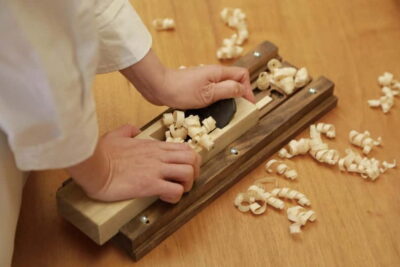 ★ 4.8Chopstick Making Workshop in GinzaFrom $251,366 reviews
 ★ 5.0Tokyo Sushi Making Class in Tsukiji with Professional ChefFrom $491,177 reviews
 ★ 5.0Ramen & Gyoza Cooking Class in Tokyo with Local Supermarket VisitFrom $122823 reviews
 ★ 5.0Matcha Making Class in Tokyo with Authentic Japanese Sweets SetFrom $21744 reviews
This tour also belongs to