
Review · SHIBUYA TOURS
Shibuya Hidden Flavors A Family Friendly Foodie Tour With Guide
Shibuya tastes better with a guide route. This half-day small-group food walk helps you find local eating streets and evening hangouts in an area most guidebooks treat like a postcard. You get a professional guide, time to ask questions, and a route designed to make Tokyo food feel doable.
I especially like how the tour mixes food stops with real Shibuya landmarks you already recognize, so you do not waste time figuring out what to see or eat first. The vibe also leans family-friendly, and one guide named Hiromi is known for adjusting the plan for a kid who has a specific interest, even steering toward a Pokémon Center in Shibuya when it fits.
One thing to consider: the route includes shopping and sightseeing moments (think a big 24-hour store and Shibuya Crossing). If you want only nonstop eating, you may find the sightseeing breaks a bit longer than you hoped.
Key Things That Make This Shibuya Food Tour Work
- Max 8 people, so you can actually ask your guide questions and not just listen
- 4 to 5 food stops picked by your guide, with soft drinks and water included
- Local-night energy at places like Shibuya Nonbei Yokocho, where people go after dark
- Icon stops with purpose, including Shibuya Crossing and the Hachiko area to orient you fast
- Tour can flex for families, with guide Hiromi reported to tailor parts of the walk for a child’s interests
- Easy meeting point at the Hachiko statue, with the walk ending back there
Why Shibuya Hidden Flavors Feels Like a Real Tokyo Walk
Shibuya can be overwhelming fast. The streets are packed, the signs are everywhere, and even ordering a snack can feel like a mini-quest. This tour gives you a focused route so you can spend your energy on food and people-watching, not decision fatigue.
What I like is the balance. You are not stuck in one shopping corridor the whole time, and you are not only chasing famous landmarks either. The tour guides you through the in-between spaces where locals actually eat and linger, then drops you back near the sights you came for.
And because it is a 4-hour walking tour, you get the pacing Tokyo does well: short segments, frequent check-ins, and enough variety that picky eaters still find something that fits.
More Tokyo tours and experiences for the shortlist

Price and Value: What $205 Buys in a 4-Hour Food Walk
At $205 per person, this is not the cheapest way to sample Shibuya. But the value comes from the structure: a professional guide, a small group up to 8, and 4 to 5 food stops chosen for the route.
Food tastings add up quickly in Tokyo, especially if you are buying little portions a la carte while trying to stay near transit. Here, you get the guidance to pick places that make sense for your time window, plus 2 soft drinks and water included. That means you are not constantly recalculating your budget every time you want a drink.
It also helps that admissions for the listed stops are free, so your money goes toward the experience itself, not entry fees. If you have limited days in Tokyo, paying for a tight route can be the smart play.
Meeting at Hachiko, Then Getting Oriented in Shibuya
The meeting point is simple: the Hachiko statue area at 2 Chome-1 Dogenzaka, Shibuya. You start and end back at the same spot, which matters more than it sounds. Tokyo transit is easy, but when your day is already packed, returning to one known reference point can save time and stress.
After that, the tour moves in a logical flow: food streets first, then major visual landmarks, then modern Shibuya stops like Miyashita Park, and finally Hachiko again. It is a route that helps you get your bearings fast, even if you have never been to Shibuya.
Because it is near public transportation and most people can participate, you can usually fit it in without turning the rest of your day into a puzzle. Just do yourself a favor and wear shoes you can walk in for a full half-day.
Stop 1: Shibuya 109, Local Street Energy and Izakaya Choices

The first stop is Shibuya 109, a busy area where local eaters and late-night snack crowds mix together. You have around 45 minutes here, and the point is to show you how Shibuya’s food scene works in real life, not just in photos.
What I think is valuable is the “how to read the place” part. Shibuya 109 is easy to walk through without knowing where people actually stop to eat or what kind of small plates are common. With a guide, you get pointed toward options you might otherwise skip.
A possible drawback is that it can feel crowded. That is part of the appeal, but if your child gets overstimulated or you dislike tightly packed spaces, go in expecting some crowd noise and close quarters.
Stop 2: Shibuya Nonbei Yokocho, a Less Tourist-Led Night Alley
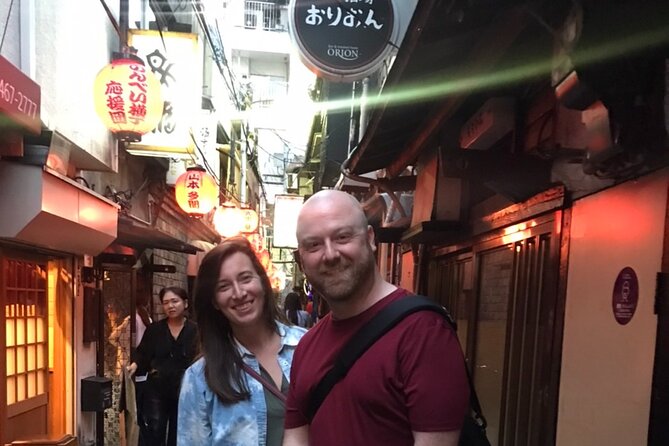
Next up is Shibuya Nonbei Yokocho, described as a hidden alley where you can learn how Japanese people spend their night. You get about 30 minutes here, which is a good amount of time for a short exploration without dragging the whole group.
This is one of those stops that can change how you understand the district. Most people recognize Shibuya as the crossing and the shopping. This alley helps you see it as a place for casual meals, after-work energy, and social hangouts.
Because this section is more about atmosphere than giant sights, the guide’s narration matters. When you know what you are looking for, you can notice tiny cues, like the rhythm of people coming and going, the kind of casual bites served, and how the alley functions as a social corridor.
You can also read our reviews of more guided tours in Tokyo


Stop 3: Shibuya Crossing, the Photo Moment That Helps You Navigate
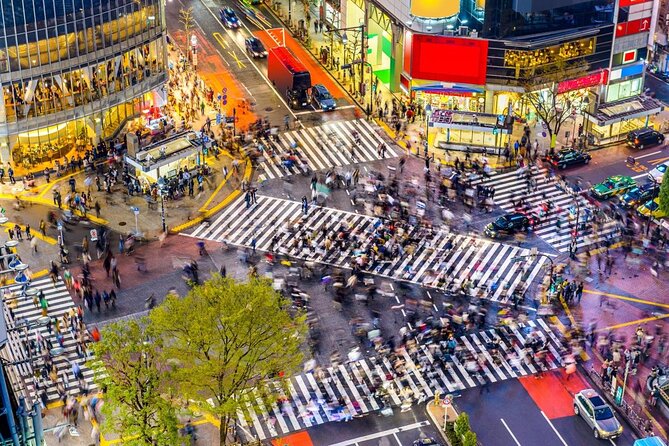
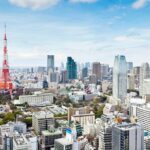
Then you step into Shibuya Crossing. It gets 15 minutes, and the goal is less about spectacle and more about orientation, plus a quick photo. This is the busiest crossing in Japan, with more than 2,000 people crossing every minute, so you are getting the scale you came for.
If you worry about crowds, you are right to. This stop can be intense. But by keeping it short, the tour avoids the common problem of spending too long in the most chaotic spot without a payoff beyond a single snapshot.
Tip: treat this as your “I know where I am now” stop. Once you see it from the right angle with your group, it becomes easier to plan the rest of your day on foot.
Stop 4: MEGA Don Quijote Shibuya, 24 Hours of Everything Snacks Included
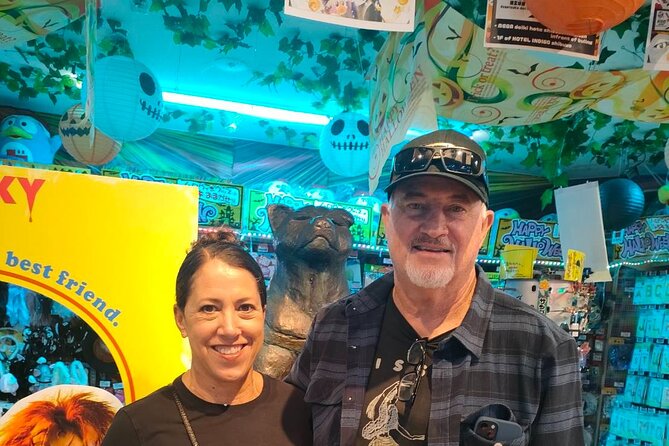
After the crossing, the tour heads to MEGA Don Quijote Shibuya, with about 1 hour on the agenda. This is one of Shibuya’s major 24-hour shopping malls, and yes, it sells almost everything, from sweets to cosmetics, and from food to electronics.
Why this stop is worth it on a food tour: it is where Japanese snack culture shows itself fast. Even if you do not plan to buy much, it helps you understand what locals grab on the way home. You also get a chance to check out practical travel items you might want later, like packaged snacks for long rides.
A consideration here: if your idea of a foodie tour is purely “sit down, eat, repeat,” this may feel like a detour. Use this hour to browse with purpose. Pick one sweet item or one small pack you can bring back, rather than getting lost in the maze of product choices.
Stop 5: Miyashita Park, Modern Shibuya and a Break from the Noise
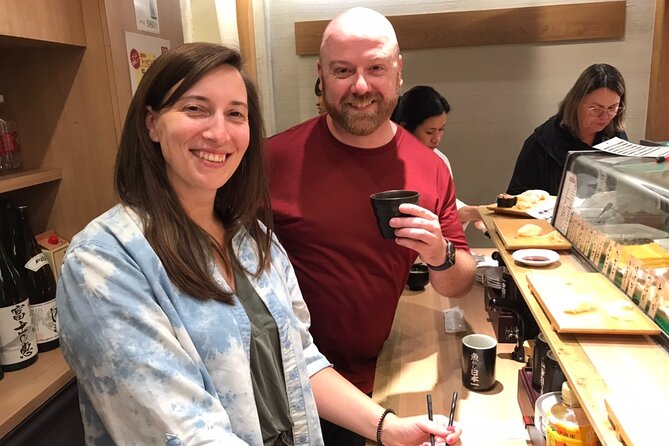
Next is Miyashita Park, scheduled for 30 minutes. This stop matters because it adds a calmer breath of perspective in a district that never stops moving.
Miyashita Park was previously a public park along the Yamanote line, and it has been renovated into a modern, three-story building. It is still in Shibuya, but the feel can be different, more structured, with places to move between floors and get a better sense of how Shibuya keeps evolving.
For families, this can be a useful transition. Kids often do better with a change of pace after a crowded alley and a major crossing. Even adults appreciate it as a reset before the final landmark leg.
Stop 6: Hachiko Again, The Meaningful Ending Back at the Start
The tour ends at Hachiko with about 45 minutes, and that ending is more useful than it looks. Hachiko is an unofficial landmark, a tribute to the Akita dog who waited at Shibuya Station for his master every day, even after his death.
By ending where you started, you finish near transit and familiar streets. It is also a good moment for a last look at the area you just walked through, instead of disappearing into a different neighborhood and losing your sense of direction.
If you are traveling with a child, this ending can work well too. Hachiko is recognizable, and the area is often a natural place to take a final photo and regroup.
The Food Stops: What You’re Really Buying With 4 to 5 Tastings
The itinerary calls for 4 to 5 food stops chosen by your guide, plus water and two soft drinks included. That setup is designed to keep everyone fed without making you feel like you need to plan a full meal around every bite.
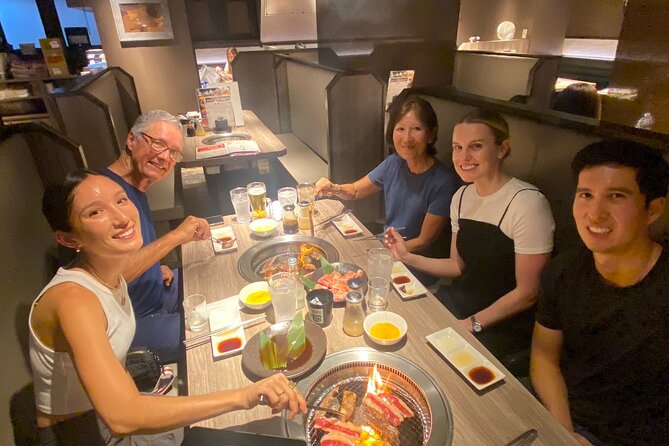
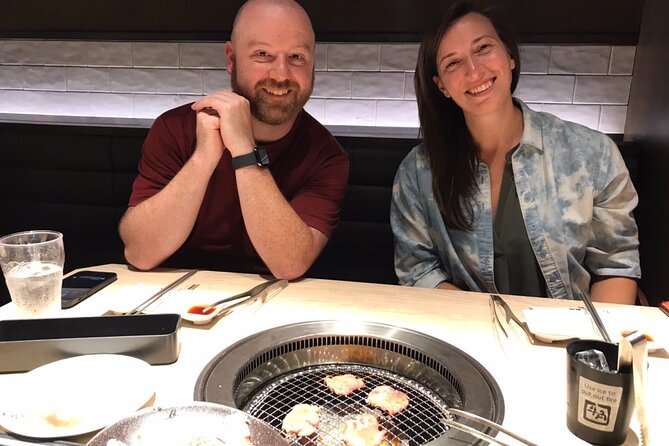
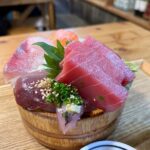
You should expect variety, not one repeat dish all tour. The overall theme is Shibuya flavors across the district, including things like fresh sushi, chocolates, and Japanese meats in the mix.
Here is why that matters: tasting tours work best when they lower the risk of ordering the wrong thing. When your guide chooses what fits the route and your group, you get to sample without guessing menus, translations, or whether a place is right for your time window.
And because it is small-group, your guide can likely adjust if someone is not feeling adventurous. That is especially helpful for families, since kids often want something familiar or want a say in what to try next.
Family-Friendly Without Being Kid-Only
This is described as family-friendly, and the best part is how it can be both structured and flexible. A guide named Hiromi is specifically mentioned for making changes for a son, including a detour to a Pokémon Center in Shibuya when it mattered to the child.
That kind of tailoring is a big deal for families. It tells you the tour is not just an adult schedule with a few kid-friendly smiles. Instead, it is built around questions and comfort, so a child can enjoy the walk, not just endure it.
If you are traveling with younger kids, manage expectations. The route includes crowded areas like Shibuya Crossing and lively shopping spots, so bring snacks, plan short breaks when you need them, and keep a light schedule for the rest of the day.
Small Group Size: Why Up to 8 People Changes Everything
A group of up to 8 travelers (the tour maximum) can sound like a minor detail. In practice, it changes the whole feel.
You are more likely to get answers to your questions. You are more likely to get help when you are uncertain about what to order. And you are less likely to feel like you are being rushed between stops with no time to look around.
This is one reason the guide-led approach works in a complex place like Shibuya. Shibuya is not only about landmarks. It is about dozens of small choices every block, and having a guide to interpret them is the difference between wandering and actually tasting.
What to Pack and How to Plan Your Day Around This Tour
Because it is a 4-hour walking experience, plan for comfortable shoes and a light layer. Tokyo weather can swing, and you will be moving between different kinds of spaces, from busy streets to indoor shopping floors.
Also, do not schedule this tour as the first thing of the day if you have jet lag. Give yourself time to wake up, then do the walk when you can actually enjoy the food and ask questions.
Finally, if you want a spot, booking a few weeks out helps. The tour is typically booked about 23 days in advance on average, so waiting until the last minute can limit your options.
Should You Book This Shibuya Hidden Flavors Tour?
Book it if you want a family-friendly Tokyo food walking tour that gives you both eating street logic and classic Shibuya orientation. The mix of Shibuya 109, Nonbei Yokocho, Shibuya Crossing, a 24-hour shopping stop, Miyashita Park, and the Hachiko area makes it a practical half-day package.
Skip it or consider a different option if your top priority is only seated meals with long sit-down time. This tour is built for walking, tasting, and seeing, with sightseeing and browsing mixed in.
If you are the type who likes to ask questions and learn what local food culture feels like after the guide points you in the right direction, this is a strong choice for Shibuya.
FAQ
How long is the Shibuya Hidden Flavors food tour?
The tour lasts about 4 hours.
What does the tour cost?
It costs $205.00 per person.
How many people are in the group?
The tour has a maximum of 8 travelers.
How many food stops are included?
You’ll have 4 to 5 food stops chosen by your guide.
Where is the meeting point?
Meet at the Hachiko Statue, 2 Chome-1 Dogenzaka, Shibuya, Tokyo 150-0043, Japan.
Does the tour end at the same place?
Yes, it ends back at the meeting point.
What drinks are included?
The tour includes 2 soft drinks and water.
Are alcoholic beverages included?
Alcoholic beverages are available to purchase, but they are not included.
What is the cancellation policy?
You can cancel for a full refund up to 24 hours before the experience start time. If you cancel less than 24 hours before, the amount paid is not refunded.
More Food Experiences in Tokyo
More Tours in Tokyo




More Tour Reviews in Tokyo


Not for you? Here's more nearby things to do in Tokyo we have reviewed












Shibuya Tours, side by side.
 ★ 5.0Official Street Go-Kart in ShibuyaFrom $763,435 reviews
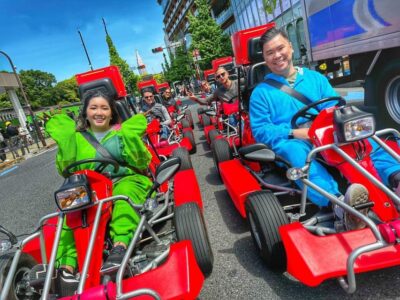 ★ 4.9Street Kart Experience in ShibuyaFrom $741,484 reviews
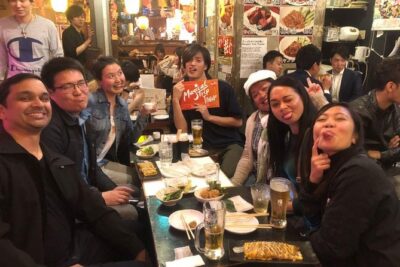 ★ 5.0Shibuya Meltdown Nightlife Tour: All-You-Can-Drink Bar HoppingFrom $1061,058 reviews
 ★ 5.0Shibuya Official Street Go-Kart in Shibuya AnnexFrom $69972 reviews
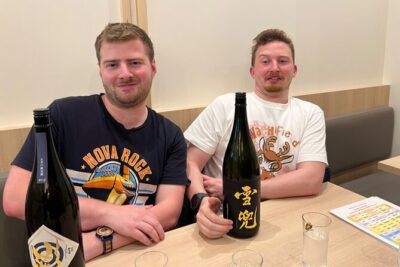 ★ 5.0Shibuya Food Tour (13 dishes and 4 Eateries)From $77770 reviews
 ★ 5.0Best of Shibuya Food TourFrom $217612 reviews
 ★ 4.8Shibuya Highlights Walking TourFrom $19601 reviews
 ★ 4.7Premium Go-Kart Tour with Tower & Shibuya CrossingFrom $116528 reviews
This tour also belongs to