
Review · TOKYO SUSHI CLASSES
Sushi Making Class
Great sushi starts with one simple hand motion. This English-led sushi making class in Shibuya is taught by Chef Ken, a former Hyatt hotel sushi chef with Japan and California experience. I love the small-group feel and the fact that the ingredients are selected daily by the chef, so you are working with freshness, not leftovers. One drawback to consider: it is only about 1 hour 30 minutes, so you will learn a lot, but you will not master every detail the way a full-day workshop would.
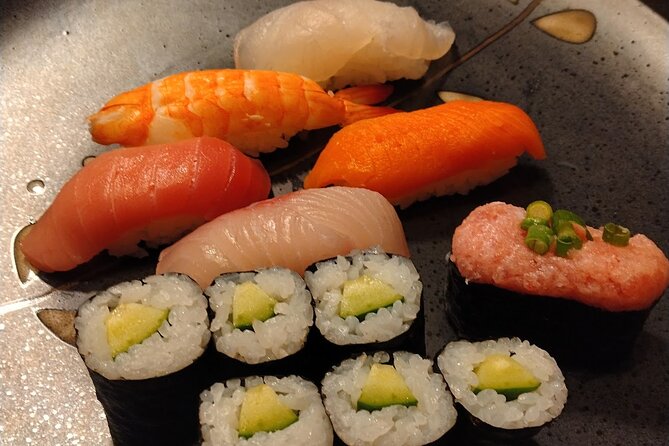
Expect a friendly, direct lesson where you cook, shape, and taste your own sushi. The class focuses on multiple styles, including Nigiri, Maki, Temaki, and Gunkan, so you get variety instead of repeating one roll all night. If you are the type who wants unlimited time to snack and tweak your technique, you might feel a bit rushed by the short format.
Key Highlights You Should Know
- Chef Ken’s English instruction makes the steps easy to follow, not just watch
- Small group size (max 6) keeps the lesson personal and practical
- Daily-selected sushi ingredients means your sushi actually tastes like sushi should
- Four sushi styles in one class so you leave with more than one template
- All equipment and ingredients included, so you show up ready
- Delicious lunch included in the experience flow, so you get to eat your work
Meet Chef Ken, Then Get to Work Right Away in Shibuya
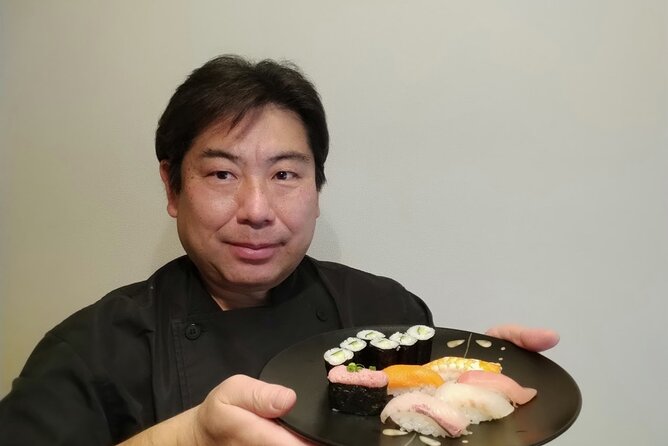
This is one of those Tokyo activities that feels like you are joining a working sushi counter, not attending a performance. You meet at 15-17 Sakuragaokachō, Shibuya, and from there you jump into the process quickly. The class runs about 1 hour 30 minutes, and it ends back where you started, which keeps the day simple.
What I especially like is the teacher background. Chef Ken has experience in hotel restaurants, sushi making classes, and catering service, and he has worked in both Japan and California. That matters because his teaching style is likely to match how English-speaking students learn, with clear step-by-step guidance.
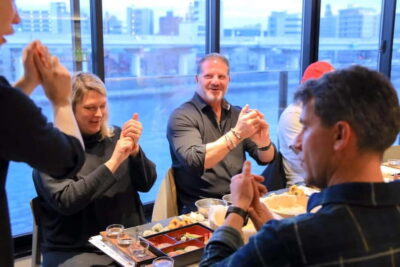
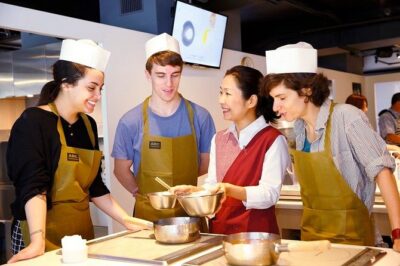
The group is capped at six travelers, and the minimum is two. In practice, that means you are not stuck in a big class where one instructor tries to manage a crowd. You get more chances to ask questions and adjust your technique as you go.
More Tokyo tours and experiences for the shortlist



What Happens During the Class, Step by Step
The flow is straightforward and hands-on. You are not just watching someone assemble sushi while you take notes. You learn how to make sushi rice, how to prepare ingredients, and how to form different kinds of sushi through short, guided stages.
Here’s the typical progression you should expect.
1) Sushi Rice, the Foundation of Everything
Sushi rice is where most first-timers either fall in love or get discouraged. You learn the process of preparing it, which usually includes shaping the rice texture and understanding the key feel you are aiming for. If you get the rice right, everything else becomes easier, because the toppings and forms behave better on properly seasoned rice.
For your first attempts, focus on consistency. Do not worry about perfection in the first few minutes. In a short class, the goal is getting the method into your hands, then refining with the instructor’s corrections.
2) Ingredient Prep, Where Freshness Shows Up
After the rice basics, you move into preparing sushi ingredients. This is where the daily shopping approach matters. The class uses sushi ingredients selected on the day, so what you handle feels fresh rather than prepped hours ago and sitting.
You get to see how ingredients are handled for different sushi styles. Even if you only remember a few tips, you will leave knowing what to pay attention to when you are buying fish in Tokyo later.
3) Nigiri, Hand-Pressed Sushi
Nigiri is the most straightforward style to recognize, and it is often the most instructive. You learn how to make it as hand-pressed sushi, which means rice and topping meet with the right balance of firmness and restraint. This is not about piling things high. It is about technique and touch.
The benefit of learning nigiri in this class is that it teaches you how to think about portion size and structure. When you can form one good piece, you start to understand why sushi has that clean, elegant look.






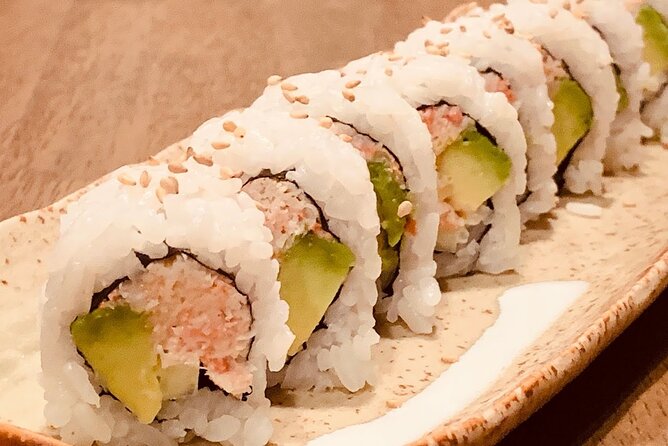
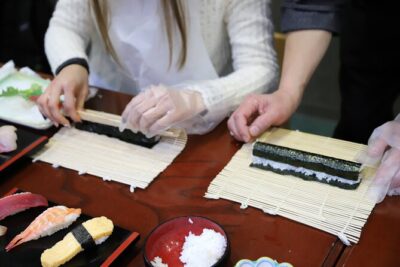
4) Maki, Roll Sushi
Maki is classic roll sushi, and you learn it as roll sushi during the lesson. Rolling is where beginners usually discover they need more control than they thought. You get guidance on how tight or loose the roll should be, and how to keep it from turning into rice crumbs.
Maki is also the style that gives you an instant “now I get it” moment. When the roll comes together, it feels like real progress, not just practice.
5) Temaki, Hand-Roll Sushi
Temaki is the fun, casual cousin of maki. You learn to make hand-roll (temaki), which means forming a cone shape you can actually eat right away. Since it is hand-shaped, it is more forgiving than a perfect tight roll, and it is great for learning how ingredients distribute.
Temaki is also a confidence booster in a class like this, because you can make something visibly correct even on your first try.
6) Gunkan, Battleship-Style Sushi
Gunkan is less common for first-timers, which is exactly why it is worth learning here. You learn gunkan (battleship) sushi, a form that relies on shaping the rice to hold a topping or filling. The structure has to be sturdy enough to support what goes on top.
If you want the “I learned something new” souvenir, gunkan is it. It shows you how different sushi styles are not just about taste, but about engineering.
Small Group Energy, Big Personal Feedback
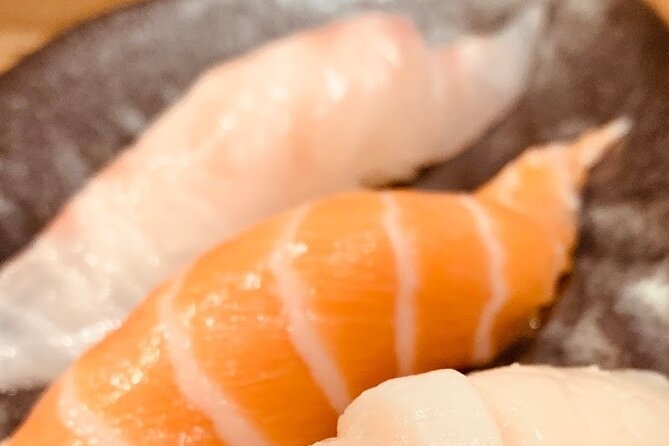
Chef Ken’s class is described as small-group, and the reviews point to a very personal, non commercial experience. That matches what you should look for in a high-value food class: real attention, not a rushed conveyor belt.
In a group of up to six, it is easier for the chef to notice what you are doing on each piece. You can correct your rice handling sooner, and you are more likely to get tips that match your technique, not just generic advice.
One review response highlights how the relationship can feel like family in the class setting. That does not mean it is casual in a sloppy way. It means the atmosphere is relaxed enough for you to ask questions and keep going, even when your first pieces are not perfect.
Fresh Fish Ingredients, Chosen Daily, Not Random

The class puts real emphasis on fresh fish for sushi ingredients and strictly selected ingredients bought on the day. That is one of the biggest quality differences you can feel in your finished sushi.
What this means for you, practically:
You spend less time wondering if the ingredients will taste good, and more time focusing on technique. With freshness, even your first attempts can taste better, which makes learning more rewarding.
It also helps you build realistic expectations. Sushi in Tokyo is not just about the form. It is about the ingredient quality, the way fish is handled, and how everything is balanced.
If you have ever taken a cooking class abroad where the fish felt like an afterthought, you will appreciate this setup more than you expect.
The English Advantage: Clear Steps, Not Guesswork
This class is taught in English, and Chef Ken’s experience includes working for both Japanese and foreign customers. That combination matters, because English instruction in food classes is only useful if the steps are explained in a way that matches how you cook.
In a 1 hour 30 minute class, you cannot waste time on confusion. With English instruction, you can follow along, correct mistakes faster, and understand why certain handling methods matter.
You will also likely pick up small language points you can reuse when ordering sushi later. Even if you do not learn a full vocabulary, you can learn what to ask for and what to look for.
Eating Your Sushi, Then Knowing What You Made
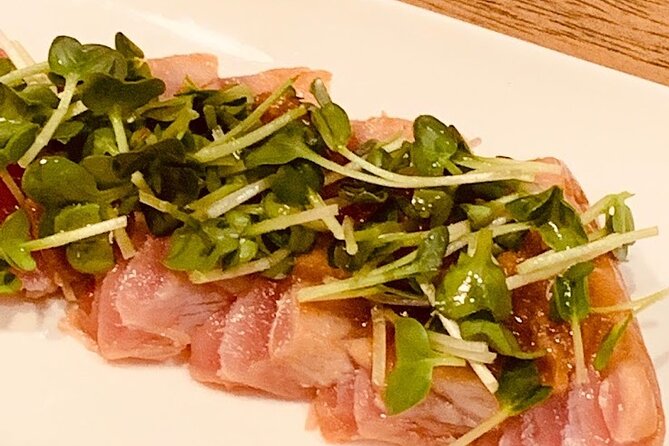
One of the best parts of short classes is that you do not leave hungry. The experience is built around learning the process and then enjoying what you create.
Reviews mention a great delicious lunch, and the class setup supports that. By the time you finish shaping multiple styles, you have a meal in front of you made from ingredients selected daily and prepared with your own hands.
For me, that is the difference between a lesson and a show. When you eat what you made, you can taste the technical choices. You notice how rice texture changes the bite, how topping thickness affects balance, and how roll tightness changes structure.
If you are food-motivated and practical, this class scratches that itch fast.
Price and Value: What $107.26 Buys in Tokyo Time
At $107.26 per person for about 1 hour 30 minutes, this is not the cheapest food activity in Tokyo. But it is priced like an instructor-led, ingredient-forward experience.
Here is what you are paying for that helps justify the cost:
- Small group size (max 6), which usually means more direct attention
- English instruction with a chef who teaches both Japanese and foreign customers
- All equipment and ingredients included, so you avoid surprise costs
- Daily-selected sushi ingredients, which usually cost more than bulk prep
- Multiple sushi styles in one session, so you leave with more variety
If your alternative is buying a generic sushi set and calling it done, this class adds skill. You are not just tasting Tokyo, you are learning how to recreate something close at home.
And yes, you may not nail restaurant-level perfection in one session. But you will leave with working technique for rice, shaping, rolling, and handling. That is real value, especially if you like cooking or want a memorable hands-on souvenir that lasts beyond photos.
Who This Sushi Class Is Perfect For
I think this class fits a few clear traveler types.
You will probably love it if:
- You want hands-on learning in a short time window
- You like structured cooking lessons with real feedback
- You eat sushi and want to understand how the different styles are built
- You prefer smaller classes over big group activities
It may be less ideal if:
- You are looking for a long, slow cooking day with deep theory
- You want something more sightseeing focused, not food technique focused
- You struggle with classes that move quickly, even with English support
If you are on a Tokyo food trip, this works well as a daytime or early evening activity because it keeps the rest of your schedule flexible.
Quick Planning Tips Before You Go
A few practical things can help you get the most out of the session.
Wear clothes you can move in comfortably. Even in a clean cooking class, you will be handling ingredients and rice. Bring a normal travel attitude, not a perfectionist one. Your goal is to learn the method and produce sushi you can eat, not to win a sushi styling contest.
Also, plan your day so you are not rushing. With a 90 minute session and a set meeting point in Shibuya, it is smart to give yourself buffer time to reach the location. If you arrive calm and early, you will learn faster.
Should You Book Chef Ken’s Sushi Making Class?
Yes, I would book it if you want a genuine hands-on sushi lesson in Tokyo without dealing with big groups. The combination of Chef Ken’s English teaching, the small class size up to six, and the daily-selected high-quality ingredients make it feel like you are doing more than a tourist activity.
You also get multiple sushi styles in one short session, including nigiri, maki, temaki, and gunkan. That variety is a big reason the class feels efficient and fun.
If your main goal is a relaxed meal with zero pressure, this class is still a good fit, as long as you can handle learning by doing. The short duration is the only real catch. You will leave with skills, not weeks of mastery.
FAQ
What is the duration of the Sushi Making Class?
The class lasts about 1 hour 30 minutes.
Where does the class meet in Tokyo?
The meeting point is 15-17 Sakuragaokachō, Shibuya, Tokyo 150-0031, Japan.
Is the class taught in English?
Yes. The class is taught in English, and Chef Ken has experience in both Japan and California.
How many people are in the class?
It is a small group with a maximum of 6 travelers, and the minimum number of participants is 2.
What sushi styles will I learn to make?
You will learn how to make different styles, including Nigiri, Maki sushi, Temaki, and Gunkan.
Are ingredients and equipment provided?
Yes. All equipment and ingredients are included, so you do not need to bring anything.
Is the ticket mobile?
Yes. The tour features a mobile ticket.
When does the class operate?
Open hours run from 03/04/2024 to 06/17/2026, Monday through Sunday, 12:00 PM to 7:00 PM.
What is the cancellation policy?
You can cancel for a full refund if you cancel at least 24 hours before the experience’s start time.
More Workshops & Classes in Tokyo

More Tour Reviews in Tokyo
Not for you? Here's more nearby things to do in Tokyo we have reviewed












Tokyo Sushi Classes, side by side.
 ★ 5.0Sushi Making Tokyo Roll and Authentic Japanese Sushi ClassFrom $593,971 reviews
 ★ 4.9Roll and Authentic Sushi Making Class in AsakusaFrom $581,957 reviews
 ★ 4.9Sushi Making Class in a Happi Coat near a Famous SpotFrom $421,377 reviews
 ★ 5.0Tokyo Sushi Making Class in Tsukiji with Professional ChefFrom $491,177 reviews
 ★ 5.0Tsukiji Fish Market Guided Tour and Sushi Making with Pro ChefFrom $104775 reviews
 ★ 4.9Tsukiji Fish Market Sushi Making Class with Pro ChefFrom $63506 reviews
 ★ 5.0Tokyo Tsukiji Fish Market Tour and Sushi Making LessonFrom $99390 reviews
 ★ 4.9Sushi Making ClassFrom $67390 reviews
This tour also belongs to