
Review · TOKYO SUSHI CLASSES
Sushi Making in Tokyo at a Michelin-Listed Restaurant
Making nigiri is harder than it looks. This Shibuya class at a Michelin-listed standing counter is all hands-on, where you make 10 nigiri and then compare your work with the chef’s perfect pieces, plus you get a costume and a take-home souvenir. My two favorite parts are the real technique practice and the fact you eat what you just made right there. One caution: there is at least one report of the restaurant being closed on arrival due to an internal oversight, so it’s smart to double-check details close to your start time.
This is designed for a small group, up to 10 people, and it runs about 1 hour 30 minutes with an English guide. You’ll also get a mobile ticket and a nearby meeting point in Sasazuka, so you’re not spending your day hunting for the place. If you’re picky about food, tell them in advance, since they say they’ll consult to try to accommodate restrictions.
Why This Shibuya Sushi Class Feels Different From a Food Demo
Tokyo has no shortage of ways to eat sushi. This one teaches you to build it.
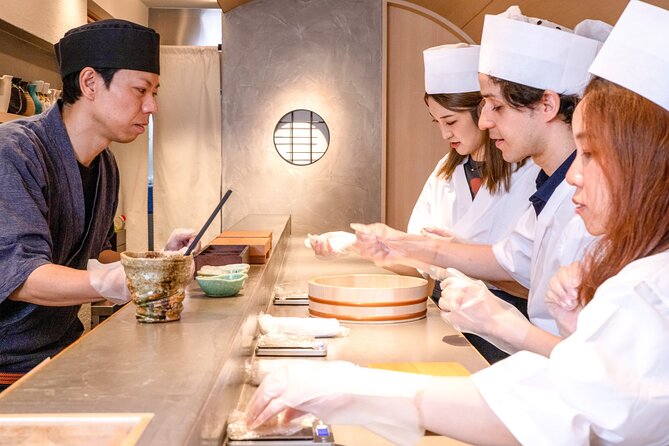
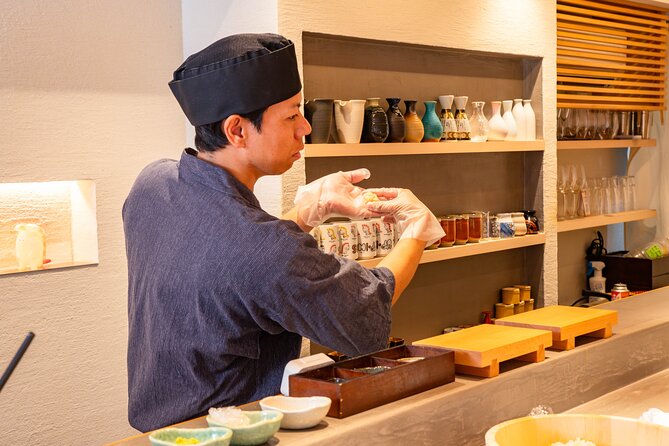
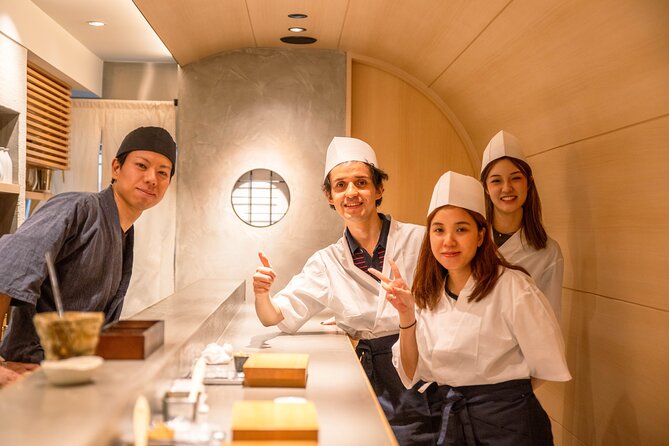
You’re at Tachiguisushi Sushikawa, a Michelin-listed standing sushi restaurant in Shibuya. The standing setup matters because it pushes you to focus. No lounging. No sightseeing chatter. You learn faster when your hands and your attention are doing the work.
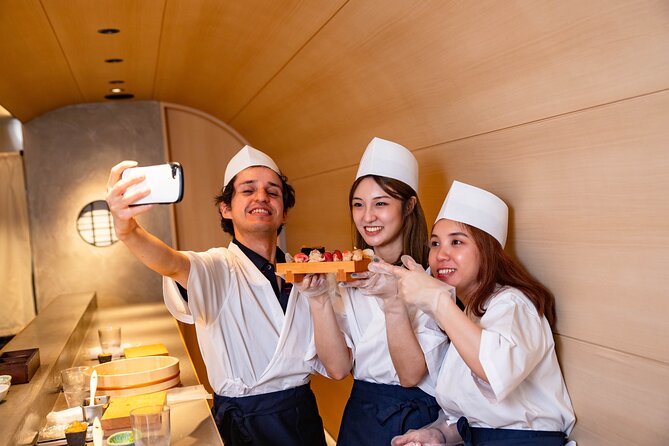
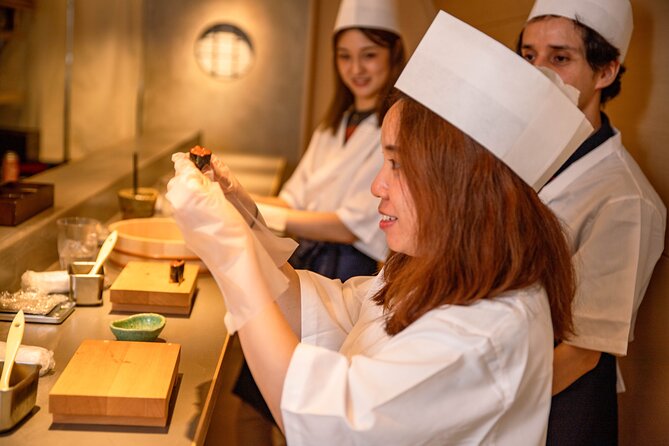
And yes, you’ll dress the part. The sushi chef costume is included, which sounds silly until you realize it helps you get into the rhythm of the class. You are not just watching someone else do the steps. You’re shaping rice, handling toppings, and learning how nigiri should feel.
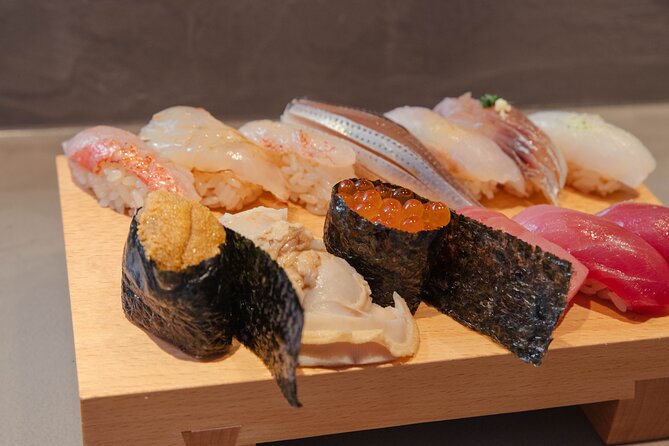
The tasting is the other big reason this works. You make 10 pieces yourself, then you enjoy 10 pieces made by the chef using upgraded ingredients. That gives you a direct “before and after” comparison you can actually use at home.
Entering The Standing Counter, Sasazuka to Shibuya in One Simple Plan
Your meeting point is in Sasazuka, Shibuya, at 1-chōme626 Prime Bliss Sasazuka, Tokyo 151-0073. The activity ends back at the meeting point, so you don’t need to plan a separate return.
A few practical notes I’d follow:
- Give yourself a little buffer time before the start. Standing-counter classes move at a steady pace.
- If you can, arrive a few minutes early rather than right on the dot. That keeps the experience from feeling rushed.
- Since private transportation is not included, plan to use public transit and walk the last stretch.
You also get confirmation within 48 hours of booking, subject to availability. That’s helpful, because it means you should have enough time to check you’re going to the correct place before your trip day.
More Tokyo tours and experiences for the shortlist
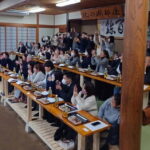
What You Actually Do: Make 10 Nigiri Pieces With Chef Guidance
The class is built around one core skill: making authentic nigiri sushi.
After you meet your English guide and settle in, you’ll step into the role of a sushi chef. Then the chefs teach you how to craft nigiri. The focus is not on turning it into a cooking show. It’s on getting the basics right and learning what “master-level” technique looks like when it hits the rice in the correct way.
You’ll make 10 pieces yourself. That number is perfect for most people. It’s enough repetition to feel progress, but it’s not so many pieces that you’re exhausted by the time you start eating.
What I like about this approach is that you’re learning while your hands still remember the last step. If you’ve ever tried to copy sushi techniques from a video later, you know the hardest part is translating “watching” into “doing.” This class solves that in real time.
The Chef’s 10-Piece Tasting, and Why It’s More Valuable Than It Sounds
After you finish making your 10 nigiri, you eat what the chef made.
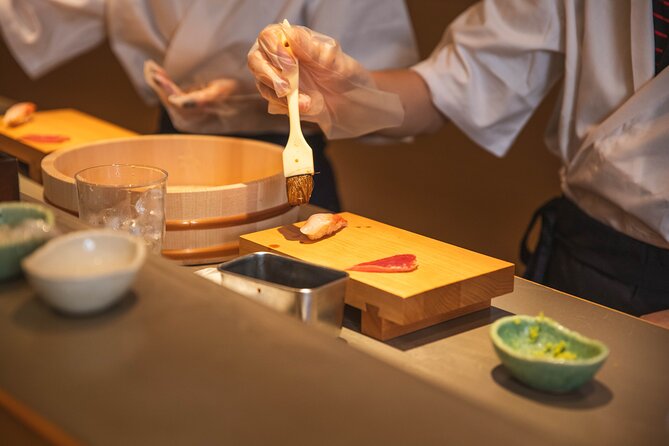
The chef’s 10 pieces are made with upgraded ingredients, and you’re meant to compare them directly to yours. That matters because sushi is small details. Even a slight difference in topping placement, portioning, or how the rice holds together changes the bite.
Think of the tasting as your “answer key.” You’ll be able to notice things like:
- How the chef balances fish size with rice
- How the pieces look and feel before you take a bite
- How the fish and rice combination should taste when it’s done right
And because the class is held at a Michelin-listed standing sushi restaurant, the tasting isn’t random. It’s tied to the standard they serve at the counter.
Tea or Sake With Your Sushi: A Simple Pairing That Keeps It Comfortable
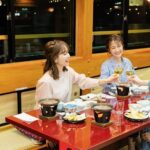
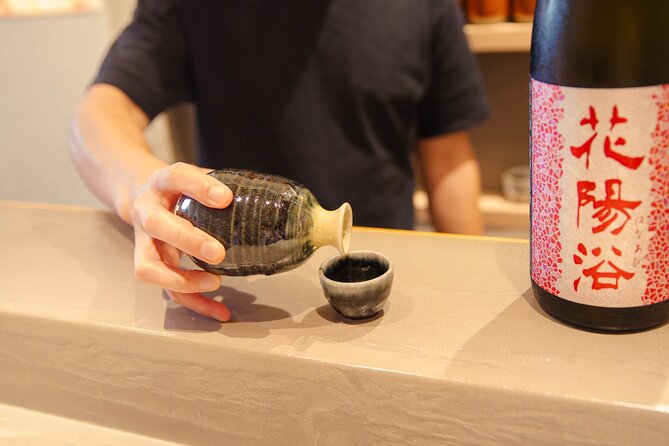
You’ll receive a Japanese tea or sake set with the class. You get to choose between tea or sake, which is a practical touch. If you want something lighter and non-alcoholic, go with tea. If you want the traditional route, sake fits the vibe.
Either way, this is not just a drink on the side. In a short class, you want something that keeps you comfortable while you focus on technique. Having it included means you’re not doing extra planning after you arrive.
Tools, Costume, Souvenir: The “Keep It” Parts Are Actually Useful
Included in the experience:
- All the tools required for sushi making
- Sushi chef costume
- The sushi you make
- The sushi the chef makes
- Japanese tea or sake set
- English guide
- Souvenir: a pair of commemorative chopsticks
The chopsticks souvenir is a nice closing touch because you’ll actually use it. Most food tours give you something you hang on a shelf. These are meant for daily use, and they remind you of what you learned every time you eat.






Price and Value: Is $99.08 Worth 1 Hour 30 Minutes?
At $99.08 per person, this class is not a bargain-basement activity. But it doesn’t price itself like an upscale meal either.
Here’s where the value comes from:
- You get hands-on practice making 10 nigiri pieces
- You also get a chef tasting of 10 pieces
- You’re learning at a Michelin-listed standing sushi restaurant in Shibuya
- Tools and costume are covered
- You leave with food, drinks, and a souvenir chopstick set
For comparison, lots of “food experiences” are basically a guided walk plus eating. This one is the opposite. You’re paying to learn a repeatable skill. If you think you’ll try making nigiri at home later, that learning portion is what you’re really buying.
If you’re only interested in eating sushi and you do not care about technique, you might feel it’s pricier than you expected. But if you like cooking classes or you enjoy Japanese food details, it becomes one of the more satisfying ways to spend a short block of Tokyo time.
Small Group Style, English Guide, and Dietary Needs
With a maximum of 10 people, you should expect a more direct class feel. In a standing sushi setting, there’s limited space. Smaller group size usually means you get more attention when you’re shaping pieces or trying to correct a step.
The class includes an English guide, which is important because nigiri technique is partly muscle memory and partly understanding the “why” behind what the chef is doing. The guide helps bridge that gap.
If you have food restrictions or want a vegetarian option, the provider says you should inform them in advance so they can consult and try to accommodate suitable options. That’s the right move, because sushi restaurants are ingredient-specific.
A Real-World Watchout: Restaurant Closed on Arrival (One Report)
One caution comes from an actual experience recorded by a customer: the restaurant was closed when they arrived, and the cause was an internal oversight around preparations.
I can’t predict whether that will happen to you. But I can tell you what I’d do to reduce the risk:
- Keep your confirmation details accessible on your phone.
- If anything feels off on the day, contact the experience provider early rather than waiting.
- Plan your day so you have a little flexibility if you need to troubleshoot quickly.
This doesn’t erase the value of the class. It just means you should treat it like a real appointment, not a casual walk-in.
Who This Sushi Making Class Is Best For
This experience fits you if:
- You want to learn technique, not just eat.
- You like small group classes and hands-on workshops.
- You’re excited by Michelin-listed dining standards but don’t want a full long meal.
- You enjoy the challenge of making nigiri pieces that look simple and taste complex.
It might not be ideal if you want a lot of sightseeing time. This is focused on the counter, the tools, and the making. Also, since it’s a standing sushi style experience, it may not feel comfortable if you strongly dislike standing.
Should You Book This Sushi Making Experience in Tokyo?
If you’re the kind of person who enjoys learning one craft you can actually repeat, I think this is a smart Tokyo booking. The combination of making 10 nigiri, then eating 10 chef-made pieces, plus included tools, costume, drinks, and the chopsticks makes it feel like more than a typical meal.
Just book with a bit of care. Confirm details ahead of time and be ready to contact the provider if something seems wrong on the day. Do that, and you’ll walk away with skills you can use, not only photos you scroll past later.
FAQ
How long is the sushi making experience?
It lasts about 1 hour 30 minutes (approx.).
What is the price per person?
The price is $99.08 per person.
How big is the group?
The experience has a maximum of 10 travelers.
Where do I meet for the class?
Meet at Japan, 151-0073 Tokyo, Shibuya, Sasazuka, 1-chōme626 Prime Bliss Sasazuka.
What food and drinks are included?
You’ll eat the sushi you make, plus sushi made by the chef. You also get a Japanese tea or sake set.
Do I take anything home?
Yes. You receive a pair of commemorative chopsticks as a souvenir.
Are there options for dietary restrictions or vegetarian preferences?
You should inform them in advance. The provider says they will consult to ensure suitable options are available.
Is transportation included?
Private transportation is not included.
What is the cancellation policy?
Free cancellation is available. You can cancel up to 24 hours in advance for a full refund. If you cancel less than 24 hours before the start time, the amount paid is not refunded.
More Dining Experiences in Tokyo


More Tour Reviews in Tokyo
Not for you? Here's more nearby things to do in Tokyo we have reviewed












Tokyo Sushi Classes, side by side.
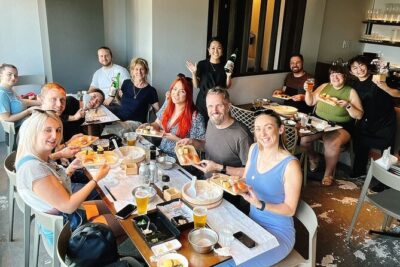 ★ 5.0Sushi Making Tokyo Roll and Authentic Japanese Sushi ClassFrom $593,971 reviews
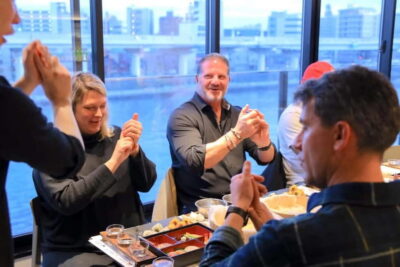 ★ 4.9Roll and Authentic Sushi Making Class in AsakusaFrom $581,957 reviews
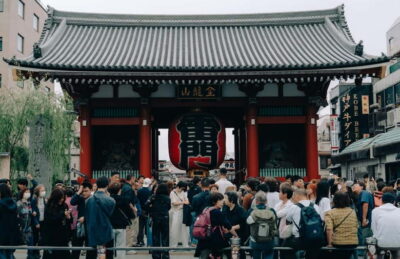 ★ 4.9Sushi Making Class in a Happi Coat near a Famous SpotFrom $421,377 reviews
 ★ 5.0Tokyo Sushi Making Class in Tsukiji with Professional ChefFrom $491,177 reviews
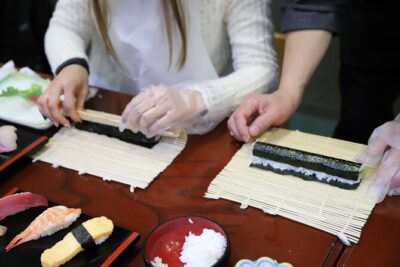 ★ 5.0Tsukiji Fish Market Guided Tour and Sushi Making with Pro ChefFrom $104775 reviews
 ★ 4.9Tsukiji Fish Market Sushi Making Class with Pro ChefFrom $63506 reviews
 ★ 5.0Tokyo Tsukiji Fish Market Tour and Sushi Making LessonFrom $99390 reviews
 ★ 4.9Sushi Making ClassFrom $67390 reviews
This tour also belongs to