
Review · TOKYO CITY TOURS
Tokyo After 5: Local Eats, Drinks & Culture Walk
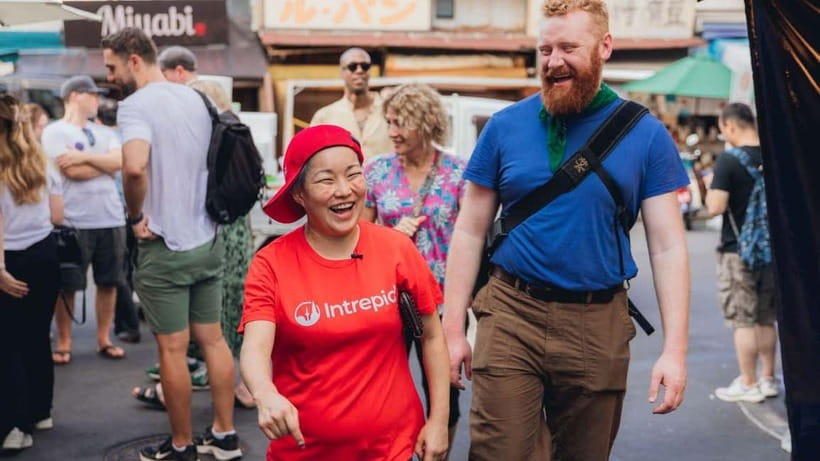
Tokyo at night tastes like a secret handshake. I love how this small-group evening walk threads Depachika snack culture into smoky yakitori alleys, then hands you a hotplate for monja-yaki. You get the food, the why behind the flavors, and the off-the-map neighbourhood energy that makes Tokyo feel normal at 8 pm.
The main thing to weigh is limits: there are no vegetarian, vegan, or gluten free options on this tour, and the pace includes walking plus public transit with stairs.
Key Things I’d Put at the Top of Your Checklist
- Depachika food hall orientation so you know what to buy and how to order like a local
- Yurakucho yakitori in after-work backstreets, where office workers actually meet
- Tsukishima Monja Town hands-on cooking, sitting and making monja-yaki on a hotplate
- Wagashi tasting with seasonal meaning, not just a sweet stop
- A small group of up to 8, which keeps the atmosphere relaxed and questions easy to ask
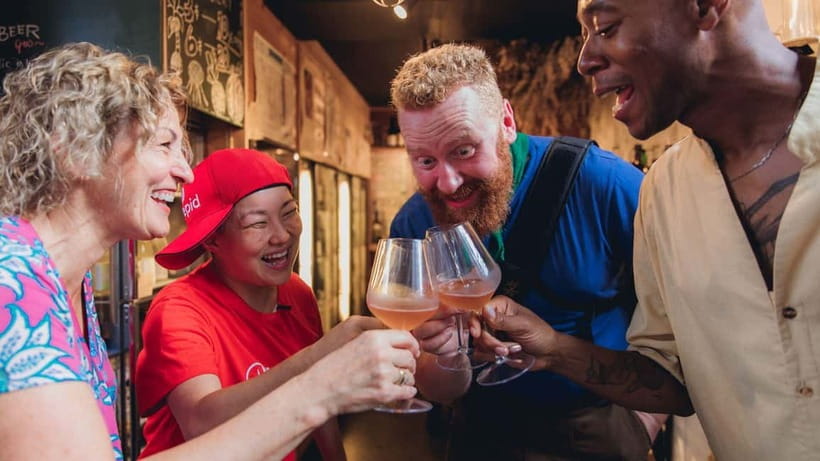
- Two included drinks (sake, beer, or soft drink) paired with the meal flow
The Value Behind Tokyo After 5: What You Pay For
For $89, you are not just buying three snacks. You’re paying for a guided plan that solves two big Tokyo problems: how to find the right places fast, and how to eat correctly in tiny, busy spots without language stress.
This is built around a realistic Tokyo rhythm, the after-work pattern where people hunt down something grilled, something warm, and something sweet. The result is an evening that feels like you have a friend who knows the shortcuts, not a checklist of landmarks.
The tour also keeps things practical. It runs about 210 minutes, stays in central areas you can reach with a couple of subway rides, and includes two subway tickets. That means you spend your energy on food and walking, not on figuring out transit.
You can also read our reviews of more walking tours in Tokyo

Meet at Ginza Mitsukoshi, Lion in Sight, Then Get Your Bearings Fast
The meeting point is Mitsukoshi Ginza, right outside the department store in front of the life-size sitting lion statue. If you enter via Ginza Station A7, you can spot the lion at ground level, which is a relief in a city where exits can feel like a maze.
From there, the tour drops you into the Ginza flow and sets expectations for how the night will work. You’re not sent off with a map and a vague suggestion. Your guide stays with you, keeps the group together, and explains what you are about to taste before you taste it.
One quiet advantage of meeting in Ginza: it’s easy to arrive, and it’s a good place to regroup if you’re coming from another part of Tokyo earlier in the day. You end back in Ginza too, which saves you the last-minute scramble.
Depachika in Action: How Tokyo’s Basement Food Halls Work
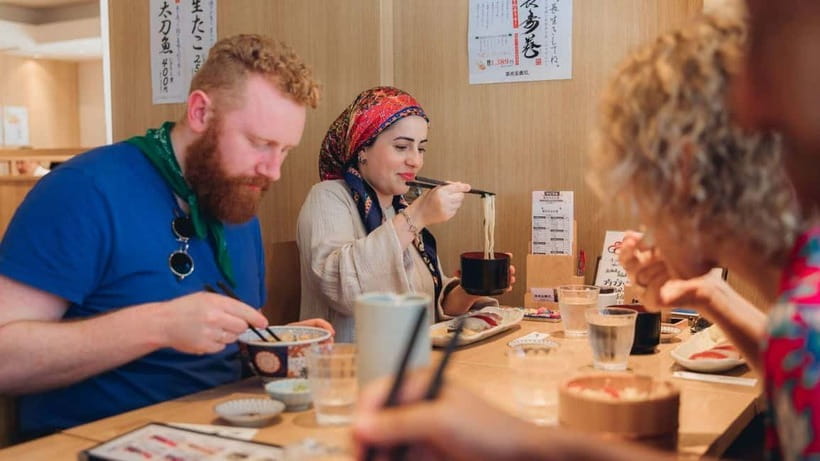
Your first major taste stop is the Depachika, the basement food hall at a department store where Tokyoites pick up dinner sides, seasonal sweets, and packaged treats that are genuinely worth the trip.
What makes this more than window shopping is the guidance. Your guide helps you understand basic etiquette and how to read what you’re buying, from the way counters work to what seasonal items mean beyond just looking pretty. You’ll also learn how flavors fit together in a Japanese meal mindset, so the food doesn’t feel random.
Expect a real sampling vibe here. This is where the tour often makes people smile, because depachika sweets can be both familiar and surprising. You might think you know red bean paste, then the wagashi or mochi-style sweetness hits you differently once you understand the ingredient story.
Ginza Guided Walk: A City Lesson in Small Moves
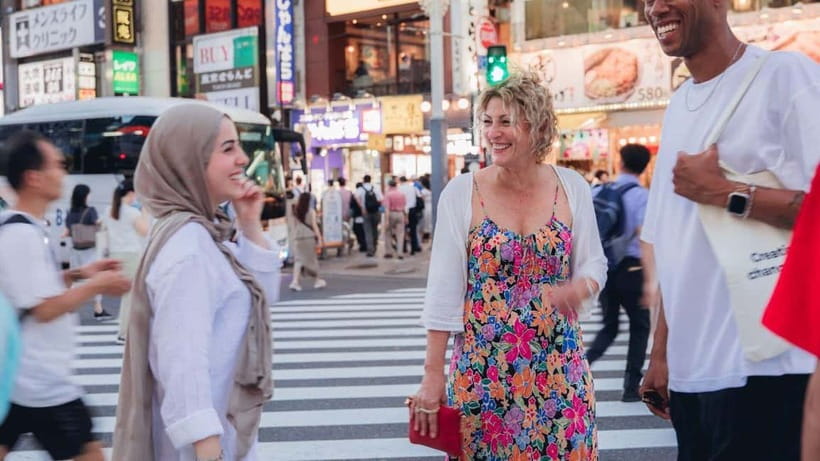
After the first tastings, you keep moving through Ginza with a guide. That guided walk matters because Ginza can look straightforward until you realize how much is going on under the surface: side streets, specialty counters, and places tucked into shopping buildings.
This part of the evening is also a warm-up. It teaches you the pace you’ll keep later in the night, before you get dropped into the narrow alley format of places like Yurakucho. You’ll learn what to watch for, how to order, and when to slow down for photos.
Also, the guided structure helps you relax. You don’t have to decide at each stop. You just show up, follow the group, taste, and ask questions.
Tsukishima Monja Street and Monja Town: Cook Your Own Monja-yaki
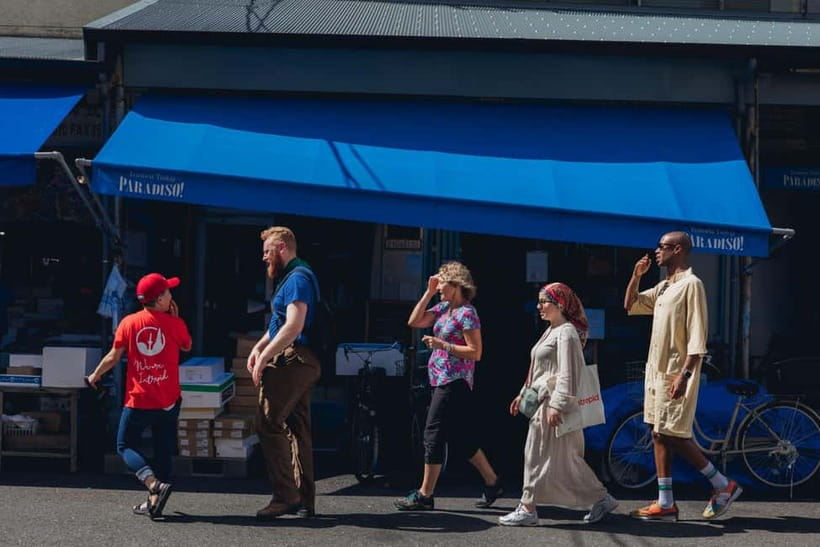
Tsukishima is where the tour shifts from eating to doing. At Tsukishima Monja Town on Monja Street, you sit and cook your monja-yaki in a way that feels interactive in the best sense. Instead of watching food pass by behind glass, you are right there at the hotplate.
Monja-yaki gets explained in plain language, not as some intimidating specialty. Your guide shows you what the technique is, what textures to aim for, and what to look for as it cooks. You then get to try the technique yourself, and you’ll likely end up adjusting mid-cook, the way locals do when they make it a regular habit.
This stop also has a useful context layer. Monja-yaki is tied to place and tradition, and the tour’s approach helps you understand that it is not just food, it is a social format. You’re meant to share, laugh at imperfect first attempts, and compare how different bites turn out.
One practical note: since this is a hands-on cooking moment, come ready to get a bit messy in your own way. No one expects you to be a pro chef, but you do want to be comfortable eating something hot you cooked.






Yurakucho After Dark: Yakitori in the Office-Worker Alleys
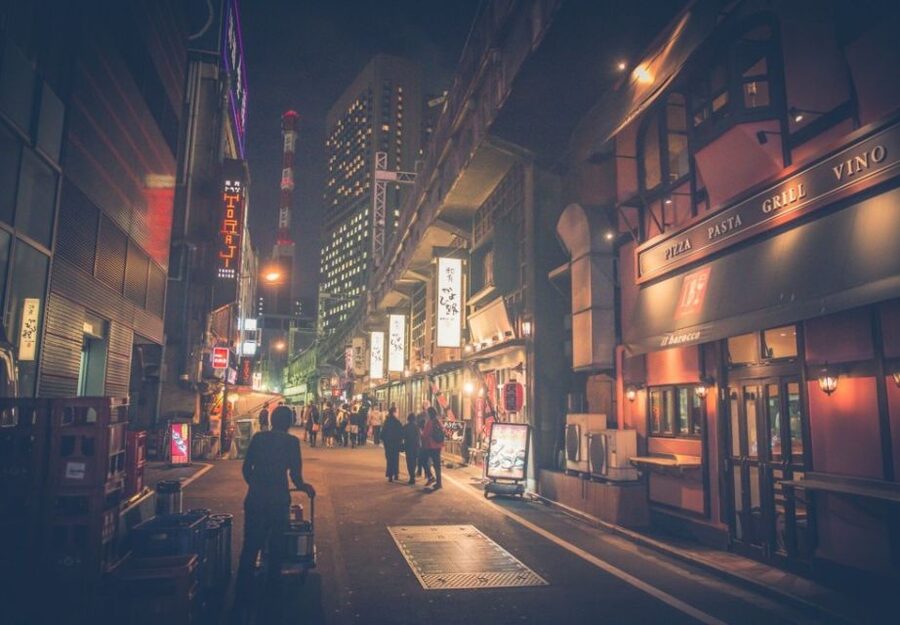
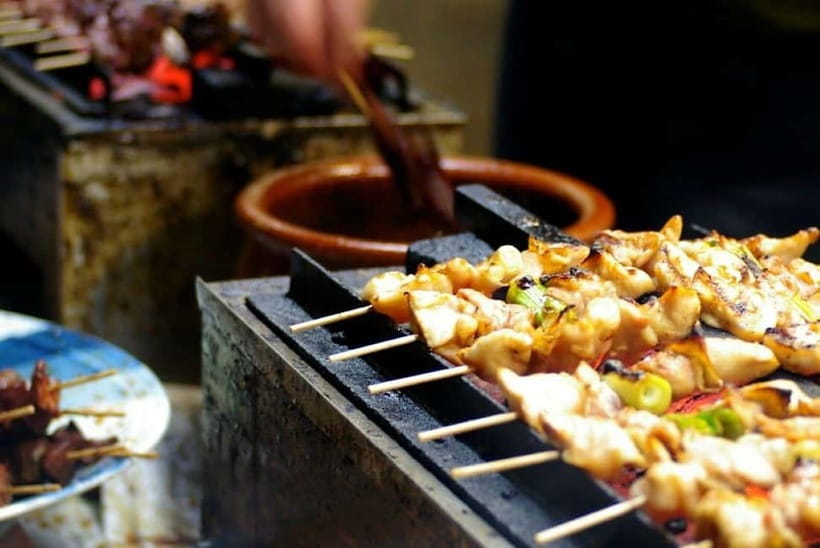
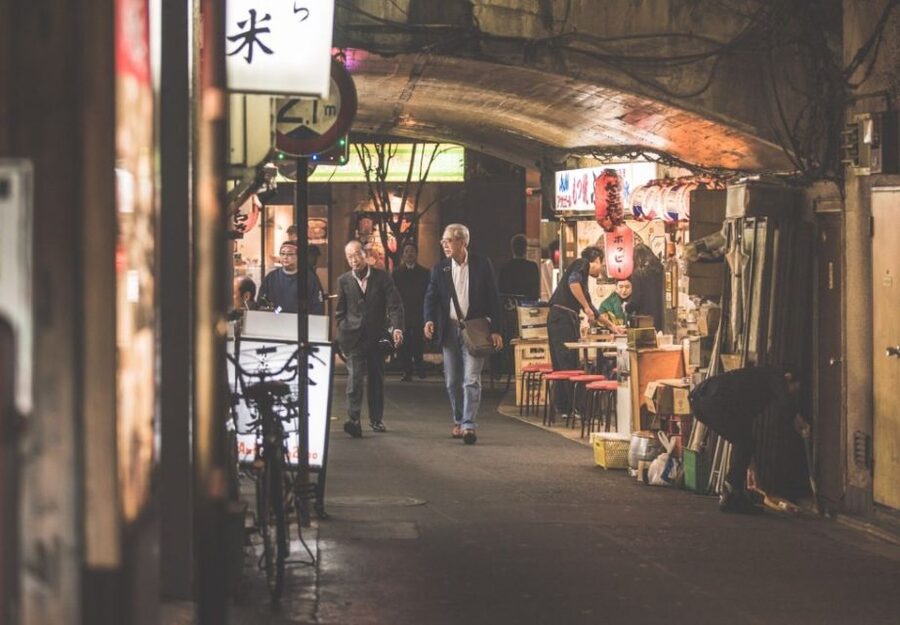
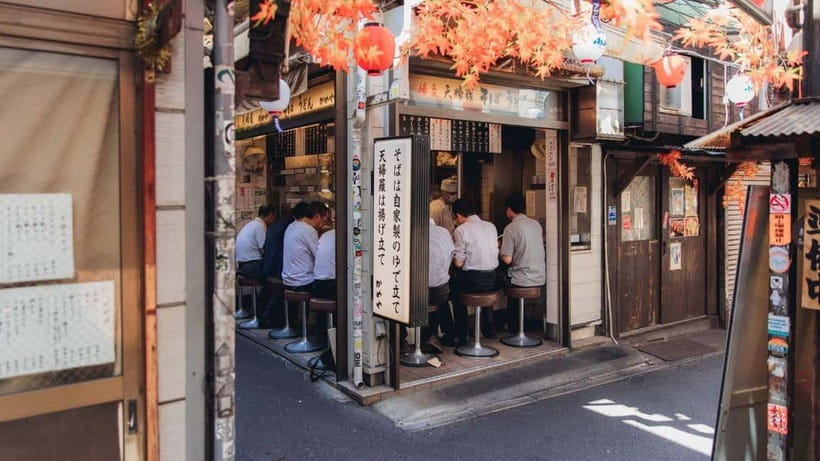
Then you head to Yurakucho, known for those lantern-lit after-work backstreets where people gather for grilled skewers and quick bites. Here the tour stays focused on what matters: the yakitori itself, plus the method behind the smoke and seasoning.
Yakitori is not just chicken on a stick. You learn how skewers are prepared and why the smoky alley vibe is such an essential part of Tokyo life. It’s the kind of lesson that makes your next yakitori stop easier, because you’ll know what questions to ask and what details to look for.
A hands-on or participation element is part of the experience, so you’re not only eating. You get pulled into the rhythm of the place, including how the food arrives and how you eat it without overthinking.
This is also the part where the tour feels most local. Yurakucho is the opposite of the tourist-food pose. It’s practical, casual, and centered on the group at the table.
Wagashi at the Right Time: Seasonal Sweets with Cultural Meaning
To finish sweetly, you stop at a traditional wagashi shop where your guide connects the dots between seasons, ingredients, and the visual style. Wagashi can look like art, but the meaning comes from what it represents and how ingredients are chosen for that moment in the year.
The tour makes this more than a sugar break. You learn why certain flavors or textures show up when they do, and you get a small education on aesthetics as part of Japanese food culture. If you’ve ever wondered why sweets can feel formal in Japan, this is where that question starts to answer itself.
In terms of taste, wagashi is usually a slower, subtler experience than the grilled savory stops. You’ll likely appreciate it more if you let it be slow. Take your time, compare bites, and notice the texture differences.
Drinks and the Evening Pace: What to Expect in 210 Minutes
Food tours can vary wildly in pacing, and this one is designed for a smooth evening arc. You’ll have multiple short legs, plus transit. The included drinks keep you in the moment too.
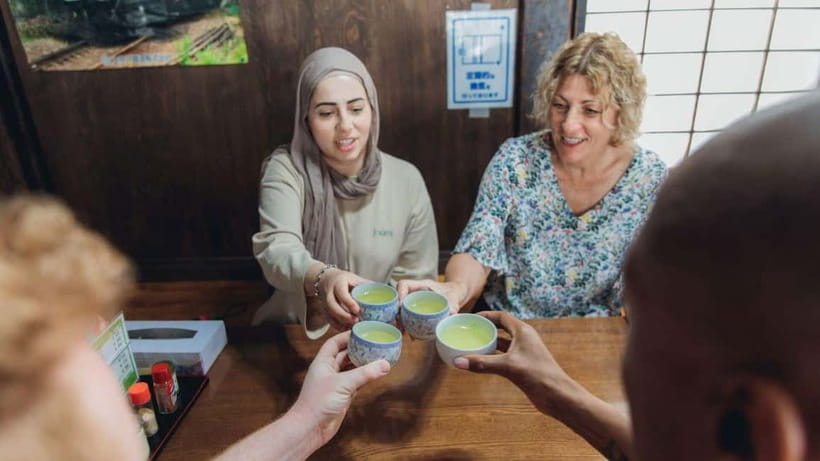
You get two local drinks. Options include sake, beer, or a soft drink. Keep in mind the legal reality in Japan: alcohol is only for people age 20 and older. If you are under that, you’ll be served non-alcoholic options.
The group is limited to 8 people max, which changes the mood. Small group means you can ask questions without shouting, and it’s easier for the guide to manage timing at tight restaurants.
Walking is part of the deal. One participant noted around 9,000 steps, and another called out that subway connections can involve stairs. If you have mobility limits or you prefer a very seated evening, this may not be the easiest match.
Guides Make the Difference: Clear Answers and Real Local Picks
One theme comes through strongly: the guide level matters here. People have highlighted guides such as Tsunematsu Hidenori, Yuki (snoopy), Kirir, Meg, and Yoshi for being friendly, patient, and able to steer the group into places you probably would not find alone.
You feel this in two ways. First, the food stops are chosen for how they fit the evening flow. Second, the guide explains what you’re eating in a way that helps you repeat the experience later, not just remember it.
Because the tour is small, the conversation tends to stay natural. If you want to ask why a shop does something a certain way, you can.
Dietary Limits and Comfort Stuff You Should Plan For
This tour does not offer vegetarian, vegan, or gluten free options. That’s the biggest decision point for me. If your diet has strict requirements, you’ll likely have a frustrating night.
The second consideration is comfort. The locations include small, sit-down spots, and you might be seated in compact spaces. One person mentioned noise from an adjacent situation in a small restaurant, which is not something a guide can always control. The tour is still worth it for food quality, but it’s good to know these places can be tight and lively.
Finally, if you expect a totally low-walking style, you might feel the pace. The itinerary mixes walking with subway rides, and subway stations can include stairs.
Who Should Book This Tour (and Who Should Skip It)
I’d tell friends to book this if they want a first real taste of Tokyo’s evening food scene without the stress of planning. It’s a great choice for people who love grilled comfort food, are curious about street-style cooking, and want sweets with actual meaning behind them.
It also fits well for groups of friends or couples who like guided structure. The small size means the night doesn’t turn into a shuffle.
You might skip it if:
- you need vegetarian, vegan, or gluten free meals
- you want minimal walking or mostly seated time
- you are sensitive to crowded, compact restaurants and the occasional noise that comes with them
One more point: this tour is for age 12 and older, and alcohol service follows Japan’s legal drinking age. If you’re traveling with younger teens, check how your group feels about a food-heavy evening.
Should You Book Tokyo After 5? My Take
If you want Tokyo after dark in a way that feels like you’re learning local habits, this is a strong pick. The best part is the balance: Depachika sweets in the department-store calm, yakitori in Yurakucho’s after-work alleys, then a hands-on monja-yaki session in Tsukishima, ending with wagashi that actually ties to seasons.
The price makes sense when you count the guide, the tastings, the cooking participation, the drinks, and the subway help. You’re paying to remove the guesswork, and that guesswork is real in Tokyo.
Just be honest about the two big limits: dietary needs and the walking pace. If those fit your situation, book it and plan to come hungry, curious, and ready to eat what your guide puts in front of you.
More Walking Tours in Tokyo
More Tour Reviews in Tokyo
Not for you? Here's more nearby things to do in Tokyo we have reviewed












Tokyo City Tours, side by side.
 ★ 5.01-Day Tokyo Bus TourFrom $12914,250 reviews
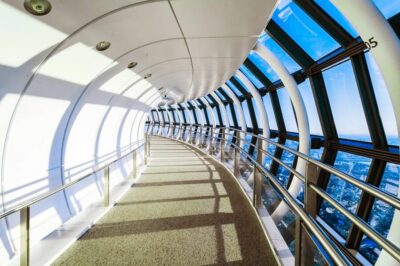 ★ 4.5TOKYO SKYTREE® Admission ticketFrom $1311,192 reviews
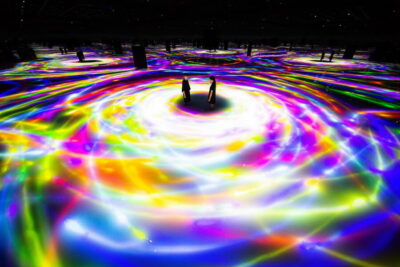 ★ 4.6teamLab Planets TOKYO Digital Art Museum Entry TicketFrom $259,779 reviews
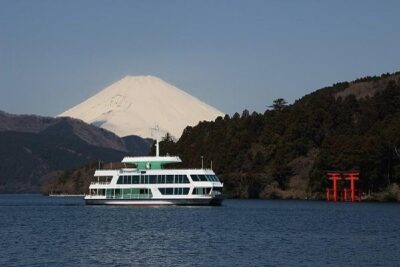 ★ 4.0Mt Fuji & Hakone Cruise, Drum Show Bullet Train 1 Day from TokyoFrom $1497,413 reviews
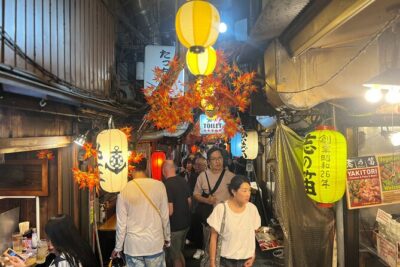 ★ 5.0Shinjuku Food Tour (13 Dishes at 4 Local Eateries)From $866,603 reviews
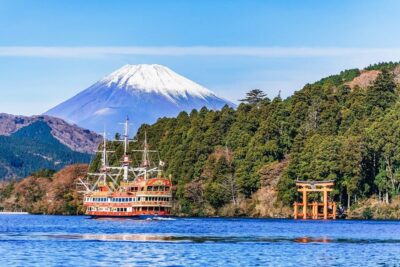 ★ 4.4Tokyo Mt Fuji 5th St & Hakone Cruise Bus Tour w/Bullet TrainFrom $1545,024 reviews
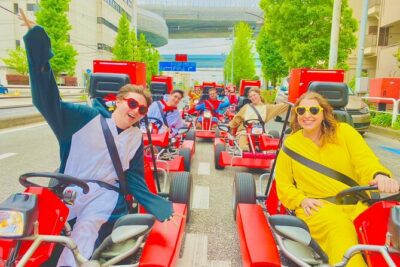 ★ 5.0Flagship 2-Hours Official Street Go-Kart Tour – Tokyo Bay ShopFrom $644,974 reviews
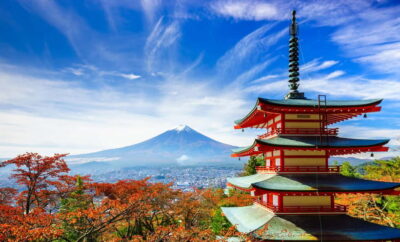 ★ 4.5From Tokyo: Mount Fuji Full-Day Sightseeing TripFrom $684,970 reviews
This tour also belongs to