
Tokyo’s temple streets can feel like a time machine. This Asakusa walking tour takes you from Sumida Park’s river views straight through the iconic Kaminarimon Gate and into the sacred bustle around Sensō-ji, plus you get a detour into local tradition with the Asakusa Sumo Club and plenty of shopping stops.
I especially like the clear mix of sights you actually want to see, Sensō-ji and Asakusa Shrine included, and the practical flow that keeps moving on foot without feeling rushed. One possible drawback to watch for is meeting-point confusion, since at least one verified booking reported trouble finding the guide after an Uber drop-off far from where the group gathered.
Key Highlights Worth Marking On Your Map
- Kaminarimon Gate and red lantern vibes, followed by a stroll down Nakamise-dori
- Nakamise-dori century-old shops and stalls, perfect for trying traditional sweets as you walk
- Sensō-ji Temple via Hozomon Gate, a major stop with real religious energy
- Asakusa Shrine, dedicated to the founders of the temple and tied to the Buddhism-Shinto connection
- Asakusa Sumo Club, where you can see this tradition staying alive in everyday Tokyo
- Don Quijote, an easy, fun place for souvenirs and oddball shopping
Sumida Park Start, Panda-Flag Meet Point, and Fast Orientation
The tour begins at Sumida Park, with views over the river and Tokyo Skytree in the background. That first stretch matters more than you might think. It’s your moment to orient yourself in Asakusa, get your bearings on the geography, and settle into a slower walking rhythm before you hit the crowds around the temples.
Your guide carries a blue flag with a panda on it, and that detail is genuinely useful. In an area with lots of foot traffic, having a bright, obvious marker helps you spot the group without guesswork. The provided meeting coordinates (35.7107915, 139.7979734) are also handy if you use a map app and want to confirm you’re at the right spot before you start circling.
Logistics tip: wear comfortable shoes from minute one. This is a walking tour, and the stops include gates and temple areas where you may want to linger, plus shopping stretches where you’ll naturally slow down. Also keep clothes comfortable for street weather since the activity runs regardless of conditions.
Finally, the guide is Spanish. That’s great if you speak Spanish, and it still works even if you do not because you’ll get guided routing, context, and on-the-ground cues as you move from one area to the next.
You can also read our reviews of more walking tours in Tokyo

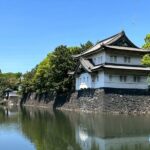

Crossing Kaminarimon Gate and Nakamise-dori Street Food Shopping
Soon after the start, you’ll enter the monumental Kaminarimon Gate with its famous red lantern. This is one of those Tokyo moments that looks like a postcard but feels even better in person because you’re walking right through the same path people have used for generations. It’s also a visual reset, turning you from city mode into old-town temple mode.
From there, you head down Nakamise-dori, the main shopping street leading toward Sensō-ji. This part is built for wandering. You’ll see stalls and long-running shops lined up along the route, and it’s especially good for traditional sweets. Even if you do not plan to buy much, it’s worth going slow and reading signs, because the street is part of the experience, not just a corridor between two temples.
A practical note: Nakamise-dori can get busy. If you’re the kind of person who likes space to take photos, plan for shoulder-to-shoulder moments. If you’re okay with that, you’ll get the best of what makes this neighborhood feel alive: people stopping, snacks in hand, and families moving toward the same shrine area you’re headed for.
Hozomon Gate to Sensō-ji: The Temple That Lives at Street Level
Next up is the route to the Hozomon Gate, which serves as the entrance to the Main Hall of Sensō-ji. Sensō-ji is described as the oldest and most visited Buddhist shrine in Tokyo, and that reputation is easy to feel once you’re in the area. The sheer scale of the complex plus the steady flow of visitors gives you a sense that this is not a quiet museum site. It’s a working religious destination.
What I like about approaching Sensō-ji through a guide-led route is that the walk becomes more meaningful. You’re not just looking up at buildings, you’re moving through key entry points with context on what you’re seeing. You also get time to absorb the atmosphere around the main approach, including the shift in energy once you reach the temple halls.
One consideration: the day-to-day pace can vary depending on crowds and weather. Since this tour runs in all conditions, you’ll want an umbrella or rain gear ready. If it’s rainy, the ground and lines can feel more slippery or slow, so keep your shoes grippy and give yourself a little extra patience.
Also, the tour includes admission to sites that require ticket purchase. Sensō-ji areas you visit here are handled as part of the guided experience, and if there’s a paid entry segment on your day, you’re already covered. That is real value on a short 3-hour tour, because ticket hassles do not eat into your time.
Asakusa Shrine and the Buddhism-Shinto Blend You Can Actually See
After Sensō-ji, you’ll visit Asakusa Shrine, dedicated to the founders of the temple. This stop is the reason Asakusa feels different from places where everything is strictly one religious tradition. Here, the tour explicitly connects it to the fusion between Buddhism and Shintoism.
That matters because it changes how you look at the space. Instead of treating Asakusa as only a Buddhist destination, you start noticing how the shrine and temple influence the neighborhood’s identity at the same time. You’ll often see how rituals and architecture reflect different beliefs, and you get a guided way to understand why the blend exists in the first place.
If you care about how cultures overlap in daily life, this is a smart contrast stop. Sensō-ji gives you the big temple draw, and Asakusa Shrine adds the other side of the story. Even if you’re not a religion-history person, the tour’s framing helps you connect the dots quickly instead of wandering without a clue.
Asakusa Sumo Club and Don Quijote: Tradition, Then Fun Shopping
To finish, you pass by the Asakusa Sumo Club, a place that keeps this Japanese tradition alive. This is a great “breathing space” after temple intensity. It also gives the tour a modern-to-traditional bridge, reminding you that heritage in Japan is not just old buildings. It’s also practice, clubs, training, and community routines.
Then you move on to Don Quijote, the popular shopping and curiosity store that’s ideal for souvenirs and fun shopping. This is a practical ending. After walking and sightseeing, most people want something concrete to do, like browsing small gifts or grabbing snacks and travel items. Don Quijote is built for that kind of last stop, where you can shop without needing to understand complicated local routes.
A small watch-out: this is also where your spending can creep up. Prices vary by what you buy, but the store’s appeal comes from variety. If you’re on a strict budget, set a souvenir cap before you step in, and you’ll enjoy browsing without stress.






Price, Pace, and What $21 Buys You in 3 Hours
At $21 per person for about 3 hours, this tour is positioned as a value walk, not a half-day production. You’re paying for three things: a guided route through key Asakusa landmarks, a Spanish-speaking live guide, and support for ticketed admissions where needed.
The included section says the tour includes admission to sites that require ticket purchase, and it even gives an example of other venues like Imperial Gardens. Even if not every site on the route is a paid attraction, the point is that you’re not expected to chase down entry fees for whatever paid stops appear during your session. On a short tour, that’s worth something.
The pace is also a fit for many schedules. Three hours is long enough to cover meaningful ground on foot, but short enough to still enjoy Tokyo afterward. If you want to see Asakusa and not lose your whole day, this makes sense.
Who it suits best:
- First-timers who want a clean, guided path through Asakusa’s core landmarks
- Travelers who like walking plus shopping stops, not only sightseeing
- People who would enjoy a culture context beyond postcard photos, especially the Buddhism-Shinto connection
If you prefer total silence and unstructured wandering with no group flow, this may feel a bit structured. But if you like momentum with helpful context, it’s a strong match.
Small Logistics to Watch, Especially for Finding the Guide
Here’s the part I want you to take seriously: meeting-point matching. The guide carries a blue panda flag, which should make you easy to find, but one verified booking issue reported the Uber drop-off being far from the correct meeting area and a lack of response when messages were sent.
So do this, and you’ll avoid most headaches:
- Arrive a bit early and locate the panda flag yourself, not your best guess.
- If you use ride-hailing, confirm your drop-off point is right at the Sumida Park area.
- If you have to contact someone, do it before the tour begins rather than waiting until everyone is already walking.
Language is another practical factor. The tour is Spanish, so check how comfortable you are following Spanish explanations. If you do not speak Spanish, you can still benefit from the guided movement and visual cues, but you might want to do a tiny bit of reading on Sensō-ji and Asakusa Shrine first so the story lands fast.
Rules are straightforward: no smoking, no drones, and no alcohol or drugs. Also bring your umbrella or rain gear. Since the tour runs in any weather, being prepared keeps the day pleasant instead of annoying.
Should You Book This Asakusa Walking Tour?
Book it if you want a focused, 3-hour route that hits the big Asakusa anchors: Kaminarimon, Sensō-ji, Asakusa Shrine, plus an add-on of sumo tradition and a fun retail stop at Don Quijote. The $21 price feels fair because it bundles guided routing and includes admission for ticketed sites, so you spend your time sightseeing, not sorting out entries.
Skip it if you strongly prefer unguided wandering, or if you know you might struggle with meeting-point logistics and you don’t want any chance of confusion in a busy area. In that case, you might do better with a self-guided plan and a map check.
If you’re on the fence, the most practical reason to book is flexibility: you can reserve now and pay later, and cancellation is available up to 24 hours in advance for a full refund. That reduces stress if your Tokyo day changes.
FAQ
Where does the tour start, and how do I find the guide?
The tour meets at Sumida Park. The guide will be carrying a blue flag with a panda on it. The provided coordinates are 35.7107915, 139.7979734.
How long is the Tokyo Asakusa Walking Tour?
It lasts about 3 hours.
What language is the tour guide speaking?
The live tour guide speaks Spanish.
Is the tour wheelchair accessible?
Yes, it is wheelchair accessible.
Is the price refundable if my plans change?
Yes, you can cancel up to 24 hours in advance for a full refund.
What should I bring for the walk?
Bring comfortable shoes and comfortable clothes. Also check the weather and bring an umbrella or rain gear, since the tour takes place regardless of weather.
More Walking Tours in Tokyo

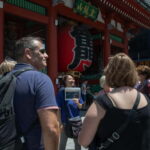

More Tours in Tokyo


More Tour Reviews in Tokyo
Not for you? Here's more nearby things to do in Tokyo we have reviewed












Asakusa Tours, side by side.
 ★ 4.8Japanese Dance Cabaret Theater Asakusa-Kaguwa TicketFrom $492,270 reviews
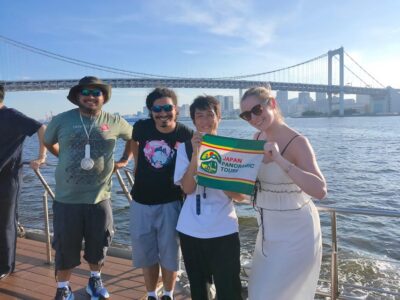 ★ 4.7Meiji Shrine, Asakusa, Skytree Bus Tour and CruiseFrom $1221,986 reviews
 ★ 4.9Roll and Authentic Sushi Making Class in AsakusaFrom $581,957 reviews
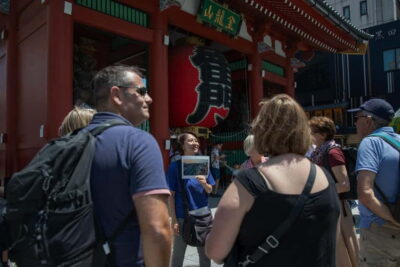 ★ 4.8Asakusa Walking Tour with Sensoji Temple VisitFrom $221,583 reviews
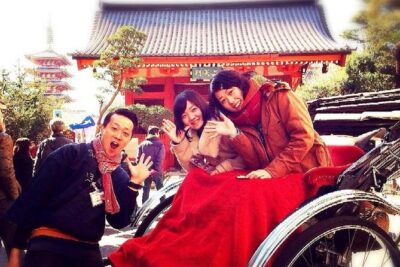 ★ 5.0Tokyo Asakusa Rickshaw TourFrom $421,375 reviews
 ★ 4.5Tokyo Panoramic 1 Day: Meiji Shrine, Asakusa, Odaiba and SKYTREE®From $851,222 reviews
 ★ 5.0Tokyo Go Kart: Asakusa, Skytree, and Akihabara **IDP MUST**From $99988 reviews
 ★ 4.7Asakusa, Skytree & Akhihabara Go-Kart City ExperienceFrom $96761 reviews
This tour also belongs to