
Review · TOKYO CITY TOURS
Tokyo: Authentic Japanese Dance Show ticket by professionals
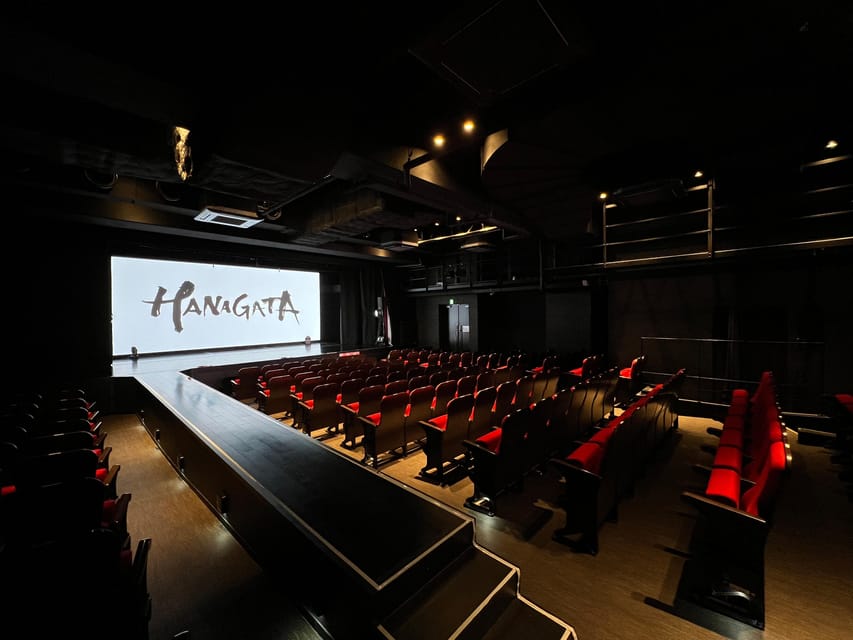
Good dance needs close seats. In Shinjuku, this Japanese dance show lets you watch performers’ expressions up close, and you get pulled into the beauty of the kimonos and their fine decorations as the dancers move.
I like that the program is delivered by professionals, with dancers who have earned awards through competition, so the technique feels serious, not touristy. One thing to plan around: photography is prohibited during the performances, so you’ll need to put your phone away until the allowed photo time at the end.
Key reasons to go
- Shinjuku location makes it easy to pair with other Tokyo plans
- Award-level dancers bring real technique and stage control
- Kimono detail up close makes the costumes feel almost tangible
- English explanations between acts help you follow the meaning
- Photo time after the show gives you a chance to capture memories without interrupting the performance
- Childcare option means kids can join, and parents can focus on the show
Shinjuku in Tokyo: A Smart Base for Traditional Dance
Shinjuku is one of those Tokyo areas where you can have three moods in a single day: busy streets, quick transit connections, and a surprising amount of culture within easy reach. This show’s location in Shinjuku is practical because you do not have to carve out a giant time block just to experience something deeply traditional.
What I especially like about this setup is the contrast. You step in from neon-lit streets and crowds, then you sit down for Japanese dance that has been shaped over generations. That shift is part of the payoff.
What 400 Years of Japanese Dance Feels Like on Stage
Japanese dance is not only about pretty movements. It is about rhythm, precision, and storytelling through the body. This show frames the art as something passed down for over 400 years, so the performance reads less like entertainment alone and more like a living cultural language.
You can feel that tradition in how the dancers move. Even if you do not know the style beforehand, your eye starts to track the structure: the way arms and hands hold their shapes, how the dancers control pauses, and how the choreography connects to music and emotion. The program also leans into meaning, with cultural information provided between parts of the show, so you get more than just an image of grace.
More Tokyo tours and experiences for the shortlist

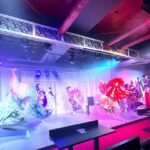
Close-Up Seating: The Expressions and Breathing You Notice
A big reason this show works is proximity. You get close enough to catch facial expressions, not just costumes and silhouettes. That changes everything. When you can see a performer’s intensity, calm, or joy, the dance becomes more personal and less like a distant spectacle.
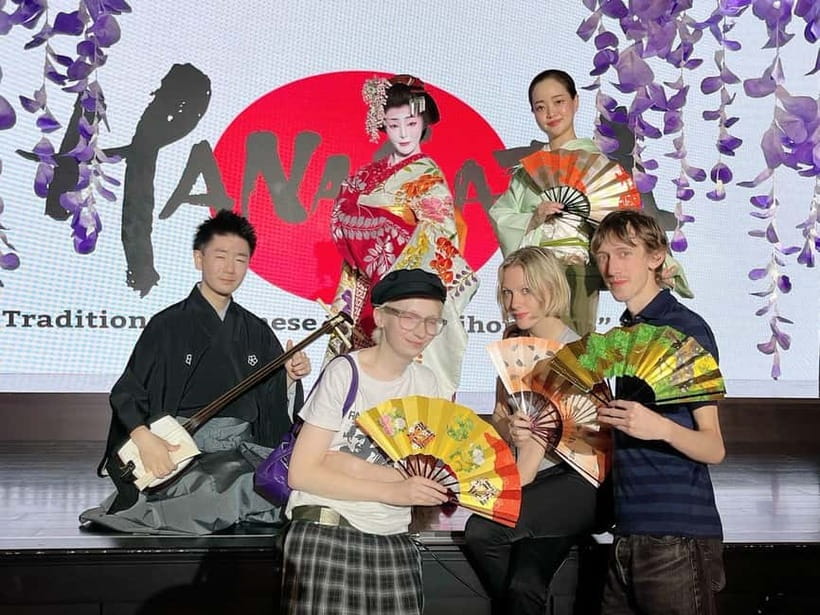
The kimonos are another big draw, and they are not just “pretty outfits.” The show highlights the beauty of the kimono fabric and the delicacy of decorations, right where you can actually see them. One review description I really kept in mind was how viewers felt nearly part of the action, almost as if the movement had physical presence. That is the value of getting seats that let you notice real details.
Award-Winning Talent: Why Professional Dancers Matter
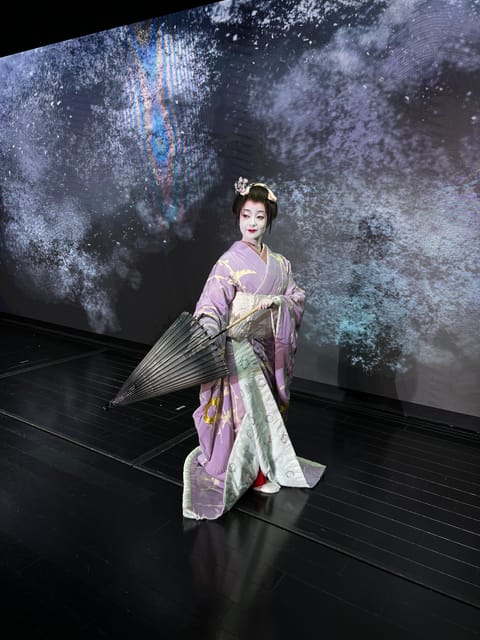
The dancers are professionals, and they have earned awards at competitions. That matters, because competition training usually means more than technique. It means discipline, timing, and control under stage lights and fixed staging.
In practical terms, you will likely see cleaner forms, more confident transitions, and a steadier sense of pacing across the performance. The show also gives space for the performers’ artistry, so the evening feels crafted rather than rushed.
Between Acts: Cultural Notes in English (So You Can Actually Follow It)
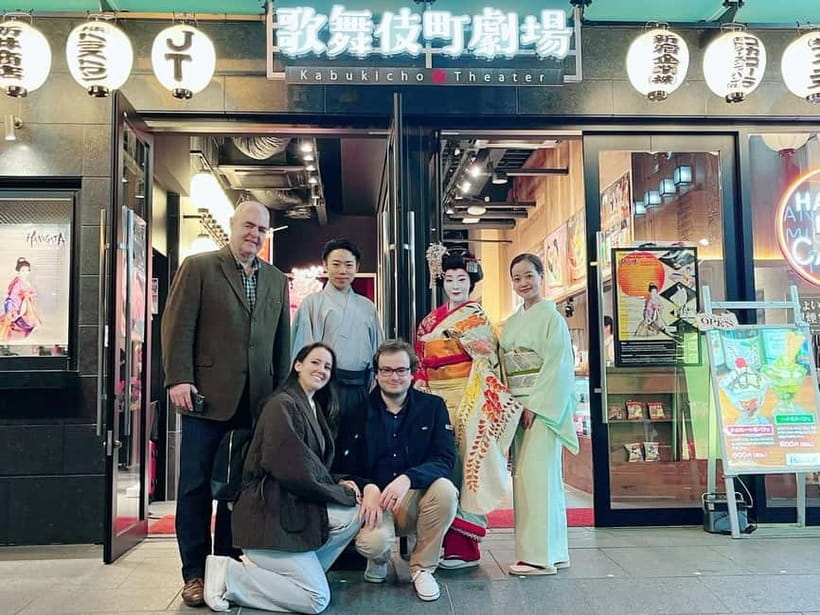
One of the most useful perks here is that the experience includes information about Japanese dance culture, and English is used between parts of the show. That helps you connect the dots between what your eyes see and what the movements are trying to express.
I like this approach because Japanese arts can be layered. If you only watch the choreography without context, you might still enjoy it. But with short explanations between acts, the technique becomes easier to appreciate, and the emotional shifts land better.
The staff also appear welcoming and communicative, and English seems to be available. That makes the experience less intimidating if your Japanese is limited. Even if you are not trying to study the language, it is comforting to know you can ask questions and get a helpful response.
The Costume Moment: Kimonos You Can Really See
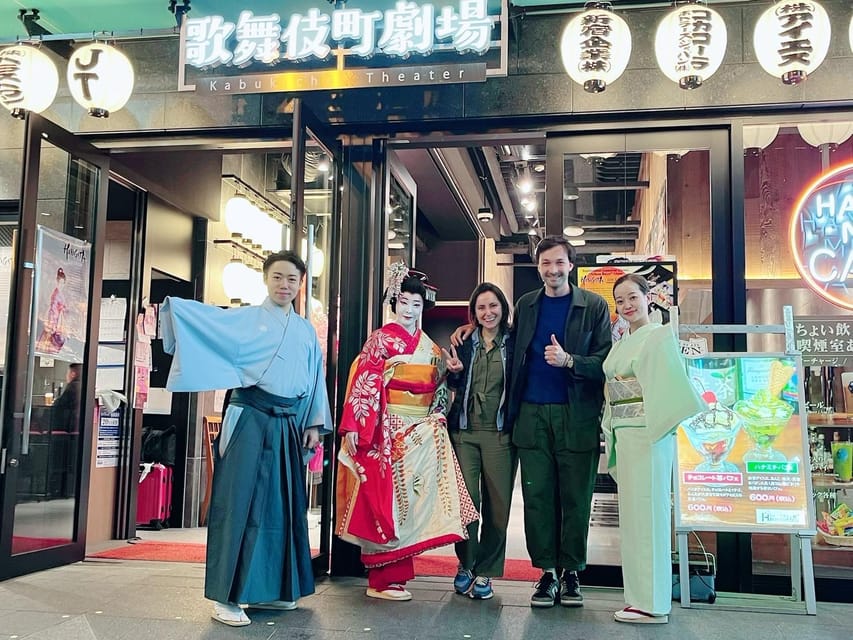
Let’s talk costumes, because they are a main character in this show. The kimonos are part of the visual storytelling, and the details are where your eye wants to linger. Up close, you can appreciate how the design, decoration, and color choices support the mood of the dance.
This is one of those experiences where you get good value for your ticket without needing to “understand everything.” You can enjoy the costumes and the movement at the same time, and then use the cultural notes to deepen what you already like.
More Tokyo tours and experiences for the shortlist


Photography Rules: How to Enjoy the Show Without Missing Your Memory Shot
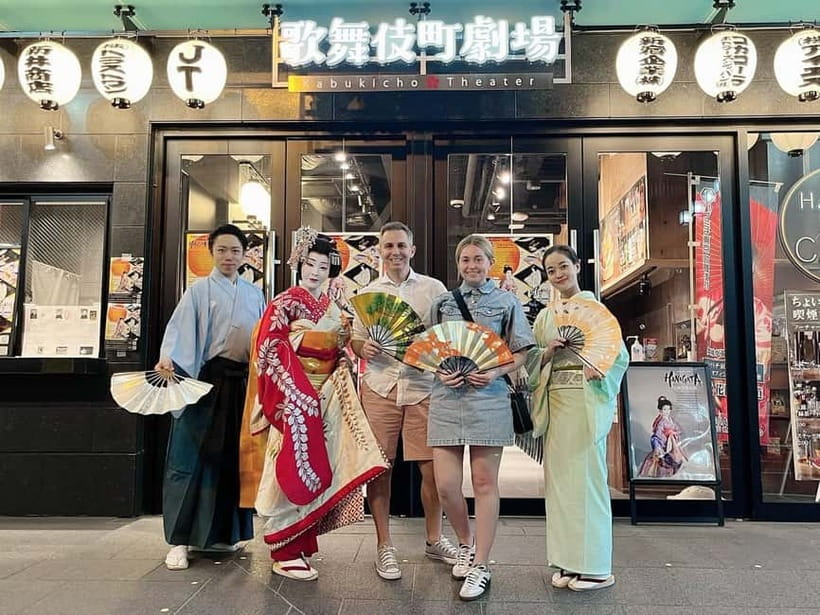
Here is the clear rule to plan for: photography is prohibited during the performances. That is done to keep the focus and atmosphere intact, and it also means the audience is not constantly lit up by phones.
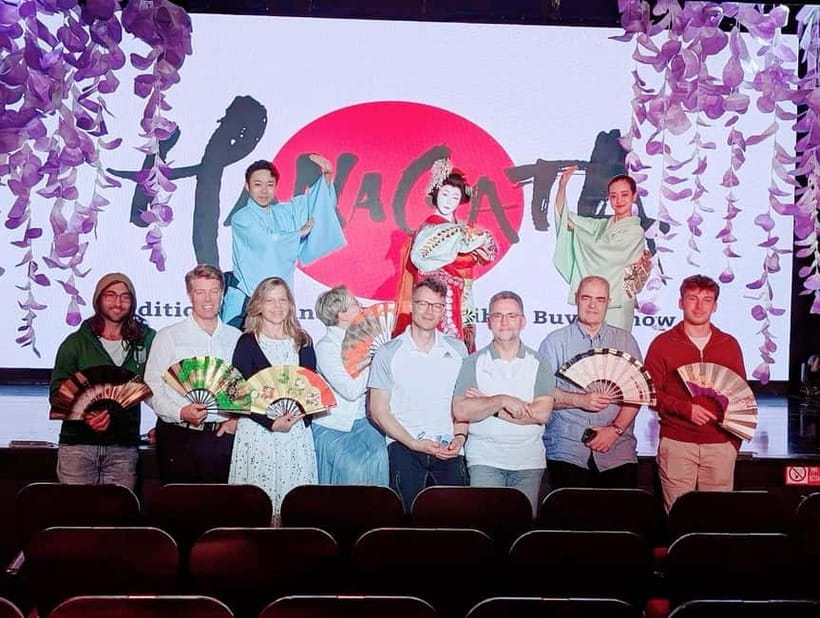
The good news is that there is a time at the end for taking pictures. So you can still get photos, just not during the main performance. My practical advice is simple: keep your phone charged, switch it to a silent mode before the show starts, and think of photos as an end-of-show bonus rather than something you chase in the middle.
Ticket Price and Value: Is $54 Worth It?
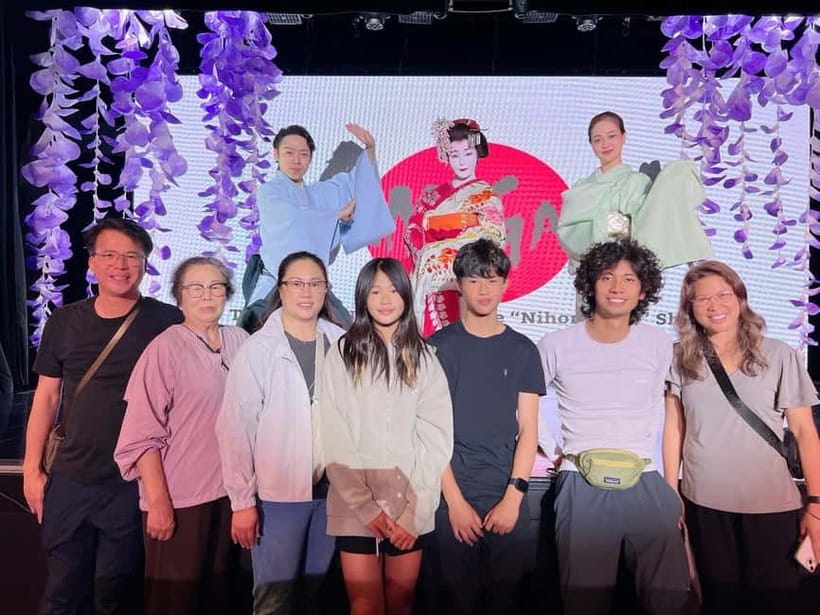
$54 per person is not a cheap impulse buy, but it can be fair value when you look at what you get: professional award-winning dancers, a close-up viewing experience, cultural context in the show, and high-impact visual beauty from the kimonos.
This ticket also includes the main entrance. Food and drink are not included, so you are not paying for a bundled meal, but you also avoid the “paying for lunch you do not want” problem. Instead, you can decide your dinner plan in Shinjuku, where the variety is huge.
If you enjoy Japanese arts and you like understanding what you are seeing, this is the kind of experience where the price starts to feel reasonable. If you mainly want a casual performance where phones are out the whole time, the photography rule might feel annoying.
Before and After the Show: Welcome Gifts and Friendly Staff
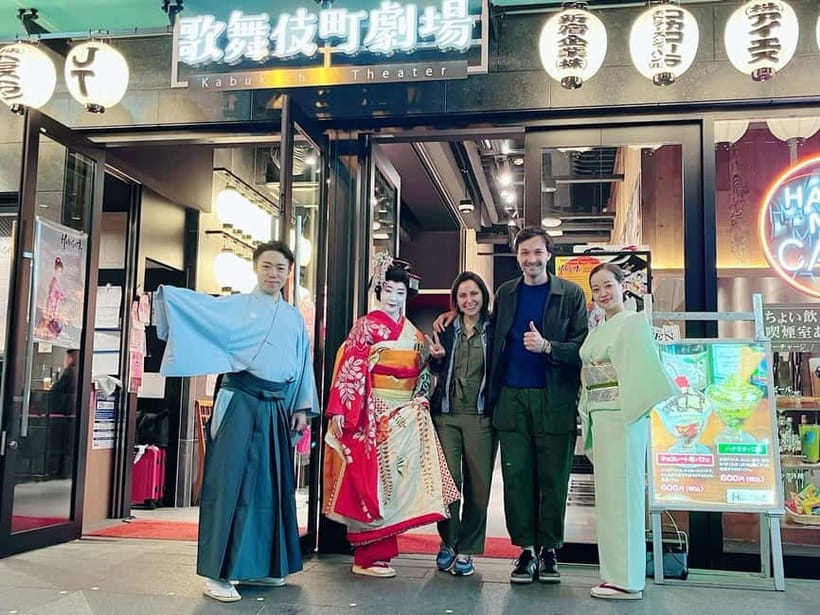
This experience is not only what happens on stage. There are welcome moments as well, and some visitors mentioned welcome gifts and a friendly, kind staff who talk with guests.
That social piece matters more than you might think. When staff are welcoming and the event is explained clearly between acts, it lowers the stress of being a foreign visitor in a traditional setting. It turns the night from watch-and-leave into a smoother, more human experience.
Food, Hotel Pickup, and Timing: Plan Like a Local
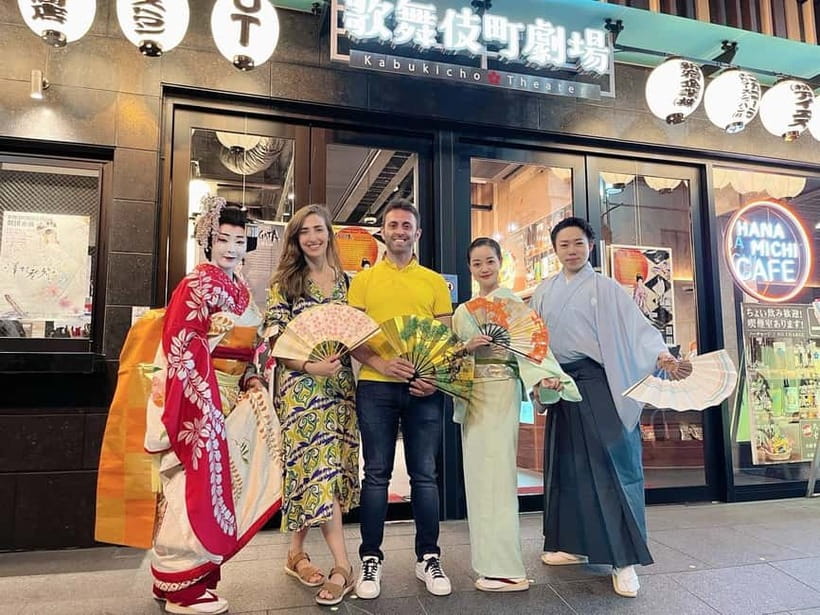
No hotel pickup means you will handle your own route to the venue. That is normal in Tokyo, and it is usually a good thing for control: you can fit the show around your day instead of waiting on a pickup schedule.
Food and beverage are not included, so come with a plan. If you tend to get hungry during performances, consider eating earlier or planning to snack afterward nearby. Since the venue is in Shinjuku, you will have plenty of options after the show.
Because the show is in Japanese language, even with English cultural notes, it helps to keep expectations realistic. Think of it as a visual and emotional experience with helpful explanations, not a full English script.
Who Should Book This Show in Tokyo?
This is a great fit if you:
- want a real look at traditional Japanese performing arts, not a simplified sampler
- enjoy kimonos and costuming, and you like seeing craft up close
- prefer experiences where you learn small pieces of context while you watch
- want a Shinjuku evening that feels different from typical sightseeing
You might consider skipping it if:
- you need to take photos throughout the performance
- you only want something with food included
- you are looking for a casual activity with flexible pacing, since the main attraction is the stage program itself
If you are the type who likes art history, stage performance, and cultural details, this will likely land well.
Families and Kids: Childcare Is Available
If you are traveling with kids, this show offers childcare through a kids program option. You can reserve and arrange it separately via the provided link: https://biz.simplee.jp/kids-program/en
That is a big deal. It means you are not stuck choosing between bringing your child and enjoying the performance. Instead, you can plan the night so the adults can focus on the dance while childcare is arranged for children during the activities.
Should You Book This Shinjuku Japanese Dance Show?
I think this is a strong booking choice if you want an evening that feels both artistic and informative. The combination of close viewing, award-level dancers, and English cultural notes between acts makes it easier to appreciate the technique and emotional storytelling, even if you have never seen Japanese dance before.
Book it if:
- you are in Tokyo and you want one “high meaning” cultural night
- you care about kimono detail and stage craft
- you can respect the no-photo rule during performances and enjoy photos at the end
Skip it if:
- you want to film nonstop during the show
- you are hoping the ticket includes food and pickup, since it does not
Bottom line: for $54, you are paying for professional talent, a close-up traditional art experience, and a thoughtful way to understand what you are seeing. That is the kind of value that tends to age well as a travel memory.
FAQ
Is photography allowed during the performances?
No. Photography is prohibited inside during performances. There is a time at the end of the performance for taking pictures.
What’s included with the ticket?
The ticket includes entrance only.
Is food and beverage included?
No. Food and beverage are not included.
Is hotel pickup included?
No. Hotel pickup is not included.
What language is used during the experience?
The experience is in Japanese, and English information is provided between performances.
Can I bring children, and is childcare available?
Childcare can be provided for children while you enjoy the show or activities. You can make a reservation through https://biz.simplee.jp/kids-program/en
What is the cancellation policy?
You can cancel up to 24 hours in advance for a full refund.
More Shows & Entertainment in Tokyo


More Tickets in Tokyo


More Tour Reviews in Tokyo



Not for you? Here's more nearby things to do in Tokyo we have reviewed








Tokyo City Tours, side by side.
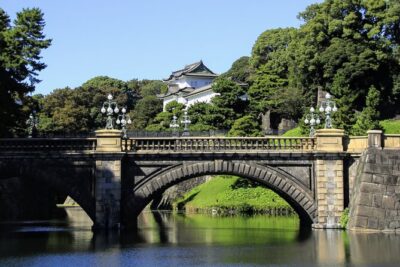 ★ 5.01-Day Tokyo Bus TourFrom $12914,250 reviews
 ★ 4.5TOKYO SKYTREE® Admission ticketFrom $1311,192 reviews
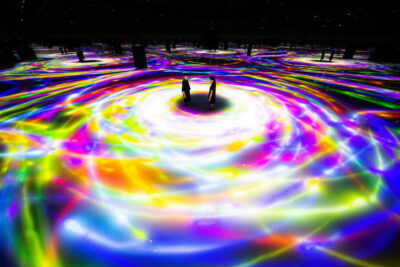 ★ 4.6teamLab Planets TOKYO Digital Art Museum Entry TicketFrom $259,779 reviews
 ★ 4.0Mt Fuji & Hakone Cruise, Drum Show Bullet Train 1 Day from TokyoFrom $1497,413 reviews
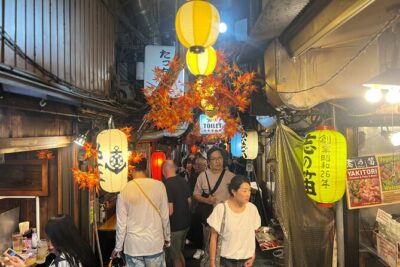 ★ 5.0Shinjuku Food Tour (13 Dishes at 4 Local Eateries)From $866,603 reviews
 ★ 4.4Tokyo Mt Fuji 5th St & Hakone Cruise Bus Tour w/Bullet TrainFrom $1545,024 reviews
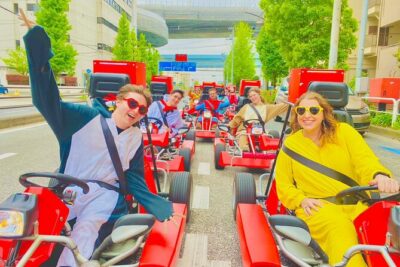 ★ 5.0Flagship 2-Hours Official Street Go-Kart Tour – Tokyo Bay ShopFrom $644,974 reviews
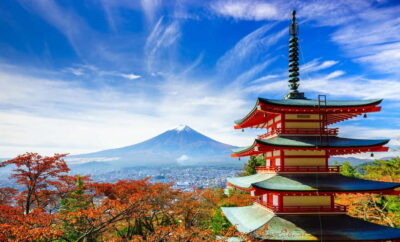 ★ 4.5From Tokyo: Mount Fuji Full-Day Sightseeing TripFrom $684,970 reviews