
Review · TOKYO CITY TOURS
Tokyo/Ikebukuro Manga lesson by acitive pro-Manga artists
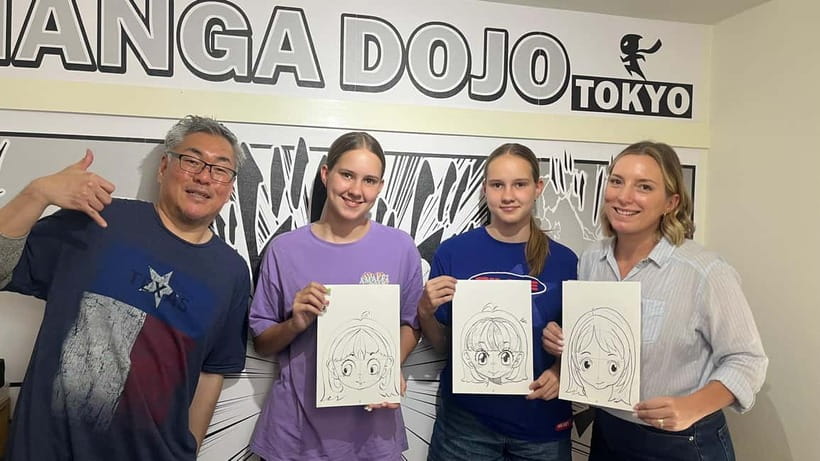
A sketch lesson with real manga pros in Tokyo. This 2 hour manga class near Ikebukuro (right by Animate) is built for beginners through advanced levels, and you’ll get real character-building guidance plus practical drawing tools like G pen and screen tone. I especially like the active pro artist teaching, and I love that you practice by drawing your own characters instead of watching from the sidelines.
Price is the one thing to think through. At $127 per person for a short session, it can feel steep if you only expect ultra detailed, technical lessons, so choosing the right level matters a lot.
Key points before you book your manga class
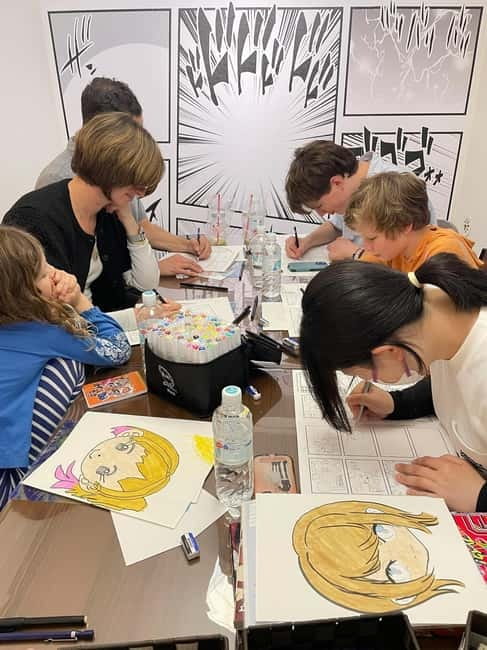
- Small group (up to 8) means you get more direct help instead of crowd noise and rushed corrections
- Course levels with different outcomes let kids, teens, and adults target the right skills, from basics to paneling and anatomy
- Tools are included (G pen, screen tone, manga paper), so you can actually finish something, not just start it
- English interpreter support is part of the experience, and names like Akari show up in the course as helpful translation support
- You can create original characters and a short story comic plus group activity production for extra motivation
- Career talk and Q and A can be a real highlight in the advanced session, guided by working professionals
Two hours with active manga pros near Ikebukuro
If you’re looking for a Tokyo activity that feels fun and real, this one hits the sweet spot. It’s a manga artist experience led by working professionals, not an imitation workshop. The location is convenient too, held near Ikebukuro, right next to Animate, which makes it easy to pair with shopping and pop culture wandering before or after.
The vibe is creative, but it’s not chaotic. The class is structured around what you can do in two hours: learn the core basics of character creation, apply manga drawing techniques with the right tools, then walk out with something you made. Since there’s no experience required, it’s a solid choice if you want a first taste of how manga gets made.
One smart detail is that the activity is positioned as both educational and hands-on. You get some context about manga’s roots and pop culture influence, then you translate that into drawing. That’s where a lot of art classes fall apart, so I appreciate that the format is built to get you producing rather than just appreciating.
More Tokyo tours and experiences for the shortlist



Pick the right level: Beginner, Intermediate, or Advanced
This is one of the best ways to get value out of a short workshop. You’re not stuck with one generic lesson. Instead, you choose a course level based on age and your drawing comfort, and the instruction aims at the skills for that level.
Beginner course (10:00 to 12:00) is designed for children and families, including junior high and younger. Expect fundamentals of character drawing and simple manga techniques in a friendly, lower pressure format. If you’re bringing kids, this timing and level structure tends to make it easier for them to stay engaged.
Intermediate course (13:00 to 15:00) is for high school students and adults who already draw illustrations or manga as a hobby. Here you’ll focus on character design, including how to draw chibi characters, plus making a yonkoma style 4 panel comic. This is a great match if you can already sketch a face but want more direction on style and story in manga panels.
Advanced / professional course (15:00 to 17:00) is for advanced learners and aspiring professionals. The learning goals shift toward advanced character design, panel layout, storyboarding, anatomy and facial expressions, and a career advice plus Q and A session. If you want behind-the-scenes insight into how a professional manga artist works and makes a living, this is the tier that best supports that.
Tip for value: if you’re paying $127 and only have two hours, don’t choose a level that is too easy. You’ll finish, but you might feel like you didn’t get much new. If you’re not confident with drawing yet, choose beginner and lean into the guidance. That way you end the session with a real win.
What happens in the classroom, from character creation to a comic
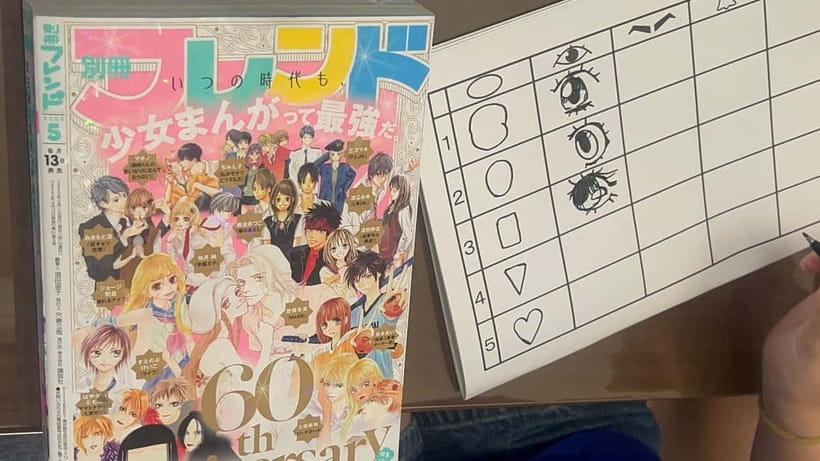
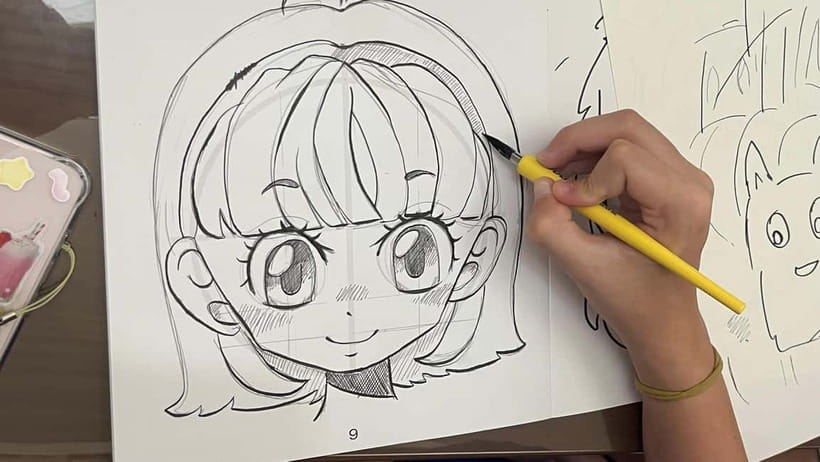
Even without watching the clock, the class format makes sense. You start with orientation and manga context, then you move into drawing steps that build on each other. The goal is not to create a perfect page. It’s to learn how manga artists think in characters, expressions, and panels, then apply it while you’re still learning.
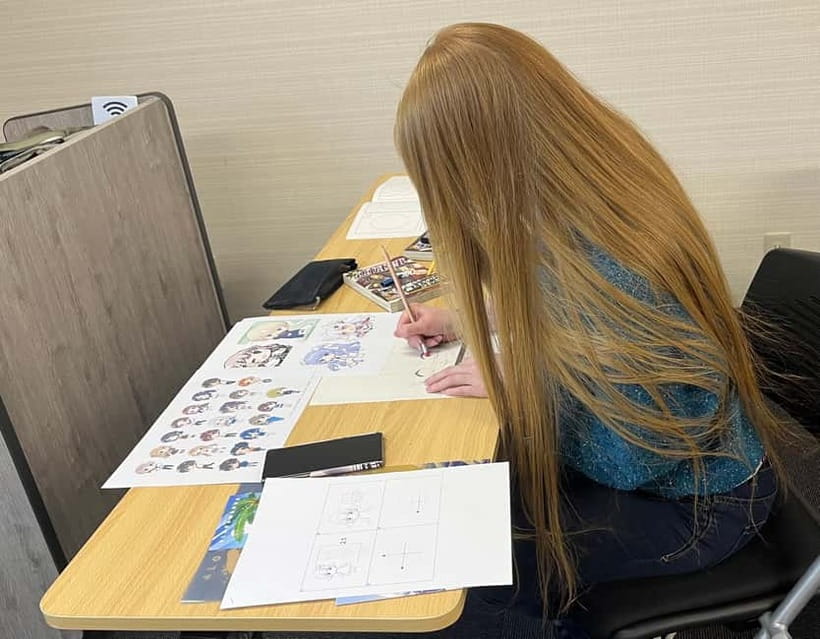
A common pattern is: learn a character drawing method, practice on the provided materials, then build a short outcome like a comic panel set. For example, the intermediate plan explicitly mentions creating a 4 panel yonkoma comic. That matters because yonkoma forces you to think about storytelling beats: setup, twist, emotion, and payoff. Even in a small class, you’re training that manga mindset.
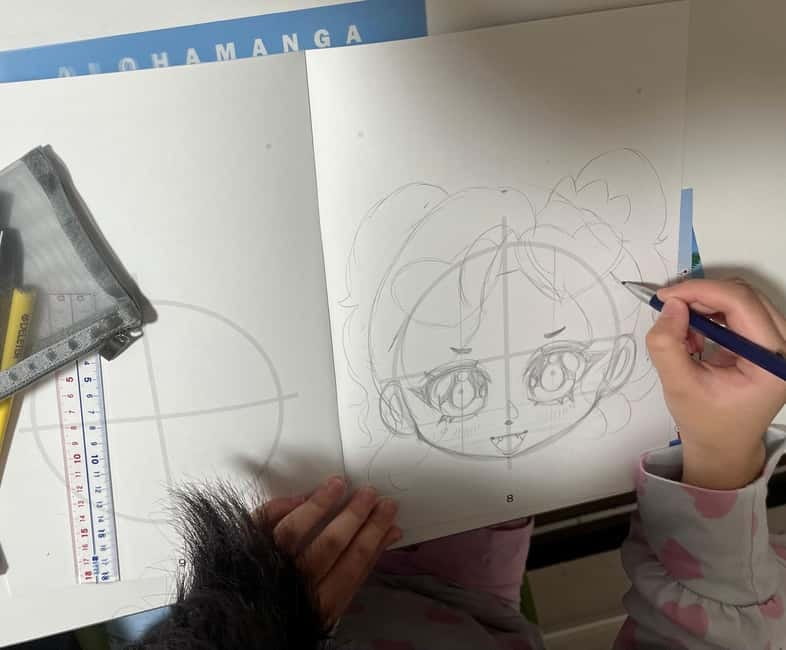
One review described step-by-step character face drawing, then a fun focused practice like learning how to draw Pukachu. That kind of guided warm-up is useful, because it helps you get results quickly. Once you can draw one recognizable character style, it’s much easier to create your own original character without freezing.
In the advanced session, the class adds structure for panel layout and storyboarding. That’s where manga becomes more than a drawing hobby. You learn how to arrange scenes, how expressions carry story, and how anatomy cues affect the way a character reads on the page.
And because it’s small group, you’re not just working alone. There’s also a group activity element for manga production, which can make the session feel social even if you come solo.
Tools matter: G pen, screen tone, and manga paper included
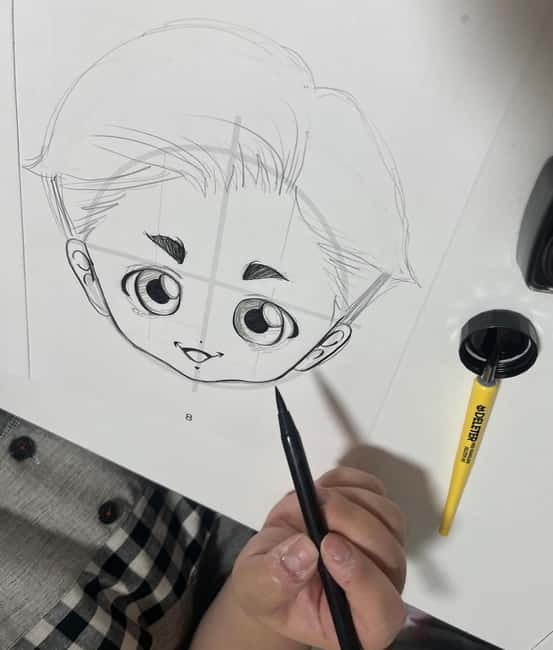
This workshop is practical in a way I like. You’re not expected to bring manga supplies or figure things out on your own. You get the drawing equipment, including G pen, screen tone materials, and manga paper.
Why this is valuable: a lot of first-time manga drawing classes teach style concepts but don’t teach tool control. Ink line weight, texture from screen tone, and the way pens behave on manga paper all affect the final look. If you only use a generic pen or pencil, your results can look flat, even if your character idea is good.
Screen tone in particular can feel like magic when someone shows you how it’s used. It can create shadows, depth, and speed lines without you having to render everything by hand. In a two hour lesson, that shortcut is gold.
You’ll also have access to the proper manga materials during the session, which means you can follow the instructor’s steps in the moment. That lowers the stress level, especially if you don’t draw often.
At the end, you even receive a small gift from a manga artist. It’s not life-changing, but it’s a nice symbolic checkpoint that you finished and you have something to take home.
English interpreter and small-group coaching
The class includes English interpretation, so you’re not stuck translating instructions in your head. One review highlighted a translator named Akari as very helpful, and that kind of support makes a real difference in technical drawing sessions where small feedback matters.
Small group size, limited to 8 participants, helps too. With fewer people, instructors can answer questions, correct proportions, and adjust guidance so you don’t get lost. That’s especially important for character creation, where one detail can change the whole look of a face or expression.
If you’re the type of traveler who likes to ask questions, this format is friendly. The workshop is set up as a manga artist experience, so you can directly ask professionals about their work and careers. In the advanced tier, the class specifically includes manga artist career advice and Q and A.
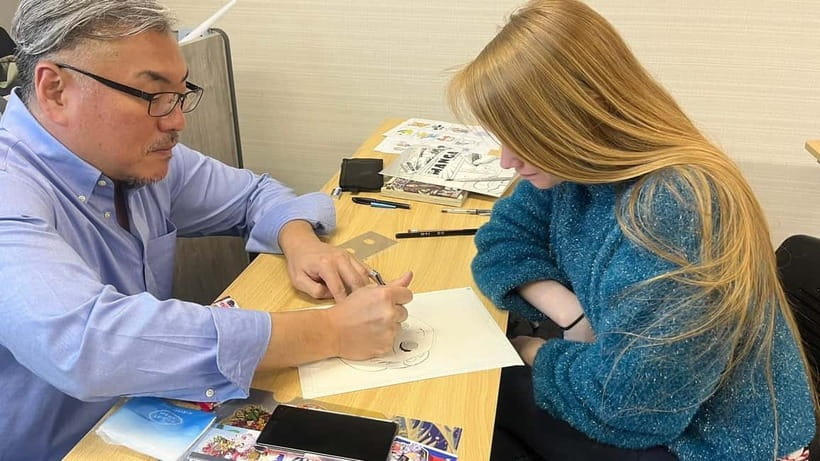
Even in the basic and intermediate tiers, the instructor is an active professional manga artist. One review named Kazuo Maekawa as the expert instructor and described how he showed comics he had drawn. That kind of personal connection helps you understand that manga is both craft and profession, not just an art style.






The price question: is $127 worth it?
Let’s talk money plainly. $127 per person for a 2 hour workshop is not a budget activity. One review criticism boiled down to this: it was enjoyable, but some people felt the session should be priced lower and that they didn’t learn very detailed manga drawing skills.
So here’s the balanced take for you. You’re paying for three things that most cheap classes do not include:
- Active professional instruction, not a casual demo
- Equipment included, including G pen and screen tone
- Structured outcomes tied to the level you choose, like a yonkoma 4 panel comic in the intermediate course
If your expectation is to leave with a highly technical, fully rendered manga page, you might feel it’s limited. Two hours is short. But if your expectation is to learn the core steps, produce a short comic, and leave with a clearer understanding of character design and paneling, the price can make sense.
How to make it worth it for you:
- Choose the level that matches your current ability, so you get new learning instead of redoing basics
- Ask questions early. The small group size is your window
- Plan to spend a little time practicing after you get home, using your new character sketches as reference
Also note: food and drinks are not included. If you’re pairing this with a meal in Ikebukuro, plan that separately so you don’t feel rushed.
Where it fits in your Tokyo day near Ikebukuro
Because the meeting point is near Ikebukuro and right by Animate, you can build this around other pop culture stops. Imagine your day like this: arrive in the Ikebukuro area, do the workshop at your chosen session time, then shop, snack, and explore the neighborhood while your drawing ideas are still fresh.
Timing also matters for energy. Morning beginner sessions (10:00 to 12:00) can feel easier for kids. The afternoon intermediate and advanced options (13:00 to 15:00, 15:00 to 17:00) are better if you want time to wander Tokyo first, then focus. If you’re traveling with teens or adults who already like drawing, intermediate is often the most satisfying balance of structure and creativity in two hours.
One more practical point: meeting point may vary depending on which option you book. That means you should verify the exact location details when you confirm so you don’t lose time searching after you arrive.
Who should book this manga lesson, and who might pass
This class is a strong fit if:
- You want an art activity that is genuinely about manga creation, not just generic drawing
- You’re traveling with kids or families, especially for the beginner session
- You’re an intermediate hobbyist who wants a guided path to yonkoma and chibi character styling
- You’re interested in professional manga careers and want Q and A in the advanced course
It may be less ideal if:
- You want a long, detailed masterclass over multiple sessions
- You dislike paying for included equipment and interpreter support, even though those are part of the value
- You specifically need food or a full day program
Also, the workshop is described as wheelchair accessible, but it is also marked not suitable for wheelchair users. That contradiction is important. If wheelchair access is a key requirement for you, confirm directly before booking so you know what will actually work on the day.
Should you book the Tokyo/Ikebukuro manga lesson?
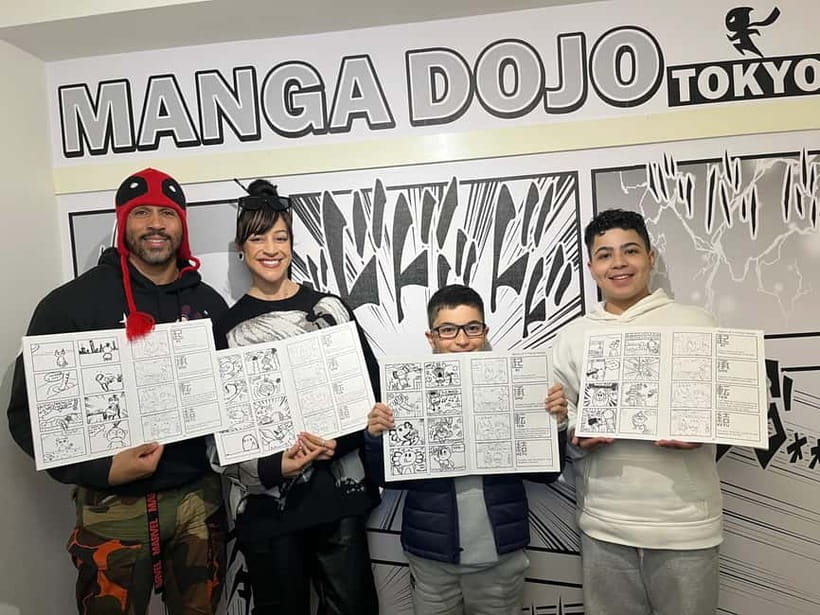
I’d book it if you want a hands-on, real manga artist experience with English support and you care about walking away with an actual short comic or character drawings. It’s also a great choice when you’re in Ikebukuro anyway, because the location near Animate keeps travel friction low.
I’d think twice only if your main goal is ultra detailed, professional-level technique over a longer stretch of time. Two hours is perfect for momentum and a clear first step. It’s not built to replace months of practice.
If you want the highest chance of satisfaction, pick the course level that matches your current drawing comfort, show up ready to ask questions, and plan a bit of practice afterward so your new skills stick.
FAQ
How long is the Tokyo/Ikebukuro manga lesson?
The class runs for 2 hours.
Where is the meeting point?
The meeting point may vary depending on the option you book, but the venue is near Ikebukuro, right next to Animate.
Is there an English interpreter during the class?
Yes. English interpretation is provided during the workshop.
What drawing materials are included?
All equipment for manga drawing is included, including tools such as a G pen, screen tone materials, and manga paper.
Do I need any prior drawing experience?
No experience is required. The workshop has different course levels for different abilities.
Are there different course levels and what do they cover?
Yes. Beginner focuses on basics for younger participants, Intermediate includes chibi characters and a 4 panel yonkoma comic, and Advanced covers advanced character design, panel layout and storyboarding, anatomy and facial expressions, plus career advice and Q and A.
Is food or drinks included?
No. Food and drinks are not included.
Is the workshop wheelchair accessible?
It is listed as wheelchair accessible, but it is also marked not suitable for wheelchair users. You should double-check details with the provider before booking.
More Workshops & Classes in Tokyo


More Tour Reviews in Tokyo
Not for you? Here's more nearby things to do in Tokyo we have reviewed












Tokyo City Tours, side by side.
 ★ 5.01-Day Tokyo Bus TourFrom $12914,250 reviews
 ★ 4.5TOKYO SKYTREE® Admission ticketFrom $1311,192 reviews
 ★ 4.6teamLab Planets TOKYO Digital Art Museum Entry TicketFrom $259,779 reviews
 ★ 4.0Mt Fuji & Hakone Cruise, Drum Show Bullet Train 1 Day from TokyoFrom $1497,413 reviews
 ★ 5.0Shinjuku Food Tour (13 Dishes at 4 Local Eateries)From $866,603 reviews
 ★ 4.4Tokyo Mt Fuji 5th St & Hakone Cruise Bus Tour w/Bullet TrainFrom $1545,024 reviews
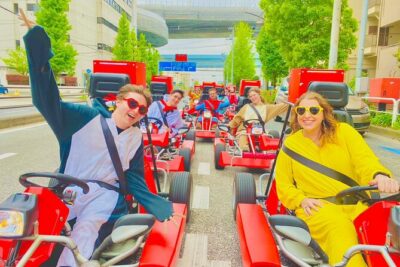 ★ 5.0Flagship 2-Hours Official Street Go-Kart Tour – Tokyo Bay ShopFrom $644,974 reviews
 ★ 4.5From Tokyo: Mount Fuji Full-Day Sightseeing TripFrom $684,970 reviews
This tour also belongs to