
Review · TOKYO CITY TOURS
Tokyo: Japanese Calligraphy Lesson with Skilled Instructor
Calligraphy turns quiet focus into something you can take home. In Asakusa, this one hour Japanese calligraphy lesson helps you write a word you actually chose, then put it onto a real souvenir.
I love the combination of English meanings and hands-on coaching. You see sample works, understand what they mean, then practice with 20 sheets so you can slow down and get your strokes right.
One possible drawback: the session is only 1 hour, so you will finish feeling satisfied, not “ready to master calligraphy for life.” If you want hours of practice, plan on adding some DIY time after.
Key things that make this calligraphy lesson worth your time
- Pick your own word or phrase after the instructor explains meanings in English
- Hands-on practice with hanshi, with plenty of paper for refining strokes
- Souvenir options you can actually use or display: uchiwa, shikishi, or kakemono
- Small group size (max 4), so questions do not get lost
- An experienced instructor (Shusuke) who teaches calmly and helps with details
- Photos included, so you can remember how your finished piece looks
Asakusa tatami rooms and why the setting matters
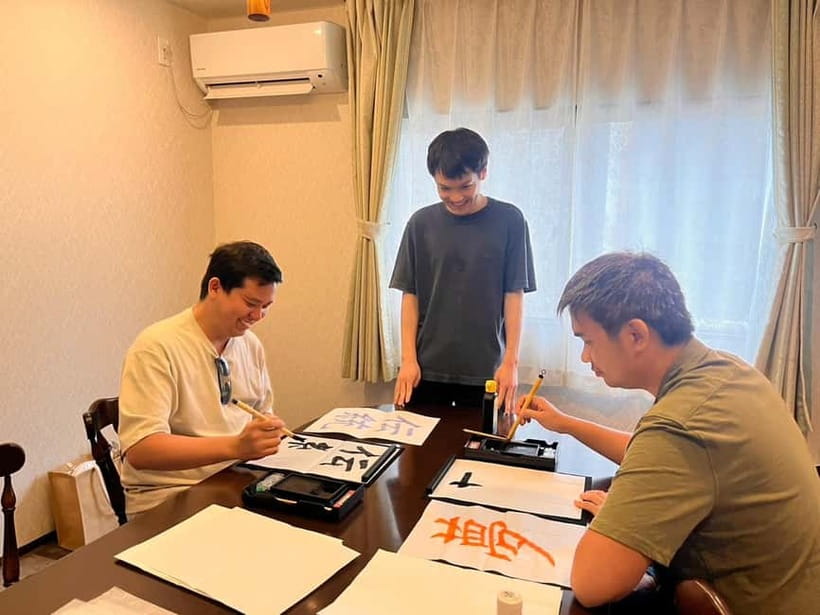
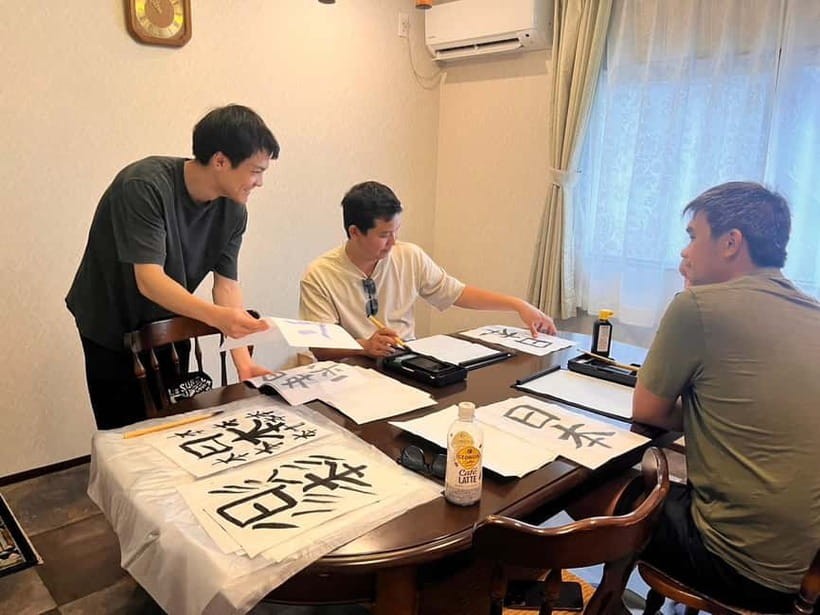
Asakusa is a great place to learn anything Japanese artsy, because the area already feels like you are stepping into everyday culture, not just tourist showrooms. In this class, you meet in a rental room in Asakusa. Depending on availability, that room can be tatami-style or a Western-style space with a table and chairs.
That detail matters more than you might think. Calligraphy is all about control, wrist angles, and staying comfortable long enough to repeat strokes. A tatami room can feel wonderfully traditional, while a chair-and-table setup can be easier if you prefer a more familiar posture. Either way, you are not squeezed into a noisy space. The lesson stays calm and focused, which helps you actually learn instead of just watching.
Also, you get a specific meeting point by email after you book. That is nice because Asakusa has lots of side streets, and being told exactly where to go saves time and stress.
More Tokyo tours and experiences for the shortlist



Choosing your word and understanding what it really means
The class starts with choice. You will look at sample calligraphy works, each connected to a word or phrase with cultural significance. The instructor explains the meanings in English, so you are not stuck guessing what you are writing.
This is one of the smartest parts of the whole experience. A lot of short workshops hand you a phrase and tell you to copy it. Here, you choose what resonates with you, based on explanations you can understand right away.
If you are the type who likes meaning behind your souvenirs, this is a big win. Maybe you want a word about calm, growth, love, motivation, or something personal. You might find it comforting to have the instructor guide you so you pick a character set that matches the style and effort you want to finish within one hour.
You will also hear about calligraphy styles during the lesson. One of the standout themes from real sessions is learning how different calligraphy approaches change how characters feel on the page. That helps your finished souvenir look intentional, not random.
Practicing on hanshi, with enough paper to fix your mistakes
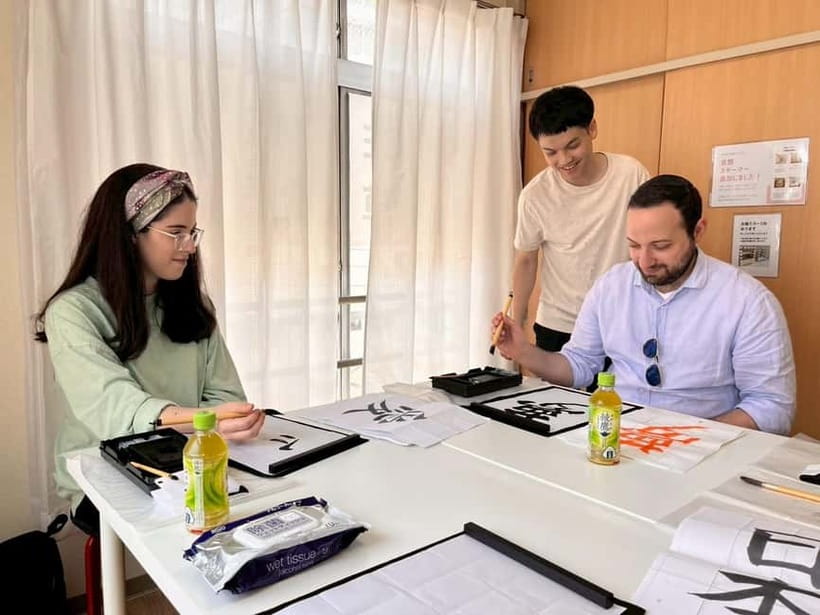
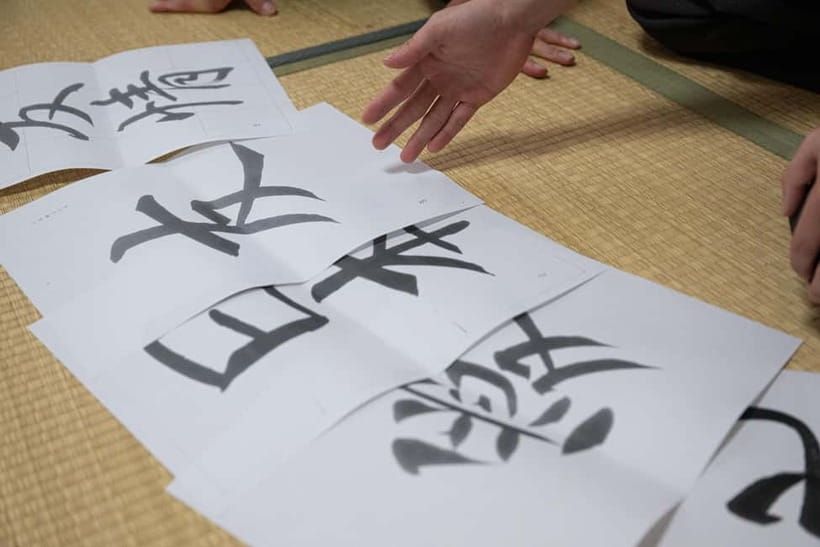
Once you pick your word or phrase, the instructor has you practice on hanshi, the calligraphy paper used for learning and refining strokes. You get 20 sheets, which is plenty for a one hour class. It also removes the usual pressure of “messing up and wasting your only try.”
You typically get about 30 minutes for practice. During that time, you repeat strokes, adjust your pressure, and learn how to control the flow of the brush. This is where step-by-step coaching makes a difference. The instructor demonstrates technique, then helps you correct what you are doing in real time.
A small note that matters: calligraphy is not just writing. It is timing, shape, and balance. You are training your hand to make the character look right, even if you are not “good at handwriting” in the first place. With enough practice sheets and guidance, you can move from tentative marks to something that feels confident.
The class structure also gives you a psychological advantage. You are not forced to rush straight to the souvenir. You practice first, then you transfer what you learned. That sequence is what turns the final piece from a souvenir you hide in a drawer into something you actually want to show.
Turning your word into a real souvenir, uchiwa, shikishi, or kakemono
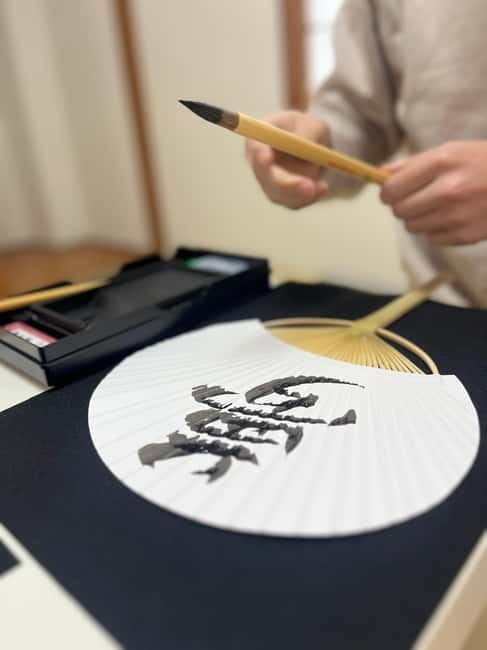
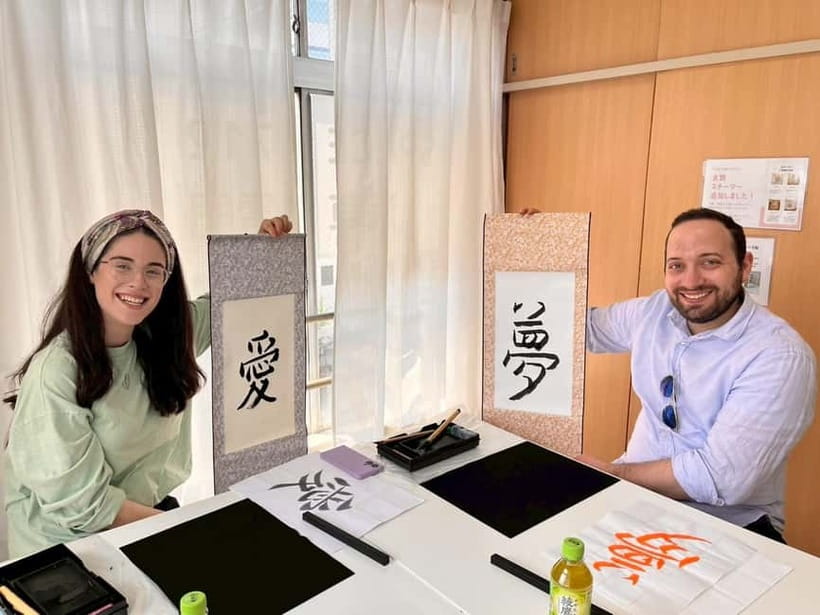
After practice, you transfer your chosen writing onto a souvenir item. You get a choice of uchiwa (traditional fan), shikishi (decorative board), or kakemono (hanging scroll).
This part is fun because each option changes how your writing needs to work.
- With an uchiwa, your calligraphy has to fit the fan’s shape and proportions. You often end up thinking about how it will look at a glance when the fan is held in real life.
- With a shikishi, you are working on a flat decorative surface, which can make composition feel straightforward. It is a clean option if you like the idea of a framed-looking piece without needing a frame.
- With a kakemono, the piece is made to be hung. You tend to focus on vertical balance and how the brushwork reads from top to bottom.
You do not need to be an artist to pull this off, because the instructor guides you through the transfer. The key is you already practiced your strokes first, so you are not reinventing everything in the final step.
When you finish, you get a commemorative photo of your completed masterpiece. That may sound like a tiny extra, but it is practical. Calligraphy pieces can be hard to photograph well at first, especially if you are not sure how to present them. Having someone handle the photo moment means you leave with a nice memory you can actually use online or in a photo album.
Why Shusuke’s teaching style makes a difference
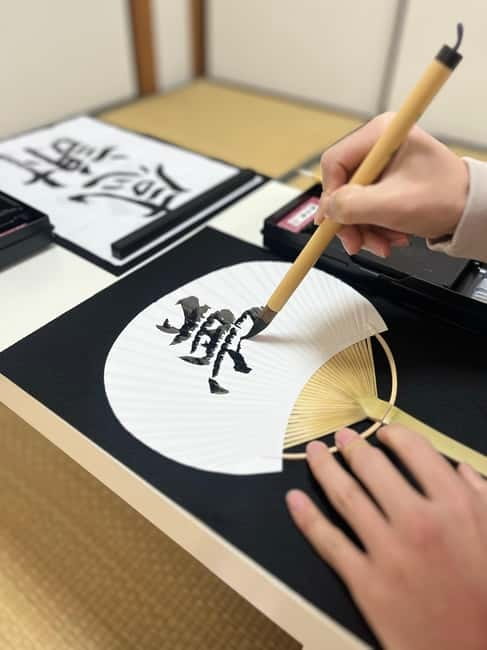
The instructor for these sessions is Shusuke. His credentials include certification in Japanese calligraphy at 3rd Dan with the Japan Educational Calligraphy Federation, plus over 10 years of calligraphy instruction. That is not just a title. It usually shows up in how the lesson flows.
From the way sessions are described, Shusuke teaches with a calm rhythm. He takes time to explain what matters, then gives you coaching without making you feel rushed or judged. That calm approach is huge for calligraphy, because your hand naturally tightens when you feel pressure. When the instructor stays relaxed, you are more likely to loosen up and write with control.
Language support is also part of the value. You can expect instruction in English and Japanese, and the instructor also speaks beginner Korean. That multilingual support matters even if you only speak English, because it usually means the teacher is practiced at explaining concepts clearly to non-native students.
One more practical detail: Shusuke takes lots of photographs during the process and helps if you have questions. So you are not just producing a souvenir and leaving. You get help that makes the experience feel complete.






Small group of 4, and why that keeps the learning personal
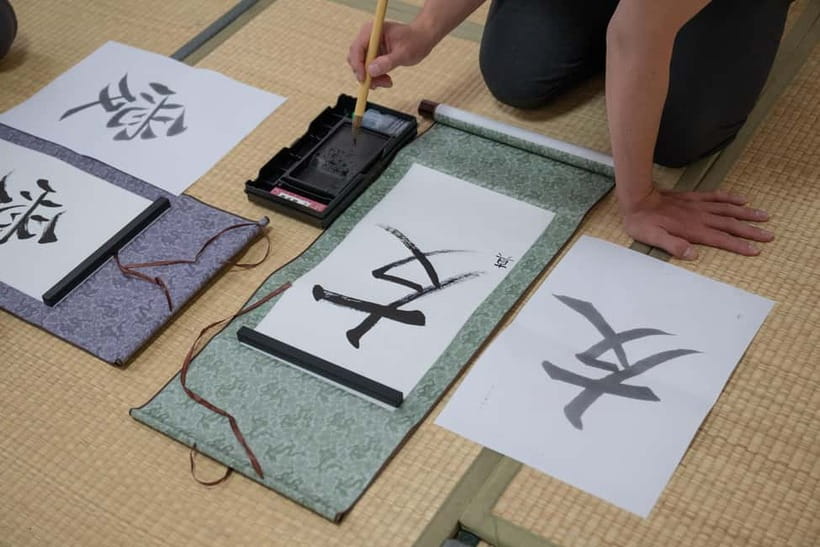
This is a small group lesson, limited to 4 participants. That size is the difference between “watch and copy” and “actually get corrections.”
In a bigger group, the instructor often spends time repeating advice to multiple people. Here, you are more likely to get personal feedback on what you are doing right now. Even small corrections, like how you hold the brush or where to change pressure, can make your characters instantly cleaner.
If you are someone who likes interaction, this setting fits your style. If you just want a quiet creative activity where you can focus, it also fits. The small group vibe keeps the room relaxed.
Price and value: what $45 buys in one focused hour
At $45 per person for 1 hour, this workshop is priced like a practical, hands-on cultural activity. The real value is not only the instruction. It is what is included.
You get:
- Access to word samples with meanings explained in English
- Step-by-step coaching during practice
- 20 sheets of hanshi for practice
- A choice of souvenir: uchiwa, shikishi, or kakemono
- A commemorative photo
When you add those together, you are paying for both teaching and materials, plus a finished product you can keep. If you were to buy supplies and try to copy characters on your own, you would spend money and still lack guidance on brush technique and stroke balance.
The one-hour format can be seen as a drawback, but it is also what makes this good value. You get a complete mini experience from choice, to practice, to finished souvenir, with no wasted time.
If your schedule is tight, this lesson works because it is short. If your travel style includes making memories you can touch, the souvenir option turns the price into something tangible.
Logistics you should think about before you go
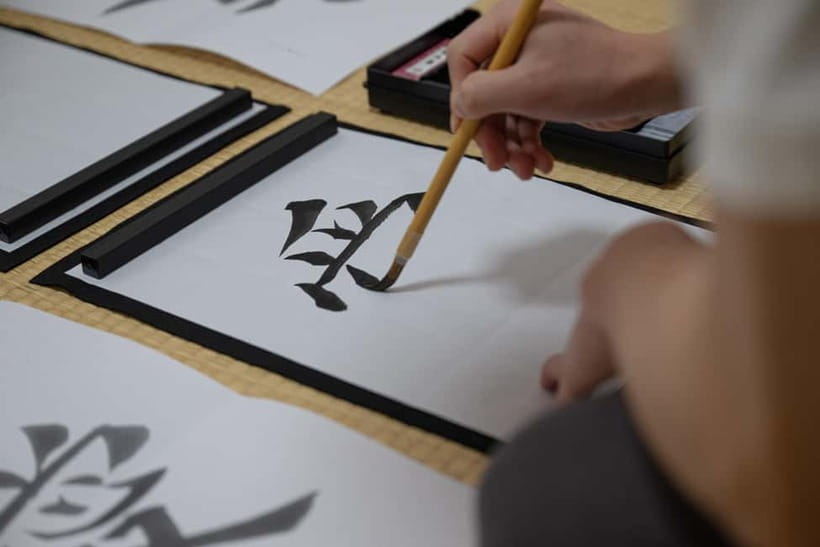
The meeting point is in an Asakusa rental room, either tatami or Western style based on availability. You do not need to guess where it is. The specific details are shared by email after you reserve.
Because the lesson is short, show up on time. Calligraphy is easiest when your brain is not doing a bunch of extra tasks at once. Once the session starts, the instructor wants you focused on your word, your strokes, and the paper.
Also, decide in your head what you are choosing. You do not need to know the exact word before you arrive, because sample works and explanations are part of the class. But having a few themes in mind helps you move quickly when the instructor presents options.
Lastly, if you want to keep your finished piece looking great, think about how you will pack it. The experience includes the final souvenir, so you will want a plan for safely carrying it back to your hotel.
Who this calligraphy class is perfect for
You will probably enjoy this workshop if you like one of these travel goals:
- You want a meaningful souvenir, not just an item you buy
- You prefer hands-on learning over sitting in a museum classroom
- You want a calm, focused activity that does not depend on advanced language skills
- You like getting instruction in English while still experiencing Japanese culture in a real way
It is especially fitting for couples or friends who want something shared and creative in the same room. Since the group is small, you get a more personal feel than many group activities.
If you are traveling solo, it can be a nice reset. One hour at a controlled table, choosing a word, practicing strokes, and leaving with a finished piece is a satisfying change from sightseeing.
Should you book this Japanese calligraphy lesson in Tokyo?
I would book it if you want a short workshop that ends with something you can display at home or give as a thoughtful gift. The combination of English explanations, structured practice on hanshi, and a real souvenir option is what makes it worth your time.
The biggest reason to skip is if you only want casual sightseeing and do not want to focus on writing for an hour. This is not a quick photo stop. It is a skill-building session where your hand does the work.
If you are on the fence, I suggest leaning into it if calligraphy sounds even mildly interesting. One hour is enough to get a real sense of how brush strokes build character, and you leave with a finished uchiwa, shikishi, or kakemono that proves you did it.
FAQ
How long is the Japanese calligraphy lesson in Tokyo?
The lesson lasts 1 hour.
What is included in the price?
The price includes guidance from the instructor, practice paper (20 sheets of hanshi), English explanations for word samples, a choice of souvenir (uchiwa, shikishi, or kakemono), and a commemorative photo.
What souvenirs can I make during the lesson?
You can make one of these: uchiwa (fan), shikishi (decorative board), or kakemono (hanging scroll).
What languages will the instructor use?
The lesson is available in English and Japanese. The instructor also speaks beginner Korean.
Where is the meeting point?
You will meet in an Asakusa rental room. The exact meeting point details are sent by email after reservation, and the room may be either tatami-style or Western-style with chairs and a table.
Is there free cancellation?
Yes. You can cancel up to 24 hours in advance for a full refund.
More Workshops & Classes in Tokyo

More Tour Reviews in Tokyo
Not for you? Here's more nearby things to do in Tokyo we have reviewed












Tokyo City Tours, side by side.
 ★ 5.01-Day Tokyo Bus TourFrom $12914,250 reviews
 ★ 4.5TOKYO SKYTREE® Admission ticketFrom $1311,192 reviews
 ★ 4.6teamLab Planets TOKYO Digital Art Museum Entry TicketFrom $259,779 reviews
 ★ 4.0Mt Fuji & Hakone Cruise, Drum Show Bullet Train 1 Day from TokyoFrom $1497,413 reviews
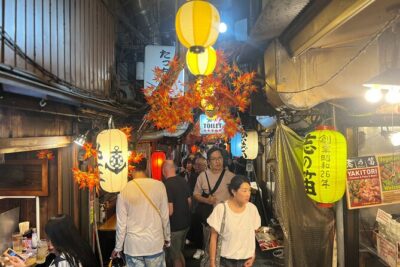 ★ 5.0Shinjuku Food Tour (13 Dishes at 4 Local Eateries)From $866,603 reviews
 ★ 4.4Tokyo Mt Fuji 5th St & Hakone Cruise Bus Tour w/Bullet TrainFrom $1545,024 reviews
 ★ 5.0Flagship 2-Hours Official Street Go-Kart Tour – Tokyo Bay ShopFrom $644,974 reviews
 ★ 4.5From Tokyo: Mount Fuji Full-Day Sightseeing TripFrom $684,970 reviews
This tour also belongs to