
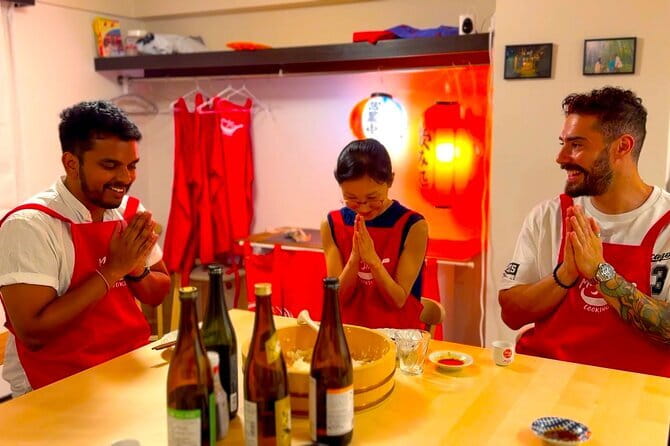
Review · TOKYO CITY TOURS
Tokyo: Night Cooking Class: 5 Home-Cooked Japanese Dishes
Sake plus cooking makes a great night. In Tokyo, this 3-hour izakaya-style class gets you making Japanese small dishes while you sip along. Izakaya-style meals are all about mixing flavors with drinks, and this one is built for exactly that mood.
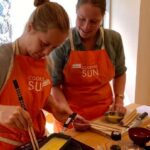
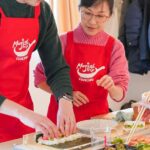
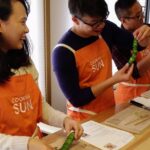
I like two big things right away. First, the class is truly hands-on, from rolling a sushi hand roll to cooking the Japanese rolled egg and grilling miso eggplant. Second, I love the way the guide connects food to your drink choice, so you learn what works with sake and beer, not just what tastes good. In one past session, guides like Alice and Masae were singled out for making the techniques clear and the night feel fun.
One drawback to plan for: it is not available for vegan or gluten-free diets.
Key points before you go
- Small group, limited to 6, so you actually get time at the stove and questions answered
- 3 drinks included (alcohol or soft drinks), perfect for practicing Japanese nomikai-style pairing
- Four core dishes are guaranteed, including sushi hand roll and grilled miso eggplant
- Knife and heat rules matter, with hands-on cooking for ages 12 and up only under supervision
- You take recipes home, so this is more than a one-time meal
- Diet options are limited, vegetarian is possible, vegan and gluten-free are not
Tokyo Night Izakaya Cooking, Why This 3-Hour Setup Works
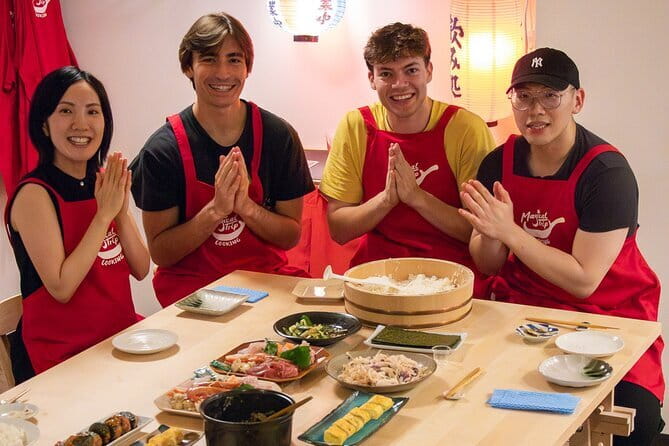
This class feels like a proper evening out, not a rushed demo. You’re in Tokyo at night, learning Japanese home-style cooking in an izakaya format where multiple small plates make sense. The timing also helps. In three hours, you get enough instruction to cook with confidence, then you can actually enjoy what you made alongside your drinks.
What makes it especially practical is the pairing focus. You’re not just learning recipes, you’re learning how people think about food and alcohol together. That matters if you want to recreate the experience at home. A lot of cooking classes teach flavors. Fewer teach how to match those flavors to what you’re drinking.
If you want a social night, this format helps too. The group is capped at 6, so you’re likely to talk and compare notes with the people next to you. In past bookings, guests highlighted meeting others during the cooking portion, and that tracks with how small groups usually play out when everyone is moving at the same pace.
You can also read our reviews of more cooking classes in Tokyo


Finding Iriya Station and Getting Into the Kitchen Rhythm
The meeting point is specific, and it’s worth getting right. You meet in front of a FamilyMart next to the Gindako shop in Iriya Station Exit 2. There are two FamilyMarts in Iriya station, so you’ll want the one next to Gindako takoyaki and Doutor Coffee.
From there, you’ll head to the cooking space with your English-speaking local guide. Some nights include a quick shopping stop first, like one session where guide Masae took a group to a local supermarket before starting the cooking. Even if your schedule doesn’t include that, you can expect a similar flow: start with ingredients and guidance, then move into the studio where you’ll cook your meal.
The practical rhythm is simple. You’ll work through cooking steps, you’ll taste as you go, and you’ll use your included drinks throughout the evening. Because you’re cooking and drinking in the same time window, you’ll actually notice how the flavors change from one bite to the next.
One more logistics note: wheelchair and stroller access is not guaranteed at every location on the route. So if mobility is a concern, it’s smart to plan for some walking before you go.
What You Cook: Sushi Hand Roll, Wagyu or Tofu Steak, and Miso Eggplant
This experience is built around Japanese home-cooking style dishes that are friendly to cook with real confidence. The good news: you’re not guessing what you’ll eat later. The included hands-on menu features four anchor dishes.
- Sushi hand roll
You’ll learn the basic assembly approach for a grab-and-eat style roll, which is great for recreating at home because it avoids the full stress of rolling and cutting a larger sushi format.
- Wagyu or tofu steak
You’ll cook either wagyu or tofu depending on the setup. If you’re meat-focused, wagyu gives you that classic richness. If you prefer something lighter, tofu still lets you practice seasoning and grilling technique.
- Japanese rolled egg
This is one of those Japanese staples that looks simple, but the texture is all about technique. You’ll get coached on how to get the right structure.
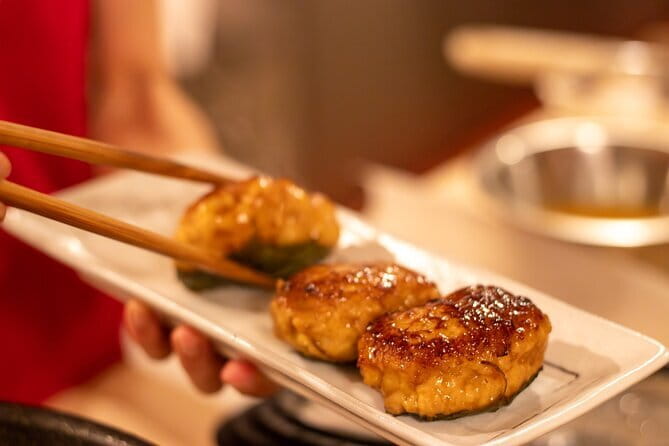
- Grilled eggplant with miso sauce
Eggplant plus miso is a smart choice for drink pairing because it delivers savory depth and a gentle sweetness. It also helps you practice heat control for a tender result.
Beyond those anchor dishes, the class also teaches recipes that fit the izakaya idea of small plates. Expect lessons that cover things like savory skewers, crispy tempura, tangy pickles, and other complementary bites. That variety is the point. You taste multiple flavors across the night, then your guide helps you understand why some dishes click with certain drinks.
The “home cook” angle matters too. The class notes that ingredients and processes are chosen with recreating in mind, using items you can usually find in your home country. That turns the class into a tool for future party planning, not just a fun dinner you’ll forget next month.
Drinks, Sake Pairing, and a Real Nomikai-Style Lesson
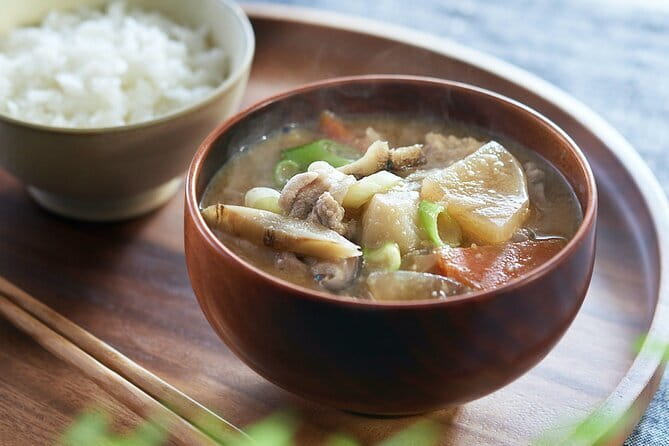
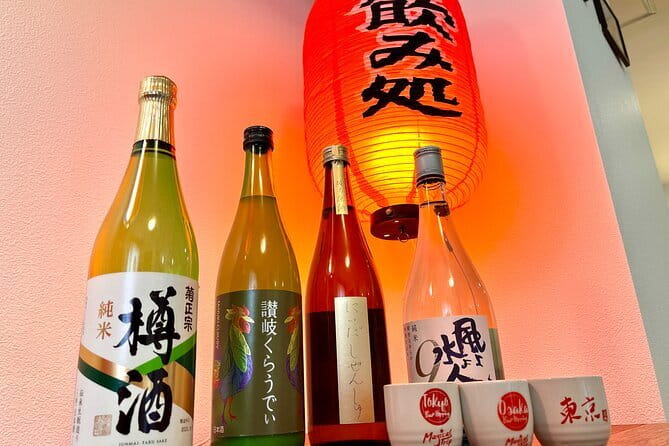
This is where the class really earns its name. You get three cans of alcoholic or soft drinks included, and the cooking is timed so the drinks aren’t an afterthought. Instead, you learn while you drink.
Alcohol rules are straightforward under Japanese law. Sake tasting and alcoholic beverages are only available to guests aged 20 and over. If you’re younger, you’ll still participate fully, but your drinks will be soft options.
The pairing teaching is what I’d call the most “transferable” part. The guide helps you connect dish characteristics to drink choice, so you start noticing patterns like:
- Savory, umami-heavy bites often work well with certain sake styles
- Crispy textures can change how beer and carbonation feel on your palate
- Pickles and sharper sides reset your taste between richer items
You don’t need to be a sake expert to enjoy it. The setup is beginner-friendly, and the guide’s job is to explain the why in plain terms. In earlier sessions, guests praised guides like Fuji and Alice for both skill and energy, which is important because pairing can turn into fancy talk if the instructor doesn’t keep it practical.
One small consideration: the tour does not guarantee allergy-free preparation. Food is made in kitchens that are not the MagicalTrip kitchen, and substitutions are not always possible. If you have serious allergies, you’ll want to be cautious and plan your communication in advance.
Who This Class Fits, and Who Should Skip It
This is a good fit if you’re the type who likes doing, not watching. You’ll get real cooking tasks, and you’ll end with food you made yourself while learning how Japanese home drink culture works around small plates.
It’s also well-suited to:
- Couples and friends looking for a fun night out that feels different from a standard dinner
- Solo travelers who want conversation without the pressure of a formal tour group
- People who enjoy Japanese food, whether you’re an enthusiastic beginner or already comfortable in the kitchen
Vegetarian guests are welcome, and the class arranges ingredients and cooking process for you. That said, it’s not vegan and not gluten-free. If either of those is a dealbreaker, don’t book and then hope for a workaround.
Age rules are another big deciding factor. The tour is open to participants aged 6 and above, but it’s also listed as not suitable for children under 12. Also, steps involving knives and heat are only permitted for those aged 12 and over, under a parent or guardian’s supervision. So for families, read the fine print carefully before you commit.
Finally, it’s not suitable for pregnant women. And smoking is not allowed during the experience.
You can also read our reviews of more evening experiences in Tokyo

Price and Value at $103, Small Group Included
At $103 per person for a 3-hour nighttime session, this is priced like a guided activity with real food and drinks built in. You’re not only paying for the recipes. You’re paying for instruction, ingredients, equipment, and the drinks that drive the whole pairing theme.
Here’s what’s included:
- Hands-on cooking class with the core dishes (sushi hand roll, wagyu or tofu steak, Japanese rolled egg, grilled eggplant with miso sauce)
- 3 cans of alcoholic or soft drinks
- All ingredients and cooking equipment
- Recipes to take home
- Local guide
- Tour photos
That combination is what makes it feel like value. A cooking class without drinks can still be fun, but this one uses drinks as part of the lesson, so you’re getting a more complete evening package. Plus, having recipes afterward makes it easier to justify the price as a skill-building experience, not just a meal.
The small group limit helps too. When the class caps at 6 participants, you’re less likely to spend the whole time standing back and watching. Even if you’re shy, it’s easier to ask questions when there are fewer people in the room.
Should You Book This Tokyo Night Cooking Class?
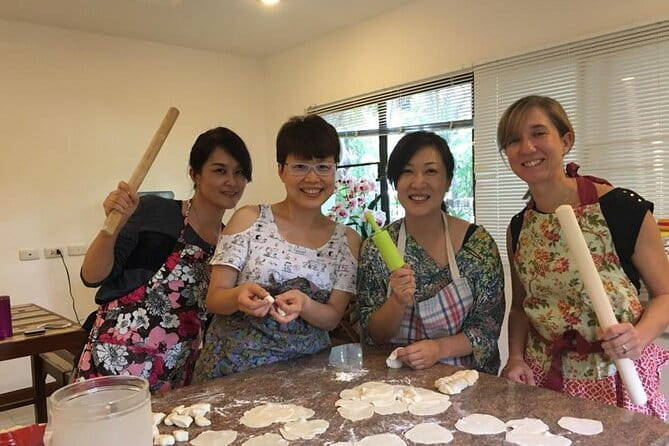
Book it if you want an easy-to-follow Japanese cooking experience with a built-in social vibe and a clear takeaway. It’s especially worth your money if you care about sake and food pairing and you like the izakaya style of eating multiple small dishes.
Skip it if you need vegan or gluten-free options, or if you have serious allergy constraints that require fully allergen-free prep. Also skip if the age or pregnancy restrictions apply to you.
If your goal is a fun Tokyo night that teaches you something you can use later, this class is a strong pick. You’ll leave with recipes, photos, and at least a few dishes you can confidently cook for friends back home.
FAQ
How long is the Tokyo night cooking class?
It lasts 3 hours.
Where exactly do I meet for the class?
Meet in front of FamilyMart next to the Gindako shop in Iriya Station Exit 2. There are two FamilyMarts in Iriya station, so choose the one next to Gindako takoyaki and Doutor Coffee.
What dishes are included in the hands-on cooking?
The included hands-on dishes are sushi hand roll, wagyu or tofu steak, Japanese-style rolled egg, and grilled eggplant with miso sauce.
Are drinks included, and what kind?
Yes. You get 3 cans of alcoholic or soft drinks included.
Can I taste sake if I’m under 20?
No. Sake tasting and alcoholic beverages are only available to guests aged 20 and over.
Is this class suitable for vegetarians?
Yes. Vegetarian guests are welcome, and the organizer arranges ingredients and the cooking process.
Is it available for vegan and gluten-free diets?
No. It is not available for people who are vegan and gluten-free.
How big is the group?
The group is small, limited to 6 participants.
Do they pick me up from my hotel?
No. Hotel pickup and drop-off are not included.
Is there a minimum age or any restrictions for kids?
It’s open to participants aged 6 and above, but it is listed as not suitable for children under 12. Also, steps involving knives and heat are only permitted for those aged 12 and over, under supervision.
More Evening Experiences in Tokyo
More Cooking Classes in Tokyo
More Tour Reviews in Tokyo






Not for you? Here's more nearby things to do in Tokyo we have reviewed












Tokyo City Tours, side by side.
 ★ 5.01-Day Tokyo Bus TourFrom $12914,250 reviews
 ★ 4.5TOKYO SKYTREE® Admission ticketFrom $1311,192 reviews
 ★ 4.6teamLab Planets TOKYO Digital Art Museum Entry TicketFrom $259,779 reviews
 ★ 4.0Mt Fuji & Hakone Cruise, Drum Show Bullet Train 1 Day from TokyoFrom $1497,413 reviews
 ★ 5.0Shinjuku Food Tour (13 Dishes at 4 Local Eateries)From $866,603 reviews
 ★ 4.4Tokyo Mt Fuji 5th St & Hakone Cruise Bus Tour w/Bullet TrainFrom $1545,024 reviews
 ★ 5.0Flagship 2-Hours Official Street Go-Kart Tour – Tokyo Bay ShopFrom $644,974 reviews
 ★ 4.5From Tokyo: Mount Fuji Full-Day Sightseeing TripFrom $684,970 reviews
This tour also belongs to