
Review · TOKYO CITY TOURS
Tokyo: Rice Ball Making Class by an Expert
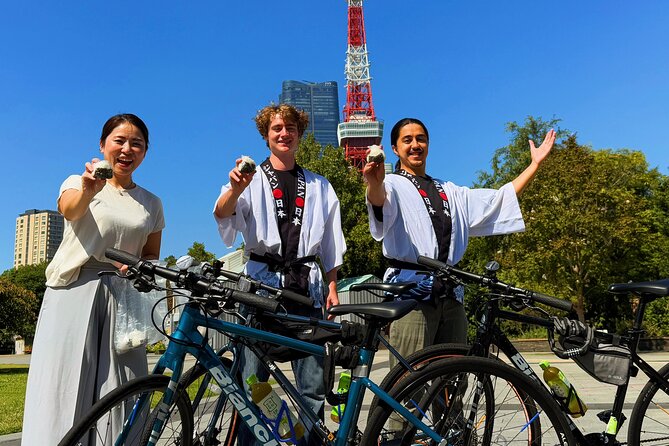
Onigiri, bikes, and Tokyo Tower nearby. This 3-hour Tokyo experience mixes a hands-on rice ball making class, a relaxed picnic at a famed garden, and a guided pedal through local streets.
I love the step-by-step onigiri instruction you get at the start, and I love that your lunch is what you just made, eaten outdoors at Hamarikyu. The only real catch is the cycling, so if you do not like riding for a while, plan on taking it slow and steady.
Key highlights you’ll feel right away
- Expert-led onigiri making with ingredients included, not just watching
- Hamarikyu Gardens picnic where you eat the onigiri you shaped
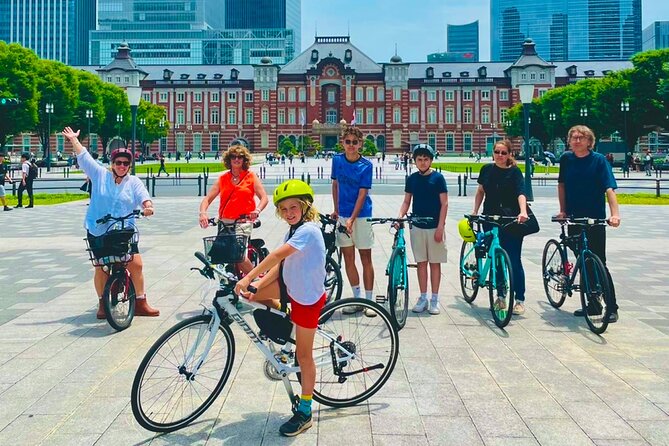
- Small group size (max 6), which helps the teaching and the ride
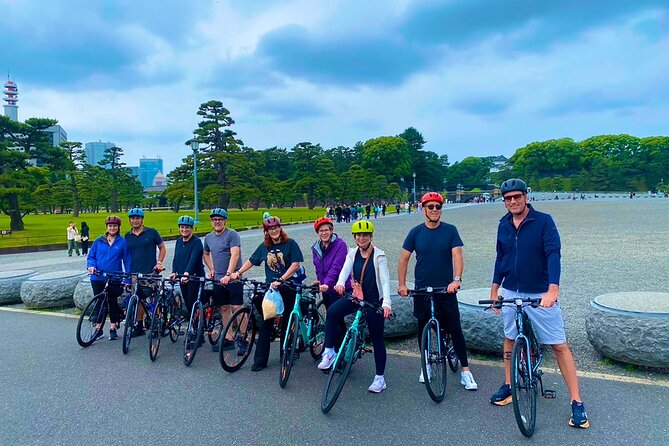
- A neighborhood bike route that keeps you in local areas rather than just photo stops
- Zojo-ji Temple with Tokyo Tower in the background for an easy, iconic shot
What you’re really paying for: skills, lunch, and motion in one package
At $39.19 per person for about 3 hours, this tour works as a practical bundle. You are not only getting a food lesson. You are also getting bike time, a local guide, and garden admission so you can eat your onigiri in the right setting.
Most Tokyo food classes stop at the making part. Here, the payoff continues. You shape rice balls, then you actually eat them in a calm, traditional garden space before you roll back out on the bike again.
The ride also matters. Tokyo Tower is close enough to aim for, but the route still pushes you through a mix of neighborhood scenes and landmarks. That combination is what makes it feel like more than a one-room workshop.
More Tokyo tours and experiences for the shortlist

Start Point by Shibakoen: getting set up for a smooth 11:00 am start
The tour meets at AMAZAKE CAFE KomeDreaming -Japanese Gift & Souvenirs- in Minato City, near Shibakoen. Your start time is 11:00 am, and the activity ends back at the meeting point, which makes the logistics easy.
This is a mobile ticket experience, so you do not need to hunt for paper. It is also described as near public transportation, which is a big deal in Tokyo where getting to the right station exits can eat time.
The biggest practical tip: wear comfortable shoes and clothing you can pedal in. You will be doing repeated stop-and-ride transitions, so being prepared for quick segments matters more than long travel days.
Stop 1, Amazake Cafe: making onigiri with an expert
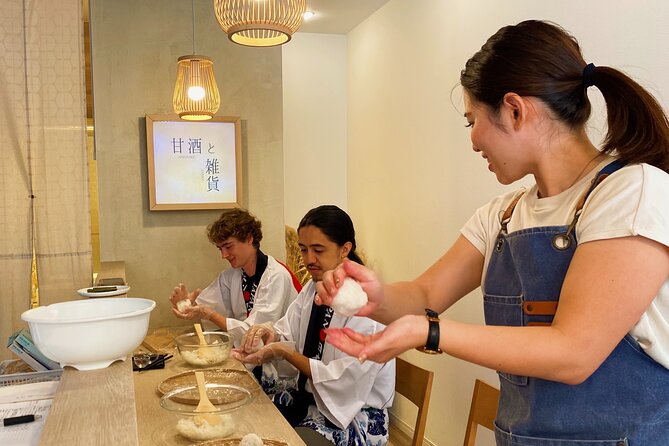
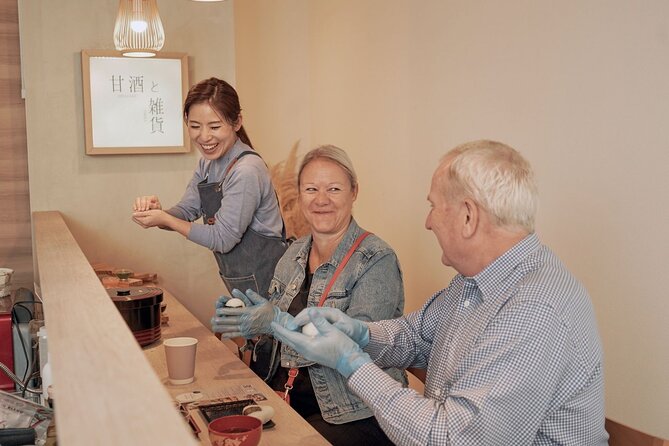
The first stop is your hands-on onigiri class at AMAZAKE CAFE KomeDreaming. You spend about 30 minutes learning and making handmade rice balls. Admission to this step is included, and so are the onigiri ingredients.
This is the part you should pay attention to, even if you already eat onigiri all the time. The fun is not in the final look. It is in how you shape, portion, and pack it so it holds together and eats well.
One guide name that comes up in the experience feedback is Sho, praised for clear, step-by-step teaching. That style matters because onigiri is one of those foods where one small technique difference changes everything, from how it sits in your hand to how it stays firm after you make it.
What to expect here:
- You learn the basics of making onigiri, not a complex cooking course
- You add your favorite ingredients, then you try what you made afterward
- The class is short, so you get guided momentum instead of a long lesson
Possible downside to keep in mind
If you want a deep, culinary science lecture, this is not that. It is a focused skill session, then you eat and ride. Think workshop plus lunch, not a full cooking day.
Hamarikyu Wharf and the garden picnic: where lunch turns into a moment
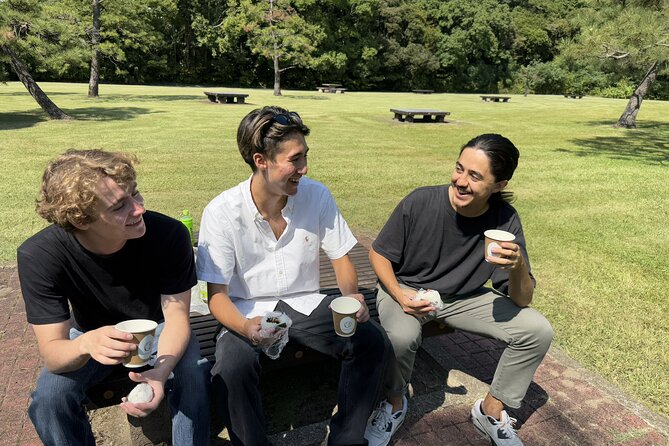
After the class, you cycle to Hamarikyu Wharf and then into the Hamarikyu Gardens area. This stop is designed around eating the onigiri you made, which is the real emotional payoff of the entire tour.
The garden admission fee is included, so you are not just paying for a view. You are paying to get into the place where the experience makes sense. You eat your homemade rice balls in a traditional Japanese garden setting, which changes the vibe from busy city to something calmer and more intentional.
This is also where the tour pacing feels smartest. You get a food activity at the start, then a scenic, break-style picnic step. That break makes the later cycling feel less like a chore and more like sightseeing on two wheels.
A nice detail from the experience notes is how relaxing people find this picnic portion, especially when the host explains things clearly. When you know what you are eating and why the setting matters, the meal stops being a snack and becomes part of the experience.






Quick drawback to consider
Picnic eating means you may want to pace yourself. You will likely snack and then ride again, so do not overdo extra food elsewhere before this stop.
The neighborhood ride: Italian Town, shrines, and Tsukishima Monja Street
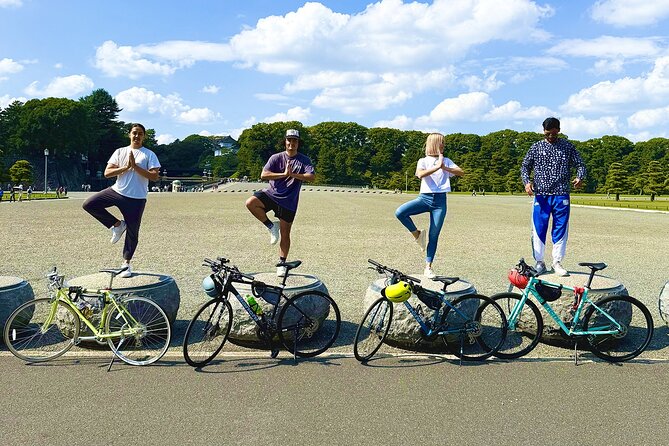
After Hamarikyu, the ride shifts into neighborhood exploration mode. You are cycling through a series of short stops, each one giving a different slice of Tokyo.
You will pass through:
- Italian Town, a quick, playful change of scenery where the area feels like Italy
- Sumiyoshi Jinja, a local shrine stop in a traditional Japanese setting
- Tsukishima Monja Street, a famous street name that signals you are in a more old-school, local feel area
Each of these segments is brief, around 10 minutes each. That is intentional. This tour is not trying to replace full day sightseeing. It is trying to keep you moving, while still giving you enough stops to feel like you explored more than one bubble.
Why this route works
You get contrast. You leave the garden calm, then you slide into a shrine environment, then you go through an area themed like Italy, then you end up in a well-known Tsukishima street zone. Tokyo is not one place. It is dozens of micro-worlds connected by streets and shortcuts, and this ride shows that structure.
Tsukiji Fish Market sprint and the Tokyo Tower approach
Next comes Tsukiji Fish Market, a traditional fish market visit. Time here is shorter, about 15 minutes. That means you should treat it like a taste stop rather than a full market exploration.
Still, it is a very Tokyo move. Fish markets are loud, visual, and active, and even a short walk can help you understand why this food culture is so central to Japan.
From there, the route cycles toward Tokyo Tower, setting you up for the final landmark moment. You are not just staring at the tower from a distance. You are arriving with a guided route and a temple stop that frames the view.
How to handle the short market time
If you want to browse and shop, you might do that elsewhere. For this tour, focus on atmosphere. Look at the scale, notice what people are buying and moving, then keep your energy for Zojo-ji at the end.
Zojo-ji Temple with Tokyo Tower in the background
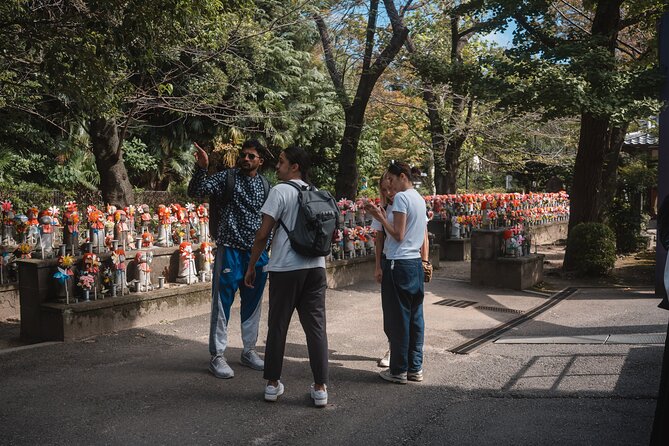
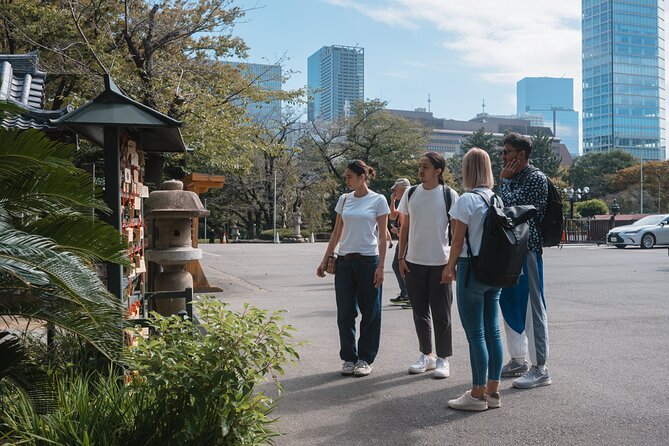
The last real stop is Zojo-ji Temple, where you visit while Tokyo Tower is visible in the background. This is the payoff moment that makes the tour title make sense.
Zojo-ji offers the kind of contrast Tokyo does well. You get a classic temple environment, then the tower structure adds a modern landmark reference behind it. It is a quick stop, about 15 minutes, so you get the essentials without feeling dragged.
This is also a good final stretch for photos. You have already had food and cycling time, so you can slow down, look around, and end the tour with an easy landmark memory.
Price and value near Tokyo Tower: $39.19 that feels like a bundle
Let’s talk about money in real terms. At $39.19 per person, you are paying for:
- Onigiri making with an expert
- Onigiri ingredients
- A local bike tour guide and the bike
- Entrance to Hamarikyu Gardens
That is a lot of pieces for a relatively short 3-hour experience. Even if you would personally pay for a class, you would still need to arrange bike time and garden entry separately. Bundling these parts is what makes the price feel reasonable rather than like an expensive add-on.
The small group size, max 6 travelers, also matters for value. In a bigger group, teaching and shaping rice balls gets rushed. With fewer people, you can expect more help and a smoother flow.
Who this tour suits best, and who might want to rethink it
This tour fits you if you want a Tokyo morning that combines hands-on food, outdoor eating, and active sightseeing without committing to a full day.
It is especially good if:
- you like short, practical classes
- you want lunch included as part of the experience
- you enjoy cycling and can handle moderate fitness demands
- you want an easy way to connect Tokyo Tower with nearby neighborhoods
It might be a weaker choice if:
- you hate riding bikes in traffic-adjacent areas
- you want a long, deep exploration of Tsukiji or major museums
- you need a fully seated experience with minimal movement
The reviews also point to how friendly this feels for solo riders, mainly because the group is small and the instruction is hands-on. If you are comfortable joining a group activity, you likely will not feel out of place.
Practical tips so you enjoy the ride more than you worry about it
This is a bike tour with a moderate physical fitness level requirement. That does not mean it is extreme, but you should be ready for steady pedaling between stops.
Bring:
- comfortable shoes for walking around markets and temple areas
- water, since extra drinks at the shop are not included
- a light layer for changing weather conditions
Weather matters here. The experience requires good weather, and if it gets canceled due to poor weather, you should expect the option to pick a different date or receive a full refund.
Also note that extra snacks and drinks are not included, and tips are not included. So if you want something beyond what is provided through the class and picnic, you will need to budget for it separately.
Should you book this onigiri and bike tour near Tokyo Tower?
Book it if you want a genuinely fun Tokyo mix: make real onigiri, eat it right where it fits in Hamarikyu, then ride through different neighborhoods to end with a Tokyo Tower backdrop at Zojo-ji.
Skip it if you are looking for a long, detailed market crawl or a slow, fully walk-based tour. This one is structured. It moves. It teaches you, feeds you, then gets you back out on the bike.
If you like hands-on food experiences with a view, this is one of the better value ways to connect Tokyo Tower with everyday Tokyo in just a few hours.
FAQ
How long is the Tokyo onigiri making and bike tour?
The experience runs for about 3 hours.
What is the price per person?
The price is $39.19 per person.
What time does the tour start, and where does it end?
It starts at 11:00 am and ends back at the meeting point.
What’s included in the tour?
It includes an onigiri making class with an expert, onigiri ingredients, a local bike tour guide, the bike, and entrance to Hamarikyu Gardens.
Is there an entrance fee included for Hamarikyu Gardens?
Yes. Entrance to Hamarikyu Gardens is included.
Is cycling involved, and what fitness level is required?
Yes, there is cycling. You should have a moderate physical fitness level.
What is the cancellation policy?
You can cancel for a full refund up to 24 hours in advance. If the experience is canceled due to poor weather, you will be offered a different date or a full refund.
More Workshops & Classes in Tokyo

More Tour Reviews in Tokyo
Not for you? Here's more nearby things to do in Tokyo we have reviewed












Tokyo City Tours, side by side.
 ★ 5.01-Day Tokyo Bus TourFrom $12914,250 reviews
 ★ 4.5TOKYO SKYTREE® Admission ticketFrom $1311,192 reviews
 ★ 4.6teamLab Planets TOKYO Digital Art Museum Entry TicketFrom $259,779 reviews
 ★ 4.0Mt Fuji & Hakone Cruise, Drum Show Bullet Train 1 Day from TokyoFrom $1497,413 reviews
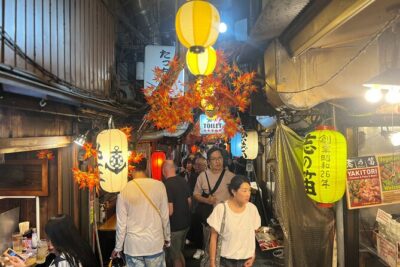 ★ 5.0Shinjuku Food Tour (13 Dishes at 4 Local Eateries)From $866,603 reviews
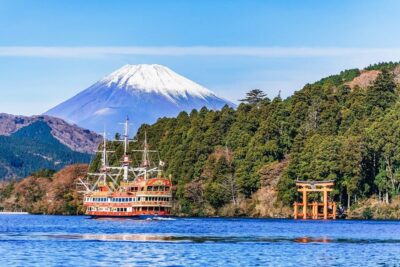 ★ 4.4Tokyo Mt Fuji 5th St & Hakone Cruise Bus Tour w/Bullet TrainFrom $1545,024 reviews
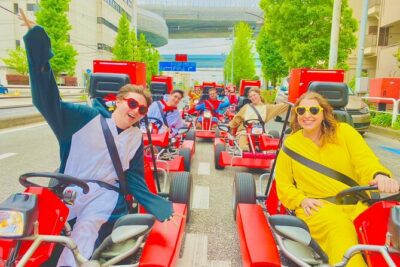 ★ 5.0Flagship 2-Hours Official Street Go-Kart Tour – Tokyo Bay ShopFrom $644,974 reviews
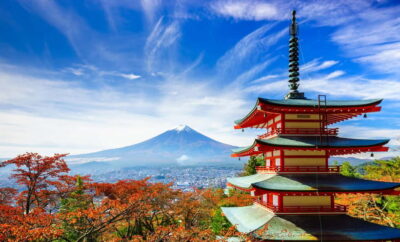 ★ 4.5From Tokyo: Mount Fuji Full-Day Sightseeing TripFrom $684,970 reviews
This tour also belongs to