
Review · TOKYO CITY TOURS
Tokyo: Rice Ball Making Class
Rice and bikes, with Tokyo in between. This Tokyo onigiri making class teaches you onigiri by hand with an English-speaking expert, then sends you to Hamarikyu Gardens for a picnic with what you made.
I love two parts most: the hands-on rice shaping and the quiet moment to eat your still-warm rice ball in a historic garden. The main drawback to keep in mind is cycling, since the experience is not for people who cannot ride a bike or who have limited mobility or low fitness.
Why This Tokyo Onigiri + Bike Combo Feels Different
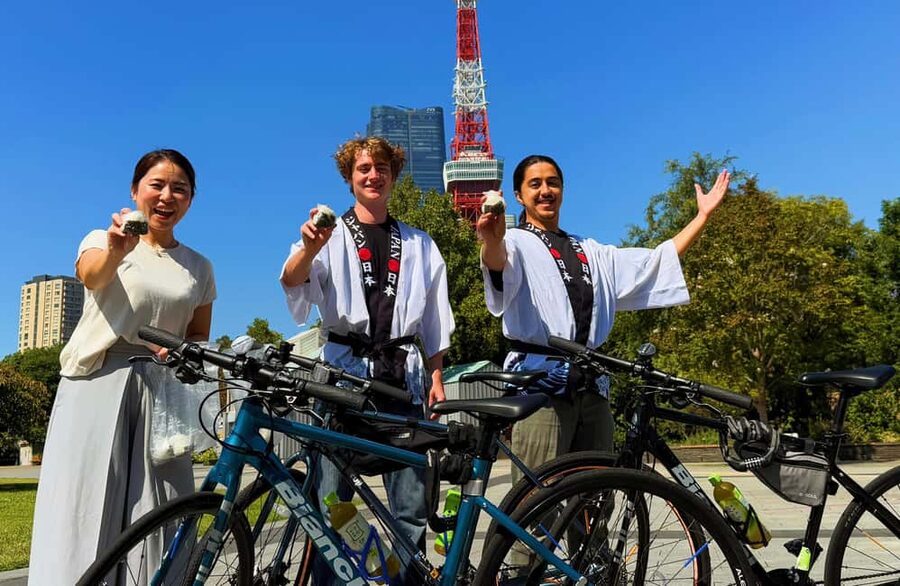
- Hands-on onigiri technique, not just watching a demo
- English guidance that keeps things easy to follow and fun to do
- Warm picnic timing, with your homemade onigiri right after the class
- Hamarikyu Gardens entry included, so you spend time enjoying, not figuring
- A small group size that makes the whole day feel personal
- Tokyo by bicycle, through neighborhood streets and riverside paths, with Bay views
How Onigiri Making Actually Plays Out in Tokyo
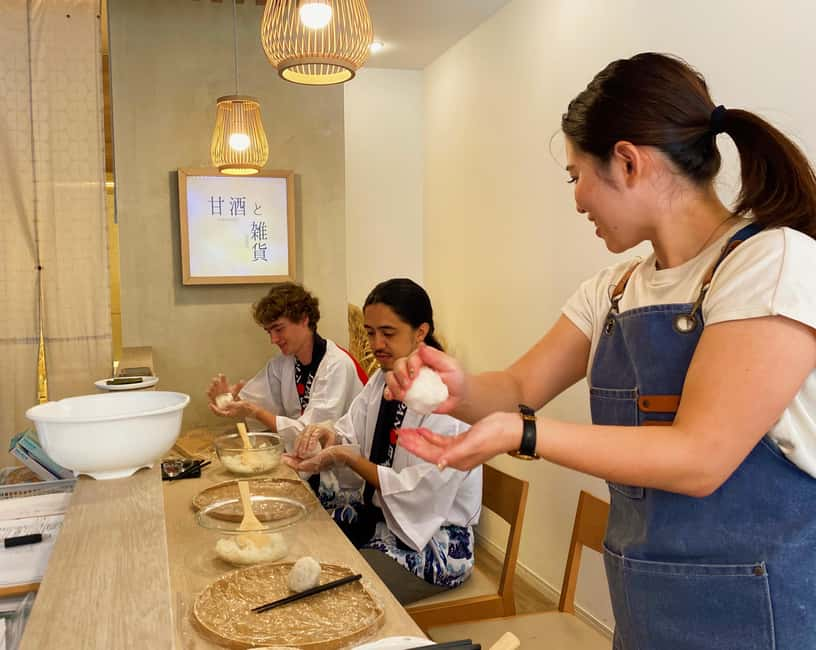
The day starts with a practical lesson in one of Japan’s best-loved snack foods. You’ll learn how to season and shape freshly steamed rice into onigiri, using the classic method of forming the rice into a neat handheld triangle or ball. It is the kind of skill that sounds simple until you try it, because warm rice is sticky, and the shape takes a bit of muscle memory.
A big plus here is that you learn from a local expert who explains the process clearly in English. In fact, one guide name stands out from past groups, Sho, who made the learning part feel relaxed and enjoyable. You’re not just handed ingredients and sent on your way. You get coached on how the rice should feel, how to handle it, and how to build each rice ball so it holds together.
Expect the class to cover more than one step. You’ll season the rice, then shape it, and then get into fillings. The goal is not just to produce something that looks right. The goal is to make something that actually tastes good, with the filling balanced so each bite has a little surprise.
Then comes the best part, you eat what you make. After the rice balls are ready, you head out by bike to Hamarikyu Gardens, where you can take a break and enjoy your creation in a calm setting.
More Tokyo tours and experiences for the shortlist



Fillings You Can Choose, and the Handy Tricks That Matter
Onigiri is famous because it is flexible. One moment it’s comforting. The next it’s a lunchbox staple. This class leans into that tradition by having you experiment with classic fillings.
You can try options such as savory salmon, tangy pickled plum, or creamy tuna-mayo. The beauty of having a choice is that you can pick a flavor that matches your mood, rather than worrying the filling will be a miss. It also helps you understand what Japanese cooks mean by balance. Salty, sour, rich, simple, each filling changes the feel of the rice.
The technique matters most when the rice is warm. Freshly steamed rice sticks more at first, then firms up slightly as you work. That’s why shaping is taught step-by-step. You’ll get a feel for how to press without crushing, and how to seal the filling inside so it doesn’t spill out when you take your first bite.
This is also where you get a small, satisfying takeaway you can actually use later. You’re not memorizing a recipe sheet, you’re learning the touch. That’s why people tend to leave excited, because they can finally understand why onigiri tastes the way it does, even when it’s made from such basic ingredients.
And yes, you will get to enjoy your hand made onigiri at the garden. Eating it soon after making it is part of the magic, because it’s fresher than most onigiri you’ll buy on the street.
Hamarikyu Gardens Picnic, Warm Rice Balls, and Garden Sights
After the class, the pace shifts from hands-on making to quiet sightseeing. You’ll bike to Hamarikyu Gardens, and entrance is included. This is one of Tokyo’s most beautiful historic spaces, right where the city meets the bay.
Inside, you’ll notice the setting immediately. There are saltwater ponds, strolling paths, and seasonal flowers. The garden also features delicate teahouses, and it creates a cool visual contrast between older Japanese architecture and the modern skyline beyond.
The best use of your time here is simple, picnic and slow down. Spread out on the grass, unwrap your onigiri, and take a moment before you start cycling again. This pause makes the whole experience feel like more than a food activity. It becomes a tiny break from Tokyo’s constant motion.
If you like your travel days to have a rhythm, this part works. First, you learn and create. Then, you step into a peaceful environment and eat without rushing. It’s a great way to reset your senses before you head back out into the city’s streets and waterfront.
One practical note: the experience lists water as something you should bring. You’ll want it before biking and while walking the paths.
Cycling Through Tokyo Bay Views and Classic Landmarks
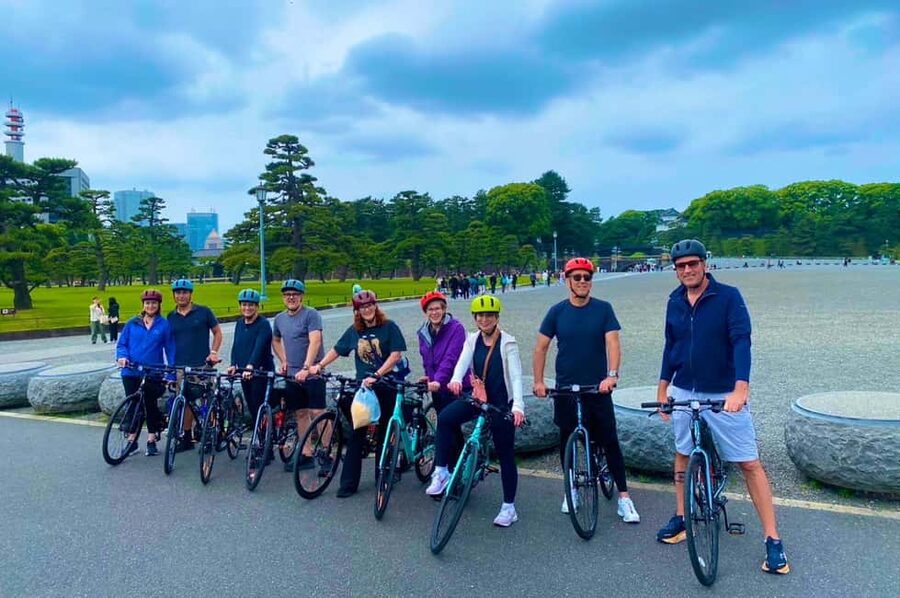
Once you’ve refueled, it’s back on the bike. The ride is guided by a local bike tour guide, and the route is chosen for variety, backstreets, then scenic riverside paths, then broader waterfront lanes.
What I like about this plan is that you see Tokyo in layers. You start with calmer local neighborhood streets, where everyday life feels quieter. Then you transition toward wider riverside scenery, which makes the city feel bigger and more open at the same time.
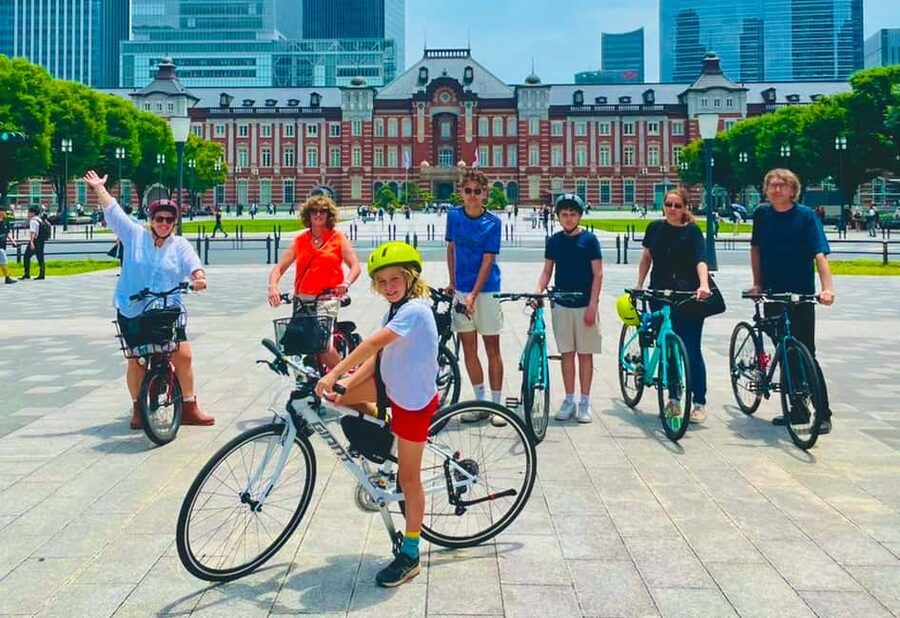
As the route moves toward Tokyo Bay, the views become the reward. You get panoramic waterfront scenery, and you’ll catch sights of Tokyo Tower in the distance. The ride also includes passing landmarks like the Imperial Palace and Zozoji Temple, so you’re not stuck in only one part of the city.
The bike is part of the experience, and Tokyo Rental Bicycle provides it. That matters because it keeps the day straightforward. You’re not hunting down a rental in advance or trying to match a bike to your cycling comfort on the spot.
This is also where the English-speaking guide earns their keep. A super informative and fun bike guide makes the ride feel lighter and easier to understand, especially if you don’t know the city streets yet.
Just remember, the whole experience depends on you being comfortable riding. If biking even slightly stresses you out, that stress will show up here.
What the Small Group and English Guide Add to Your Day
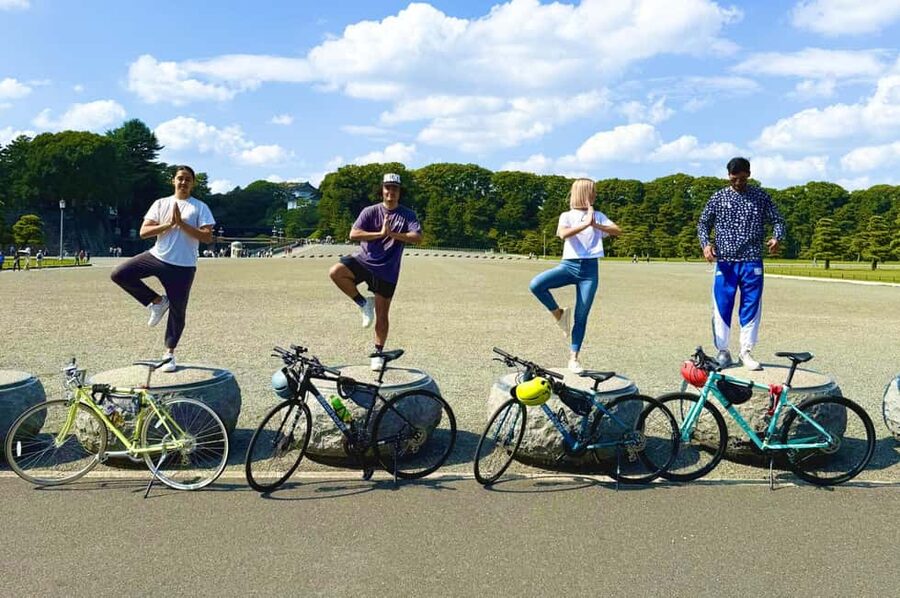
This is a small-group activity, limited to 6 participants. That size changes the experience in a real way. You get more attention during the onigiri steps, and the guide can check that everyone is shaping the rice the way they should.
It also makes the conversation feel natural. People ask questions about technique, and the guide can respond without rushing. Many past groups noted how friendly the instructor was and how clearly they spoke English. That consistency helps if you’re the type who learns best by asking why something works, not just copying what you see.
The flow of the day is also easier with a small group. After the class, everyone moves together to Hamarikyu Gardens, then the cycling route continues as a single moving unit. There’s less waiting around and more actual time spent doing the fun parts.
If you’re worried about keeping up, look at the activity restrictions before booking. It is not positioned for riders who have difficulty with cycling. It also isn’t recommended if you have high blood pressure, low fitness, back problems, or mobility limitations. Those limits are there for a reason, and respecting them will make the day enjoyable rather than stressful.
Finally, this is one of those activities where the guides really help you feel like you’re participating, not just consuming. When you leave with your own onigiri and a route you actually rode, it sticks.






Price and Value: Is $51 Worth It for Class, Bike, and Gardens?
At $51 per person, this is built around real add-ons. You get the onigiri making class with an expert, the ingredients for what you make, the local bike tour guide, the bike itself, and entrance to Hamarikyu Gardens.
That pricing structure is the value story. A single onigiri class alone can cost money, and you’d still need to handle the garden entry and a bike rental if you wanted to connect everything yourself. Here, those pieces are bundled so your plan stays simple.
You should also note what is not included. Extra snack and drinks at the shop are not included, so if you want something beyond what you eat at the picnic, plan for it.
Timing also affects value. The experience runs 1 to 3 hours, so it fits into shorter sightseeing schedules. If you’re trying to pack Tokyo efficiently without turning every day into an all-day grind, this one is a good candidate.
Also, because it’s a small group, you’re paying for more guided time. That’s not always true in Tokyo. Some food tours give you a ticket and a vague meeting point. This one is built around instruction and a guided ride, which justifies the cost more than a casual activity would.
Should You Book This Tokyo Onigiri and Bike Tour?
Book it if you want a hands-on Tokyo food experience plus outdoor sightseeing, and you can ride a bicycle comfortably. You’ll leave with a skill, onigiri you made with your own hands, and a gentle garden picnic at Hamarikyu Gardens before you see Tokyo Bay viewpoints from the bike route.
Skip it if biking is a problem for you, even slightly. This activity is not suitable for kids under 12, people with back problems, mobility impairments, wheelchair users, or anyone who can’t ride a bike. It also lists exclusions for people with high blood pressure, low fitness, visually impaired people, and those over 70.
If you fit the biking and health requirements, this tour is a smart use of time. For a single price, you get class instruction, classic onigiri fillings, a tranquil garden break, and a guided ride past recognizable Tokyo spots like Tokyo Tower, the Imperial Palace, and Zozoji Temple.
FAQ
How long is the Tokyo onigiri making and bike experience?
The experience duration is 1 to 3 hours. Starting times depend on availability.
How many people are in the group?
The group is small, limited to 6 participants.
What will I learn to make during the onigiri class?
You’ll learn how to season and shape onigiri rice, and you’ll experiment with classic fillings such as savory salmon, pickled plum, or tuna-mayo.
Is a bike included, and do I get into Hamarikyu Gardens?
Yes. Your experience includes a bike and a local bike tour guide, plus entrance to Hamarikyu Gardens.
What should I bring and wear?
You should bring water, and you’re recommended to wear comfortable clothes for cycling.
Is the tour suitable for children?
No. It is not suitable for children under 12 years old.
What kinds of mobility or health situations make this tour unsuitable?
It is not suitable for people with back problems, people with mobility impairments, wheelchair users, visually impaired people, people who cannot ride a bike, people with high blood pressure, people with low level of fitness, and people over 70 years.
Can I cancel, and is there a pay-later option?
Yes. You can cancel up to 24 hours in advance for a full refund. You can also reserve now and pay later.
More Workshops & Classes in Tokyo


More Tour Reviews in Tokyo
Not for you? Here's more nearby things to do in Tokyo we have reviewed












Tokyo City Tours, side by side.
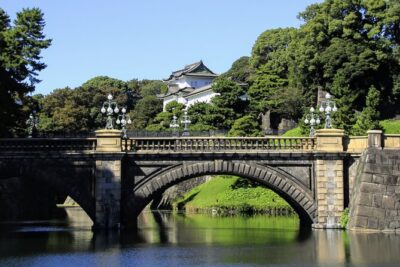 ★ 5.01-Day Tokyo Bus TourFrom $12914,250 reviews
 ★ 4.5TOKYO SKYTREE® Admission ticketFrom $1311,192 reviews
 ★ 4.6teamLab Planets TOKYO Digital Art Museum Entry TicketFrom $259,779 reviews
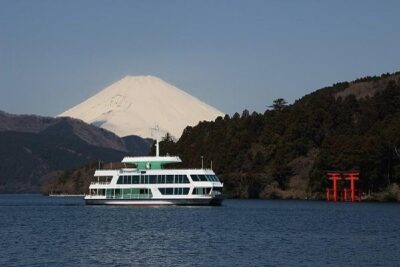 ★ 4.0Mt Fuji & Hakone Cruise, Drum Show Bullet Train 1 Day from TokyoFrom $1497,413 reviews
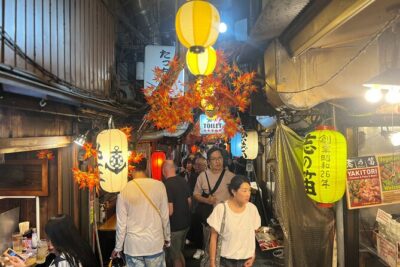 ★ 5.0Shinjuku Food Tour (13 Dishes at 4 Local Eateries)From $866,603 reviews
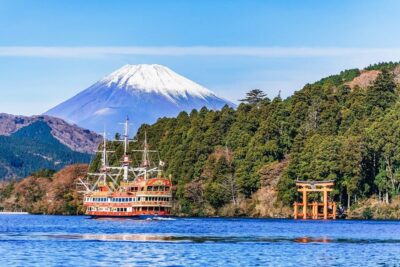 ★ 4.4Tokyo Mt Fuji 5th St & Hakone Cruise Bus Tour w/Bullet TrainFrom $1545,024 reviews
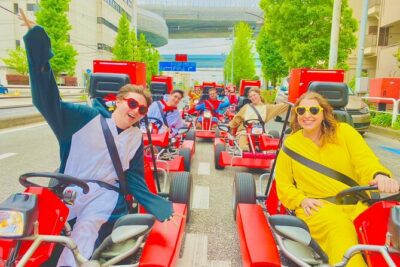 ★ 5.0Flagship 2-Hours Official Street Go-Kart Tour – Tokyo Bay ShopFrom $644,974 reviews
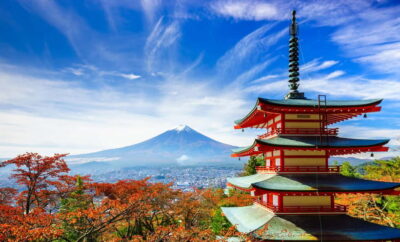 ★ 4.5From Tokyo: Mount Fuji Full-Day Sightseeing TripFrom $684,970 reviews
This tour also belongs to