
Review · TOKYO FOOD TOURS
Tokyo Small-Group Ramen, Gyoza & Matcha Class with a Pro Chef
Ramen, gyoza, and matcha, in one tight class. This small-group cooking experience in Tokyo teaches you real technique, not just a meal, starting with classic dashi and ending with dinner you make yourself. I love that the chef works at your pace, so you are not rushed through the steps. I also like the matcha component, because you learn how to prepare it and taste it with seasonal Japanese sweets.
One consideration: the class does not offer dietary accommodations, so this is not a fit if you need halal, vegetarian, vegan, or gluten-free.
Key Highlights You Will Feel in the Class
- Hands-on ramen and gyoza skills you can actually repeat at home
- Pro-chef guidance at your pace, with clear English explanations
- Matcha you prepare yourself, paired with Japanese sweets
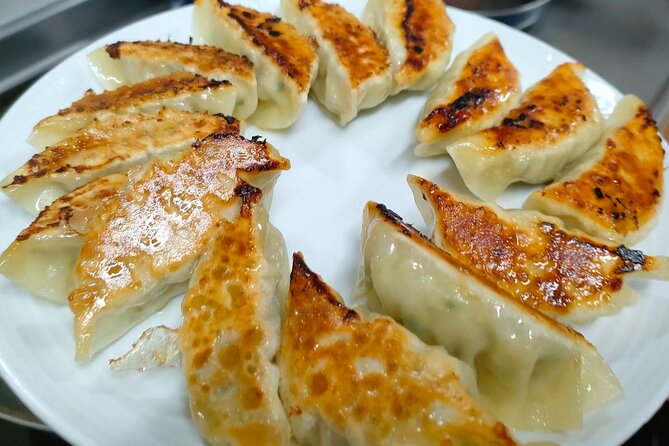
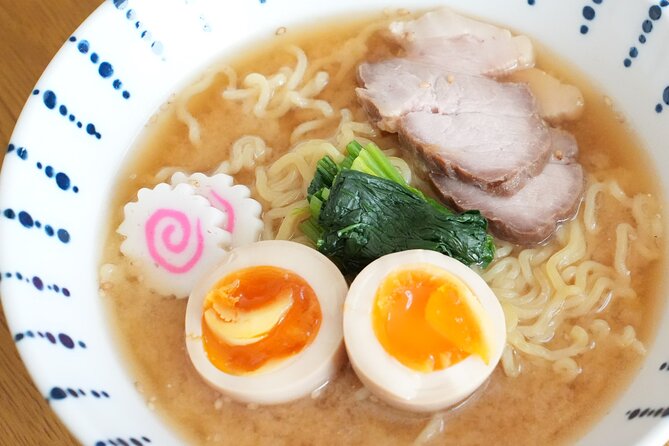
- Dinner included: miso ramen and gyoza, plus tea and sweets
- Small group size (max 4), which usually means you get more help
Why Ikebukuro and Zoshigaya Makes This Easy
You get the best of both worlds here. The class takes place in Zoshigaya, and it is close enough to reach smoothly from major areas like Shibuya and Shinjuku. The route is simple too, with Ikebukuro as a nearby shopping hub, plus you pass landmarks like Meiji Shrine and Shinjuku along the way.
Timing matters with cooking classes. With a duration of about 2 hours, you can slot it into an afternoon without turning it into a full day plan. And since the experience ends back at the meeting point, you are not dealing with an awkward return that steals your energy.
The location is also a nice bonus if you like poking around neighborhoods after class. Ikebukuro has the shopping side you can handle easily, and near the classroom area you can stroll past Kishimo Shrine with its red torii gates. It is a small thing, but it helps the day feel like more than just sitting at a counter.
More Tokyo tours and experiences for the shortlist


The Chef-Led Setup That Keeps It From Feeling Like a Show
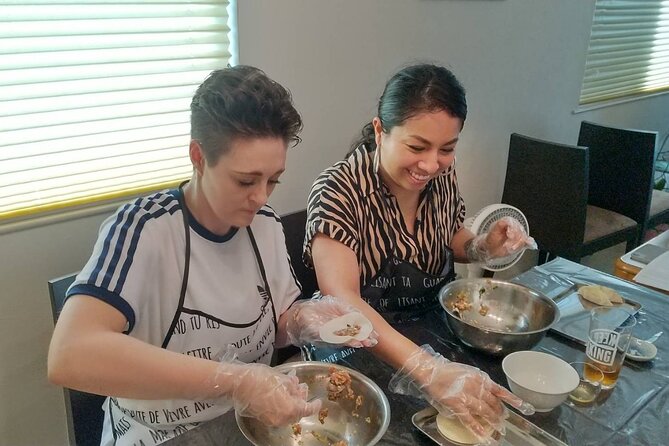
This is not a hands-off demo. You cook, you ask questions, and you get guidance designed around a small group. With a maximum of 4 travelers, the vibe stays relaxed, and you are more likely to get direct tips when your dough, broth, or timing needs adjustment.
I appreciate that the lesson is organized around practical steps and easy-to-follow recipes. You do not just leave with memories. You leave with take-home instructions so you can repeat what you learned, even if your kitchen is not exactly like the one in Tokyo.
The guide and chef explain ingredients and techniques in English, so you are not left guessing what something is supposed to taste like. That matters for ramen and gyoza, because small choices change everything, like how concentrated a broth feels or how tight a gyoza wrapper sits.
Dashi to Miso Ramen, the Stuff That Makes a Broth Taste Right
The class focuses on the backbone of Japanese flavor: dashi. Even if you think you already know ramen, learning dashi technique gives you a clearer idea of what makes broth feel layered instead of flat. Dashi is the starting point that turns ramen from noodles and seasoning into a proper bowl with depth.
You also learn how to build a rich miso ramen. Miso can be tricky at home because different miso styles taste different, and heat changes how it comes across. In the class setting, you get a chance to understand what you are aiming for, so you can adjust later without feeling like you are recreating by luck.
A helpful part for your kitchen confidence is that you do not just taste the final result. You learn the steps that create it. That is how you end up with ramen that tastes like ramen, not like warm noodles with soup.
Then comes the practical payoff: dinner is included. You get miso ramen and gyoza as your meal, so you can connect each technique to real flavor right away.
Gyoza Skills You Can Actually Replicate at Home
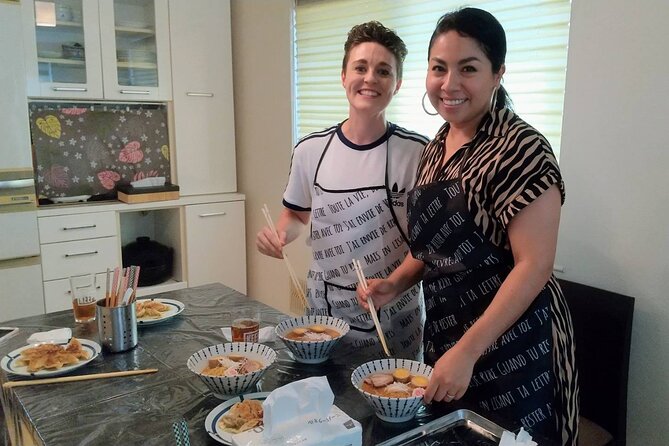
Gyoza is one of those foods where the details matter. The wrappers need to seal, and the cooking has to get you that balance of tender and crisp. In this class, you craft the gyoza and learn how to make them juicy, not dry or stubbornly under-seasoned.
I like that the lesson is designed around eating what you make. That means your brain links technique to outcome during the session, instead of forgetting how it should have tasted five minutes later. You also get dinner included, so you are not left hungry if you spend time figuring out the steps.
One note for realistic expectations: you are working in a classroom setting, so it is not a restaurant assembly line. The upside is that the chef can guide you based on your pace, which is a real benefit if you are slower, faster, or simply learning by touch and not by speed.
Matcha You Make Yourself, Plus the Sweets That Pair With It
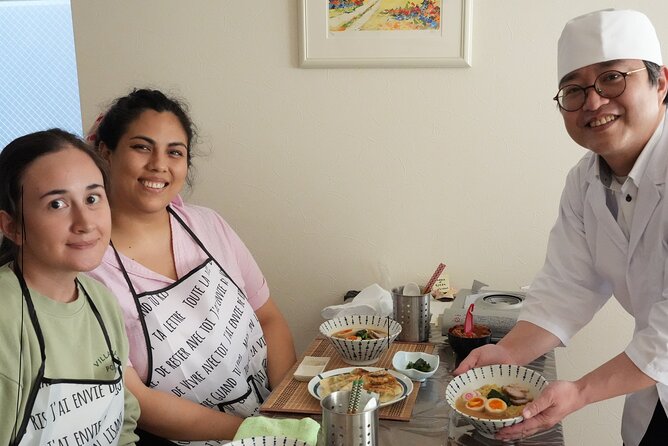
This class goes beyond ramen, because you also get a hands-on matcha experience. You prepare your own matcha green tea, then enjoy it with seasonal Japanese sweets. That pairing matters because matcha is bold. If the sweet is too sweet or too heavy, the tea loses balance.
I like that matcha is included as an actual activity, not an afterthought. You learn the process well enough to experience it as part of Japanese tea culture, and then you get to taste how it behaves with the sweets being served alongside it.
Matcha is also a nice “reset” after cooking. After ramen and gyoza, your hands are busy and your focus is high. Switching to tea gives you a calmer moment to slow down, taste carefully, and think about what you learned.
If you like food as a skill, this is a great add-on. If you only care about eating, you still get a fun extra, but the real value is learning something you can repeat.




What You Get for the Price, and Where the Value Comes From
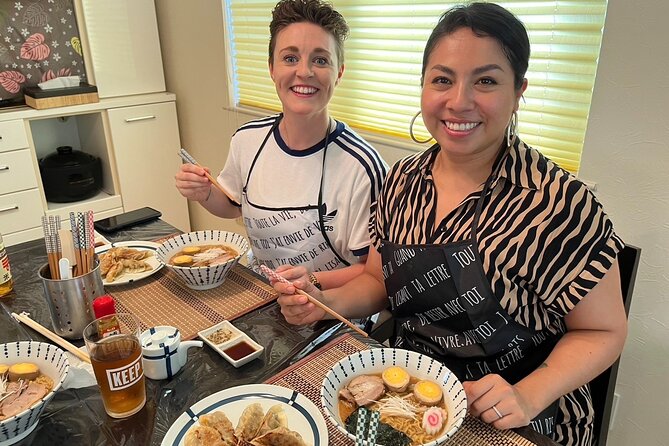
At $104.51 per person for about 2 hours, you are paying for more than dinner. You are paying for instruction, small-group attention, and take-home recipes that help you reproduce the results.
Here is what is included:
- Dinner: miso ramen and gyoza
- Matcha tea and Japanese sweets
- Take-home recipes
- Aprons provided
- Photos given as a thank-you
That package adds up. If you were to simply eat ramen and gyoza in Tokyo, you would still not get pro-chef technique, English explanations, and recipes you can follow later. The small group size also matters. With max 4 travelers, you are more likely to get help when something goes off.
What is not included is alcohol. You can add drinks for an additional 500 yen each, paid in cash. Options listed are sake (Hakkaisan, 180 ml) and beer (Kirin Ichiban Shibori, 350 ml). If you do not drink, skip it and focus on the class.
Also, a straight fact to plan around: there are no vegetarian or halal options, and the class does not offer gluten-free. If your diet needs workarounds, this might not be the best fit, even if you really want ramen.
The Likely Flow of Your 2 Hours (So You Know Where Your Time Goes)
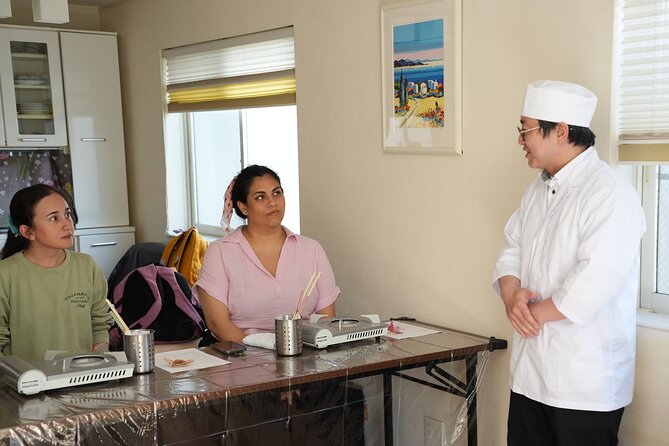
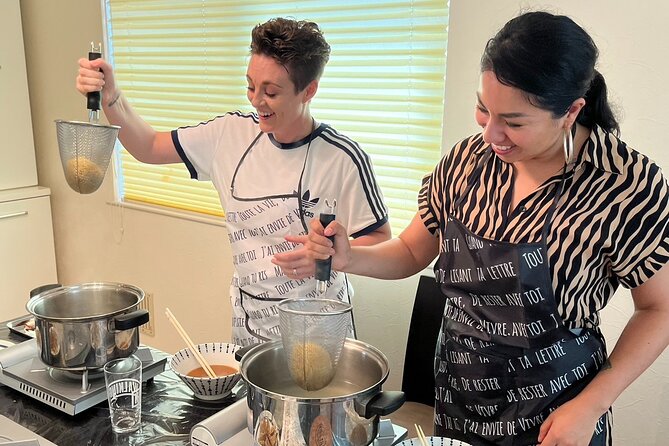
While exact minute-by-minute timing can vary, the structure is consistent. You start at the meeting point in Zoshigaya, then move into the classroom kitchen setup. From there, the chef leads you through ramen fundamentals first, starting with dashi and building toward miso ramen.
After the ramen work, you shift your attention to gyoza. This is where you spend time forming and cooking, with direct help as needed. Since your dinner includes miso ramen and gyoza, you are aiming for finished food during the class rather than just preparing components and leaving it for later.
Then matcha fits in toward the end, because it is easier to enjoy once you are done cooking and eating ramen and gyoza. You prepare your own matcha, taste it, and pair it with the seasonal sweets that come with the class.
The tight timeline is part of what makes it good value. You are not waiting around for a long course sequence. You do the work, you eat, and you leave with recipes.
A Realistic Note on Food Restrictions and Substitutions
This is important: the class does not accommodate dietary restrictions such as halal, vegetarian, vegan, or gluten-free. That means you should not count on substitutions or special preparation.
If you are traveling with mixed diets, check everyone’s needs before you book. If your group includes only people who eat typical Japanese non-vegetarian dishes, this will feel smooth and stress-free.
If you do not fit the standard diet, you might find it frustrating, because cooking classes are not built for last-minute swaps. The chef needs to manage ingredients and steps for the whole group, especially with a small class size.
Who Should Book This Class, and Who Might Not
This works especially well for food lovers who want hands-on technique. You do not need to be a confident cook, but you do need to be willing to get involved. If you like learning how things are made, and you enjoy eating what you cook, this will feel like a proper experience.
It also suits multi-generational groups, because the lesson is paced and questions are welcomed. One review you can take as a strong hint: even grandparents traveling with a 19-year-old foodie enjoyed it, with everyone asking questions and getting answers, and the schedule staying on time.
Where it may not fit is for people who want a strict sightseeing-heavy afternoon or who cannot eat what is served. With only about 2 hours total, you are choosing a focused experience rather than a long tour of Tokyo.
And yes, small group can be a plus if you hate feeling anonymous in a big crowd. With max 4 travelers, the chef can adjust. That alone can make the difference between you feeling lost and you feeling successful.
Quick Tips Before You Go
A few practical things can make your class smoother.
First, wear comfortable clothes and shoes. You are cooking, handling tools, and moving around a kitchen setup.
Second, bring your hunger, but also bring patience. Even if you are fast, there is real technique here, like ramen broth building and gyoza shaping. The goal is quality, not rushing.
Third, decide about alcohol in advance. If you want sake or beer, plan on having cash ready since the add-ons are payable in cash.
Finally, use the take-home recipes. They are your shortcut for turning this from a fun meal into a skill you can repeat. If you try the ramen and gyoza within a week or two, you will remember the taste targets and you will improve faster.
Should You Book This Tokyo Ramen, Gyoza, and Matcha Class?
Yes, if you want a hands-on meal with real technique, a small-group feel, and a matcha experience that actually includes making the tea. The biggest strengths are straightforward: personalized pacing, English explanations, and a dinner payoff that includes miso ramen and gyoza plus matcha and seasonal sweets.
It is also a smart value purchase for Tokyo. You are not just buying food, you are buying a chef-guided skill lesson with take-home recipes and aprons, plus photos as a thank-you.
Skip it if dietary restrictions apply, because the class does not offer halal, vegetarian, vegan, or gluten-free options. Also, if you want a longer sightseeing day, this is more of a focused food class than a full-day tour.
If you like the idea of leaving Tokyo with the ability to make a bowl of miso ramen and a plate of gyoza you recognize as yours, book it.
FAQ
How long is the ramen, gyoza, and matcha class?
The class is about 2 hours.
What is the group size?
The class has a maximum of 4 travelers.
What is included in the price?
Dinner includes miso ramen and gyoza, plus matcha tea and Japanese sweets. You also get take-home recipes, aprons, and photos as a thank-you.
Is there a vegetarian, vegan, halal, or gluten-free menu?
No. The class cannot accommodate dietary restrictions such as halal, vegetarian, vegan, or gluten-free.
Can I buy alcohol during the class?
Yes. You can enjoy alcoholic drinks for an additional 500 yen each, payable in cash. Options listed are Hakkaisan sake (180 ml) and Kirin Ichiban Shibori beer (350 ml).
Where does the class start?
The meeting point is 3-chōme-1-7 Zōshigaya, Toshima City, Tokyo 171-0032, Japan.
Can I cancel for a full refund?
Yes, you can cancel for a full refund up to 24 hours in advance of the experience’s start time.
More Workshops & Classes in Tokyo

More Tour Reviews in Tokyo
Not for you? Here's more nearby things to do in Tokyo we have reviewed







Tokyo Food Tours, side by side.
 ★ 5.0Shinjuku Food Tour (13 Dishes at 4 Local Eateries)From $866,603 reviews
 ★ 5.0Tokyo Bar Hopping Tour in Shinjuku (All-You-Can-Drink + Dinner)From $1063,587 reviews
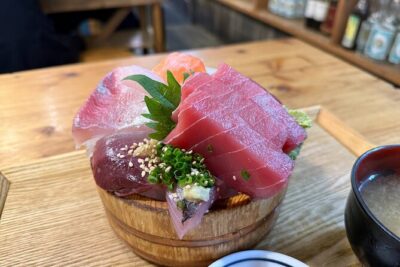 ★ 4.9Shinjuku Food Tour (15 Dishes and 4 Eateries)From $852,033 reviews
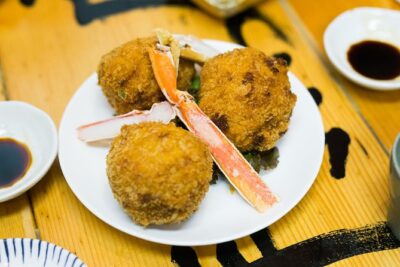 ★ 5.0Best of Shinjuku: Izakaya Food Tour (4 Stops, 14+ Tastings)From $921,863 reviews
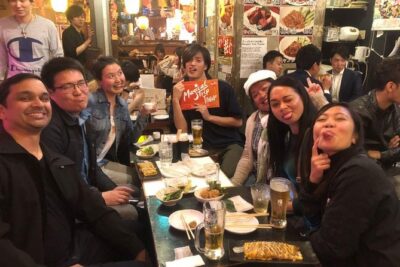 ★ 5.0Shibuya Meltdown Nightlife Tour: All-You-Can-Drink Bar HoppingFrom $1061,058 reviews
 ★ 5.0Eat and Drink Like a Local: Tokyo Ueno Food Tour-Taverns&RamenFrom $95957 reviews
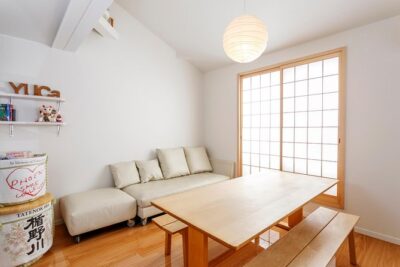 ★ 5.0Ramen & Gyoza Cooking Class in Tokyo with Local Supermarket VisitFrom $122823 reviews
 ★ 5.0Shibuya Food Tour (13 dishes and 4 Eateries)From $77770 reviews
This tour also belongs to