
Review · TOKYO SUMO EXPERIENCES
Tokyo: Sumo Morning Practice with Photo Banzuke and Guide
Sumo practice in Japan is surprisingly dramatic. I love the up-close viewing during training and how the English guide turns the action into clear basics of sumo after. The main catch is timing, this is a small group day with a strict meeting point, and the schedule can get squeezed if people show up late.
This is also one of those rare Tokyo experiences that feels like you are seeing the sport’s working routine, not a staged show. You will be watching the training used for upcoming bouts, and you get time for photos in a dedicated stop. If you dislike early starts or you want zero walking, plan for the short on-foot segments as part of the day.
Key highlights to notice before you go
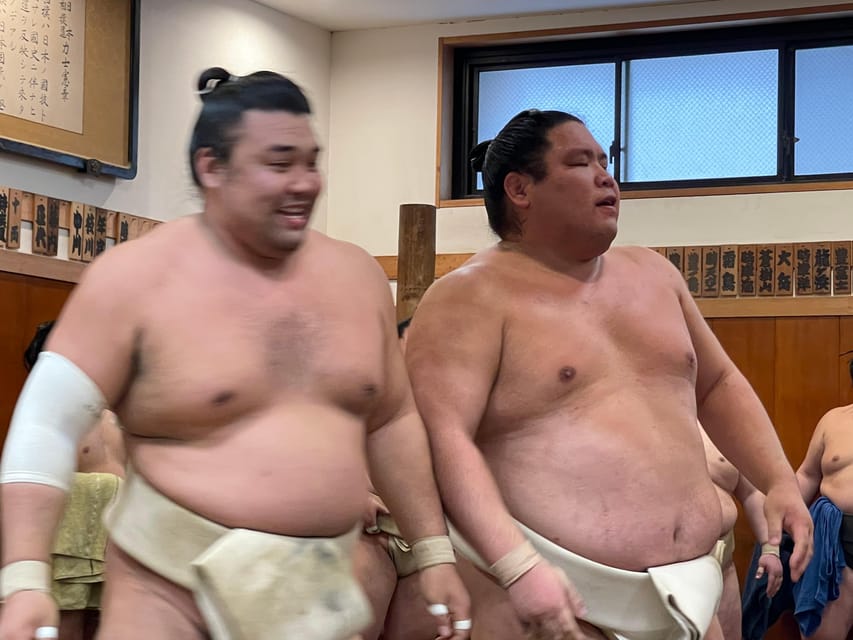
- A real stable morning: practice that happens before the bigger public moments
- Chair seating: you can watch comfortably without standing the whole time
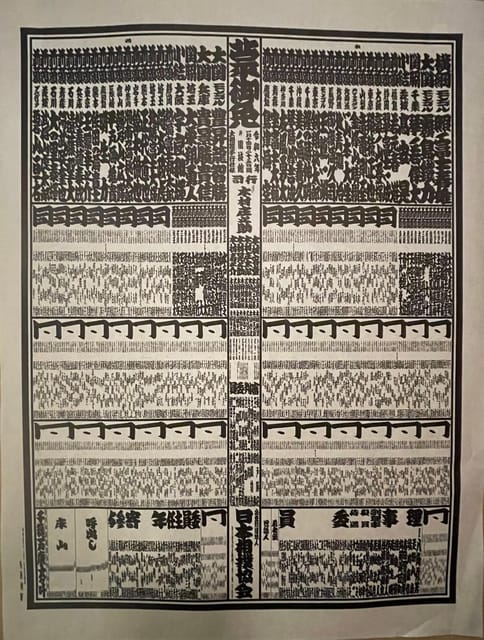
- Photo time tied to the banzuke: a specific stop for photos
- Small group limit (9 people): easier sightlines and more personal guide time
- English live guide: you get context, not just a look-see
- No weight class, all power: the sport’s style comes through as they train
Why a Tokyo sumo morning practice is worth planning around
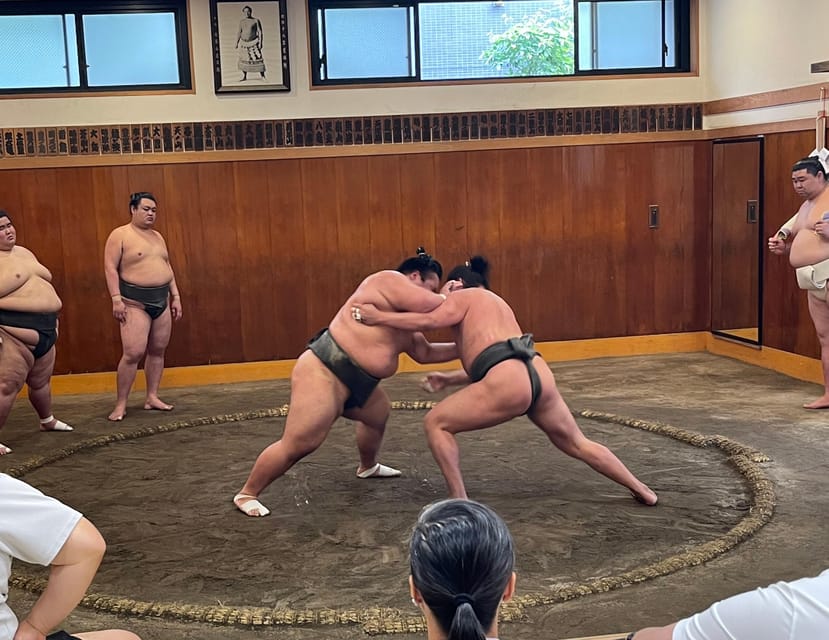
If you only know sumo from tournaments on TV, you will notice the difference fast. Tournaments happen only about 90 days of the year, which means the sport’s main public season is a fraction of the calendar. So seeing training in a stable gives you something closer to the sport’s real rhythm: daily work, repeated drills, and the kind of focus you do not get from highlight clips.
There is another reason this feels rare in Tokyo. Japan has around 44 sumo stables, but only a select few allow outsiders to observe the morning practice sessions. This tour is set up for that access, and it targets a stable you can reach quickly from central Tokyo. That is why you are not just paying for a famous activity, you are paying for access that is not always offered.
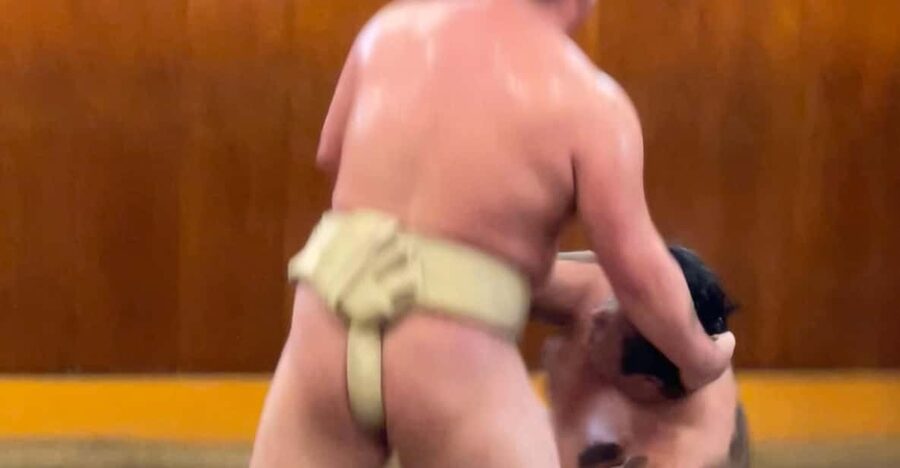
And then there’s the sport itself. The tour’s theme is simple: sumo is a sport with no weight class. That matters because the goal in practice is not matching size, it is control, timing, and technique. You will see it in the way the wrestlers enter, test balance, and reset after each exchange.
You can also read our reviews of more guided tours in Tokyo
Getting to the meeting point: Kiyosumi-shirakawa Exit B1
This day runs on location discipline. You meet at Kiyosumi-shirakawa Station, Exit B1, near a FamilyMart convenience store. The exact instruction is to meet at the exit area so taxis cannot steer you wrong and so the group can regroup fast.
Here is what I recommend so you do not lose momentum:
- Arrive a few minutes early and confirm you are standing by the right side of Exit B1.
- If you take a taxi, still use the station directions. The meeting point is inside the station area logic.
- Use a simple check on your phone before you leave the hotel, the last stretch is what usually goes wrong.
Because this is a group tour, late arrivals affect everyone. The provider’s guidance is clear: if you are running late, contact them, and they will still try to accommodate, but the group schedule takes priority. In practice, that means you should treat this start time like a train departure, not a casual meet-up.
The 7-hour flow: how the day moves in real time
The schedule is built to give you a guided frame first, then hands-on viewing, then a wrap-up that helps the training make sense.
You start at Kiyosumi-shirakawa Station. There is a short guided segment (about 15 minutes) to get your bearings and set expectations. Then you get a longer guided portion (about 2.5 hours total guided time in the day), which likely covers the lead-in to the stable visit and the basic explanations that help you understand what you are about to see.
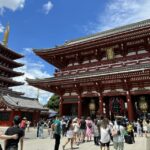
After that, there is a 15-minute photo stop. This is the point in the day linked to the banzuke photos. You also get two short on-foot walks, each around 10 minutes, which helps reposition the group and move between parts of the experience without long transfers.
The day closes by returning you to Kiyosumi-shirakawa Station. That matters for planning because you will not need to guess how to get back, and you do not have to commit to another long transit chain after an early morning activity.
If you are the type who hates sitting still, note the structure. The best viewing time comes from being in one place for the stable observation, so you will want to dress for comfort rather than fashion.
What you see during practice: power, technique, and constant resets
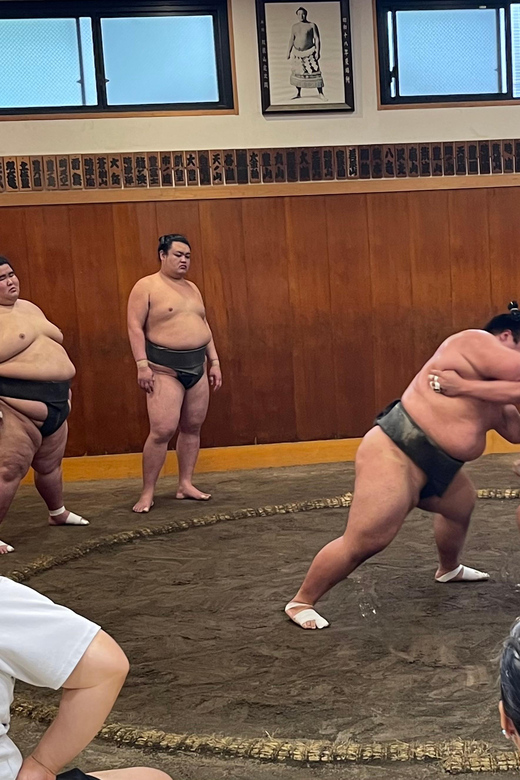
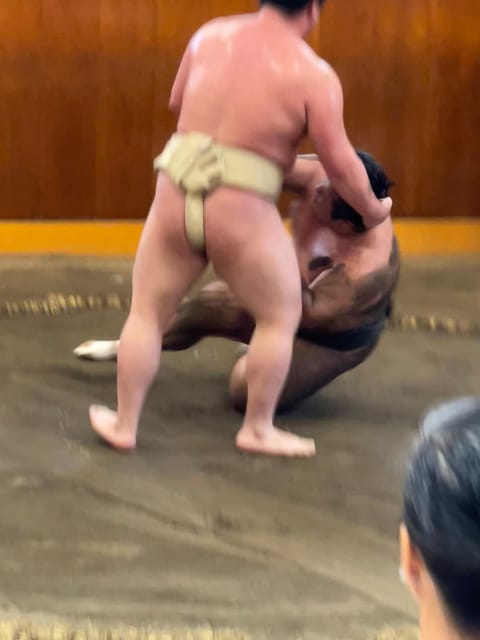
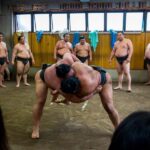
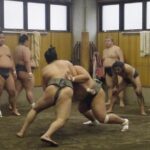
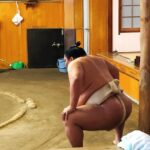
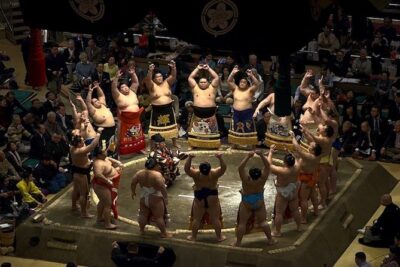
The core of the experience is watching a sumo training session at a traditional stable. You will feel the intensity as soon as practice begins. Even without understanding every detail, the physicality reads instantly.
A few things are intentionally set up for your experience:
- You sit in chairs to watch the wrestlers as they train.
- You observe how they practice their moves and refine the exchanges that show up in competition.
- You get a sense of the sport’s rhythm, test, contact, break, reset, and then try again.
The stable setting is where sumo becomes more than sport trivia. In a tournament, the pacing is clean and the story is focused on winners and outcomes. In practice, you see the craft: how wrestlers adjust their stance, how they manage balance, and how they keep going even when a drill does not click.
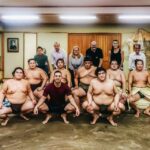
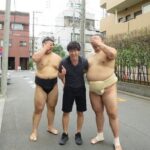
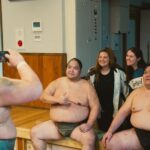
Photography is also part of the day, which is why the tour builds in a dedicated photo stop. That is helpful because it keeps your camera time from turning into a scramble while the main action is happening.
One practical drawback to consider: because the group experience is structured, you should not expect to wander freely. Your best chance to capture photos and see training clearly is to follow the guide’s lead and stay where the group is positioned.
The banzuke photo stop: why there’s a dedicated moment
This tour includes a photo stop built around the banzuke, and that is a smart inclusion for two reasons.
First, it helps you capture something specific you might otherwise miss. A stable visit is full of details, and if you try to photograph everything at once, you end up with blurred shots and no context. A dedicated photo moment makes it easier to focus and get the pictures you came for.
Second, the guide’s presence matters here. The tour is not just camera time. It is a day that includes an explanation portion after the practice session, so you can connect what you photographed to what you learned.
If you care about photos, I would show up with your camera ready and your settings checked. Sit comfortably, take your shots during the allotted time, and then shift back into watching the training rather than trying to multitask through it all.
More Tokyo tours and experiences for the shortlist
The guide talk: turning watching into understanding
After the practice, you get a short presentation on the basics of sumo wrestling. This is one of the best parts of the tour value because it changes your takeaway. Without any context, sumo can feel like one big collision. With a basic framework, you start seeing why certain movements matter and what traditions shape the sport.
The guide covers history and traditions and explains the fundamentals you can carry home. Even if you just learn a few key ideas, it helps you interpret what you are watching during practice, not after the fact.
The guide is also the difference between a passable experience and a great one. Many visitors focus on how close they get to the wrestlers, and that is a big deal. But the explanations are what help the day stay memorable after the photos fade.
Price and value: what $115 buys you in Tokyo terms
At $115 per person for a 7-hour day, you are paying for more than “sumo watching.” You are paying for:
- Access to a stable morning session that not every stable offers to visitors
- A small group with a limit of 9 participants
- An English live guide to provide context
- A structured experience that includes chair viewing and photo time
- A day that ends back at the starting station, which saves you guesswork
Is it cheap? No. But the value is in the rarity and the planning. Stable access is the hard part of this activity, and you get it without spending hours trying to figure out who allows observers and when.
If you are comparing this to a generic “see sumo” activity, this costs more because it focuses on the real practice setting and wraps it in guided understanding. That is why I think it is a solid deal for anyone who cares about culture plus sport, not just a quick photo.
Who should book, and who should pass
This tour is a strong fit if you:
- Want to see sumo as a working tradition, not just a televised event
- Like guided context that helps you understand what you are watching
- Prefer a small group day where you can actually hear and follow along
- Appreciate practical history and traditions explained in English
It is not a fit if you have very young kids. It is not suitable for children under 9. It can also be a mismatch if you cannot handle standing for parts of the day or walking between stops, since the route includes two short on-foot segments.
If you use a wheelchair, the experience is listed as wheelchair accessible, which is a good point for planning. Still, you should wear comfortable clothes and expect that stable environments can have their own practical layout.
Practical prep: what to bring and how to stay comfortable
Bring comfortable shoes. You will be doing a couple of short walks and you want your feet to feel good for the chair seated viewing time.
Bring your camera. You will have a 15-minute photo stop, and the tour theme includes photo banzuke, so camera time is part of the design.
Also, keep your schedule realistic. This is a group tour, and the meeting instructions stress being on time. If your day is full of other bookings right before this, build a buffer.
Final call: should you book this Tokyo sumo morning practice?
I would book it if you want the real atmosphere of sumo training, close-up, with enough guidance to make it make sense. The biggest selling points are the near-spot viewing, the chair setup, and the fact that you get an explanation that goes beyond snapping photos.
I would think twice if you hate structured group days, or if you know you might arrive late. Here, lateness has a real knock-on effect, and the tour’s rules are designed to protect the group experience.
If you fit the “early outing, guided context, close viewing” style, this is one of the more worthwhile ways to spend a half day in Tokyo for sport and culture without turning it into a rushed checklist.
FAQ
What is the duration of the sumo morning practice tour?
The tour lasts 7 hours.
How much does the tour cost?
The price is $115 per person.
Where do I meet the group?
You meet at Exit B1 of Kiyosumi-shirakawa Station, near a FamilyMart convenience store.
Is the tour in English?
Yes, the live tour guide speaks English.
Is the group size small?
Yes. It is a small group limited to 9 participants.
Do I get to sit during the practice viewing?
Yes. The experience includes chair seating so you can watch the wrestlers in action.
Is there a photo stop during the tour?
Yes. There is a 15-minute photo stop, and the tour is described as including photo banzuke.
Is the tour wheelchair accessible?
Yes. The tour is listed as wheelchair accessible.
What should I bring?
Wear comfortable shoes and bring a camera.
Is it suitable for children?
No. The tour is not suitable for children under 9 years.
More Morning in Tokyo
More Guided Tours in Tokyo

More Tour Reviews in Tokyo






Not for you? Here's more nearby things to do in Tokyo we have reviewed












Tokyo Sumo Experiences, side by side.
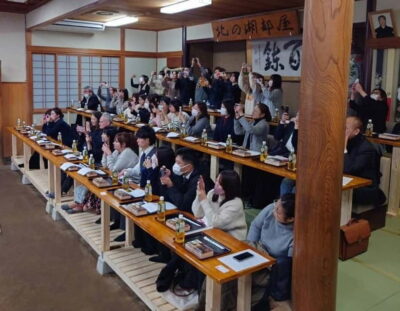 ★ 4.8Sumo Show and Dining ExperienceFrom $792,742 reviews
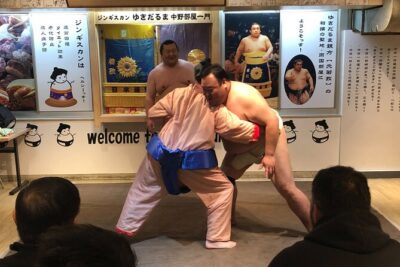 ★ 5.0the SUMO showFrom $891,960 reviews
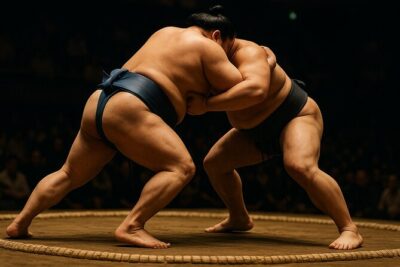 ★ 5.0Tokyo Shinjuku Sumo Show & Experience with PhotoFrom $791,750 reviews
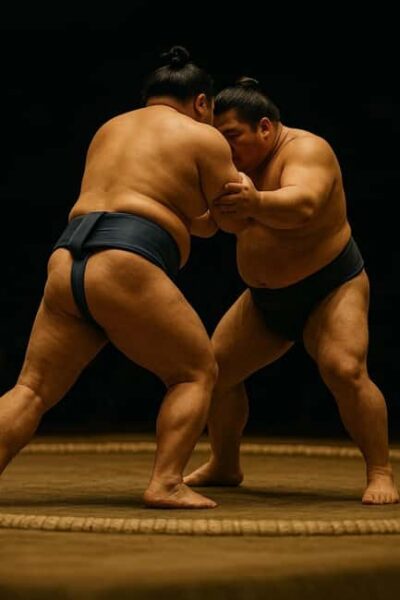 ★ 4.8Sumo Show and Experience in ShinjukuFrom $691,001 reviews
 ★ 4.7Luxury Sumo Show Experience & Japanese cuisine & DrinkFrom $103577 reviews
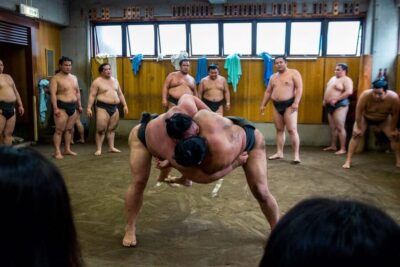 ★ 4.8Sumo Morning Practice Viewing TourFrom $81570 reviews
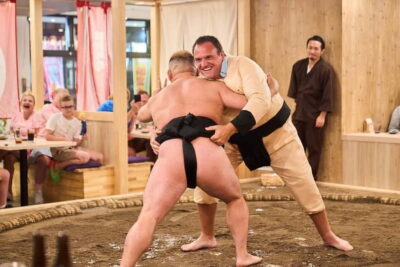 ★ 4.8Tokyo Sumo Experience: Chanko & Mochi with a Former ProFrom $103567 reviews
 ★ 5.0Ultimate Sumo Tournament: Tokyo, Osaka, Nagoya, FukuokaFrom $184468 reviews
This tour also belongs to