
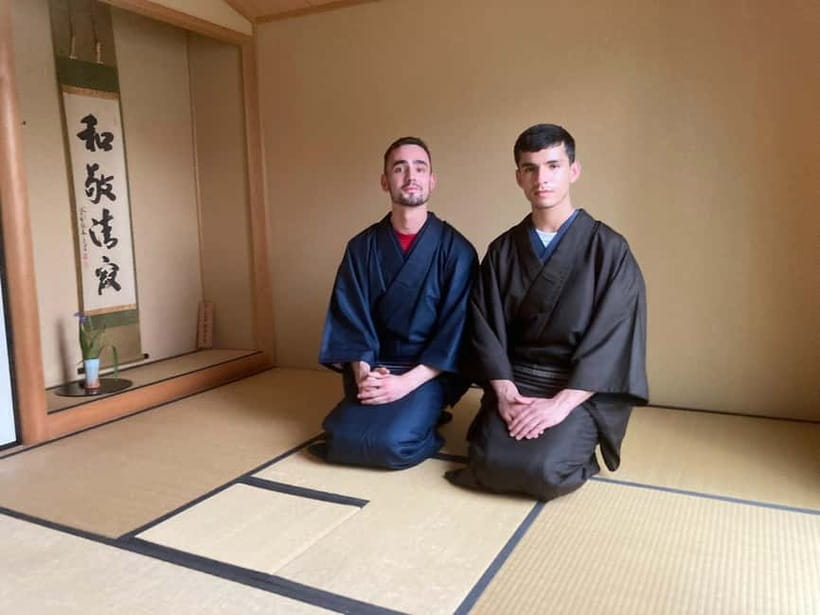
Review · TOKYO TEA & SAKE EXPERIENCES
Tokyo: Tea Ceremony Experience in a small tea room
Tokyo slows down for one sweet hour. This one-hour tea ceremony experience turns Tokyo’s pace down a notch, with a calm setting by the Kamogawa Delta and an English-speaking teacher guiding you through a real matcha routine. I particularly like that it’s designed as a small group session capped at 6 people, so you get hands-on attention instead of feeling lost in the back.
Two things I like a lot: you learn from a tea master with 20 years of experience, and you can make your own matcha if you want. The session is built for first-timers too, so you’re not expected to already know the ritual before you arrive.
One possible drawback to think about: the ceremony happens in a residential setup, and one guest noted it involves two flights of fairly narrow stairs. If you have mobility concerns or you’re relying on a taxi, ask ahead about the exact room location and how to get there comfortably. Also, kimono dressing is available, but it can cost extra, so treat it as an optional add-on.
Key highlights I’d plan around
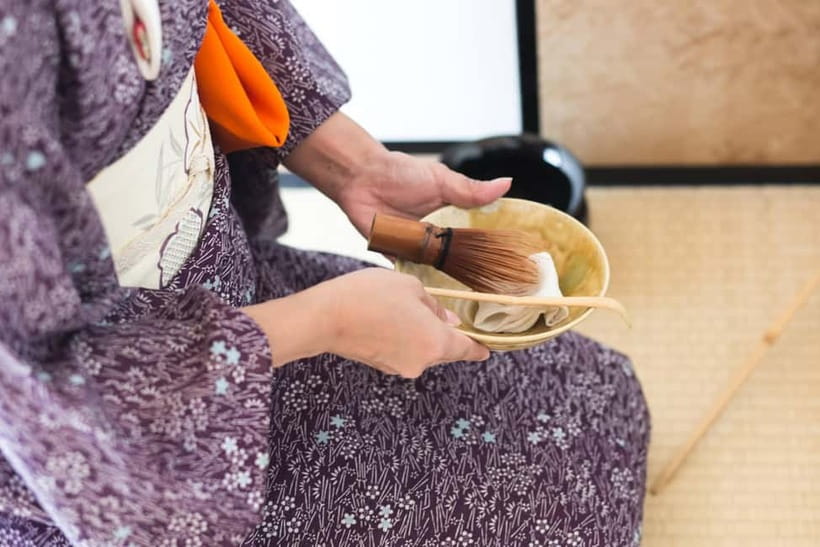
- Hands-on matcha preparation, guided step by step
- English instruction with a teacher who has 20 years of tea experience
- Small group size (maximum 6 participants) for a calmer, more personal feel
- Traditional sweets included with your tea tasting
- Quiet, near-local setting near Yanaka and Nezu Shrine, plus a pleasant walk from Nishi-Nippori
Entering Tokyo’s Tea Culture, Without the Museum Vibe

What makes this tea ceremony experience feel different is the way it’s framed, not as a performance you watch from a distance, but as a practice you participate in. You’re learning Japanese tea traditions through the teacher’s explanations and your own hands on the tools, which is where the meaning tends to click.
I also like the mindset behind the session: it’s set up to lower the intimidation factor. Instead of acting like tea knowledge is a prerequisite, the teacher guides you with patience, and you move at the pace of the group. That approach matters in Tokyo, where it’s easy to feel like you’re always catching up.
Finally, there’s something special about the calm “in-between” feeling. This isn’t about chasing a busy landmark. It’s about stepping into a smaller world for about an hour, with the tea ritual as the focus.
You can also read our reviews of more tours and experiences in Tokyo.



Meeting at Senraku-an: What the First 10 Minutes Usually Feel Like
You meet at Senraku-an, about 10 minutes before the experience begins. That little buffer is useful because you can settle in, get oriented, and avoid the stress of arriving exactly on time while you’re navigating a residential area.
From there, expect a straightforward setup. You’ll be welcomed, introduced to the process, and given an overview of what happens during the ceremony. If you’ve requested a kimono ahead of time, this is also typically when dressing would be handled.
The tea ceremony itself runs about 1 hour, and the pacing is part of the value. This is long enough to learn the rhythm of matcha preparation and taste it properly, but short enough that you can still do other Tokyo sightseeing the same day without feeling like you lost an entire afternoon.
The Real Core: Learning Matcha the Guided Way
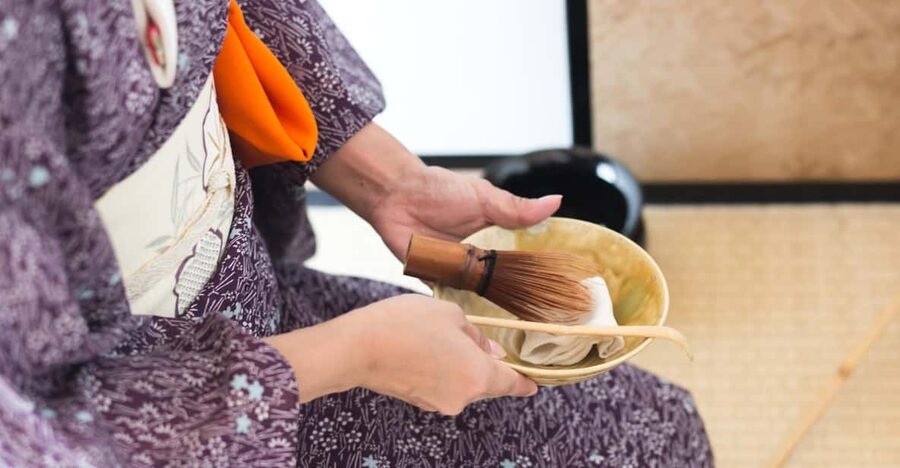
The heart of the experience is preparing matcha under instruction from Mari, the host/teacher. She brings 20 years of expertise to the room, and that experience shows in how she explains the steps.
Here’s what I think you’ll appreciate as a first-timer: you’re not just watching. You’re learning the sequence in a way that connects your actions to the purpose. You’ll cover matcha prep basics like whisking and the controlled movements that are part of the ceremony’s focus and mindfulness.
One of the most practical details you get is coaching that helps you repeat the technique later. Guests have highlighted how the teacher explains things clearly and even helps with practice moments, like folding the tea towel so you can remember the motions when you’re back home. That kind of “learn it, then own it” guidance is what turns a fun activity into a real skill.
And if you’re wondering whether you’ll feel awkward: the small group size helps. With a maximum of 6 participants, it’s easier to ask questions and get corrections without feeling rushed.
Sweets, Tea, and the Meaning of Hospitality

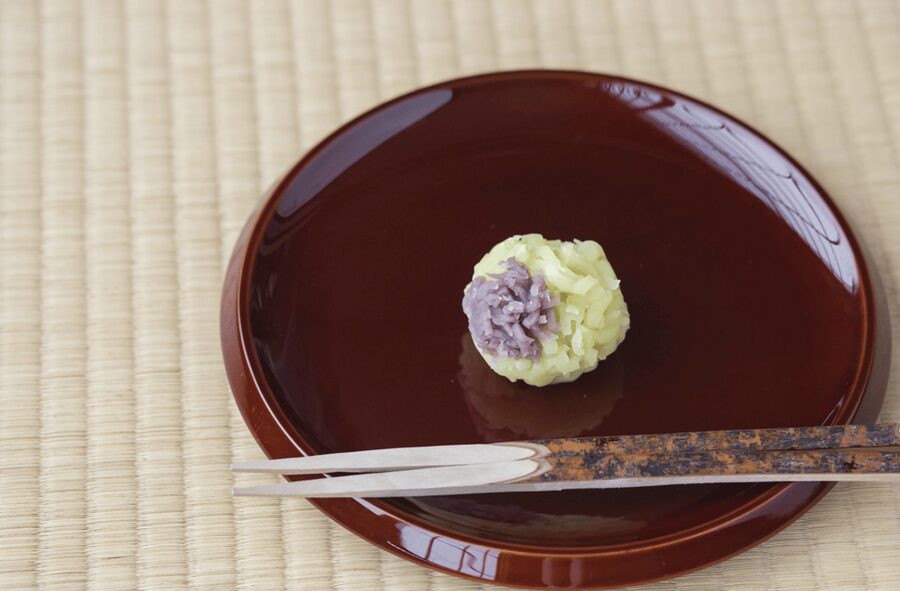
Matcha is the headline, but the session also includes traditional dried sweets, served alongside your tea. In Japanese tea culture, that pairing makes sense: the sweetness and texture help balance the matcha’s flavor and make the tasting part feel complete, not just like a sip-and-go.
The teacher also shares the cultural “why” behind the ritual, not only the how. Guests have specifically pointed out learning concepts tied to hospitality (omotenashi), harmony, and an emphasis on purity. Even if you don’t memorize every cultural term, you’ll feel the difference in how the ceremony encourages calm attention.
This is also where the quiet setting helps. One guest described it as private and tranquil, which is exactly what you want when you’re doing a ritual based on focus. Instead of hearing traffic noise and thinking about your next train, you’re paying attention to whisking, tasting, and the simple flow of steps.
Where You Are: Nishi-Nippori, Kamogawa Delta, Yanaka, and Nezu Shrine
The location is a big part of why this works as a Tokyo activity, not just a Tokyo add-on. The ceremony is a 7-minute walk from Nishi-Nippori station, so you’re not stuck on the far edges of the city.
It’s also described as being near the Kamogawa Delta, with a riverside atmosphere that can feel like a breather from the rest of Tokyo. If you plan your day well, this ceremony can become the “slow hour” that makes your sightseeing feel more balanced.
You’re also very close to the Yanaka and Nezu Shrine area. That matters because it gives you a natural plan for before or after. Think of the ceremony as your anchor, and use the surrounding neighborhood for a relaxed walk through smaller streets and local scenery, instead of bouncing between crowded transit hubs.



Price and Value: Is $51 for 1 Hour Worth It?

At $51 per person for about 1 hour, this isn’t a bargain-basement activity, but it also isn’t trying to be a luxury spa day. The value comes from three places you can actually feel in the experience.
First, you’re paying for an experienced teacher. This is not a scripted demonstration with little instruction. It’s a matcha lesson guided by someone with 20 years in the craft, and that guidance is what helps you make your own tea with confidence.
Second, you get the materials included: matcha and traditional dried sweets are part of the package. That saves you the hassle of figuring out what to buy and where, especially if you’re only in Tokyo for a short time.
Third, you’re not competing for attention. With a small group of 6, you’re more likely to get questions answered and actually practice. That’s a big part of why a short 1-hour session can still feel meaningful.
If you’re comparing it to other Tokyo activities, think of it like this: it’s a cultural experience that teaches you something concrete, not only something you look at. If you’re the type who likes hands-on travel, it’s easy to see why people rate it highly.
Who This Tea Ceremony Best Fits
This is the kind of activity that works for different travel styles, but it shines for a few specific groups.
- Couples who want a calmer, more personal experience than yet another photo stop.
- Families, especially if you like structured, gentle activities. One guest specifically noted it works for families and mentioned kimono dressing for kids.
- First-timers to Japanese tea culture who want guidance without feeling lost.
If you already love tea, you’ll likely appreciate the chance to practice the motions and understand the cultural intent behind them. If you don’t know much about matcha, that’s fine too, because the teacher’s job is to bring you into the process step by step.
Practical Tips Before You Go

A few practical pointers can make the experience smoother.
First, plan to arrive a touch early since you meet at Senraku-an 10 minutes before the start. In a residential area, that extra time matters.
Second, if you might want a kimono, request it in advance. The kimono option is available, but it may come with an extra fee, and one guest felt it was on the expensive side. Going in knowing it’s optional helps you choose confidently.
Third, wear shoes you feel okay walking in. This isn’t a rugged hiking scenario, but you may deal with a less-famous part of town and, based on a guest note, narrow stairs to reach the room.
Lastly, go in with a simple goal: learn the steps well enough to remember them. Even if you never become a tea expert, you’ll leave with a repeatable routine and a better feel for why the ritual exists.
Should You Book This Tokyo Tea Ceremony?
I’d recommend booking this if you want a genuine cultural experience you can actually participate in. The hands-on matcha preparation, instruction in English, and the small group setup are exactly what you want for a first go at Japanese tea ceremony.
I’d think twice only if stairs or finding the exact room location is a big deal for you. The tea ceremony happens in a residential setting, and one guest noted it took some effort for a taxi to locate and that getting up narrow stairs was a challenge.
If you’re flexible and ready for a calm, guided hour near Nishi-Nippori and close to Yanaka and Nezu Shrine, this is a strong use of time in Tokyo.
FAQ
How long does the Tokyo tea ceremony experience last?
The experience lasts about 1 hour.
Where do we meet for the tea ceremony?
You meet at Senraku-an, about 10 minutes before the experience starts.
Is the instruction offered in English?
Yes. The instructor teaches in English.
Is this a small group experience?
Yes. The group is limited to 6 participants.
What’s included in the price?
Matcha, traditional dried sweets, and a lesson by the tea ceremony teacher are included.
Is transportation included?
No. Transportation is not included.
Can I wear a kimono?
You can request kimono dressing. Kimono is not included by default.
What are the cancellation rules and is pay later available?
You can cancel up to 24 hours in advance for a full refund. You can also reserve now and pay later.
More Tour Reviews in Tokyo
Not for you? Here's more nearby things to do in Tokyo we have reviewed












Tokyo Tea & Sake Experiences, side by side.
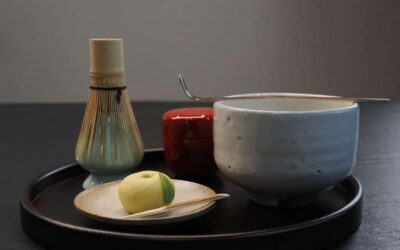 ★ 5.0Traditional Tea Ceremony with a Tea MasterFrom $38528 reviews
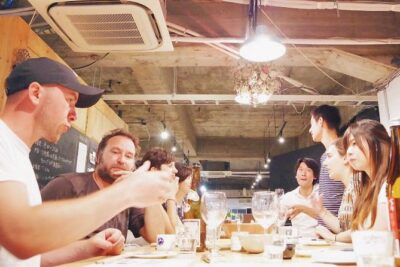 ★ 5.0Sake Tasting Masterclass in Shinjuku (8+ Varieties with a Pro)From $72271 reviews
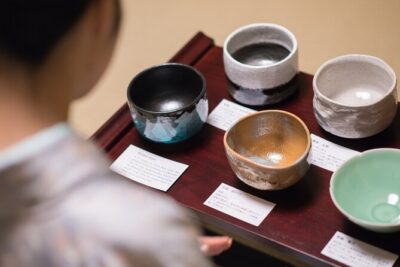 ★ 5.0Tea Ceremony Workshop in Tokyo by the Experienced InstrucorFrom $38189 reviews
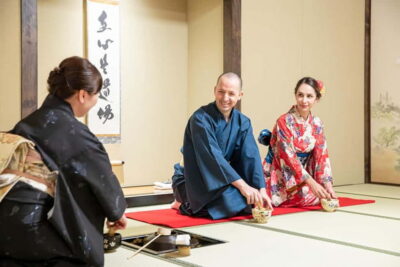 ★ 4.9Asakusa: Kimono Tea Ceremony with Matcha and SweetFrom $66153 reviews
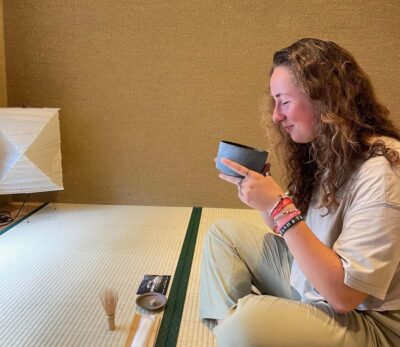 ★ 4.9Tea Ceremony Experience in a Private Tea Room in ShibuyaFrom $30125 reviews
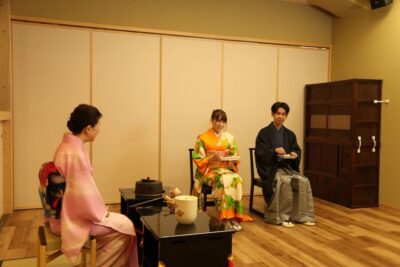 ★ 4.7Practicing Zen with a Japanese Tea CeremonyFrom $63105 reviews
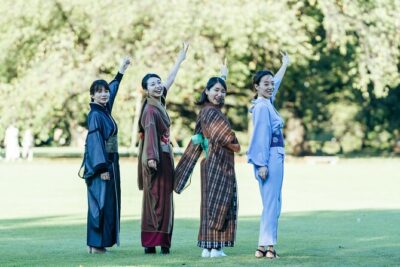 ★ 5.0Matcha Kimono Tea Ceremony in TokyoFrom $59104 reviews
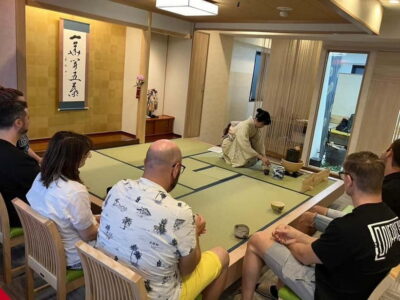 ★ 4.9Tea ceremony experience in Japanese-style room 60minFrom $4586 reviews
This tour also belongs to