
Review · TOKYO TEA & SAKE EXPERIENCES
Tokyo Traditional Tea Ceremony with a Japanese Tea Master
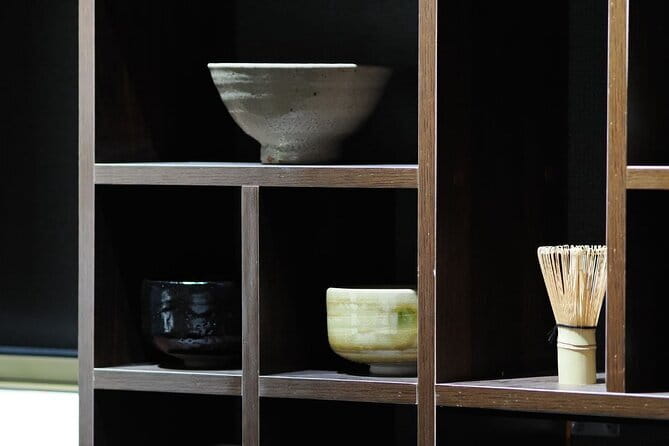
One hour, five cups, and a real culture lesson. At the Ocharu Tea Ceremony Room near Tokyo University, you sample several Japanese teas and learn how matcha fits into the bigger picture of everyday life and tradition. You get to make matcha yourself, not just watch it happen.
I also love how the experience is built like a guided tasting journey, starting with a wakocha welcome tea and cake and ending with a cozy hands-on matcha session plus a calming finale. One thing to keep straight though: this is not a long, formal, floor-based ceremony show. It is a shorter, relaxed lesson with a strong focus on making and tasting.
Key highlights you will actually care about
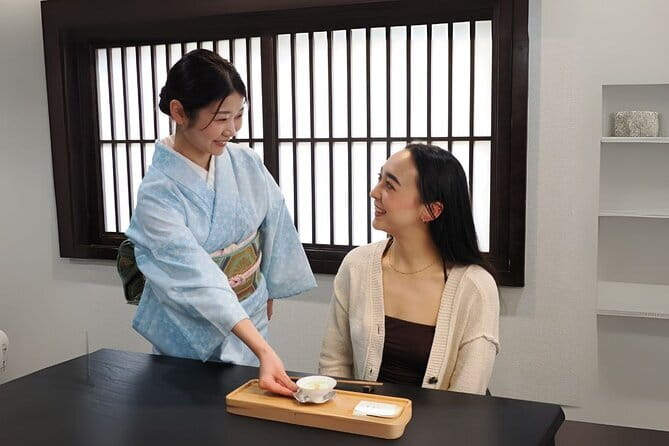
- Ocharu Tea Ceremony Room near Tokyo University: easy to slot into your day in Bunkyo.
- Multiple tea tastings in about an hour: wakocha, Gyokuro sencha, seasonal wagashi, and genmaicha.
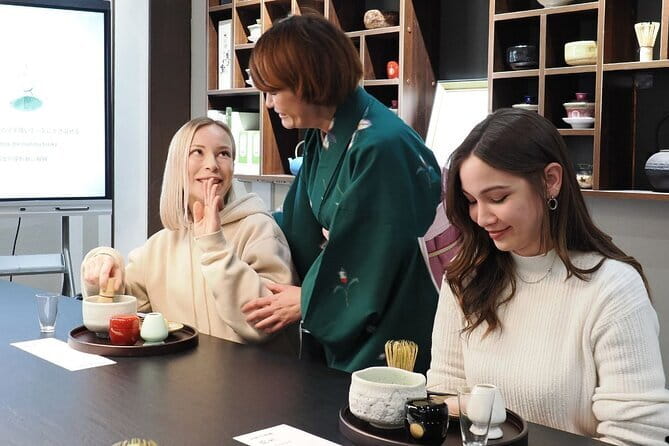
- You whisk matcha yourself: guided with traditional tools so you can repeat the basics later.
- Sweet pairings included: cake at the start, plus wagashi from Ougiya with your green tea.
- Keepsakes included: a group photo and a certificate of completion.
- Small group max 12: plenty of chances to ask questions during the short time.
A one-hour tea lesson you can fit between Tokyo sights
If you only have a day or two in Tokyo, it is tempting to chase big-ticket landmarks all day. This experience is different. It is short, focused, and very hands-on, so you leave with something more personal than a photo of a building.
The setting matters too. The meeting address is in Bunkyo, and the tea room is described as being across from Tokyo University. That is a nice advantage, because you can combine this with other nearby neighborhoods without a long commute.
The length is about 1 hour. That is a sweet spot. Long activities can be exhausting when you are already walking a lot. Here, you get the full rhythm of the ceremony style flow, without turning it into a half-day project.
You can also read our reviews of more tours and experiences in Tokyo.



The tea lineup, from fruity black tea to roasted-rice comfort
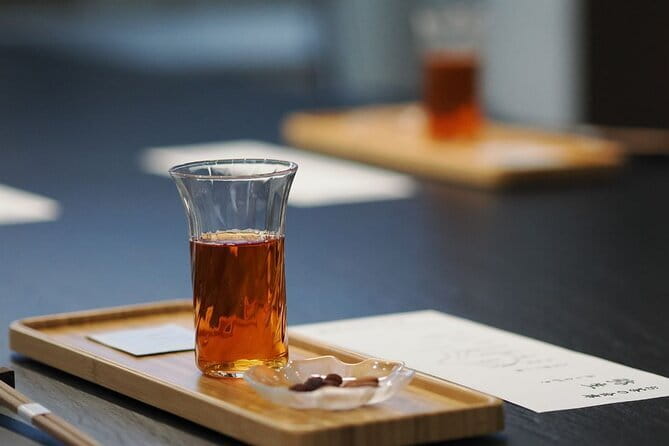
The session is structured like a tasting route through Japan’s tea regions, not just one cup at a time. You start with a refreshing Japanese black tea called wakocha, described as from Shizuoka. It gets paired with a tea cake, which makes the beginning feel inviting rather than intimidating.
Next comes green tea, and the experience specifically includes Gyokuro sencha, described as a top grade green tea. You are not just sipping. You also taste the leaves and pay attention to what changes as you brew and drink. That attention to detail is where the cultural meaning shows up.
You also get seasonal wagashi sweets from Ougiya, a confectioner noted for creating these treats for generations. Wagashi are not random desserts. They are part of the tea moment, shaped to match the season and the tea you are drinking. Even if you are new to Japanese sweets, this pairing gives you a concrete reason why ceremonies treat food and drink as one experience.
Then the finale is genmaicha, a blend of sencha and roasted rice from Niigata Prefecture. Genmaicha is a great closing choice because it feels comforting and slightly nutty. It is a nice way to finish when your brain is already full of smells, flavors, and small techniques.
Matcha making, with tools and real guidance
This is the part many people book for, and it is also the part that most often wins people over because you do it yourself.
You whisk your own matcha under a Japanese tea master’s guidance. The format includes traditional tools, and the key idea is practice with feedback. You learn how the process works, how matcha should look and foam, and how you should approach drinking it so it tastes balanced.
If you like learning by doing, you will appreciate that the session does not keep you passive. It turns matcha from a concept into muscle memory. Even if you never plan to recreate the whole ritual at home, you will walk away with a more accurate sense of what good matcha preparation feels like.
One practical note from the experience style: because it is only about an hour, you do not need to worry about being stuck in one long step. The pacing is built to move you through tasting, sweets, and making matcha in a way that still feels relaxed.
Sweet pairings: cake at the start and seasonal wagashi with the green tea
A lot of tea experiences treat sweets as an afterthought. Here, the sweets are integrated. You get cake right at the beginning with your welcome tea, and then you get seasonal wagashi when you taste Gyokuro sencha.
That matters because sweets change how you taste. Cake can smooth out bitterness and make the tea feel approachable. Wagashi, on the other hand, often brings texture and gentle sweetness that can highlight the tea’s character instead of drowning it out.
Ougiya is named in the experience details, and that is a good sign you are not being handed generic convenience-store treats. The wagashi angle also helps you understand why Japanese tea culture is often tied to seasons and subtle flavor balance.
Where to meet, and how the location can shape your day
Your meeting point is:
OCHARU6-chōme-2-10 Hongō, Bunkyo City, Tokyo 113-0033, Japan
The experience also notes it is near public transportation. That is a big deal in Tokyo. You do not want your cultural activity to turn into a scavenger hunt.
Because the room is described as across from Tokyo University, I recommend you plan this as a Bunkyo stop. Think morning or early afternoon, before your feet are fully fried. After your tea session, you can wander nearby streets without needing to backtrack across the city.
Also, the tour ends back at the meeting point. That simplifies your timing. You can plug it into a larger itinerary without worrying about a complicated end location.



Price and value for a $33.03 one-hour experience
At $33.03 per person, this is not the cheapest activity in Tokyo. But it also is not a typical souvenir-priced class.
Here is what you get in the ticket:
- Welcome tea and cake
- Sencha tasting
- Matcha making session
- Genmaicha finale
- A certificate of completion
- Access to the tea ceremony room
- A souvenir group photo
For one hour, you are essentially buying a structured food and tea tasting plus instruction, in a small setting, with keepsakes included. In Tokyo terms, that is pretty straightforward value, especially if you would otherwise spend money on tea shops without learning how to order, taste, and prepare.
What keeps it from being a pure deal is expectation management. This is described as a short experience, and it focuses heavily on matcha preparation and tea tasting. If you expect a long, dramatic, fully traditional ceremony performance, you may feel underwhelmed. If you want an educational experience you can finish quickly and talk about afterward, this price usually feels fair.
Small group size: why it helps you learn in a short time
The group size max is 12 travelers. That matters more than it seems.
In a big class, you might watch, taste, and move on. With a small group, you get more chances to ask questions while the tools are in use and while flavors are still fresh in your mind. In tea culture, details like water temperature, brewing order, and how you whisk matcha change the result. When your group is small, those questions can actually get answered.
Another benefit of the small group setup is comfort. Tea ceremonies can feel formal when you are new. A smaller group tends to make the room feel less intimidating, so you can focus on technique and taste instead of worrying about etiquette.
What to know before you go, so expectations match reality
Based on the experience description, this is a relaxed, guided format. You will not just sit and watch for a long time. You will taste multiple teas, eat cake and wagashi, then whisk matcha yourself.
So ask yourself what you want out of a tea ceremony:
- If you want hands-on matcha prep plus explanations, you will likely love this.
- If you want a long, formal performance with lots of silent ritual theatrics, this may not hit the mark.
Language is another realistic consideration. The provided information does not explicitly promise an English-only guide, and at least one earlier experience note suggested the instructor did not speak English. If your trip depends on full verbal instruction in English, I suggest you confirm the language support when you book.
Finally, if you are the kind of person who likes to arrive early, do it. Tea rooms run on time, and this experience is short. A few extra minutes can help you settle in and start smoothly.
Who this is best for in Tokyo
This works especially well for you if:
- You want a quick cultural activity that fits into a day of walking
- You like food and drink education, not just sightseeing
- You want to leave with a keepsake certificate and a group photo
- You enjoy learning by doing, especially whisking matcha
It might be less ideal if:
- You expected a long, highly formal, floor-based tea ceremony show
- You need guaranteed English-only instruction, without any screen-based guidance
If you are traveling with family, it is also a good pick because the session includes tasting, sweets, and a clear final payoff with photo and certificate.
Should you book this Tokyo tea ceremony?
If you want an hour of instruction, tasting, and matcha practice near Tokyo University, I think it is an easy yes. The biggest reasons are practical: you get multiple teas, you get to make matcha, you eat cake plus wagashi, and you finish with keepsakes. All of it is delivered in a small group that keeps the experience interactive.
Book it if you are curious, even a little. You will learn what different teas are like, how sweetness and tea interact, and how matcha preparation changes the drink. It is also a good rainy-day option because the core experience happens indoors.
Skip or adjust expectations if you are specifically chasing a dramatic, full-length traditional ceremony performance. This one is designed to be approachable, educational, and quick.
FAQ
How long does the tea ceremony experience last?
The tour is approximately 1 hour.
What teas will I try during the class?
You will try wakocha, Gyokuro sencha, and genmaicha, and you will taste the tea leaves as part of the tasting.
Do I get to make matcha myself?
Yes. The experience includes a matcha making session where you whisk your own matcha with traditional tools under the tea master’s guidance.
Is cake included?
Yes. The experience includes a welcome tea and cake.
What keepsakes are included at the end?
You receive a certificate of completion and a souvenir photo of your group.
Where is the meeting point?
The meeting point is OCHARU6-chōme-2-10 Hongō, Bunkyo City, Tokyo 113-0033, Japan, and the activity ends back at the meeting point.
Is there free cancellation?
Yes. You can cancel for a full refund if you cancel up to 24 hours in advance of the experience start time. If you cancel less than 24 hours before, the amount paid is not refunded.
More Tour Reviews in Tokyo
Not for you? Here's more nearby things to do in Tokyo we have reviewed












Tokyo Tea & Sake Experiences, side by side.
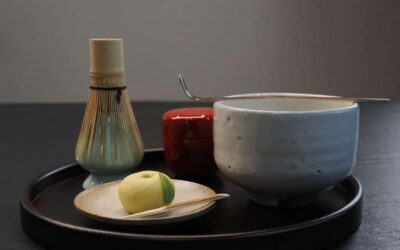 ★ 5.0Traditional Tea Ceremony with a Tea MasterFrom $38528 reviews
 ★ 5.0Sake Tasting Masterclass in Shinjuku (8+ Varieties with a Pro)From $72271 reviews
 ★ 5.0Tea Ceremony Workshop in Tokyo by the Experienced InstrucorFrom $38189 reviews
 ★ 4.9Asakusa: Kimono Tea Ceremony with Matcha and SweetFrom $66153 reviews
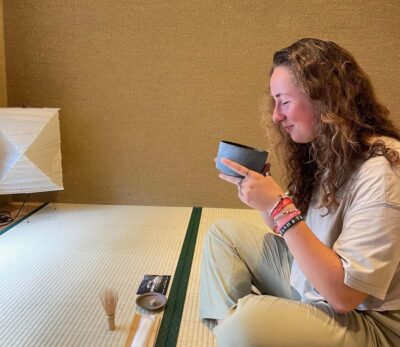 ★ 4.9Tea Ceremony Experience in a Private Tea Room in ShibuyaFrom $30125 reviews
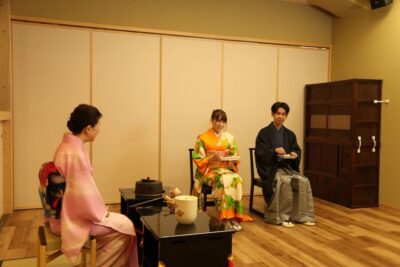 ★ 4.7Practicing Zen with a Japanese Tea CeremonyFrom $63105 reviews
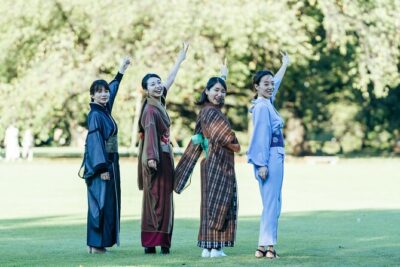 ★ 5.0Matcha Kimono Tea Ceremony in TokyoFrom $59104 reviews
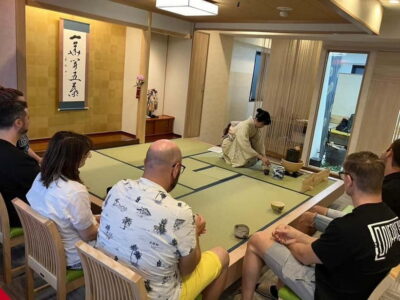 ★ 4.9Tea ceremony experience in Japanese-style room 60minFrom $4586 reviews
This tour also belongs to