
Knife-making sounds intense, but it is surprisingly approachable.
What makes this Traditional Japanese Knife-Making Workshop in Asakusa click is that you shape and refine a blade with real tools while getting step-by-step guidance, so you are not stuck guessing. I also like the practical end result, you leave with a handcrafted knife you made yourself, which beats another souvenir magnet. One drawback to weigh: at this 90-minute format, the session can feel more like skill-building sharpening and finishing than a long, full craft history tour.
The biggest win is how beginner-friendly it is without being watered down. You get a clear introduction to tools and materials up front, then you work at your own pace in a supportive workshop setting.
The workshop is held on the 10th floor of the building, so plan for a quick elevator trip as part of the experience. If you are expecting a huge, all-day studio spectacle, this shorter class may feel tighter than you want.
Key things I’d watch for before you go
- 90 minutes that focuses on hands-on shaping, refining, and sharpening basics
- Bilingual instruction (English/Japanese) so you can ask questions without fear
- You take the knife home, including blade and handle components used in class
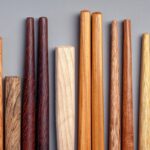
- Handle options and possible personalization, with reviews mentioning wood choices and engraving
- Small, craft-focused atmosphere, praised for cleanliness and the smell of freshly cut wood
Where this Asakusa knife workshop fits in your Tokyo plans
Asakusa is a great base for crafts because it is an area where you can mix old Tokyo vibes with modern logistics. This class is centered on a real workshop workflow, not a performance. You will spend your time learning what tool does what, and how patience shows up in the edge.
The session runs 90 minutes, which is perfect if you want something hands-on but you still want time for temples, food, and wandering after. At a $96 per person price point, it lands in the midrange for activity-based workshops in Tokyo, so value depends on your expectations. If you want a souvenir you actually use in the kitchen, that is where the price starts to make sense.
I also like that the staff is English/Japanese bilingual. In a knife class, small misunderstandings can waste time, and language support keeps the pace smooth. You will also be in a wheelchair-accessible space, which is a real plus for planning.
More Tokyo tours and experiences for the shortlist


Meeting point: the 10th floor detail that matters
Your meeting point is simple but easy to miss if you arrive late or hungry: the workshop is on the 10th floor of the building. That means you should treat this like a timed activity, not an open-ended shop visit.
Practical tip: give yourself extra time for stairs fatigue and elevator hunting. Tokyo buildings can vary a lot, and “10th floor” is clear only if you are already standing in the right place. Once you’re there, you are in a proper studio environment where you can focus on the tools without the distractions of a street market.
How the class actually flows, from tools to take-home knife
This workshop is structured like a guided making session, not just a demonstration. You start with context, move into doing, and end with a finished knife you can bring home.
1) Tool and materials intro, where you learn what you are touching
The experience begins with an introduction to the tools and materials used in traditional Japanese knife-making. In practice, this is where you learn the “why” behind the steps.
You are shown what tools you will use during the session, and how the materials relate to the final feel of the knife. That matters because a blade is not just about sharpness. It is about shape, control, and consistent refinement.
This intro also helps you avoid common beginner mistakes, like rushing the early shaping steps or applying uneven pressure. Even if you know nothing about knives, you can still follow along because the instruction is paced for beginners.
2) Shaping and refining the blade with real patience
Next, you shape and refine the blade under careful instruction. This is the core part of the workshop. You get step-by-step guidance while you work, and you are able to move at your own pace.
Knife-making is precision work, so expect a slow, focused rhythm. You might spend more time on careful refinement than on flashy “hot forging” drama. That is not a problem. For a 90-minute workshop, refining teaches you what matters most for quality control.
This is also where a lot of the strongest praise comes from. Several people highlighted that the staff taught them how to sharpen properly, and that the pace and explanations were thorough.






3) Sharpening lessons that feel practical, not theoretical
A recurring theme in feedback is that sharpening is more complicated than people expect. That is exactly what this class helps with. You learn technique, not just the idea of a sharp edge.
You should expect to practice with guidance until you understand the motion and pressure you need. If you have ever tried to sharpen a knife at home and ended up with a disappointing result, this kind of hands-on instruction is the antidote.
One caution: because this is 90 minutes, the class is not going to turn you into a professional sharpener. It gives you a solid foundation, so you can understand what you are doing the next time you maintain a blade.
4) Handle work, including wood choice and possible personalization
As the session moves toward the end, you work on the handle portion. Your workshop includes the knife blade and handle components, and you can get involved in the handle stage as part of the class.
Reviews mention that you can choose your handle from a variety of woods, and some people even noted engraving as an option. I would still treat engraving as something you confirm during your session, since the exact options can depend on what is available that day.
The handle step is where your knife starts to feel like yours. The wood choice matters because it changes the look and the feel in your hand.
5) Finish, photos, and your take-home knife
Throughout the workshop, the staff encourages questions and you can take photos along the way. When the session ends, you leave with the handmade knife you created.
That final moment is why the price can feel worth it. You are not just paying for instruction, you are paying to walk out with something tangible you built.
What the $96 cost covers, and whether it feels fair
At $96 per person for 90 minutes, you are paying for a guided craft session plus materials and tools. The included items are clear: use of the workshop, use of the tools, and the knife blade and handle.
So the key question is how much of the session is hands-on for you versus passive time. The experience is designed to be active, and most feedback supports that the staff takes time with participants.
Still, there is one negative datapoint to consider: one person felt the experience was light on making value, focusing mostly on sharpening, then a handle was glued on near the end. I cannot promise every session will feel exactly the same, because pace can vary by group size and skill level. But it is a fair warning to set expectations correctly: this is a guided workshop, not a multi-day artisan apprenticeship.
If your goal is to learn the fundamentals of shaping and sharpening, you will likely feel good about the value. If your goal is a long, step-by-step build story with every stage highly detailed, you might wish it were longer.
The staff vibe, and why people named instructors
In workshops like this, the quality of the human guidance is the whole show. The positive feedback is consistent: people found the staff friendly, kind, and careful with instruction.
Instructor names came up in feedback. Dewi was specifically praised for helping a lot. Shin also appears in comments, with positive remarks about the guidance and the chat. That is a good sign, because it suggests the team takes time to explain and connect, not just run people through motions.
There was also mention of an unprofessional moment from another worker during one participant’s experience. That is rare based on the overall rating, but it is something worth noting if you are very sensitive to tone or group dynamics. The good news is that the workshop’s core guidance was still valued, even in that more critical review.
If you want the best outcome, go with a calm, curious mindset. Ask questions early. If you are stuck, speak up. In a precision craft class, the fastest way to get a good result is to get guidance when you need it.
Classroom setting: clean workshop, wood smell, and a Tokyo view
The setting helps. Several people commented on how clean and beautiful the workshop space is. There is also a standout sensory detail: the amazing smell of freshly cut wood when you enter.
Location wise, one review noted you can even see Tokyo Skytree from the building, which makes the experience feel a little extra special. Even if you are not staring at the skyline the whole time, that kind of view helps you settle into the day.
Also, since you are working on tools, cleanliness matters. A well-kept workshop improves both comfort and safety.
What to expect if you are a total beginner
You do not need prior experience. The workshop is designed so beginners can participate and learn without feeling lost.
Here is what beginner success usually looks like in a class like this:
- You listen closely during the tool intro
- You go slow during shaping and refinement
- You ask for clarification when your technique feels uneven
- You treat mistakes as part of the learning curve
If you are the type who likes learning by doing, you will enjoy this. If you prefer watching first and working later, you might want to jump in during the guided practice so you can correct early.
Also, keep in mind the “90 minutes” reality. You are learning fundamentals and finishing a knife, not mastering every stage of Japanese cutlery traditions.
Who this workshop is best for
This class makes sense if you fall into one of these groups:
- You want a hands-on Tokyo activity with a take-home result
- You like practical cultural experiences, not just sightseeing
- You are curious about how Japanese knives are made and maintained
- You want beginner-friendly instruction in English or Japanese
It may not be your best match if you want a long, multi-hour deep immersion into every aspect of knife making, or if you expect a dramatic, fully traditional forging process.
Practical tips so you get the most from it
A few smart moves will make the session smoother:
- Wear comfortable clothes you do not mind getting a little workshop dust on
- Bring your camera, you can take photos during the workshop
- Ask about handle wood options early, since you want to choose before the final stages
- If you are left-handed or have a technique preference, mention it when the instructor is guiding early steps
And mentally: go for progress, not perfection. The fun is watching your skills improve during the session.
Should you book this Traditional Japanese Knife-Making Workshop in Asakusa?
I would book it if you want an activity with real output, a clean workshop, and step-by-step guidance. The strongest reasons to choose it are the hands-on sharpening instruction and the fact that you leave with a handmade knife you created yourself.
Be cautious if you are paying for a longer, more cinematic craft story. This is a 90-minute format, so the time is focused on what you can learn and finish in that window. If you set your expectations around refining and sharpening fundamentals plus a handle you choose and finish, you should feel satisfied with the value.
If you want a meaningful Tokyo craft day without overplanning, this fits well. It is also a great option for couples or small groups who want to do something together that feels different from the typical temple and food circuit.
FAQ
How long is the Traditional Japanese Knife-Making Workshop in Asakusa?
The duration is 90 minutes.
How much does the workshop cost?
The price is $96 per person.
Do I need any prior experience to make a knife?
No prior experience is needed. The workshop is designed for beginners and includes step-by-step guidance.
What is included in the price?
The price includes use of the workshop and tools, and you receive the knife blade and handle.
What languages are available for the instructor?
The instructor provides English and Japanese support.
Where is the workshop meeting point?
The workshop is held on the 10th floor of the building.
Is the workshop wheelchair accessible?
Yes, the experience is wheelchair accessible.
Can I reserve now and pay later?
Yes, there is a reserve now and pay later option.
Is free cancellation available?
Yes, you can cancel up to 24 hours in advance for a full refund.
More Workshops & Classes in Tokyo

More Tour Reviews in Tokyo
Not for you? Here's more nearby things to do in Tokyo we have reviewed












Asakusa Tours, side by side.
 ★ 4.8Japanese Dance Cabaret Theater Asakusa-Kaguwa TicketFrom $492,270 reviews
 ★ 4.7Meiji Shrine, Asakusa, Skytree Bus Tour and CruiseFrom $1221,986 reviews
 ★ 4.9Roll and Authentic Sushi Making Class in AsakusaFrom $581,957 reviews
 ★ 4.8Asakusa Walking Tour with Sensoji Temple VisitFrom $221,583 reviews
 ★ 5.0Tokyo Asakusa Rickshaw TourFrom $421,375 reviews
 ★ 4.5Tokyo Panoramic 1 Day: Meiji Shrine, Asakusa, Odaiba and SKYTREE®From $851,222 reviews
 ★ 5.0Tokyo Go Kart: Asakusa, Skytree, and Akihabara **IDP MUST**From $99988 reviews
 ★ 4.7Asakusa, Skytree & Akhihabara Go-Kart City ExperienceFrom $96761 reviews
This tour also belongs to