
Review · WORKSHOPS
Traditional Japanese Knife Sharpening Class
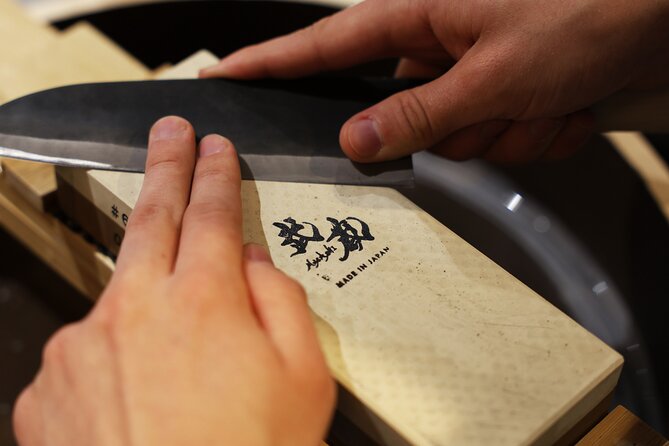
If you like cooking, this changes everything. In a small group in Tokyo, you learn traditional Japanese knife sharpening on whetstones of different grits, with tools provided so you can focus on the skill. It also includes stories about knife history and sharpening theory, so the class feels more like learning a craft than taking a quick demo.
What I like most is the hands-on part, not just watching. Reviews repeatedly highlight instructors like Charlie and Timothy, with clear explanations and lots of Q&A, plus that satisfying before and after moment where a very dull knife becomes truly sharp. My other big win is the small group size (max 6), which means you get more attention as you practice.
One consideration: you are paying a specialty price for a skill-focused workshop, so it’s best if you want to sharpen at home afterward, not just buy another souvenir knife.
Key highlights worth caring about
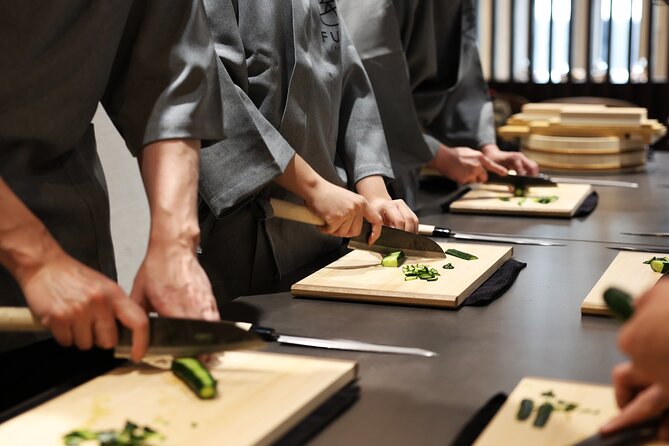
- Small group of up to 6 so you can practice without feeling rushed
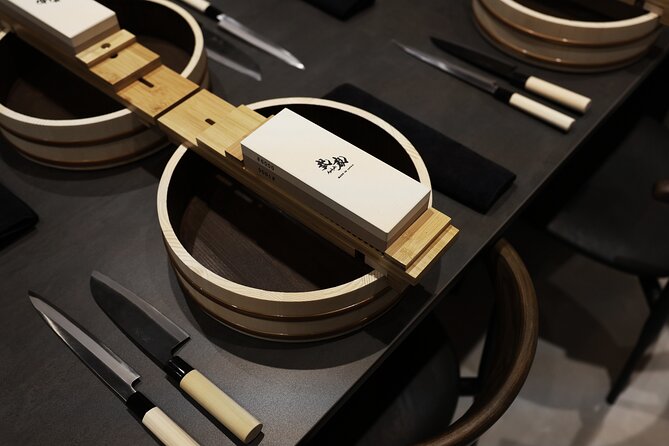
- All equipment provided, meaning no hunting for whetstones or tools before you arrive
- Whetstones in varying grits, so you learn the workflow, not one magic stone
- Instructors with strong English, including Charlie and Timothy, who explain techniques step by step
- A dramatic sharpening progression, starting from a knife that struggles with paper and ending much sharper
- Take-home keepsake, your own freshly sharpened knife, ready for kitchen use
Tokyo Skytree area meets real knife craft
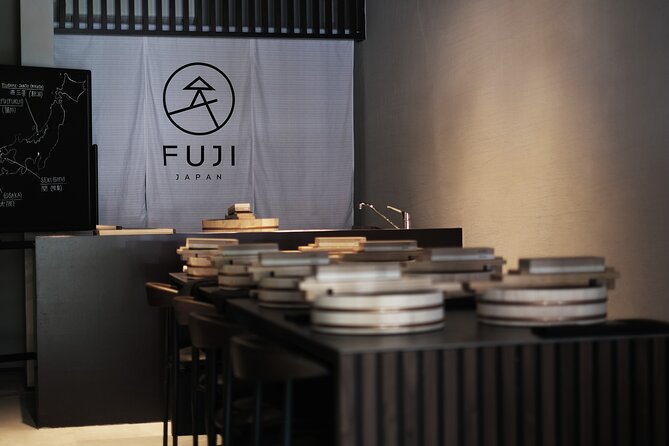
This class is set up like a focused, two-hour work session in Tokyo, with Tokyo Skytree listed as the first stop. Practically, that means the experience is anchored in a landmark area, then you return to the same meeting point when it’s done. If you’re visiting and want one activity that feels cultural but also useful, this hits that sweet spot.
The meeting point is at 1-chōme-9-8 Nishiasakusa, Taito City, Tokyo 111-0035. It’s also described as near public transportation, so you can plan it alongside other Asakusa-area sights without building your day around one complicated commute. You’ll also get a mobile ticket, and you receive confirmation at booking.
Most of all, the vibe is built for doing. The workshop isn’t about buying a knife and hoping it stays sharp. It’s about learning the method so you understand why your edge performs the way it does, and how to restore it when it starts to slip.
More Tokyo tours and experiences for the shortlist


The 2-hour flow, from history to hands-on sharpening
Plan for about 2 hours total, and expect the class to move through two big phases: background and practice.
First comes the grounding. You’ll get an introduction to Japanese knife history and sharpening theories. That matters because sharpening is not just a repetitive motion. The idea is to help you connect what you’re doing on the whetstone to how the blade edge forms and performs.
Then you shift into the actual work. You’ll learn traditional Japanese sharpening using whetstones of various grits. The class is designed so you can feel the difference as you move through stages, rather than memorizing vague advice like use a stone and keep going until it looks better.
A detail I think is genuinely useful: the experience starts with a knife that is intentionally very dull. One review described how it could hardly cut paper at the start, then ended with an edge sharp enough to slice through a rolled tube of paper while the tube stood upright. Even if your end result won’t be identical, that kind of before-and-after shows you the real goal: you’re not polishing for show, you’re creating a cutting edge that performs.
Whetstones and grits, what you actually learn
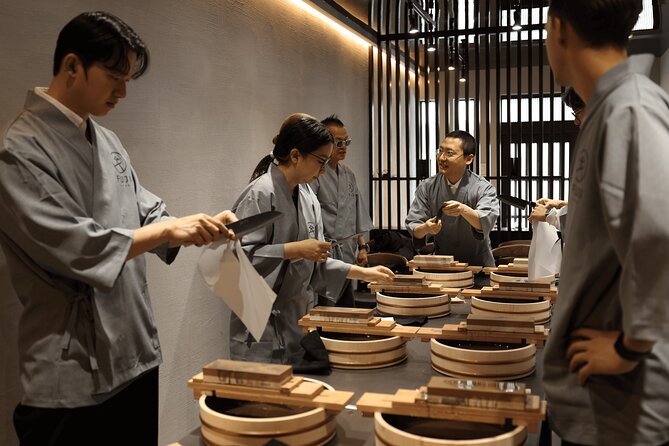
The class uses whetstones in different grits, and that’s the core of the learning. Here’s how to think about it for your kitchen life.
- Coarser grits tend to do more of the heavy work, helping reshape and correct dullness.
- Finer grits help refine the edge, aiming for a smoother, more precise cutting action.
In this workshop, you don’t just hear about that. You practice with guided instruction, so you learn the rhythm and technique needed to get consistent results. Reviews also suggest that the instruction focuses on the process in detail, which is where sharpening classes often win or lose. If the teaching is clear, you can repeat it at home. If it’s vague, you’ll be left with a new stone collection and the same dull knife problem.
Another practical point: because the stones are provided, you can experience the “right tool for the job” approach without spending extra money up front. That’s value, not just convenience.
The instructors: Charlie and Timothy set the tone
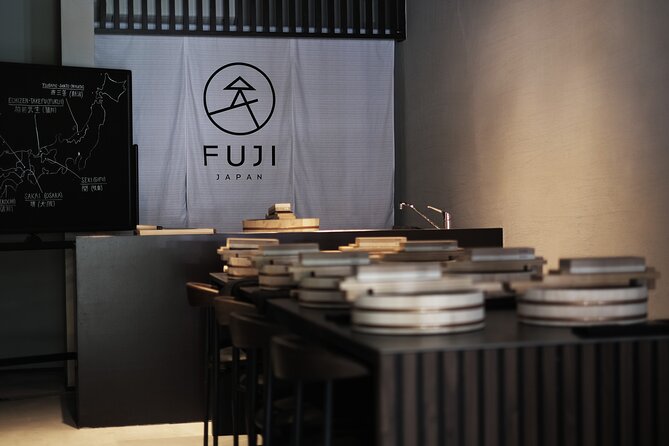
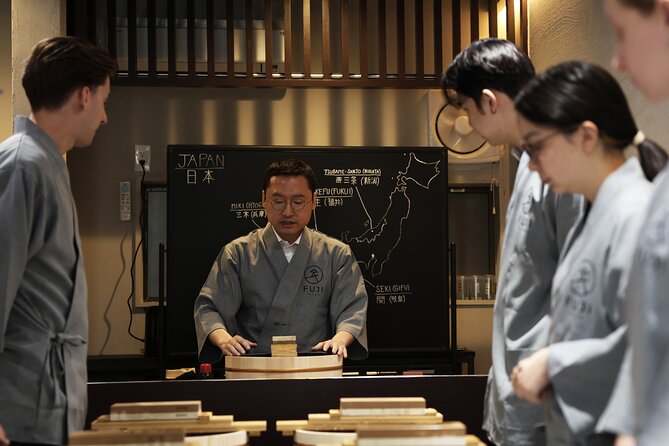
From the reviews, the instructors are a major reason people rate this a full 5 out of 5. Charlie is mentioned repeatedly, with praise for being very knowledgeable and for explaining the process in a detailed, engaging way. Timothy also gets called out for guiding the class effectively, with students learning exactly what they need to create a razor-sharp edge.
Two teaching traits show up again and again in the feedback:
- Clear step-by-step explanation that makes the technique understandable, not mystical.
- Room for questions. People highlight that the instructor answers questions and communicates well.
There’s also a note that English instruction is strong, including praise for Charlie’s English. If you’re worried about language getting in the way, that’s a reassurance based on actual comments.
Even the atmosphere gets a compliment, which matters because sharpening can be frustrating if the setting feels rushed or stiff. When the tone is friendly and focused, you learn faster, and you leave with confidence instead of anxiety about ruining a blade.
Why the sharpening theory part is more than trivia
A lot of workshops add history as filler. This one uses knife history and sharpening theory to support the skill.
You learn about knife sharpening theories and different steel types. That’s important because not all knives respond the same way. Even if you only own one Japanese-style knife today, you’re building a framework you can use later when you add more.
One review also praised the detailed explanation of the knife itself. That points to something you should watch for while you’re there: ask questions about what your blade needs. A good class will connect general sharpening ideas to the edge you’re working on, so your home sharpening isn’t a blind routine.
If you’re a cooking enthusiast, this is also a mindset shift. A sharp knife changes everything about prep, from how cleanly you slice to how much effort you put into each cut. The class teaches the skill, but it also makes you value sharpness enough to maintain it.






You take home the sharpened knife, and it actually matters
At the end, you can take home the freshly sharpened knife that you sharpen during the session. That turns the course into more than a story about Tokyo. It becomes something you’ll use.
And because the sharpening is guided, you’re not just leaving with a sharp edge and hoping it stays that way. You’re leaving with the process knowledge to refresh it when it dulls.
This is one of those experiences where the souvenir is practical. You get the meaningful part (a craft you learned, a blade sharpened by your own hands) plus the everyday part (a knife you can put back to work right away).
A side note from a review: one person also picked up a sharpening stone from a recommended nearby shop. That’s not guaranteed as part of the package, but it’s a good sign that the instructors think about what you might want to do next.
Price and value: $98.53 for skill, not just watching

At $98.53 per person for about two hours, this isn’t the cheapest thing on your Tokyo list. The value comes from what you get for that money:
- Hands-on practice with whetstones of multiple grits
- Equipment provided, so you’re not paying to source tools just to try the class
- Instruction from named instructors like Charlie and Timothy, with detailed explanation
- A take-home sharpened knife, so you leave with a usable outcome
If you’re the kind of traveler who buys a “thing” but never uses it, you might feel disappointed. But if you’re the kind of person who wants to learn a repeatable skill, the price starts to make sense fast. A sharp knife can affect how often you cook and how good your cooking feels, and this class gives you the technique you need to keep that sharpness alive.
Also, small-group instruction reduces waste. In a tiny class, you spend your time practicing instead of waiting for a demo.
Who this class is perfect for
This experience fits best if you do at least one of the following:
- You cook regularly and care about prep quality.
- You own a Japanese knife (or plan to soon) and want to maintain it properly.
- You like hands-on craft work where you can see immediate results.
- You enjoy cultural experiences that teach a real, practical technique.
It also works for people celebrating something special. One review mentioned a birthday, and the tone of that comment suggests it’s memorable in a personal way because the take-home knife is tied to the day.
Most travelers can participate, and the class is near public transportation, which helps it fit into real trip plans instead of feeling like an all-day detour.
A practical way to get the most from the session
Since the class is teaching you a repeatable skill, treat it like a workshop, not a show. Here’s how to get better outcomes during the two hours you have:
- Pay attention to the technique, not just the end result. The goal is consistent sharpening you can redo later.
- Ask questions while you’re practicing. The instruction is praised for answering questions, so use that.
- Be ready for the process to start with a dull knife. That contrast is part of how you learn, and it makes progress easier to notice.
- Think about what you want from your knife afterward. If you care about clean slicing, ask what changes with different grit stages.
If you go in with a learning mindset, you’ll likely leave with both a sharper knife and a calmer confidence about maintaining it at home.
Should you book the Japanese knife sharpening class in Tokyo?
Book it if you want a small-group, hands-on skill that turns into something you use every day. The strong ratings and the praise for instructors like Charlie and Timothy point to clear teaching, lots of attention, and a real sense of progress from dull to sharp.
Skip it or think twice if your main goal is shopping for a Tokyo souvenir, not learning a technique. This class is about sharpening, whetstones, and practice, so you’ll get the most satisfaction if you genuinely want to sharpen at home afterward.
FAQ
Will I need to bring any sharpening equipment?
No. The experience states that everything you need is provided, so you do not have to source equipment before the class.
How long is the knife sharpening class?
The duration is about 2 hours.
How many people are in the class?
The maximum group size is 6 travelers.
Where does the class start and where does it end?
The meeting point is 1-chōme-9-8 Nishiasakusa, Taito City, Tokyo 111-0035, Japan. The activity ends back at the meeting point.
Does the class include a sightseeing stop?
Tokyo Skytree is listed as Stop 1 in the itinerary.
What do I take home at the end?
You can take home a freshly sharpened knife that you sharpen during the session.
Is it easy to reach by public transportation?
Yes, it is described as near public transportation.
What is the cancellation window?
You can cancel for a full refund up to 24 hours in advance of the experience start time.
More Workshops & Classes in Tokyo

More Tour Reviews in Tokyo
Not for you? Here's more nearby things to do in Tokyo we have reviewed












Workshops, side by side.
 ★ 5.0Sushi Making Tokyo Roll and Authentic Japanese Sushi ClassFrom $593,971 reviews
 ★ 4.9Roll and Authentic Sushi Making Class in AsakusaFrom $581,957 reviews
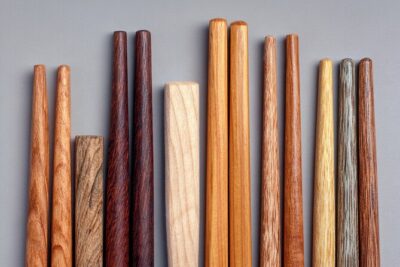 ★ 5.0Tokyo Shinjuku Chopsticks Making ClassFrom $201,763 reviews
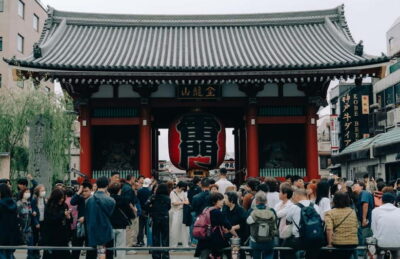 ★ 4.9Sushi Making Class in a Happi Coat near a Famous SpotFrom $421,377 reviews
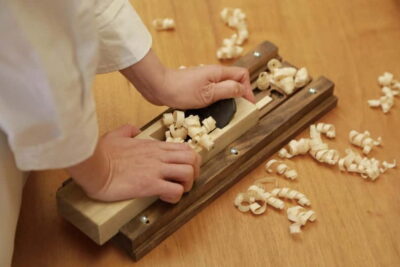 ★ 4.8Chopstick Making Workshop in GinzaFrom $251,366 reviews
 ★ 5.0Tokyo Sushi Making Class in Tsukiji with Professional ChefFrom $491,177 reviews
 ★ 5.0Ramen & Gyoza Cooking Class in Tokyo with Local Supermarket VisitFrom $122823 reviews
 ★ 5.0Matcha Making Class in Tokyo with Authentic Japanese Sweets SetFrom $21744 reviews
This tour also belongs to