
Review · TOKYO CITY TOURS
Tokyo: Private Walking Tour with a Local
Tokyo feels friendlier with a local beside you. This private walking tour lets a Lokafyer build your day around your interests, not a fixed script, and it also delivers practical payoff like learning the metro and rail flow fast. I like that it stays human, with stops that can range from quiet café courtyards to temple streets, and you get to ask real questions along the way. One thing to consider, though, is that it is still a walking tour, so plan for time on your feet and for any entrance fees not covered (and meals are on you).
What makes this experience worth your time is the freedom: no fixed route. You can show up with questions, a wish list, or nothing at all, and your guide will shape the walk for your vibe. Pickup is included in or near the city center, and the guide speaks Spanish, English, or French, with guides who have helped people figure out subway passes and navigate neighborhoods with confidence.
Key points to know before you meet your Lokafyer
- 100% private, no group shuffle, so your pace and interests actually drive the route
- Flexible start, in or near the city center, with pickup at your hotel, landmark, or a nearby quiet spot
- Tokyo transit help is a big part of the value, from station navigation to rail pass questions
- Quiet neighborhoods and local-style stops are part of the appeal, not just the biggest postcard views
- Plans can change on the fly, like when weather shifts, walking pace needs adjusting, or you add a new priority
Why this private Tokyo walk beats the usual highlights route
Tokyo can feel like two cities at once: the loud, obvious sights and the everyday rhythm that locals know by muscle memory. This tour leans hard into the second one. Instead of you following a prewritten checklist, you and your Lokafyer decide what the day should feel like.
I especially like the way this works for first-timers. A local can point out what matters, but more importantly, explain how the city functions. People in the guide examples included Amanda, Edwardo, and Gonul, and the common thread is how they adapted the day to what visitors wanted, rather than forcing the same set of stops on everyone.
The other reason this is strong value is that it can turn the rest of your trip into easier mode. Several guides helped guests master subway basics and rail pass usage, and that kind of know-how pays off the next day when you are moving on your own.
You can also read our reviews of more walking tours in Tokyo


Pickup, timing, and why 3 to 8 hours feels like the sweet spot
The day runs 3 to 8 hours, depending on what you book and what you want to pack in. That flexibility matters in Tokyo, where transit choices can change your timing by a lot. If you only have one day, a longer walk gives you more “orientation time.” If you want a lighter experience, a shorter tour still works because it is tailored to you.
Pickup is included, and you can meet the guide at your preferred location as long as it is in or near the city center. That is a practical advantage. You do not spend your first morning hunting for a meeting point while Tokyo traffic and signage do their best to confuse you.
Also, you can request a specific time for the tour. That helps if you want to line up a view from above, a temple visit at a certain time of day, or a route that matches your energy level. One guide, David, even adjusted plans to include request-driven garden time, which is exactly the kind of personalization that makes this type of tour click.
How the route usually unfolds: walk, talk, then pick your neighborhood vibe
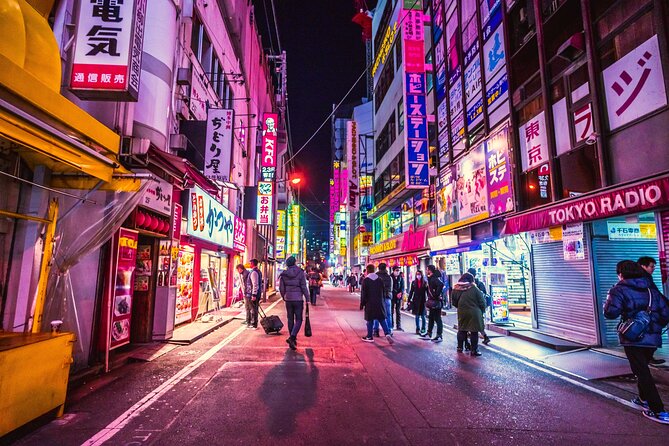
Because this is private, there is no single “fixed” itinerary to memorize. Still, the structure tends to follow a logic that keeps the day flowing.
You usually begin with a meet-and-greet, then you and your Lokafyer quickly sort out what matters most. Many guides in the examples focused on orientation, then moved through neighborhoods. Guides like Eduardo and Lily showed how to navigate and where to go next, which is especially helpful if you are trying to plan your own days afterward.
From there, expect a mix of:
- a photo stop or two when it fits your interests
- walking routes that pass through everyday streets
- a scenic moment on the way, sometimes from a tower or elevated viewpoint
- optional cultural stops, like shrines or temples, based on your preferences
- a local-style food stop if you want it, with the understanding that meals are not included
A practical note: the walk can be longer than you think. One example mentioned that the walk toward Meiji Jingu felt farther than expected, but the guide handled it with clear guidance and a plan for getting back. This is a good reminder to wear comfortable shoes and to tell your guide your walking limits early.
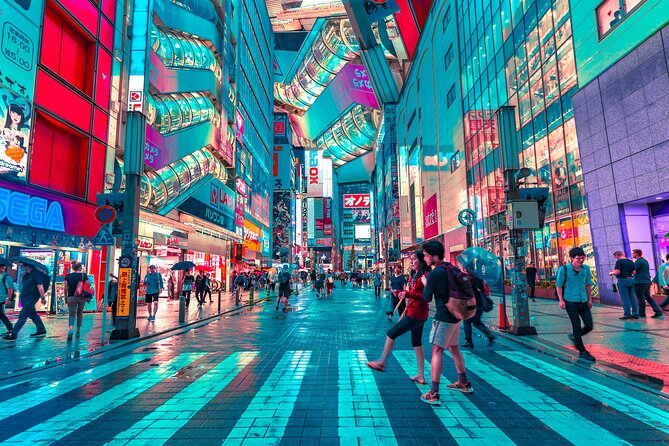
Neighborhood choices you can actually feel: quiet backstreets to big-city icons
Tokyo neighborhoods are wildly different blocks apart. Part of the value here is that your Lokafyer can pick the parts that match your mood.
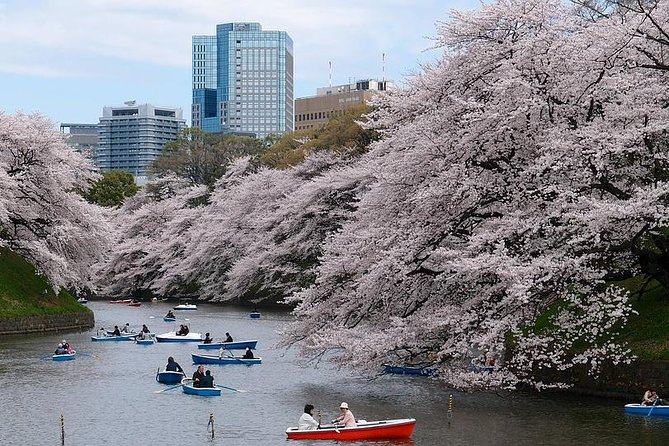
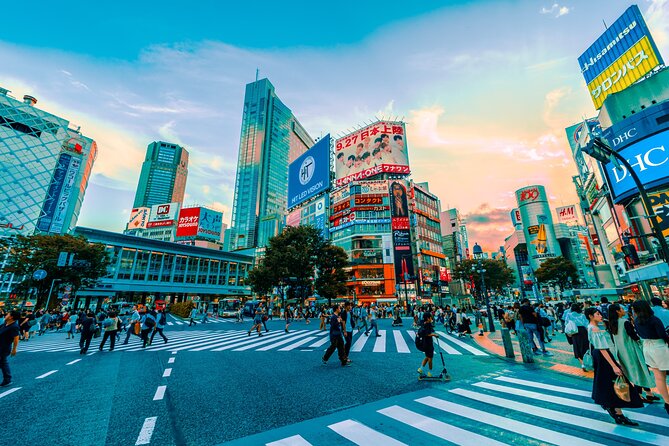
If you want contrast, guides can mix a well-known area with calmer side streets. For instance, Lily included a dramatic Shibuya Crossing viewpoint, but also made time for a café stop and explained what to do next. Another guide, Elizabeth, helped visitors with rail and metro basics and then added a cherry blossom park stop, which is the kind of day you can picture, even if you are not sure you will like that specific season plan until you see it.
If you want quiet over crowd, some guides leaned into calm zones. Edwardo’s day included quiet and lovely areas, plus an excellent lunch recommendation. That is the “non-landmark” side of Tokyo that most first-time itineraries miss, and it is often where the city feels most real.
You might also see street-art areas or cultural corners. In the guide examples, Amanda and others were described as friendly, upbeat, and flexible, with plans shaped around the questions guests brought. That matters because it keeps the tour from feeling like you are watching Tokyo through a rail window.
Transit help that reduces stress fast (and keeps you from wasting time)
Tokyo transit is not hard once you have a few basics, but it can feel overwhelming at first. This is where many of the best tour moments land.
Several guides focused on helping guests use the metro correctly, including showing how to buy or understand rail pass options and how to move from station to station without second-guessing everything. Katherine’s guide help centered on rail pass figuring out and metro use. David’s example included teaching the subway in a very practical way, then pairing it with requested garden time.
Jennifer’s example also called out subway assistance, and another guide example highlighted help with ticket processes at Shinjuku Station. That kind of step-by-step walkthrough is exactly what you want on day one. When you understand how the system works, your second day is free to be fun instead of stressful.
Also, you are not just learning routes. You are learning choices. You learn which direction to exit, what the next transfer usually looks like, and how to keep your plan from collapsing because a platform layout is different than you expected.
One more pro tip from the same theme: ask your guide to show you how to get back to your hotel, not just where you are going next. Several examples explicitly mentioned that guides did exactly that, which can save hours over the trip.
You can also read our reviews of more private tours in Tokyo


Temples, gardens, and views, picked to your taste
Even though this is not a fixed itinerary, cultural and scenic moments often show up because they are high-impact in a short window.
Guides handled both “main temples” and more local-feeling cultural spots. Deborah’s example included a main temple and a mix of traditional and modern sections, plus an overview of trains. Siih’s example included temple and shrine etiquette and even a deep dive into kimono knowledge, tied to her actual experience.
Meiji Jingu came up in a way that matched a real walking-day pace. If that is on your wishlist, bring it up early so your Lokafyer can fit it with transit and walking distances you can handle.
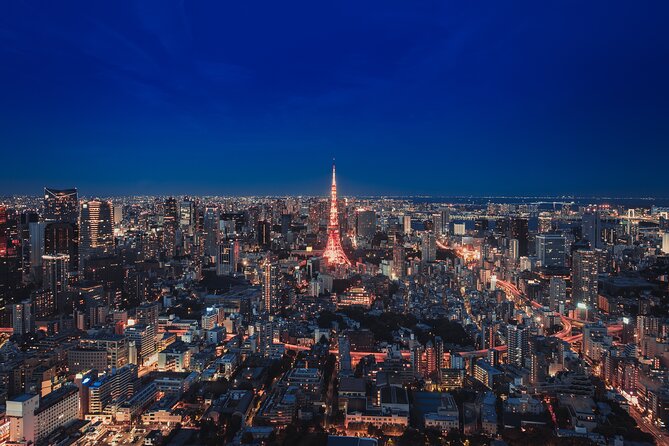
Views are another common payoff. Lily’s day included the Shibuya Crossing view from a tower, and another guide example included topping out at Parco Tower for an aerial look. These stops work well because they give you a “map in your brain.” You see Tokyo from above, then your walking route starts to make sense.
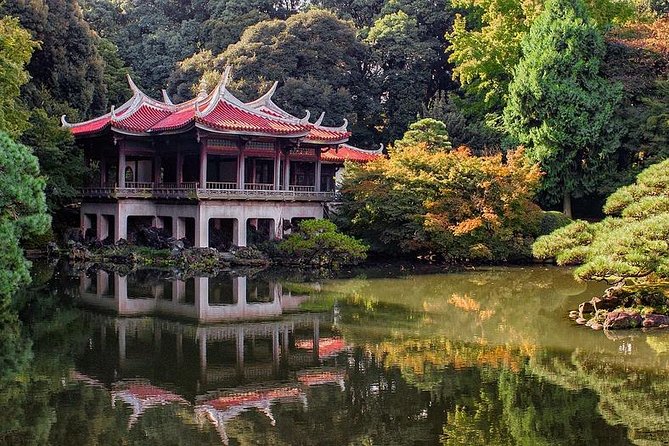
Gardens also showed up as a smart move when the route needs a break. David brought guests to beautiful gardens at their request, and that kind of pause is not wasted time in Tokyo. It helps you keep energy for the next neighborhood.
Food, cafés, and shopping advice that feels personal
Meals are not included, but that is not a deal-breaker, because the real value is the guidance. A good Lokafyer can steer you toward the kind of place you will enjoy without turning your meal into a research project.
Some guide examples included a lunch place guests loved. Others mentioned café stops, including places locals adore in the tour’s concept, not just chain coffee. If you tell your guide what you like, they can shape the options around your preferences, whether that is traditional snacks, local-style meals, or a café break that gives you a reset.
Shopping can be part of the day too. One example included help finding a Pokémon center, and another included help buying a stage musical ticket. Those are very specific requests, which is exactly the point: your day can include the things that make you feel like Tokyo is your kind of place, not just a place you visited.
Language support and how guides keep the day moving
Tours work best when you can ask questions and get answers without a language headache. This guide experience includes live tour guidance in Spanish, English, or French, and that support shows up in the practical moments people praised.
Several examples focused on clarity and ease of communication, including help navigating subway systems and answering questions about daily life. Amanda and Edwardo were described as accommodating and upbeat. David and Lily were praised for being easy to talk to while still offering solid practical direction.
There are also small-day fixes that matter. One example mentioned umbrellas organized during rainy weather. That kind of adjustment is a sign your Lokafyer is watching your situation, not just sticking to a plan.
Cost and value: what $82 really buys you in Tokyo
$82 per person can look like “too much” if you are thinking of a simple walking chat. But if you factor in what you are buying, the value gets easier to see.
You are paying for:
- dedicated guide time for 3 to 8 hours
- private attention with a route that changes based on you
- transit coaching, including rail pass and metro basics when needed
- local recommendations for neighborhoods, food, and what to do next
The best value angle is stress reduction. When guides help you figure out the rail pass or teach station navigation, you stop losing time and energy. That is not a soft benefit. It affects how much you can do, and it affects whether you feel confident moving around without guessing.
It also helps you avoid the most common Tokyo travel trap: spending your first day “trying to see everything,” then regretting it when the next day feels impossible. A private local can steer your day toward what you actually want.
Just remember what is not included. Entrance fees, meals and drinks, transportation, and optional activity costs are on you. Also, if you want an attraction visit, you will need to cover the cost of entrance for the local guide, since entrance fees are not included. That detail is worth keeping in mind when you add paid stops.
Who this tour suits best (and who should skip it)
This fits you if:
- you want a first-day orientation that helps you move on your own
- you prefer real conversation over scripted facts
- you want your day built around your interests, from transit to food to culture
- you value quieter, less obvious Tokyo streets as much as famous sights
It also makes sense if you are traveling with kids, because children under 3 can join free, and children 3 to 12 get a 50% discount.
Skip this type of tour if:
- you want a fixed, check-the-box schedule with zero decision-making
- you hate walking and do not want to adjust pace or routes
- you want everything fully paid and fully planned with no extras, since entrances and meals are not included
Should you book this private Tokyo walking tour?
If you want Tokyo to feel easier from day one, I would book this. The biggest reasons are the private flexibility and the transit help. When guides like David, Lily, Eduardo, and Romana focused on practical navigation and adjusted the walk to match energy levels, it did something more than show sights. It made the rest of the trip feel doable.
Book it especially if your list includes any mix of modern neighborhoods, a shrine or temple moment, and at least one “I need help figuring out the trains” day. It is a smart use of time in a city where the walking routes and train connections matter.
Just go in with comfortable shoes, a couple of interests ready, and an open mind for the quiet corners your Lokafyer thinks you will like. Then you get Tokyo that feels lived-in, not just photographed.
FAQ
Is this tour private or will I join a group?
It is a private group experience. You will walk with your Lokafyer, and there are no groups or fixed route constraints.
How long is the Tokyo private walking tour?
The duration is 3 to 8 hours. You can check availability to see starting times.
What languages are the live guides available in?
Live guides speak Spanish, English, and French.
Where does pickup happen?
Pickup is included, and the Lokafyer meets you at your preferred location as long as it is in or near the city center. This can be your hotel, an iconic landmark, or a quiet café.
Is the tour wheelchair accessible?
Yes, the tour is wheelchair accessible.
Are entrance fees or meals included?
Entrance fees, meals and drinks, transportation, personal expenses, and optional activity costs are not included. If you include an attraction, you need to cover the cost of the entrance for the local guide.
Can I request a specific tour time, and what about cancellation?
You can request a specific time for the tour. You can cancel up to 24 hours in advance for a full refund.
Do I need to have a plan before the tour starts?
No. You can come with questions, interests, or no plan at all, and the Lokafyer will tailor the walk to you.
Are there discounts for children?
Children under 3 can join for free. Children ages 3 to 12 receive a 50% discount.
More Walking Tours in Tokyo


More Tours in Tokyo






More Tour Reviews in Tokyo


Not for you? Here's more nearby things to do in Tokyo we have reviewed












Tokyo City Tours, side by side.
 ★ 5.01-Day Tokyo Bus TourFrom $12914,250 reviews
 ★ 4.5TOKYO SKYTREE® Admission ticketFrom $1311,192 reviews
 ★ 4.6teamLab Planets TOKYO Digital Art Museum Entry TicketFrom $259,779 reviews
 ★ 4.0Mt Fuji & Hakone Cruise, Drum Show Bullet Train 1 Day from TokyoFrom $1497,413 reviews
 ★ 5.0Shinjuku Food Tour (13 Dishes at 4 Local Eateries)From $866,603 reviews
 ★ 4.4Tokyo Mt Fuji 5th St & Hakone Cruise Bus Tour w/Bullet TrainFrom $1545,024 reviews
 ★ 5.0Flagship 2-Hours Official Street Go-Kart Tour – Tokyo Bay ShopFrom $644,974 reviews
 ★ 4.5From Tokyo: Mount Fuji Full-Day Sightseeing TripFrom $684,970 reviews
This tour also belongs to