
Review · ASAKUSA TOURS
Tokyo: Roll and Authentic Sushi Making Class in Asakusa
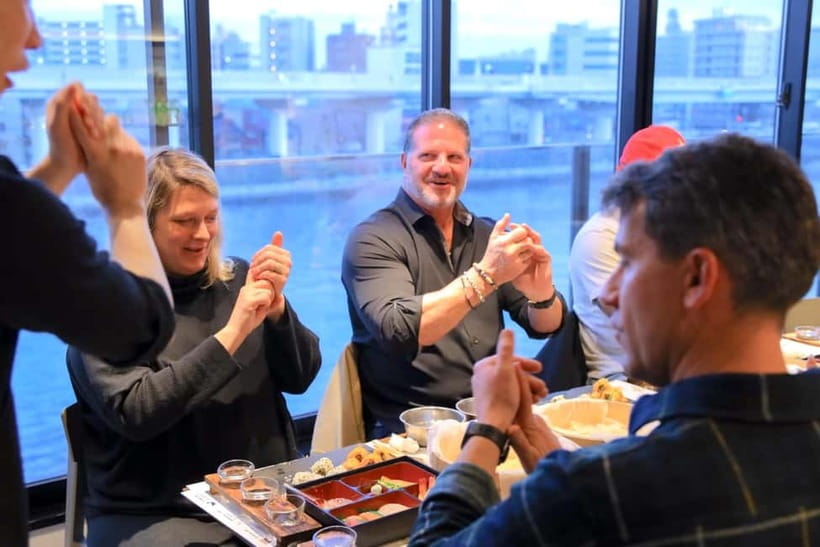
Fresh sushi, right in old Tokyo. In this Asakusa class, I like that you learn both a roll style and more authentic nigiri-style sushi, then you eat it immediately. The English-speaking instructors keep it light, clear, and hands-on, including a sushi history quiz that makes the technique feel less like a chore. One consideration: a few people say the 100 minutes can feel a touch rushed, so if you want lots of extra rice time or slow practice, you may wish you had more minutes.
You meet near Asakusa Station, then the session builds from quick context to actual shaping, with patient help at every step. I also like the way the class pushes beyond just how to roll, it explains what you are doing and why it matters for flavor and texture.
Key Highlights You’ll Actually Care About
- You make two sushi styles in one class: roll and authentic Japanese sushi (often nigiri-style), then you eat them.
- A sushi history quiz runs through the lesson, so facts land while your hands are busy.
- English guidance throughout, with local staff who are described as funny, patient, and very encouraging.
- Fresh, high-quality ingredients show up in the final meal, and the end result gets people genuinely excited.
- Easy location in Asakusa, close to Asakusa Station and also in the Sensō-ji area.
Asakusa Roll and Nigiri Class, Close to Skytree and Sensō-ji
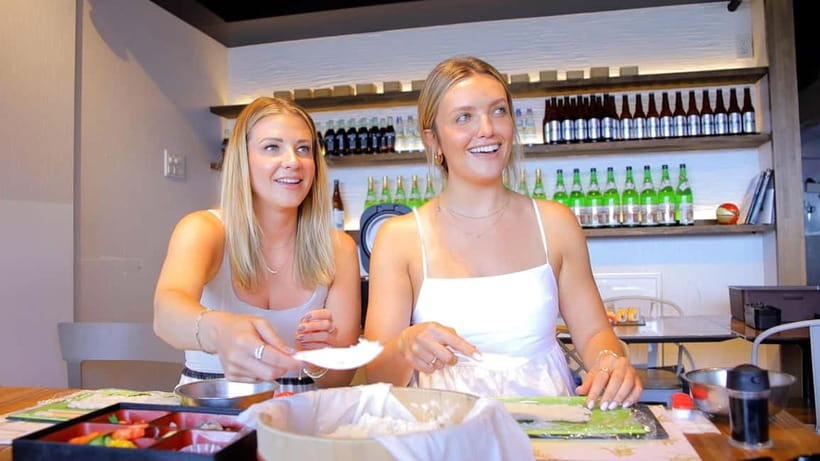
Tokyo has plenty of cooking classes, but this one has a different feel because it happens in Asakusa, not a far-flung studio. You get to spend the time in a neighborhood that feels more traditional day to day, and you are also not far from big sightseeing hits like Sensō-ji and Tokyo Skytree.
The class itself is built for real beginners. You do not need prior sushi experience, and the instructor and helpers guide you step by step. That matters because sushi skills are mostly muscle memory, plus a few key “do not mess this up” details.
If you like food that you can eat right away, this format is a big win. You are not just watching a demo, you are making the pieces you will take a bite of at the end. That turn, from making to eating, is where most people decide if the class was worth it.
More Tokyo tours and experiences for the shortlist



What You Make in 100 Minutes: Maki Roll Plus Authentic Sushi
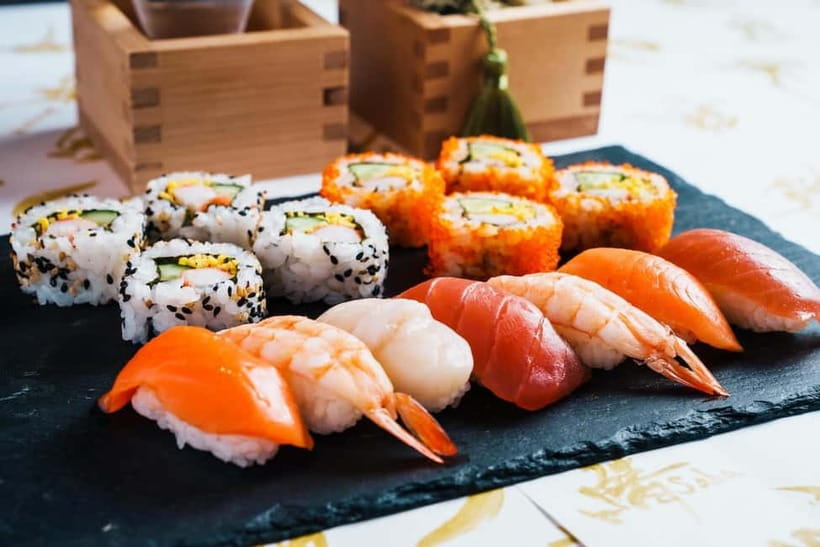
The core of the lesson is simple: you make two types of sushi. The roll part is usually what most people picture first, the maki-style sushi where you shape a filling into a roll and then cut clean pieces. The other part is described as authentic Japanese sushi, and in practice it tends to land as nigiri-style shaping, with you forming individual pieces to match classic presentation.
I like that the class is set up so you are not stuck on only one technique. Rolling is one challenge, and shaping individual pieces is another. When you do both in the same session, you leave with a more complete sense of what sushi is beyond one roll and one topping.
Now for the reality check. Some people say the class can feel slightly rushed, and a couple mention they wanted more time for the process. If you tend to learn slowly, or you want to do extra pieces for a bigger lunch, you might want to plan your expectations around finishing what is on the menu for the day rather than doing open-ended practice.
The Quiz That Teaches You Sushi Without Being Boring
One of the most praised parts is the interactive quiz about sushi history. It is lighthearted, and it is not just trivia for trivia’s sake. The quiz gives you a framework, so when you handle ingredients and tools, you can connect the steps to the bigger story.
That is a smart teaching approach for visitors who want more than instructions. Instead of memorizing a recipe like a robot, you learn what sushi is and how it evolved into what you see today. Even if you are not a sushi nerd, the quiz helps you notice differences like texture, seasoning style, and ingredient choices.
You can also feel the staff’s energy during this section. In the recent class experiences, names like Hitomi, Tomona, Ken, and Moe show up as guides who kept things fun and patient. A helper named Hide is also mentioned for making the experience feel even better, especially for people who joined alone or with kids.
English-Speaking Instructors: Why Communication Changes Everything
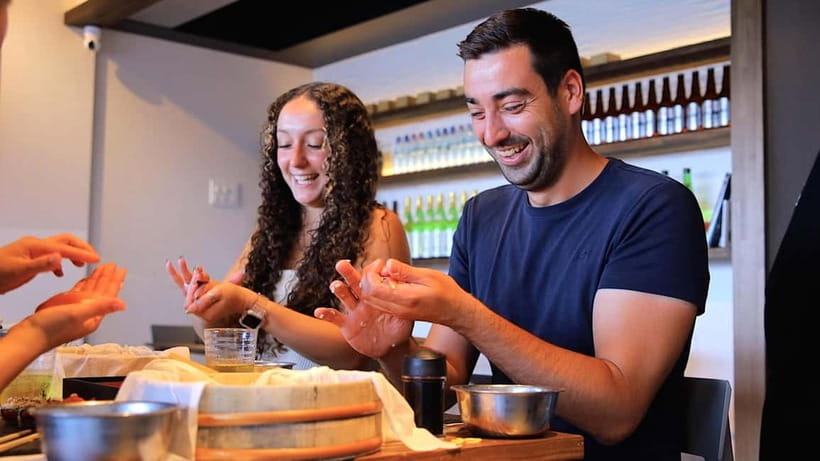
The class runs in English, which is a big deal in Japan when you are learning a hands-on food skill. Here, the teaching is not just “say it in English,” it is paced so you can actually follow. People specifically mention clear explanations, good pacing, and patient help when sushi does not look right the first time.
I also like that the staff are described as entertaining without turning the lesson into a comedy show. It is more like, you feel comfortable making mistakes. When you feel safe, you try the next step instead of freezing.
If you want a more personalized vibe, you may find it depends on the time slot and class size. One person notes that an earlier time with fewer people felt close to a private lesson. So if you want maximum attention, picking a less crowded start time can be a smart move.
Ingredients and Final Lunch: Freshness You Can Taste
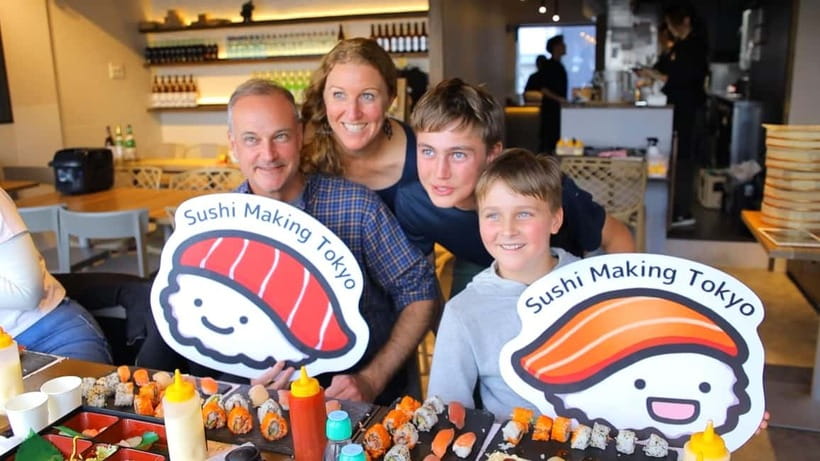
The best part of any cooking class is the eating, and this one gets strong marks for flavor and freshness. People describe the ingredients as very good quality, and they say the sushi tastes delicious when they sit down to eat what they made.
That freshness is important because sushi is sensitive. If the fish is off or the flavors are weak, the whole class feels like a gimmick. But here, the end result is consistently praised, which suggests the ingredients are not low-cost filler.
I also noticed a practical point from comments: the class can leave you feeling full, but a few people wanted more rice or more food. That does not mean you will be starving, it just means it may not replace a full meal in Tokyo if you have a big appetite. Plan to eat a light snack earlier, especially if you are doing the class as your main lunch.
Some participants mention that sake flights and beer were available in their session. That is not guaranteed in the core listing details you provided, so treat it as “possible add-on,” not part of the base class. Still, it is worth knowing because it can turn your lunch into a more complete Asakusa food experience.



Finding the Class: 3 Minutes from Asakusa Station
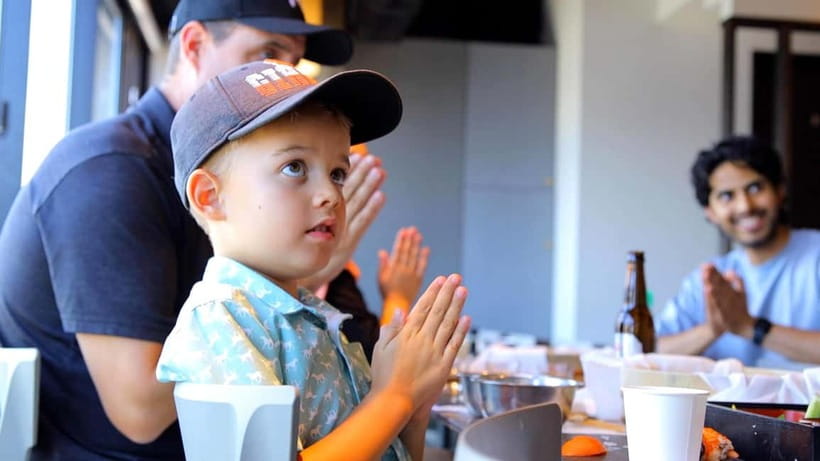
Logistics matter, especially in Tokyo where a few wrong turns can cost time. The meeting point is listed as about 3 minutes from Asakusa Station, which is about as convenient as it gets for a cooking class.
People also mention that the location is easy to find near the Sensō-ji area. That is helpful because you can pair the class with sightseeing. Do the class when you arrive in Asakusa, then use the time afterward to walk the neighborhood.
You should also plan how you will get there. The class is not bundled with hotel pickup, so you will want to use the subway and walk the final stretch. If you are staying in central Tokyo, you will probably still find it worth the trip because the class is part lesson and part meal in one stop.
Dietary Options: Vegan, Vegetarian, Gluten-Free, Halal
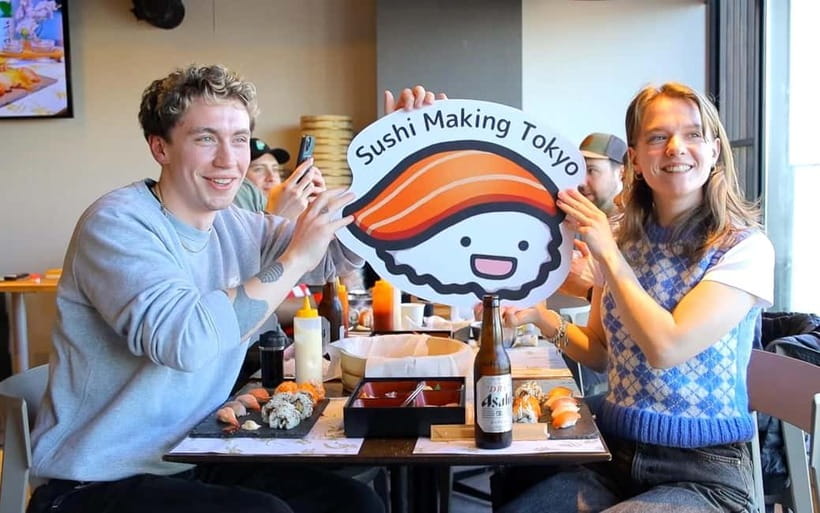
If you have dietary needs, this class can work. The menu notes Vegan and vegetarian options, plus gluten-free and halal. That is a strong set of options for a sushi class, since sushi is often built around wheat-based seasonings and ingredient crossovers.
There is also an allergy note: ingredients not used include meat, nuts, fruits, and dairy. And the information also says the operator cannot respond on the day about changes, and ingredient specifications are not accepted.
So here is my practical advice. If you need a specific substitute, do not leave it to last minute. If you need exact allergy handling, contact before you arrive so you can confirm what is possible in your case.
Who This Class Is Best For
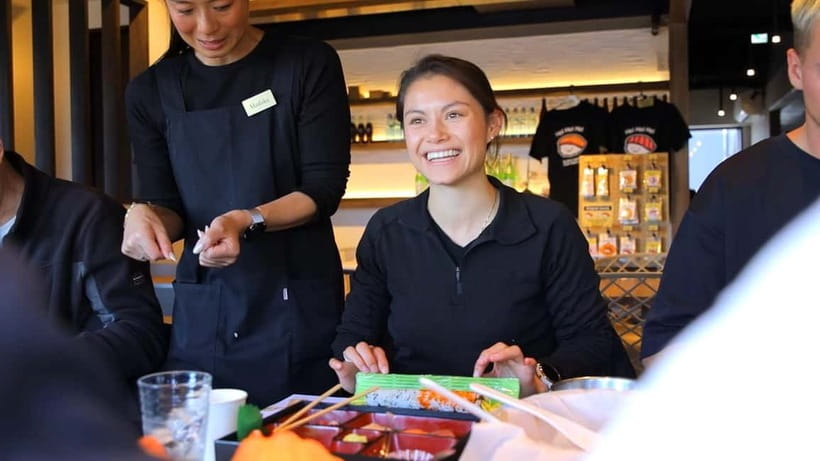
This is the kind of activity that fits a lot of different travelers because it is structured and beginner-friendly, but still satisfying for people who care about craft.
Go for it if you want:
- A fun way to learn sushi basics without needing Japanese language skills.
- A hands-on food activity that ends with a real lunch.
- A short commitment, 100 minutes, in a prime sightseeing neighborhood.
It is also good for families. Several people mention kids enjoying the session, and the staff approach seems geared toward keeping the mood positive even when everyone is learning at once.
If you are a sushi pro already, you might find it more foundational than advanced. Still, the quiz and the focus on classic presentation can be a nice refresher, especially if you want to return home with repeatable technique.
Price and Value: Is $58 Worth It in Tokyo?
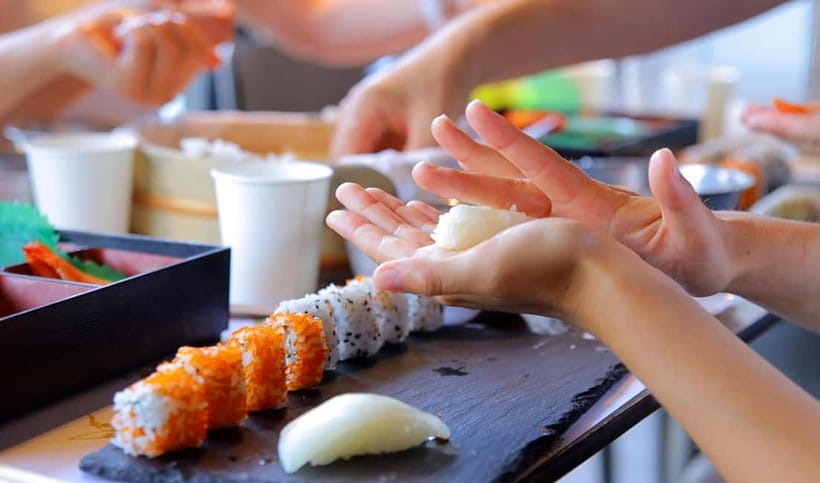
At $58 per person, you are paying for two things that many cheap “experiences” do not deliver well: instruction and a full meal that you make yourself. The listing includes the cooking class, ingredients, and the instructor. Hotel pickup is not included, but the meeting point is close to the station, which helps keep your overall time and money costs under control.
So the value comes down to what you get for the money:
- You make two sushi types.
- You eat what you make.
- You get English instruction and help.
- The ingredients are described as high quality.
- The staff keep the experience interactive, not lecture-only.
That combination is why the rating is so high. It is not just a “show up, watch, leave” kind of class. It is a complete little lunch event.
The only value caveat is time. If you are someone who hates rushing, the feedback about the 100 minutes feeling tight might matter. In that case, treat this as your first sushi-making taste, then consider pairing it with a longer food plan later in your day.
Quick Reality Check Before You Book
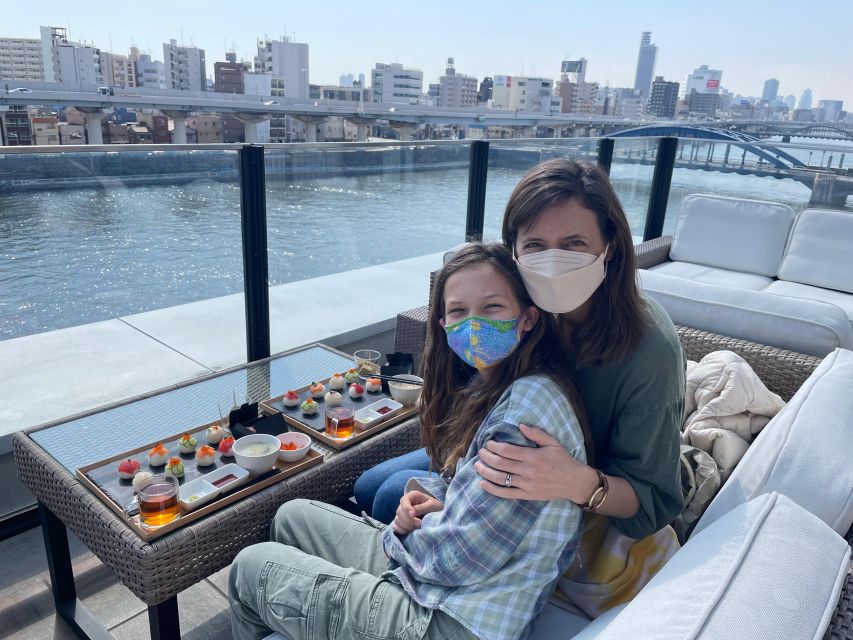
If you want a relaxed pace, know that some participants felt the session could use a little more time. Also, if you expect a huge buffet-style meal, remember this is still a structured class with a set amount of what you make.
On the upside, the communication is strong. People name specific staff for being funny, patient, and encouraging, including Hitomi, Tomona, Hide, Ken, Kaori, Jun, Ryouko, and Moe. That kind of consistency is what you want when you are paying to learn something technical with your hands.
Should You Book This Asakusa Sushi Making Class?
Book it if you want a hands-on food lesson that ends with a satisfying lunch, in an easy-to-reach spot near Asakusa Station. It is also a great pick if you want English guidance and an experience that feels friendly, not intimidating.
Skip it or consider a different option if you know you will be unhappy with a tight 100-minute schedule. If you want extensive practice beyond what fits in one class, you might prefer a longer workshop elsewhere.
If you are doing Asakusa anyway, this is one of those activities that turns your day into a story you can taste. You leave with sushi skills you can repeat, plus the memory of eating what you shaped, right where you are walking through classic Tokyo streets.
FAQ
How long is the sushi making class?
The duration is listed as 100 minutes.
What is the price per person?
The price is $58 per person.
Do I need any prior sushi making experience?
No experience is needed. The class includes guidance in English.
What kinds of sushi will I make?
You make two types of sushi: a roll and authentic Japanese sushi.
Where do I meet for the class?
The meeting point is about 3 minutes from Asakusa Station.
Is the class taught in English, and is it wheelchair accessible?
The instructor is listed as English-speaking, and the activity is listed as wheelchair accessible.
Are there dietary options like vegan or gluten-free?
The menu notes vegan, vegetarian, gluten-free, and halal options. The allergy note says meat, nuts, fruits, and dairy are not used, and the operator says they cannot respond on the day and do not accept ingredient specifications.
More Workshops & Classes in Tokyo


More Tour Reviews in Tokyo
Not for you? Here's more nearby things to do in Tokyo we have reviewed






Asakusa Tours, side by side.
 ★ 4.8Japanese Dance Cabaret Theater Asakusa-Kaguwa TicketFrom $492,270 reviews
 ★ 4.7Meiji Shrine, Asakusa, Skytree Bus Tour and CruiseFrom $1221,986 reviews
 ★ 4.8Asakusa Walking Tour with Sensoji Temple VisitFrom $221,583 reviews
 ★ 5.0Tokyo Asakusa Rickshaw TourFrom $421,375 reviews
 ★ 4.5Tokyo Panoramic 1 Day: Meiji Shrine, Asakusa, Odaiba and SKYTREE®From $851,222 reviews
 ★ 5.0Tokyo Go Kart: Asakusa, Skytree, and Akihabara **IDP MUST**From $99988 reviews
 ★ 4.7Asakusa, Skytree & Akhihabara Go-Kart City ExperienceFrom $96761 reviews
 ★ 4.9Matcha Making Experience with Mochi Sweets in AsakusaFrom $22388 reviews
This tour also belongs to