
Review · KAMAKURA DAY TRIPS
From Tokyo: Kamakura and Enoshima Full-Day Private Trip
Kamakura feels bigger than the day you have. This private Kamakura and Enoshima trip is interesting because it strings together the coast, the culture, and the scenery in one smooth, guided loop, with the Great Buddha as your big anchor and an English-speaking guide to connect the dots. I like that the timing gives you real time at each main sight, but one thing to plan for is that lunch and several temple admissions are not included in the price.
You start in Tokyo with hotel pickup in the 23 wards, typically around 8:30 AM, riding in an air-conditioned vehicle. Because traffic can happen, pickup can run about 30 minutes late, so build a little flexibility into your morning schedule.
By late morning you’re in temple-and-garden mode, and in the afternoon you get a coastal change of pace at Enoshima, with 2 hours for sightseeing and shopping. Lunch is on the plan, but you pay separately, so it helps to keep a little extra cash or a card ready.
Key things that make this Kamakura and Enoshima trip work
- Private, English-speaking guide who can explain what you’re seeing and help you move efficiently
- Comfort-focused pacing with timed visits that include more than just quick photo stops
- Kotoku-in, Hase-dera, and Hokokuji in one day, including the Great Buddha and the bamboo forest
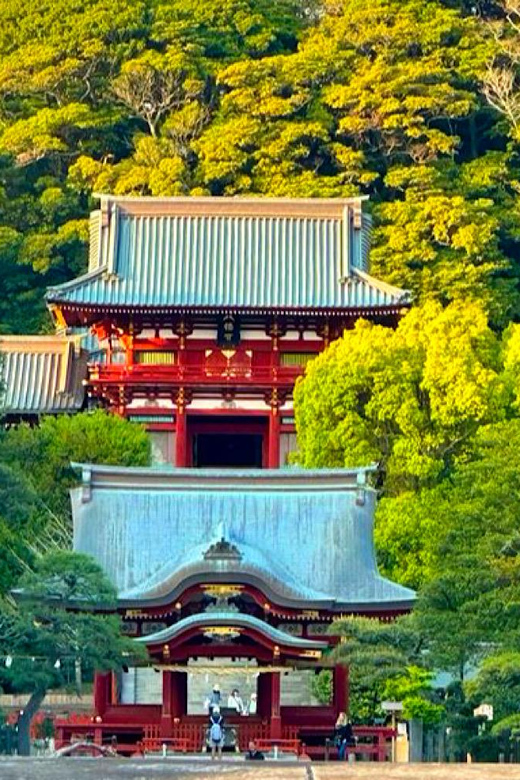
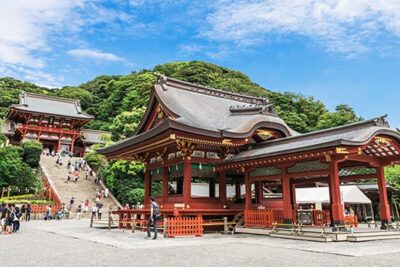
- Tsurugaoka Hachimangu with a shorter, shrine-first stop that fits the route
- Enoshima time for sea views and shopping, not just a drive-by
- Pickup from Tokyo with air-conditioned private transport (and a note that pickup can run late)
A smooth 10-hour day trip from Tokyo
This is set up as a true private outing, meaning you and your group ride together and your guide keeps the day on track. The whole experience runs about 10 hours, which is long enough to cover Kamakura’s top sights without the frantic feeling you sometimes get on group tours.
The pickup system matters. You’re picked up from Tokyo’s 23 wards, usually around 8:30 AM, and the vehicle is air-conditioned. If traffic delays the start by as much as 30 minutes, it’s not a sign something is wrong, it’s the city doing city things. What you want is a guide who can adjust the plan so you still get quality time at each stop, and several guides noted for this service, including Shoan and Ali, are praised for keeping the day manageable and low-stress.
You can also read our reviews of more private tours in Tokyo
Kotoku-in and the Great Buddha, the icon you should start with
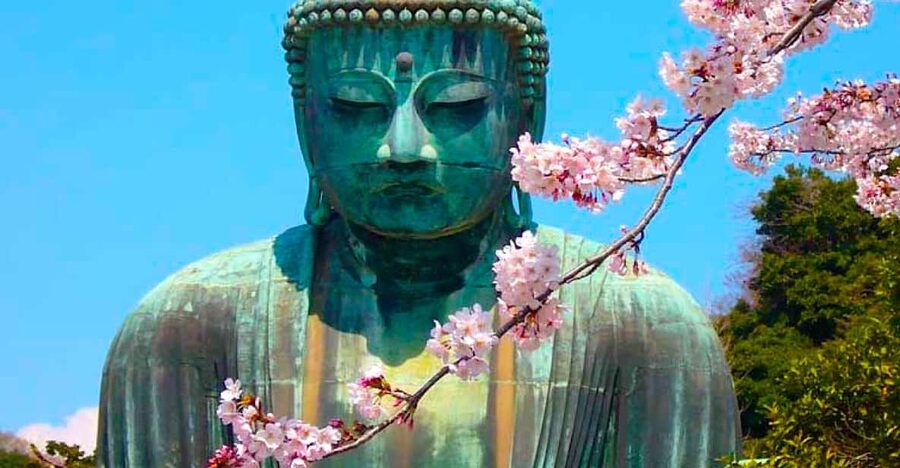
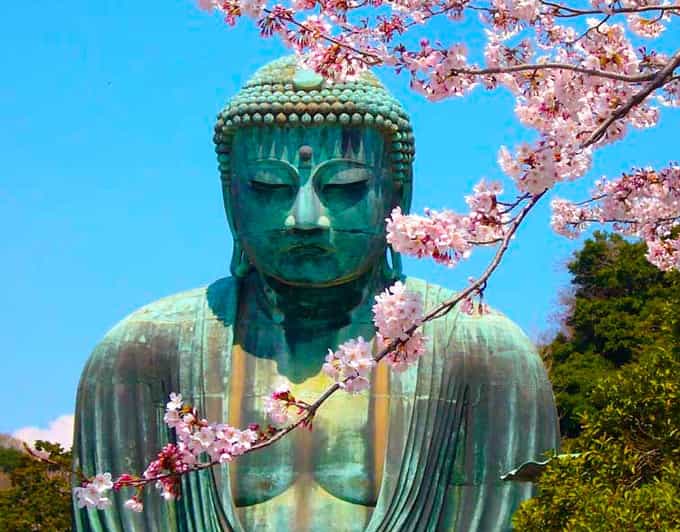
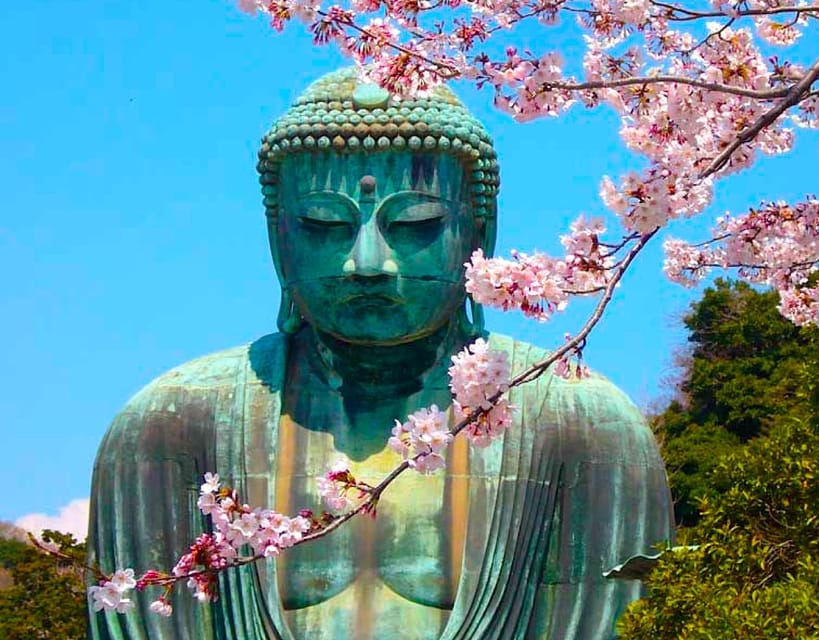
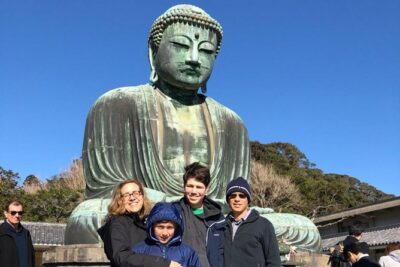
Kotoku-in is the first temple stop, and it’s the one everyone comes for. The center piece is the Great Buddha, a massive bronze statue that defines Kamakura’s skyline and identity. You get about 1 hour here, which is enough time to see the statue from different angles, slow down for photos, and get oriented before you start climbing into other temple areas.
Why this stop first is smart: if you start with the Great Buddha, your guide can give you the cultural context right at the start, so later temples and shrines make more sense as part of one story rather than a list of unrelated places. In the same vein, A’s highlight about using charts to explain complex history in an understandable way is exactly the kind of support that makes these stops click.
Practical tip: wear shoes you trust. Even with a guide and a schedule, you’ll be walking on temple grounds and moving between viewpoints.
Hase-dera Temple: gardens, steps, and coastline views
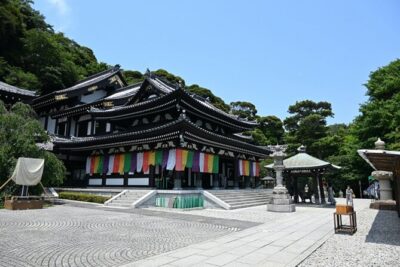
After Kotoku-in, you head to Hase-dera, with another 1 hour on the schedule. This is one of those places where the views are not an add-on, they are part of the main event. The temple is known for its impressive gardens, and it’s also prized for looking out toward the coastline.
What I like about Hase-dera in this itinerary is the time balance. One hour is long enough to enjoy the grounds without feeling like you’re sprinting between highlights. You can also pause when you find a quieter corner, rather than constantly chasing the next ticketed spot.
What to watch: Hase-dera includes stairs and sloped paths, so if your group has anyone who prefers fewer steps, tell the guide early. A recurring theme in the service style is flexibility, and guides like Ali are praised for helping reduce walking when it makes sense, including parking close to sites.
Hokokuji Bamboo Forest: a calm 60-minute reset
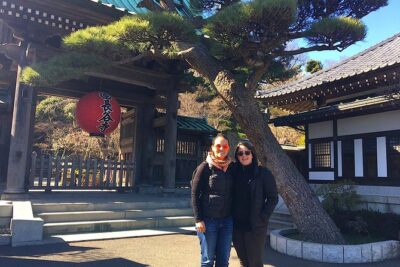
Then comes Hokokuji, the bamboo forest stop, again with about 1 hour. This is the kind of attraction that feels almost designed for slow walking. The tall bamboo stalks create that cool, shaded corridor effect, and even if you’ve seen bamboo forests before, it still has that peaceful, rhythmic feel that makes a break in the day feel worthwhile.
This is also where a private guide earns its keep. If your guide understands what you’re looking at, they can explain why the bamboo forest is meaningful in the setting of Kamakura, not just how to take a pretty photo. That makes a big difference because bamboo forests are easy to treat as Instagram stops, but with the right framing you get more out of it.
Bring water. You’ll have warm-weather hydration needs in Japan, and even if it’s not hot, you still tend to walk a lot more than you expect on a day like this.
Tsurugaoka Hachimangu Shrine: short stop, big meaning
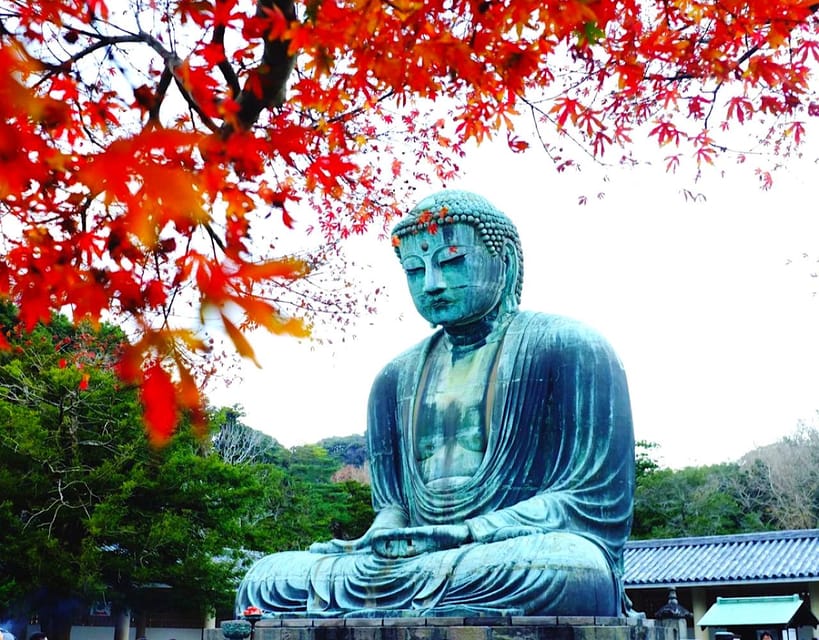
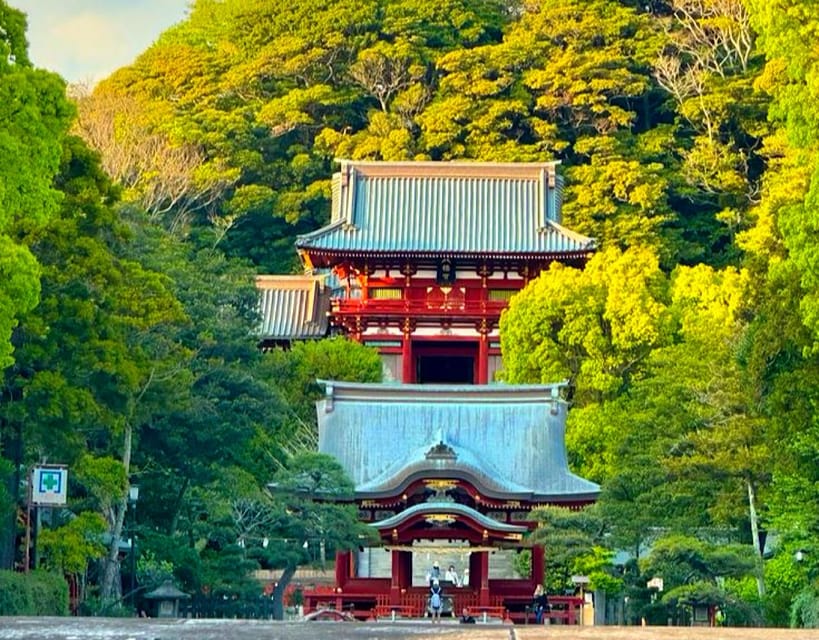
Next is Tsurugaoka Hachimangu Shrine, with about 30 minutes. That’s shorter than some other stops, but it’s a realistic fit for the day because you’re also heading to Enoshima after.
This shrine is famous and easy to recognize, and the important part here is how your guide connects it to Kamakura’s cultural identity. Even in 30 minutes, you can see enough to understand why people treat the shrine as a key point in town, especially when it’s surrounded by nature and you get a sense of how the environment shapes the atmosphere.
If you’re someone who likes to linger, treat the 30 minutes as the minimum. If the schedule allows, your guide can often give you more time for one extra look around the grounds, but you should expect the day’s rhythm to keep moving toward the coast.
More Tokyo tours and experiences for the shortlist
Enoshima Island: seaside views, shopping time, and a change of pace
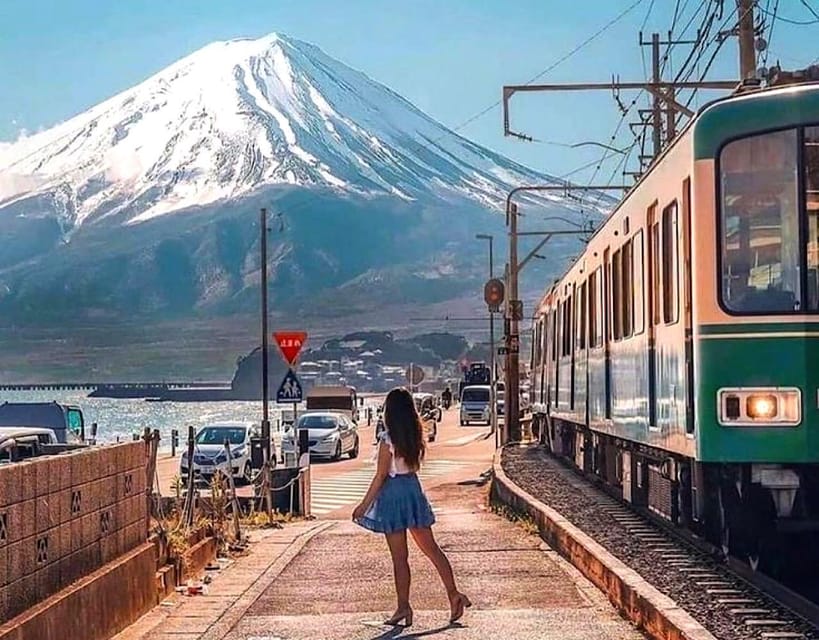
Enoshima is where the day turns from temple grounds to ocean energy. You get 2 hours for Enoshima, including sightseeing and shopping. This portion is valuable because it gives your brain a different kind of stimulus after a full morning of architecture, gardens, and paths.
The tone here is different. Instead of the quiet, ceremonial mood of temples, Enoshima tends to feel like a fun seaside stroll, with plenty of chances to pick up small souvenirs and snack while you walk. If you like to browse rather than just check boxes, the shopping time matters.
One more reason Enoshima is a good fit for a private tour: your guide can steer you toward the best views and route options within your allotted time. In the service style highlighted by guides like Shoan, the day is described as patient and not rushed, and that’s exactly what you want when the weather is good and you’ll want to stop for ocean photos.
Optional quieter adds, if the schedule allows
The plan also hints at flexibility for extra Kamakura time, such as a possible visit to Engaku-ji Temple or scenic hiking trails with viewpoints. The key word here is may. This is the kind of add-on that can make the day feel more tailored to your interests, especially if your group loves walking or wants a calmer contrast to the main tourist anchors.
If you’re debating whether to request something extra, pick based on your group’s energy. If your crew is staying comfortable and enjoying the core stops, it’s usually best to let the guide keep the day balanced. If everyone still has stamina, adding one quieter temple option can make Kamakura feel less like a hit list.
What the guide really does for you (not just transportation)
This is a private tour, but the guide is the product. You’re not just paying for a car and a schedule. You’re paying for someone to make the time make sense.
From the guide style praised in the experience, you can expect:
- explanations that turn statues and shrine gates into context you can actually remember
- a patient pace, with time to answer questions without acting like you’re delaying the whole day
- practical tips that help your group navigate the day more smoothly, including restroom and restaurant advice
The name mentions in the guides here are a useful clue that the service emphasizes communication. Shoan is praised for friendliness, professionalism, and guiding Enoshima with scenic spots and hidden paths. Ali is praised for planning so groups walk less than expected and parking close to sites. Timur is praised for taking care of the group. Even when your guide is different, this is the kind of service approach the company aims for: clear communication, workable pacing, and guidance that feels personal.
Price and what you still need to pay for
The headline price is $451 per group (up to 5 people) for a 10-hour day. That can sound steep until you compare what you’re getting: private transport, hotel pickup and drop-off in Tokyo, and an English-speaking guide for the entire trip.
The catch is budgeting for what’s not included:
- Lunch is not included, even though a meal stop is part of the flow
- Kotoku-in admission is listed at 300
- Hokokuji admission is listed at 300
- Hase-dera admission is listed at 400 yen
(Admission fees are listed, so it helps to double-check amounts close to your travel date.)
How I think about value: if you’re traveling with 3 to 5 people, this format can be a good deal compared to individual tickets plus separate transport plus the time you spend figuring out train transfers and schedules. If you’re traveling solo or as a couple, it can still be worthwhile if you strongly prefer a guided, no-stress plan, and if you want the flexibility to adjust without negotiating public transit.
Who this tour suits best
This trip works especially well if you:
- want a day-trip strategy from Tokyo without dealing with transit logistics
- like the combination of big landmarks and calmer nature stops
- prefer having someone explain what you’re seeing rather than reading signs for everything
- are traveling with kids who need a pace that doesn’t feel like constant rushing
One of the more useful notes is that a 9-year-old stayed engaged, and Enoshima was a highlight. That tells me the day can work for families, as long as you come prepared for walking.
It may be less ideal if your group hates stairs or prefers a slower, longer stay in just one area. This is scheduled, and you’ll move through multiple sites in one day.
Practical tips to make the day smoother
Do these and you’ll enjoy it more:
- Wear comfortable shoes. Temple walking is not the same as city walking.
- Bring sunscreen and water, especially in warmer months.
- Use a camera, because the Great Buddha and coastal Enoshima views give you photo chances that you’ll want to remember.
- Check the weather forecast. If rain hits, plan for slick paths and slower footing at garden and temple steps.
- Avoid smoking. Smoking is not allowed.
Also, set expectations for the day’s rhythm. You’re not spending all day in one place. You’re sampling the best parts of Kamakura, then shifting gears to Enoshima. That’s the trade.
Should you book this private Kamakura and Enoshima day?
Book it if you want a structured, low-stress day with a guide who can explain the sights in English, keep the timing workable, and give you Enoshima time for ocean views and shopping. The biggest plus is the private format: you’re not stuck waiting for a slow group, and you can get more from each stop because your guide is there to answer questions and adjust when needed.
Think twice if you’re trying to minimize costs at all costs, since lunch and admissions are extra. Also consider your group’s walking comfort. This day includes several temple and viewpoint areas where shoes matter.
If you’re coming from Tokyo and want the most classic Kamakura highlights plus Enoshima, this private day trip is a strong fit. It’s the kind of tour that makes you feel like you covered a lot, without feeling like you spent the day rushing through it.
FAQ
Where do you get picked up?
Pickup is offered from Tokyo, specifically the 23 wards area. Hotel pickup is available, and you can check whether your hotel is included on the checkout page.
What time does pickup happen?
Pickup is scheduled for 8:30 AM. Due to traffic, pickup may be about 30 minutes late.
How long is the trip?
The total duration is 10 hours.
Is lunch included?
Lunch is not included, even though the plan includes time for a lunch stop at a local restaurant.
Are temple and attraction admission fees included?
No. Admission fees are not included. Kotoku-in (Great Buddha) is listed at 300, Hokokuji is listed at 300, and Hase-dera is listed at 400 yen.
Which places are included in the itinerary?
The itinerary includes Kotoku-in (Great Buddha of Kamakura), Hase-dera, Hokokuji Bamboo Forest, Tsurugaoka Hachimangu Shrine, and Enoshima for sightseeing and shopping.
Is the tour guided in English?
Yes. The guide is English speaking.
Is the tour wheelchair accessible?
Yes, the tour is listed as wheelchair accessible.
Can I cancel for a full refund?
Yes. Free cancellation is offered up to 24 hours in advance for a full refund.
More Full-Day in Tokyo
More Private Tours in Tokyo
More Tour Reviews in Tokyo
Not for you? Here's more nearby things to do in Tokyo we have reviewed
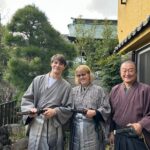

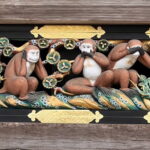

Kamakura Day Trips, side by side.
 ★ 4.5Kamakura & Enoshima Day Trip including Temple TicketsFrom $581,375 reviews
 ★ 4.5Mt. Fuji, Kamakura, Big Buddha, & Lake Ashi Day TripFrom $49867 reviews
 ★ 4.5From Tokyo: Kamakura & Enoshima 1-Day Bus TourFrom $66189 reviews
 ★ 5.0Kamakura Historical Walking Tour with the Great BuddhaFrom $98129 reviews
 ★ 5.0Kamakura Private Tour: Temples, Nature, and the Great BuddhaFrom $98121 reviews
 ★ 5.0Kamakura Walking Tour – The City of ShogunFrom $35100 reviews
 ★ 5.0Kamakura 8 hr Private Walking Tour with Licensed Guide from TokyoFrom $20180 reviews
 ★ 4.1Kamakura & Enoshima Day Tour with Pickup & Train RideFrom $1361 reviews
This tour also belongs to