
Japan’s vending obsession starts here. This tour turns Shibuya into a fast, fun way to understand why machines are everywhere, from hot soup cans to weird mystery buttons. You get more than sightseeing, you learn how to read what you’re about to buy and how to act like you belong.
I especially like the hands-on vending practice. You get guided help, then you try a purchase yourself, so the experience sticks. I also love the Shibuya context, because the stops are timed around real landmarks like Hachiko and Shibuya Crossing, not just random corners.
One drawback to plan for: you will likely want to buy something, and the tour does not include drinks or snacks. Even if you choose a cheaper item, budget extra on top of the $41 ticket.
Key things you will notice on this Shibuya vending walk
- Hot vs cold labels like Attaka-i and Tsumeta-i, plus what to pick in summer versus winter
- Real purchase practice, with a guide helping you navigate buttons, money, and product names
- Off-main-street stops where you spot machines you would miss on your own
- Retro coin tech to next-gen screens, including the Shibuya Stream area
- Photo challenges and a vending stamp, using a flattened can label or capsule toy
Shibuya vending machines explained, one stop at a time
Japan has over 4 million vending machines, and in Tokyo they feel less like a novelty and more like street furniture. This tour gives you the shortcut. Instead of wandering randomly and guessing, I like how the guide turns the city into a classroom with quick stops that build your confidence.
You start around Hachiko, which matters because it is an easy reference point. From there, the walk keeps moving, so you are not stuck in one place staring at machines. You get a mix of landmark energy and side-street hunting, which is the sweet spot for a 90 minute experience.
The big idea is simple: vending machines in Japan are varied. You are not just looking for soda. You are learning how people use them for quick meals, comfort drinks, and seasonal treats. And yes, you’ll learn why those labels and layouts are so consistent.
You can also read our reviews of more walking tours in Tokyo
Before you go: WhatsApp updates, what to bring, and the vending stamp
This is a walking tour with real timing, so show up ready. Meeting details get sent the day before via WhatsApp, so install the app and keep it handy. If you like having your schedule organized, this is worth doing early.
Wear shoes you can walk in for an hour and a half. Shibuya is busy, and you will be doing photo stops plus short guided detours. Also, bring a small bag for whatever you buy.
One cute detail that helps you pay attention is the vending stamp. You will keep a flattened can label or a capsule toy as a souvenir. It sounds minor, but it nudges you to look closely at what you purchased and how it is packaged, which is the difference between browsing and learning.
Hachiko Square start: first machine rules and quick Shibuya bearings
You meet at the Hachiko statue near Shibuya Station. The first stop is Hachiko Square, with a photo moment and guided intro time. Think of it as your reset, so you understand what you are doing, where the group is heading, and how vending machines work in Japan.
What I like here is that the guide does not treat vending machines like a lecture. They use the first area to set expectations: how you spot machines, what to read first, and the basic etiquette of using them. This is useful because Japanese machine labels often look consistent once you know the structure, and the tour gives you that structure fast.
You also get a mini lesson focused on reading katakana product names. Even if you do not read much Japanese, katakana shows up everywhere on drinks and snacks. Knowing how to interpret a few common words can turn a guessing game into an informed choice.
Off-main-street hunting: weird drinks, hot soup cans, and the mystery button
This is the part that makes the tour feel like an adventure rather than a checklist. After the initial landmark time, you move into less obvious areas where machines hide in plain sight.
You will learn that many drinks have temperature labels. The guide teaches the difference between Attaka-i and Tsumeta-i. It might sound basic, but it is exactly what you need on a cold day or in summer when you want relief, not just caffeine.
You will also get pointed examples of what you might see:
- Hot soups in a can, including corn, miso, and onion
- Dessert drinks and vitamin jellies
- Standard cold drinks, but with flavors and formats that feel very Japanese
The tour also includes the fun, slightly brave moments. One machine is famous in its own way, a dashi machine that sells whole flying fish in a bottle of soup stock. Another challenge is the so-called mystery can, where you press the button without a label. That kind of stop is not just for laughs. It teaches you how to stay calm when the product name is unfamiliar and how to rely on the machine layout and your guide’s cues.
If you care about photos, these are strong stops. The guide builds in photo opportunities, and the group does photo challenges along the way. The result is that you capture the machines and, more importantly, the context around them.
Shibuya Crossing and Shibuya Stream: from button tech to next-gen signage
You will pause near Shibuya Crossing for a photo stop and short guided time. It helps to break up the shopping and side-street segments with a landmark moment. Even if you have already seen Shibuya Crossing from afar, this angle is different because the focus stays on the vending machines.
Then comes the comparison moment, which I appreciate. The tour contrasts older vending styles, often coin-based, with newer tech like digital signage. The Shibuya Stream area is part of that story, showing what newer machine branding and displays look like in an AI-adjacent retail world.
Why this matters: once you understand the technology shifts, you stop thinking of vending machines as fixed relics. In Japan, machines keep updating their look, but the core habits stay the same. So you learn how to adapt while still reading the key info quickly.






Miyashita Park shopping time: energy, snacks, and not getting lost
Mid-tour, you reach Miyashita Park. This stop includes guided time and shopping time. For many people, this is where the tour becomes a practical win, not only a learning win.
I like that the shopping moment is paired with the lesson flow. You are not suddenly dropped in a mall-like zone and told to fend for yourself. The guide keeps the group aligned, so you still remember what you just learned about reading product names and choosing temperature.
Also, Miyashita Park gives you a reset from the machine hunt. You get a bit of breathing room, which helps because the tour is 90 minutes total. That pacing is smart. You leave with stories and skills, not just a sugar rush and sore feet.
The second wave of side streets: etiquette, pocket phrases, and more surprises
After Miyashita Park, you head to two additional side-street machine stops. Each has guided time, and the goal is to keep the variety coming.
This is where the guide’s English and conversational style matter. In the reviews, people specifically praised guides like Kanta and Mitsuki for engaging explanations and good English. That matters because vending machines can be intimidating when you feel rushed or embarrassed. When your guide is clear and friendly, you actually take the time to read, ask, and try.
You’ll also pick up pocket phrases and etiquette cues. Even if you are not buying something dramatic, being able to communicate politely helps. It also makes you more confident when you need a quick assist from the guide while selecting a drink.
And yes, expect more machines that are different from the first ones you saw. The tour is designed to show you that Japan’s vending world is not one style. It is a system with countless variations.
Buying like a local: how you read, choose, and actually make the purchase
The core practical skill is learning how to operate the machine without panic. The tour teaches how to use vending machines like a local and helps you try a purchase.
Here is what you can take away for your future Tokyo vending adventures:
- Start by looking at temperature cues and product categories
- Use the machine layout to narrow choices quickly
- Treat the katakana names as clues, not as complete mysteries
- Ask for help early if something looks off, especially if labels are unclear
The guide also highlights why machines are so reliable and safe in Japan. That reduces the mental friction. Once you feel comfortable that the machine is trustworthy, you are more likely to experiment with seasonal items rather than defaulting to something familiar.
If you are someone who usually avoids unfamiliar foods, this tour still works. The guide gives structure, so your experiment feels controlled.
What to buy: hot lemon, corn soup, jellies, and smart seasonal picks
The tour suggests practical seasonal thinking, which I like. In summer, prioritize hydration. In winter, try something warm like hot lemon or corn soup.
You will see options like vitamin jellies, dessert drinks, and hot soups in cans. Those choices feel playful, but they are also functional. Canned hot soup can be a quick meal. A vitamin jelly can feel like a small health reset during a long day of walking.
One practical tip: do not overcommit. The tour is 90 minutes. You might want one drink and maybe a small snack later. If you try too much during the tour, you can get stuck carrying bags while you still want to enjoy the rest of Shibuya.
Price and value: how $41 turns into a real skill, not just a photo stop
At $41 per person for 90 minutes, you are paying for two things: time with an English guide and the ability to learn vending machine basics quickly. Drinks and snacks are not included, and that is normal for tours like this in Japan. Still, it impacts value because many drinks range from ¥120 to ¥200.
So what do you get for the ticket price?
- Guided machine reading and purchase practice, so you do not waste money guessing
- Photo challenges and a mini katakana lesson, which adds up to more than a walk
- Off-main-street access, meaning you find machines you would not naturally discover
Even if you end up buying just one item, the knowledge gained can save you time and confusion later. For people who love Tokyo details, that is the real value. You leave understanding the system, not only collecting photos.
Who this tour is perfect for, and who might skip it
This works best if you fit at least one of these:
- You enjoy food and small cultural quirks
- You want a gentle introduction to using vending machines in Japan
- You like walking tours that mix landmarks with local texture
- You want an English guide to make machine labels less intimidating
It might be less ideal if you do not want to buy anything at all. The tour is not only about watching. You are encouraged to try a purchase, and paid drinks are part of the experience even though they are optional.
Also, if you dislike walking in crowded areas, Shibuya Crossing is part of the route. The walk is short segments, but it is still a busy place.
Should you book this Shibuya vending machine adventure?
If you want Tokyo texture you can taste and do, I think this is a smart booking. The tour is short enough to fit easily, but it teaches real behavior: reading labels, choosing hot versus cold, and navigating the machines with help.
Book it if you want a fun way to understand Japan’s vending machine culture, and especially if you like guided conversations. Based on what guides like Kanta and Mitsuki do well, you will likely get clear explanations and a tour that feels energetic rather than scripted.
Skip or rethink it if you are only in Tokyo for a brief window and you hate the idea of paying for your own drink. In that case, you might prefer a self-guided vending crawl.
FAQ
FAQ
Where do we meet for the Tokyo Shibuya Vending Machine Adventure walking tour?
You meet at the Hachiko statue in Shibuya Station.
How long is the tour?
The tour lasts 90 minutes.
Is the tour private, and is there an English guide?
Yes. It is a live guided tour in English, and the group type is private.
What is included in the price?
The tour includes the 90-minute guided experience, photo challenges, and a mini-lesson on reading katakana product names.
Are drinks and snacks included?
No. Paid drinks and snacks are not included, but you can buy them during the tour if you choose.
How much do vending machine drinks usually cost?
Most drinks range from ¥120 to ¥200, and novelty or premium items can be higher.
What is the tour doing with katakana and vending labels?
You get a mini-lesson on reading katakana product names, plus help with etiquette and how to use vending machines.
What is the WhatsApp requirement for?
The full tour details are sent via WhatsApp the day before, and WhatsApp is required for updates. If you do not receive details by then, you should contact the organizer.
Is the tour wheelchair accessible?
Yes. Curb cuts and elevators are available at each stop, and machines marked with wheelchair icons have lower buttons.
More Walking Tours in Tokyo
More Tours in Tokyo

More Tour Reviews in Tokyo
Not for you? Here's more nearby things to do in Tokyo we have reviewed












Shibuya Tours, side by side.
 ★ 5.0Official Street Go-Kart in ShibuyaFrom $763,435 reviews
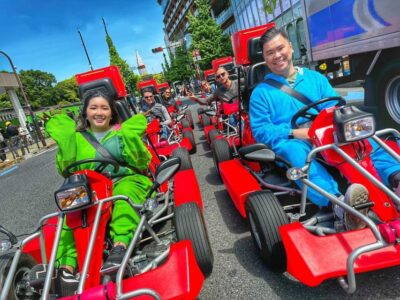 ★ 4.9Street Kart Experience in ShibuyaFrom $741,484 reviews
 ★ 5.0Shibuya Meltdown Nightlife Tour: All-You-Can-Drink Bar HoppingFrom $1061,058 reviews
 ★ 5.0Shibuya Official Street Go-Kart in Shibuya AnnexFrom $69972 reviews
 ★ 5.0Shibuya Food Tour (13 dishes and 4 Eateries)From $77770 reviews
 ★ 5.0Best of Shibuya Food TourFrom $217612 reviews
 ★ 4.8Shibuya Highlights Walking TourFrom $19601 reviews
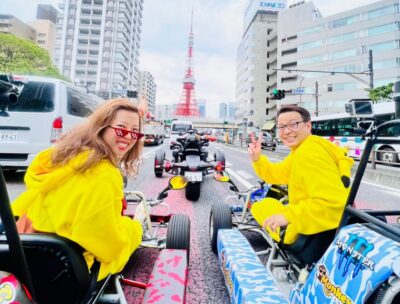 ★ 4.7Premium Go-Kart Tour with Tower & Shibuya CrossingFrom $116528 reviews
This tour also belongs to