
Review · TOKYO SUMO EXPERIENCES
Tokyo: Sumo Morning Practice Tour at Sumida City
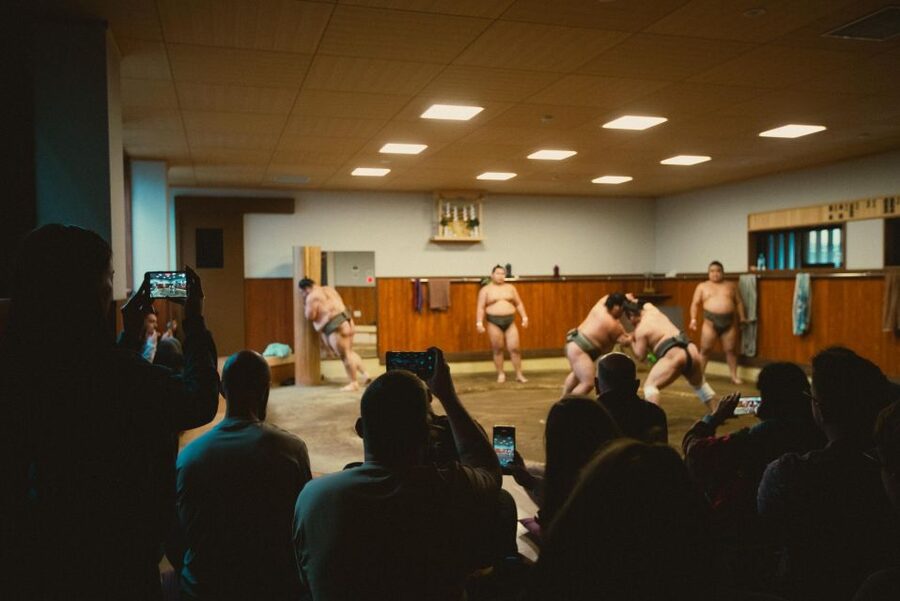
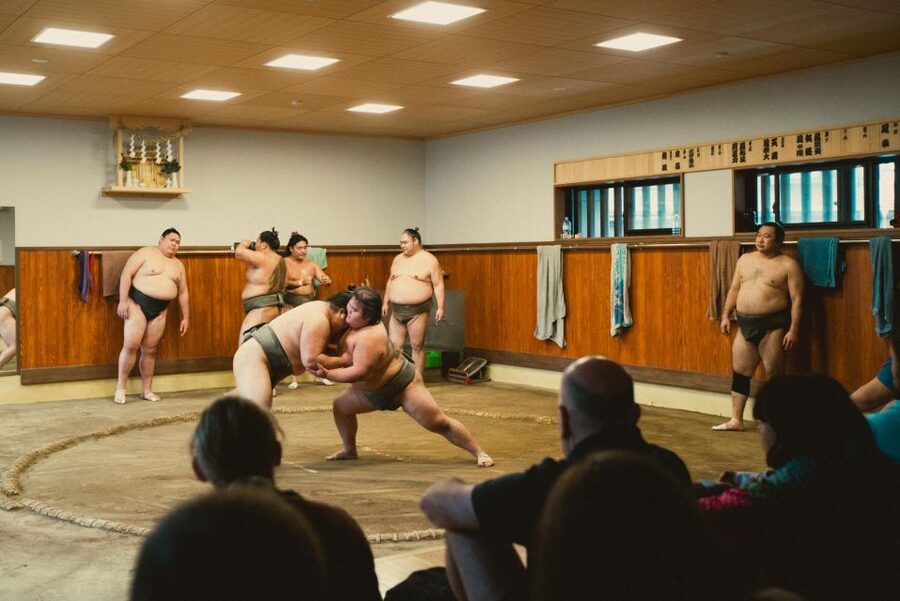
Sumo is loud, even at dawn. This Tokyo Sumo Morning Practice Tour in Sumida City puts you near the ring for real training, not staged fan time, with an English guide explaining what you are seeing and why it matters in sumo.
I love the close-up viewing, where you can feel the wrestlers’ size and discipline as they work. I also love the respectful Q&A time afterward, when a stable master answers questions and you can ask about daily life in the stable.
The main drawback is physical: there are no chairs, and you sit cross-legged on the ground for about 1.5 hours, with no toilet breaks during the practice.
Key highlights at a glance
- Up-close training right inside a sumo stable setting for an authentic feel
- English-speaking guidance that translates rules, rituals, and what to watch for
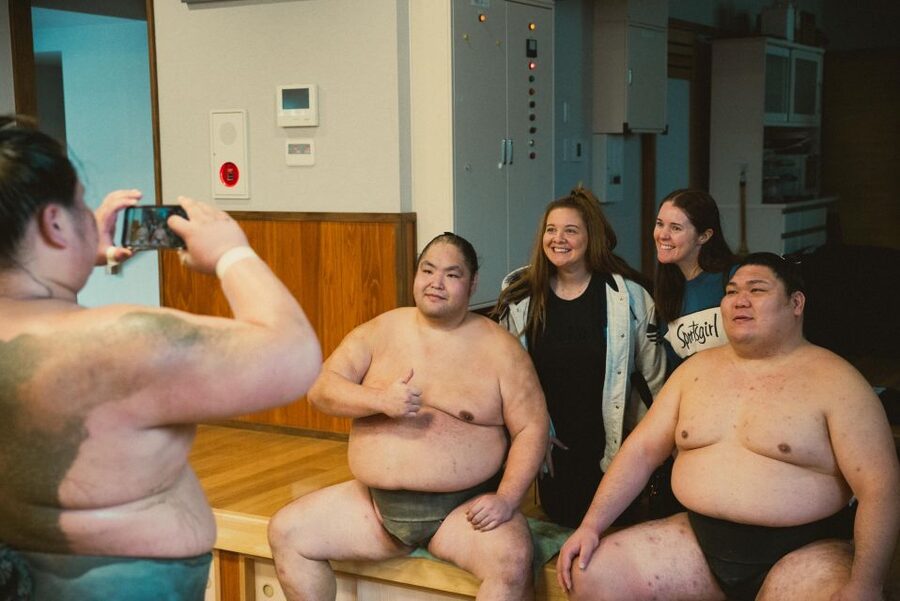
- Q&A with the stable master after practice, plus a chance for photos
- Early-morning access from the Oshiage (Skytree Mae) area, with a short walk to the stable
- Strict etiquette rules that keep the experience respectful and focused
Why a sumo morning practice hits harder than arena viewing
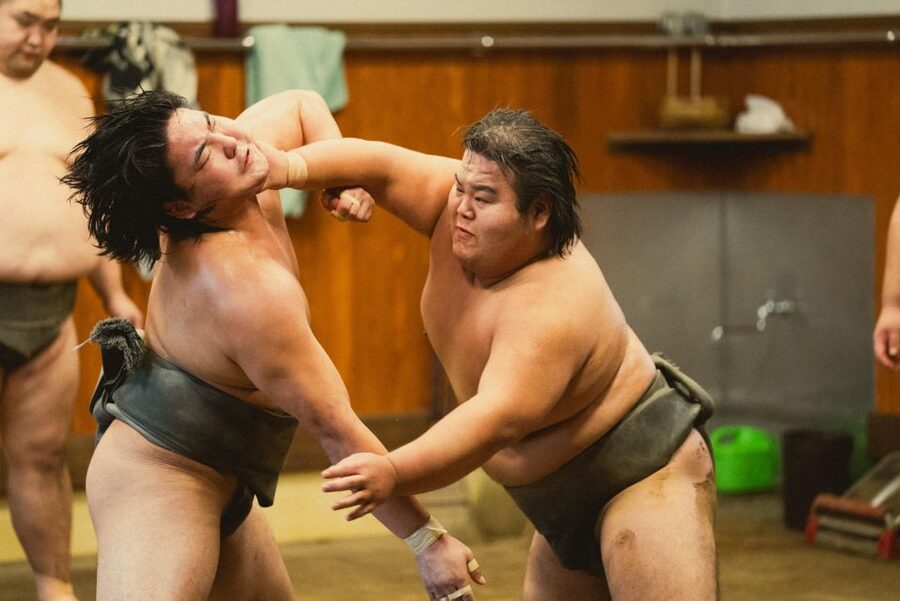
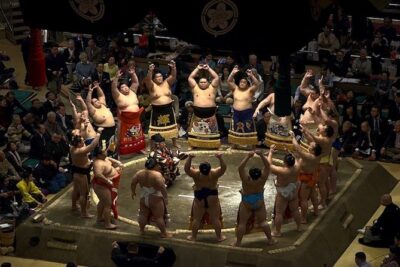
If you have only seen sumo on TV, this will recalibrate your expectations fast. Arena matches are polished and fast, but morning practice shows the groundwork: routines, repetition, and rituals that turn training into a daily system. Watching these athletes at the stable level helps you understand sumo as discipline, not spectacle.
What I like most is the scale of it. Sumo wrestlers are huge up close, but they are also controlled. You notice footwork, balance, and how carefully they move around each other, even when the practice gets intense.
And because it is early morning training, the vibe is quieter and more serious than a typical sightseeing moment. You are there to learn and observe, not to disrupt.
You can also read our reviews of more city tours in Tokyo


Before you go: etiquette rules that matter in the stable
This tour runs on respect. Once you reach the stable, you follow the rhythms of the place, and the experience works because everyone does the same.
Here are the big rules you should plan around:
- Silent observation during practice. You are asked to watch respectfully.
- No flash photography and no shutter-style sound. You can take photos and videos with restrictions, but keep it quiet.
- No food inside the experience area.
- No hats, no sunglasses, and no large bags or luggage.
- Shoes come off when you enter, and you walk to the stable ahead of time.
One rule that affects your comfort: the stable has no chairs. There is also guidance that if sitting cross-legged on the ground for about 1.5 hours is not doable for you, this tour probably is not the right fit.
Also note the timing of restroom access. You are expected to use the restroom before joining the tour, because you cannot go during the practice. If you are bringing kids, this matters even more.
Oshiage meeting point and the short walk that sets the tone
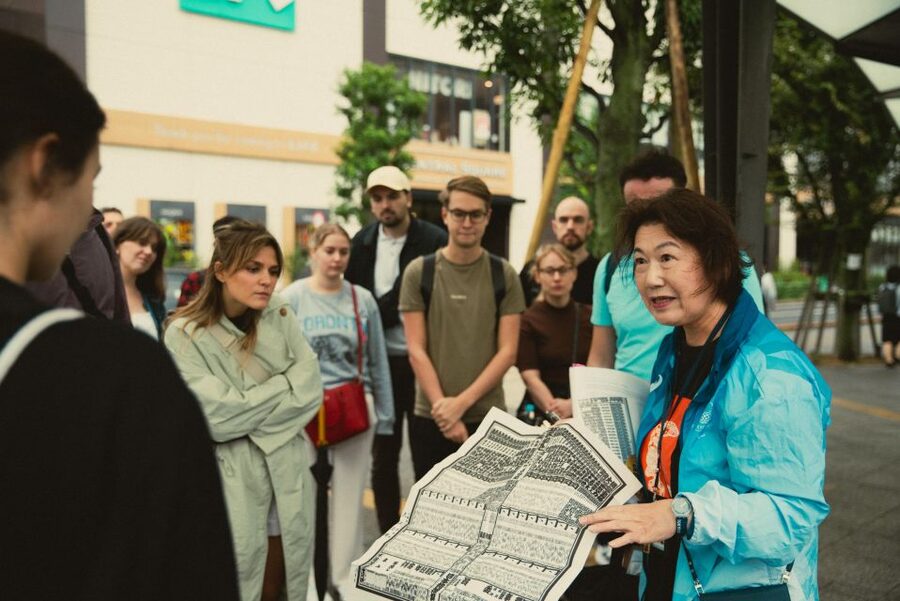
You start at 7:15AM at Tokyo Metro Oshiage (Skytree Mae) Station, Toei-Asakusa Line Oshiage Station A1 Exit (ground floor). The tour begins at 7:30AM, and the walk to the stable is about 15 to 20 minutes.
This early start is part of the value. You get there before the action fully ramps up, which helps you settle in and understand how the stable works before you are seated on the floor.
A practical tip for the walk: consider bringing a towel to wipe your feet, especially if rain or damp pavement is in the forecast. Once shoes come off, small comfort problems become big ones fast.
If you are late, you cannot just wander in. The instructions are clear: message the operator so they can share the stable address, then you go there on your own, but you still cannot enter without contacting them. Also, wait outside for your guide and do not ring the doorbell, so you do not interrupt wrestlers’ concentration.
Tokyo Skytree Town and the guided build-up to the practice
After meeting near Skytree-area transit, you walk a short distance and then move into a guided segment that prepares you for what you are about to see. The schedule includes a “secret stop” portion that is guided for about 1.5 hours, so you are not left staring at a blank hallway waiting for training to begin.
This is where the guide’s job becomes more than translation. You learn the history, rules, and rituals of sumo, and that context changes your viewing instantly. Moves that look like simple pushing start to make sense when you understand stance, timing, and the ritual elements around training.
English guides for this tour can vary. Names you may see in past groups include Tadashi, Kiyomi, Oku, Yoko, Yuriko, Yukiko, Juki, or Julie. Whoever you get, the goal is the same: help you watch the practice with clarity and respect.
One small reality check: if your group is large, it can be hard to hear the guide at times, especially if you are standing in a station area before you settle in. Arrive early, listen closely at the beginning, and don’t worry if you miss a detail. The guide also explains what is happening during the flow of training.
The practice up close: what you will actually observe
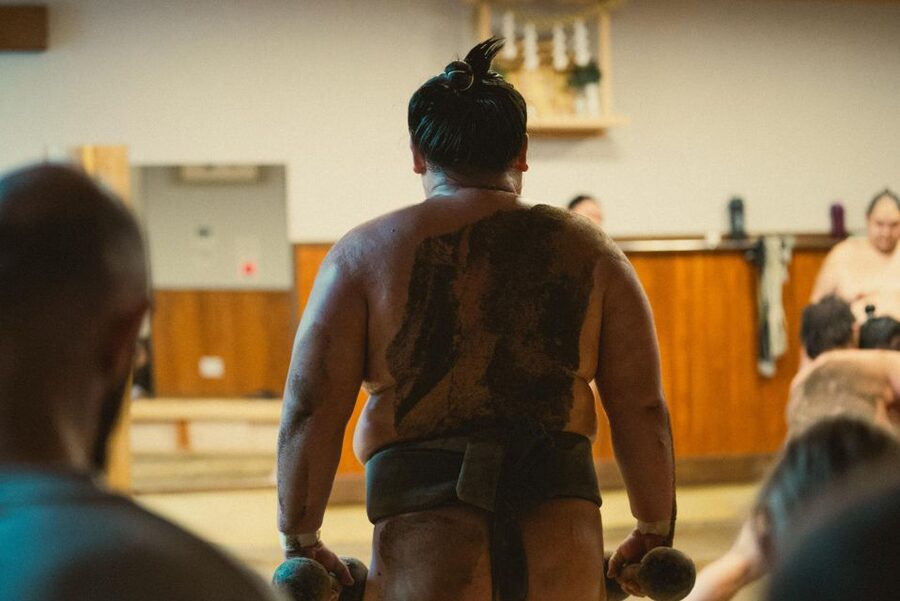
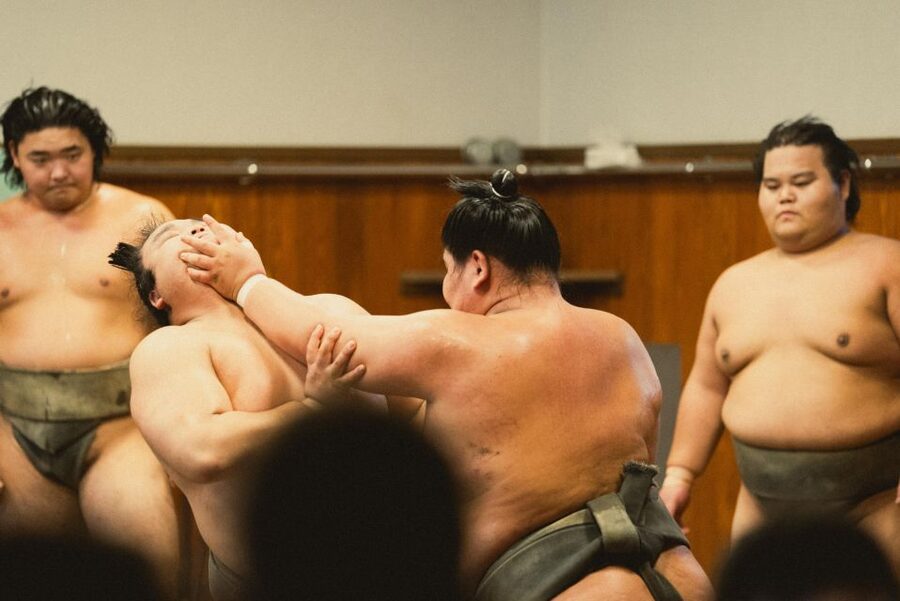
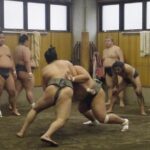
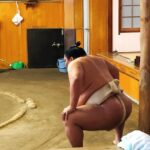
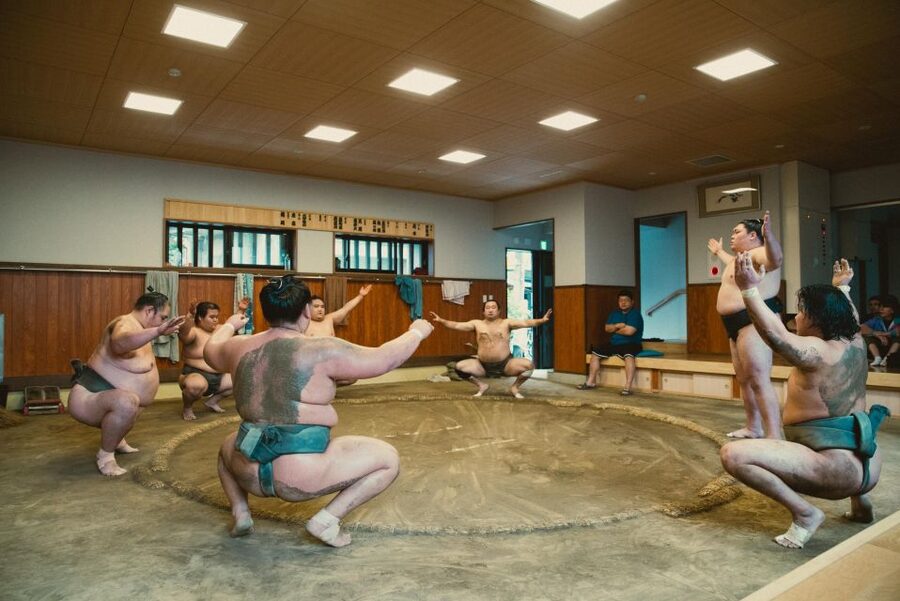
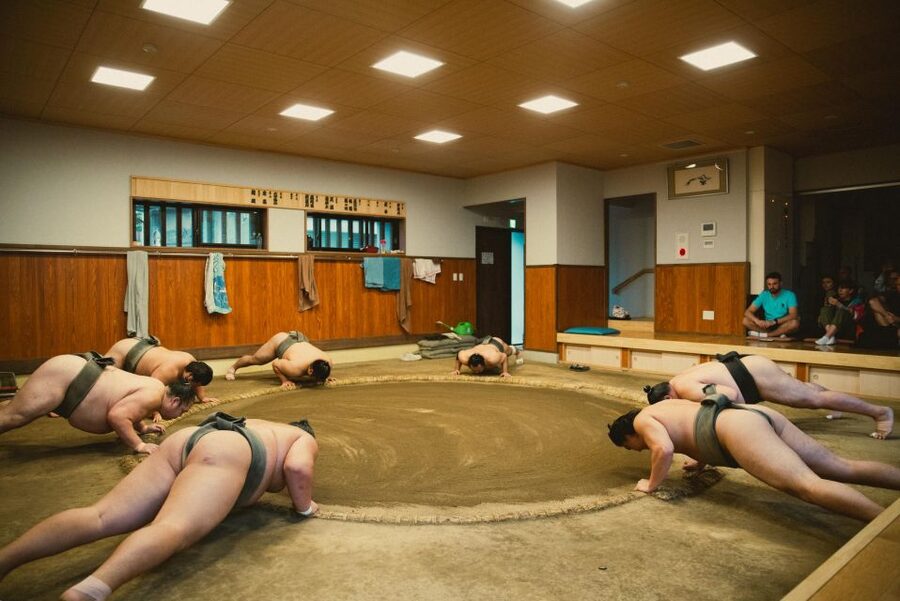
This is the core of the tour, and it is intense in a good way. You are seated close enough to see technique details, not just generic motion. Even if the practice is training rather than a tournament spectacle, you can still see strength and coordination in action.
During practice, you will likely observe a mix of:
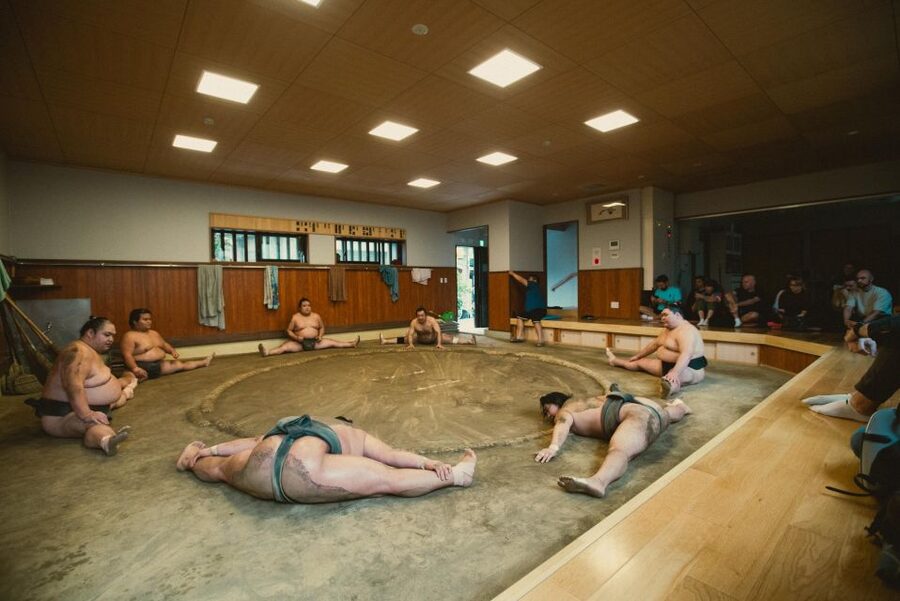
- Warm-ups and drills
- Controlled bouts or demonstrations within the stable setting
- Repetition that shows how sumo fundamentals get built
Because the practice is not a TV production, you notice how serious it is. There is a rhythm to the way wrestlers move, pause, and reset. The guide typically helps you track what each stage means, so you are not guessing.
Seating is part of the experience, and it can also change what you see. In some groups, seating rotation is used so people do not all end up in the same spot. That said, seating quality may vary depending on the day’s schedule. There is at least one documented example where another visiting group had priority, which left part of the tour group with less optimal views.
You should also know what to do with your body. You cannot use chairs, so get ready to sit on the ground for about 1.5 hours. If your legs cramp early, you will lose the ability to enjoy the finer details.
More Tokyo tours and experiences for the shortlist
After practice: Q&A with the stable master and the photo chance
Once training ends, the tour shifts from watching to understanding. This is when the stable master often joins for questions, and that is one of the most praised parts of the experience.
I like this structure because it is not a random lecture. You get to ask the things you were wondering while watching. Questions can include how life in the stable works and how wrestlers train and progress. The best guides help translate your questions quickly so the Q&A feels natural instead of stiff.
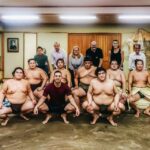
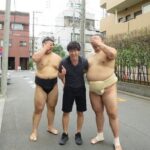
Photo time can happen after practice as well. Many participants mention the chance to take a memorable photograph with wrestlers, and the final moments can include friendly farewells from the stable side. The exact photo window can vary, but the opportunity tends to be built into the morning flow.
One reminder for photos: follow the rules on flash and sound. Even if you can record, you keep things quiet so the stable remains calm.
Price and logistics: is $116 good value in Tokyo?
At $116 per person for about 2 hours, this is not a cheap morning in Tokyo. But it is also not paying for a generic show. You are paying for access to a stable setting, an English-speaking guide, and an entrance fee that lets you sit where training happens.
What is not included matters for planning:
- No hotel pickup or drop-off
- No food or drinks
Because you are walking to the stable from Oshiage and starting early, I recommend planning a simple breakfast either before you go or after you return. If you show up hungry, you can run into decision stress fast.
Is it worth it? For the right traveler, yes. This tour sells a specific type of value: authentic morning access to Japan’s living sumo world plus real interpretation of rituals and rules. If you care about culture and sports as lived practice, not just entertainment, this price tends to make sense.
Best months and schedule limits you should actually plan around
Sumo training schedules can shift, and this tour has real constraints based on tournament timing. Morning practice and tours are not held in March, July, and November because Grand Sumo tournaments outside Tokyo can affect stable schedules.
If you want to make this a must-do, treat it like a timed museum visit, not a flexible activity. Check availability and plan your Tokyo dates early so you do not end up chasing a closed window.
Who this tour fits best, and who should skip it
This tour fits best if you:
- Want an authentic cultural look at how sumo training works day-to-day
- Enjoy being guided through rules and rituals so you can watch with understanding
- Are comfortable with quiet observation and clear instructions
It might not be a good fit if you:
- Need chairs or cannot sit cross-legged for roughly 1.5 hours
- Cannot manage the silent, respectful atmosphere
- Have very young kids who cannot stay quiet. There is a minimum age of 6 years old, and noisy children may be asked to leave during the tour.
People with mobility impairments are noted as not suitable, mainly because of the stable setup and the no-chair seating expectation.
If you are the type who wants constant movement and lots of walking breaks, this will feel different. The reward is in close observation, not sightseeing pacing.
Should you book this Tokyo sumo morning practice tour?
Book it if you want the real thing: close-up training, strong interpretation of rules and ritual, and a Q&A moment that turns your curiosity into answers. The structure is efficient, and the stable setting gives you a perspective you will not get from most sumo experiences.
Skip it if you know you cannot sit on the floor for about 1.5 hours, if you really need frequent restroom access during the practice, or if the strict etiquette rules would stress you out. Morning practice is serious by design.
If you land on the yes side, prepare for the basics: arrive on time for the 7:15AM meeting, bring a towel if rain is possible, dress for a shoe-off environment, and be ready for a quiet, focused morning that rewards attention.
FAQ
What time does the tour start?
The meeting time is 7:15AM at Oshiage Station, and the tour starts at 7:30AM.
Where do I meet the guide?
Meet at Tokyo Metro Oshiage (Skytree Mae) Station, Toei-Asakusa Line Oshiage Station A1 Exit (ground floor).
How far is it from the meeting point to the sumo stable?
Expect a 15 to 20 minute walk from the meeting point to the stable.
How long is the tour?
The total tour duration is about 2 hours.
Is the practice held in March, July, and November?
No. Practice and tours are not held in March, July, and November because Grand Sumo tournaments outside Tokyo affect schedules.
Can I bring food, drinks, or a stroller?
No. Food is not allowed, and baby strollers are not allowed.
Is flash photography allowed?
No. Flash photography is not allowed.
Can I use the restroom during the practice?
You should use the restroom before joining the tour, because you cannot go during the practice.
What should I wear or bring for the walk and stable?
Wear shoes that are easy to remove, and consider bringing a towel to wipe your feet if the weather is wet.
Who can attend and who should not book?
The minimum age is 6 years old. It is also not suitable for people with mobility impairments, and children who are noisy or cannot watch quietly may be asked to leave during the tour.
More City Tours in Tokyo


More Tours in Tokyo






More Tour Reviews in Tokyo


Not for you? Here's more nearby things to do in Tokyo we have reviewed












Tokyo Sumo Experiences, side by side.
 ★ 4.8Sumo Show and Dining ExperienceFrom $792,742 reviews
 ★ 5.0the SUMO showFrom $891,960 reviews
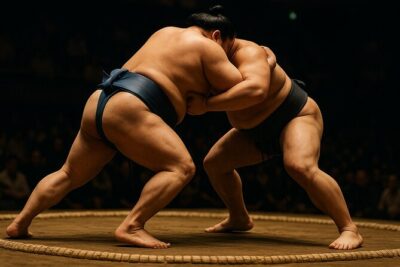 ★ 5.0Tokyo Shinjuku Sumo Show & Experience with PhotoFrom $791,750 reviews
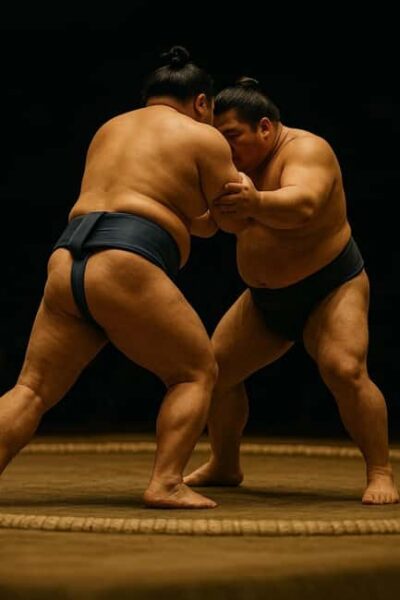 ★ 4.8Sumo Show and Experience in ShinjukuFrom $691,001 reviews
 ★ 4.7Luxury Sumo Show Experience & Japanese cuisine & DrinkFrom $103577 reviews
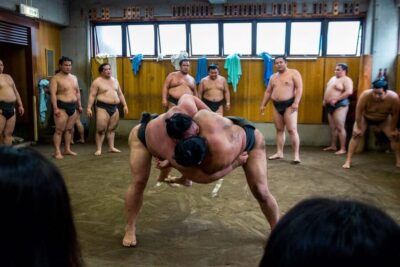 ★ 4.8Sumo Morning Practice Viewing TourFrom $81570 reviews
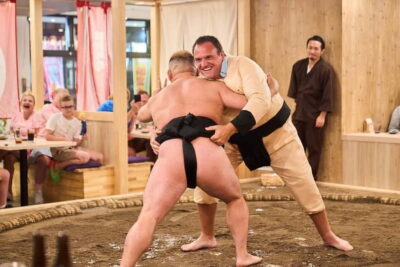 ★ 4.8Tokyo Sumo Experience: Chanko & Mochi with a Former ProFrom $103567 reviews
 ★ 5.0Ultimate Sumo Tournament: Tokyo, Osaka, Nagoya, FukuokaFrom $184468 reviews
This tour also belongs to