

Review · TOKYO SAMURAI EXPERIENCES
Tokyo: Samurai Sword & Archery Class from Samurai Descendant
Sword and arrows, taught like training. In Machida, you practice iai swordsmanship and traditional horseback archery in a class built around real drills, not a staged show. What I like most is the challenge of cutting moving targets, with technique corrections that actually help you improve.
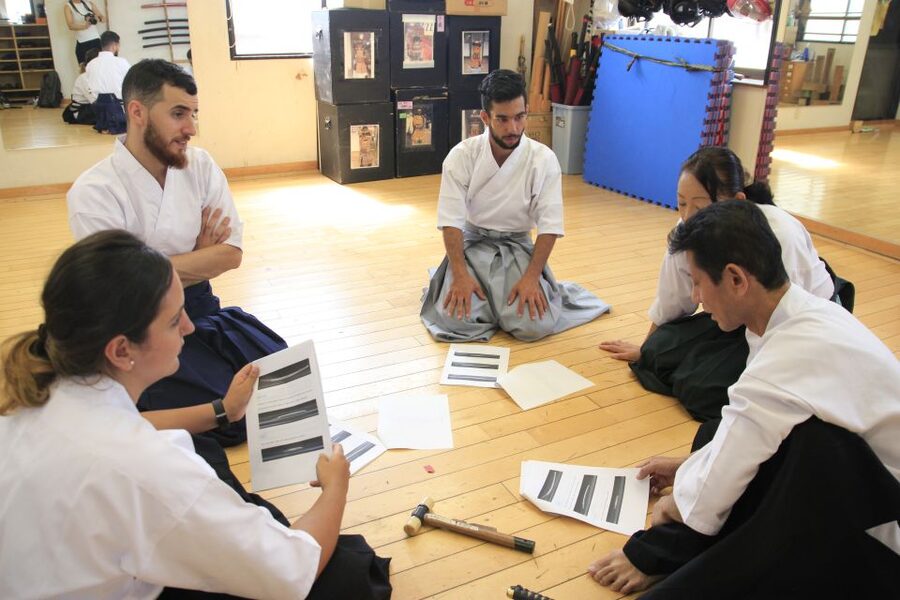
This class also wins because it is run as dojo training under instructor Yoshioki Sumida, with his assistant Harry in the room to keep things clear and safe. You’ll learn sword etiquette, then spar with practice swords, and later shoot arrows using a traditional horseback archery bow. The one drawback to consider: this is physical, rule-based training, so it is not a good fit if you have mobility limits, heart or back issues, or certain medical conditions.
Key things that make this class special
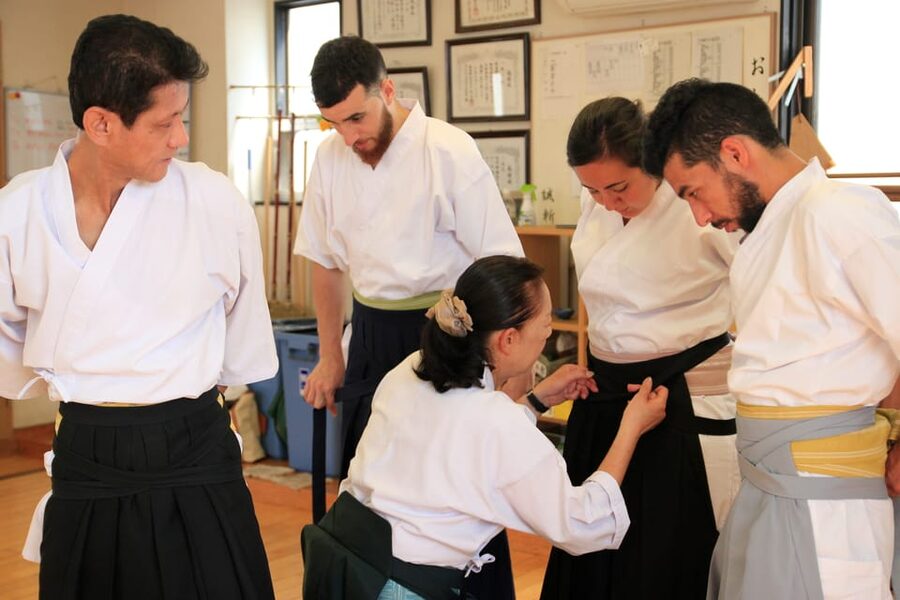
- Cut targets while moving: harder than it looks, and you get coaching for timing and body position
- Two disciplines in one 3-hour session: iai basics and gekken sparring, plus traditional Japanese archery
- Dojo-first teaching: a short lecture, then hands-on practice, with corrections throughout
- Uniform and proper practice tools: training wear and a practice sword are provided, so you can focus on form
- Live tradition touchpoints: you can watch a demonstration of Toyama-ryu 7th grade
Where you train in Tokyo: Toyama-ryu Bizen-kai in Machida
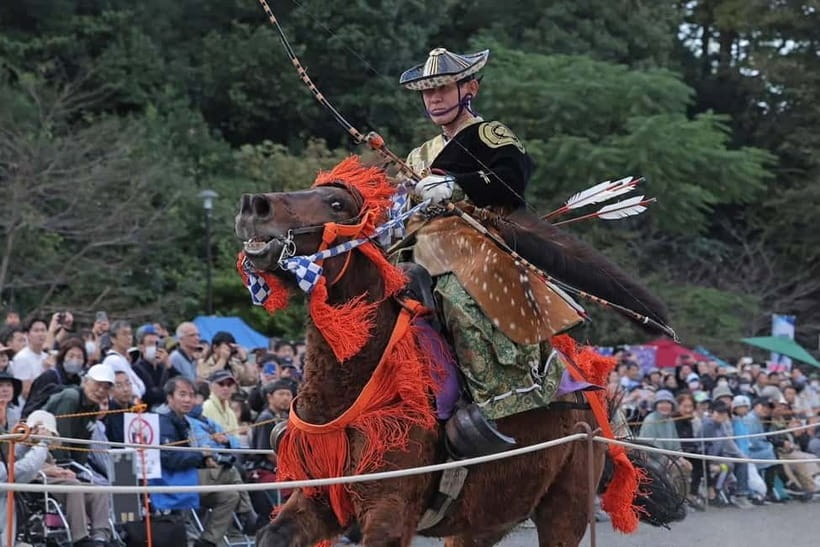
This experience takes place in Honshu, Japan, but the vibe is very local. Your meeting point is Toyama-ryu Bizen-kai (戸山流備前会 BIZENKAI), a 10-minute walk from JR Machida Station. The dojo is on the third floor, and you’ll use stairs at the back between the sword shop and the vending machines on the first floor.
Why this matters for you: you are not being shepherded through a museum-style demo. You are entering an actual practice space, with real dojo etiquette and a steady training rhythm.
Also, keep in mind the class is shared, with a maximum group size of 15 people. That’s big enough to meet other students, but small enough that the instructors can still spot mistakes.
More Tokyo tours and experiences for the shortlist



Arrival, training wear, and the first rules of dojo life
When you arrive, you get a short lecture and then change into provided training wear. You will need to tell the organizer your height and weight so they can size the uniform. That small step makes a difference because it reduces distractions, and it helps you move safely through sword drills.
You should bring camera and drinks, and you cannot bring alcohol or drugs. Sounds basic, but it supports the serious tone of the class. In this kind of training, being “zen and careful” is not optional.
A small practical tip: the dojo is on the third floor and the route is a bit specific, so I’d rather you give yourself extra time than rush. One review also suggests arriving early to catch additional practice viewing, so if your schedule allows it, build in buffer time.
Iai lesson: the sword technique that starts with control
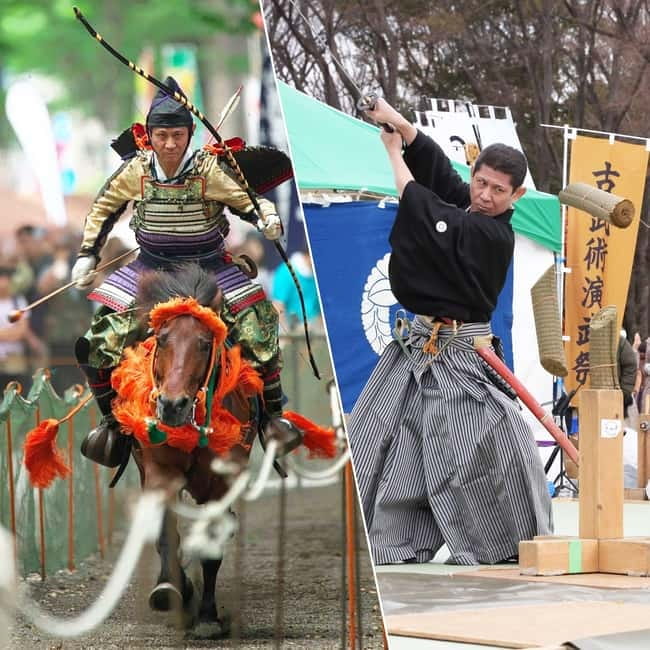
The iai portion is where you learn how to handle and swing the mock sword correctly. Iai is about disciplined movement, especially the start position, timing, and what your body does before the cut. If you grew up on movie swordplay, this is where you’ll likely notice the gap between choreography and technique.
In this class, you work through KATA (slashing forms). That means you’re practicing a set of movements designed to teach mechanics and timing, not random swings. The instructors correct form as you go, and you’ll also learn sword etiquette. Expect a mix of explanation and physical repetition.
What makes this section valuable is the difficulty of practical cutting. One of the strongest highlights is that you slash multiple targets while moving. That single detail changes the whole feel of the lesson. Instead of “stand still and swing,” you learn body movement, angle control, and how to keep technique consistent under pressure.
Gekken sparring: timing, defense, and learning the difference between brave and safe
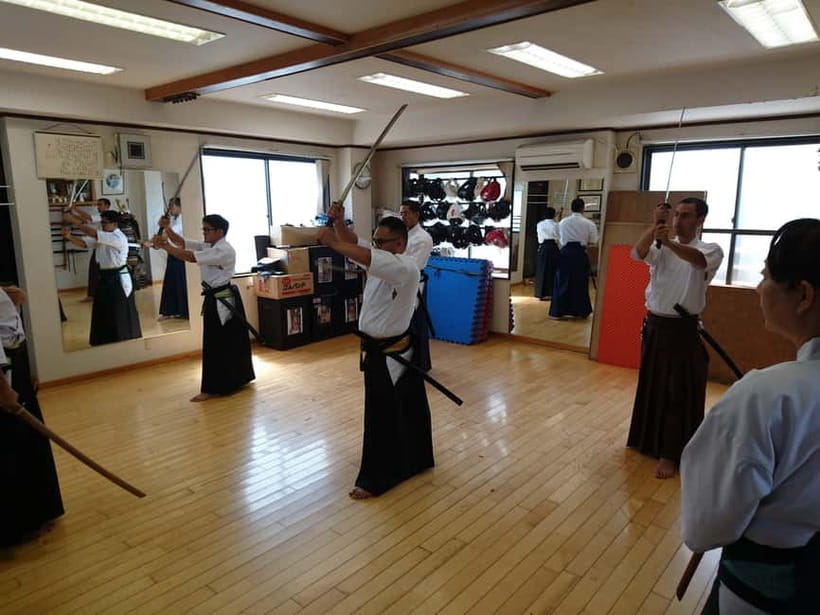
After iai basics, you shift into gekken. In simple terms, this is where the training turns from forms into interaction. You’ll learn timing of attack and defense, and you’ll spar with a practice sword.
This is also where the dojo seriousness shows. Sparring still follows rules, and the instructors focus on safety and proper form. Reviews repeatedly point out that Sumida Sensei corrects students kindly but clearly, with an emphasis on getting it right and not just “doing it.”
You also get an activity where you check the blade line. That sounds technical, but it helps you understand what the cut is really doing. If you care about doing more than just waving a sword around, this is one of the most useful steps.
The sword lesson that goes beyond cutting
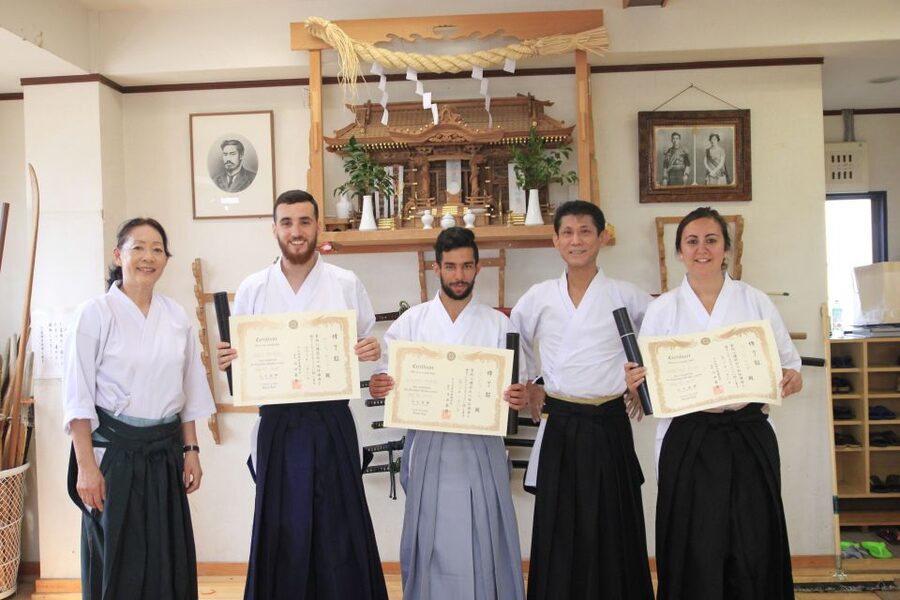
You do more than swing steel-shaped tools. The class includes a lecture on Japanese swords and samurai culture, including a timeline of weapon importance:
- about 1000 years ago, the main samurai weapon was the bow
- about 450 years ago, matchlock guns became more powerful
- about 400 years ago, when the civil war ended, the sword became more central
This kind of framing matters because it makes your training feel connected to a reason, not just a skill check. When you later practice archery and swordwork back-to-back, you’ll understand why that order and those tools matter.
There’s also mention of the chance to handle an antique matchlock gun. If it happens during your session, it adds a tangible, historical contrast to the sword practice you’re doing.






Traditional horseback archery bow: arrows with a different kind of rhythm
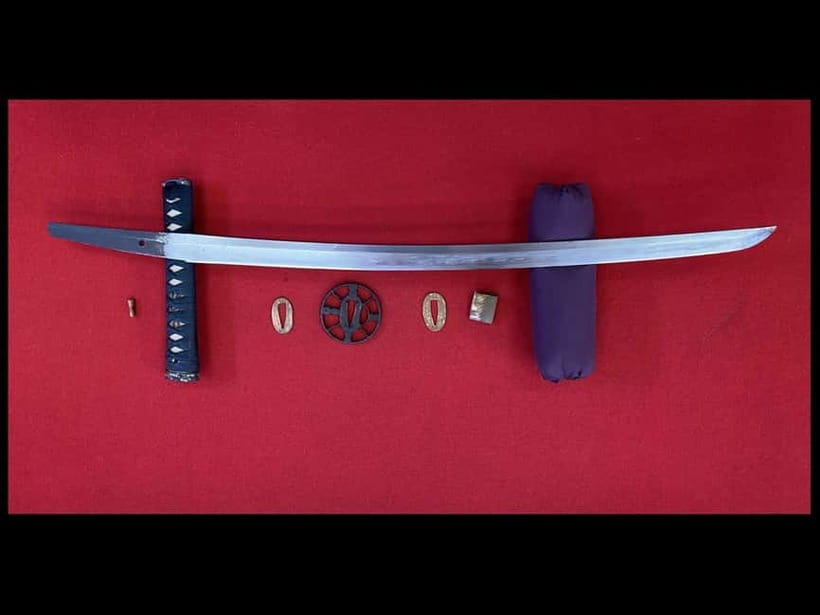
Now for the part that surprises people who only expect a sword class. You’ll try shooting arrows using a real horseback archery bow. Even if you are not on a horse, the tool itself changes the way you learn timing and release. Archery becomes less about speed and more about sequence.
The class includes instruction specific to the bow and shooting basics. You’ll be building muscle memory and attention, similar to how sword kata builds timing, but through a different motion pattern.
Practical note from reviews: one person pointed out that the archery setup may be geared toward right-handed practice, so if you’re left-handed, you might find it takes extra adjustment. That does not mean you should skip it, just plan to be flexible and accept coaching changes.
If you want photos or video, bring a camera you can handle well. One review recommends a wide-lens capability for the bow-and-arrow portion, which makes sense when you are trying to capture the full motion and target area in one frame.
Live demonstration of Toyama-ryu tradition
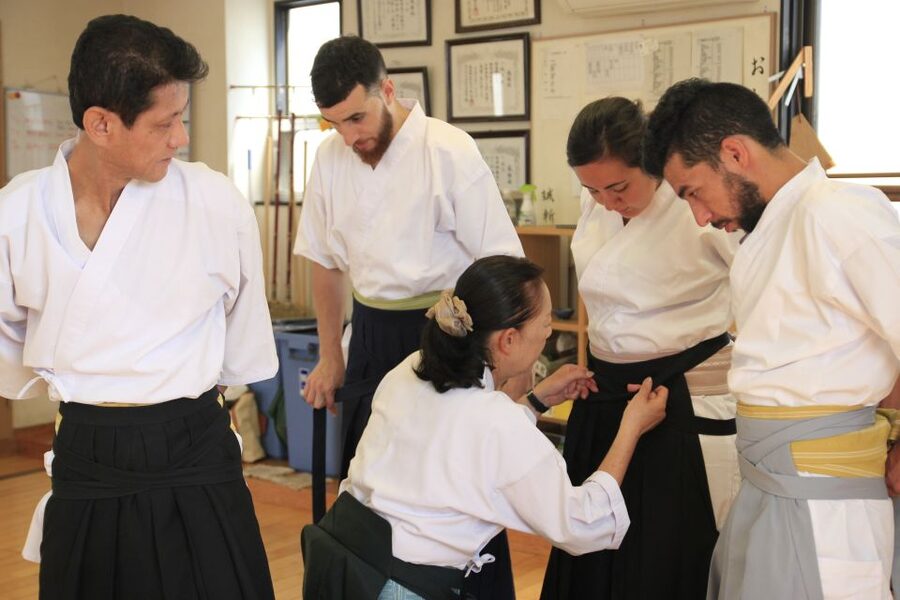
During the session, you may watch a live demonstration of Toyama-ryu 7th grade. This is one of those “extra credibility” elements that turns the day from hands-on practice into a window on the tradition behind it.
You’ll also see that the instructor keeps the class from turning into entertainment. The training is described as not being for show, and that comes through in how the class is structured: lecture first, then drills, then more advanced practice like sparring and target cutting.
Instructor and teaching style: what Sumida Sensei and Harry do well
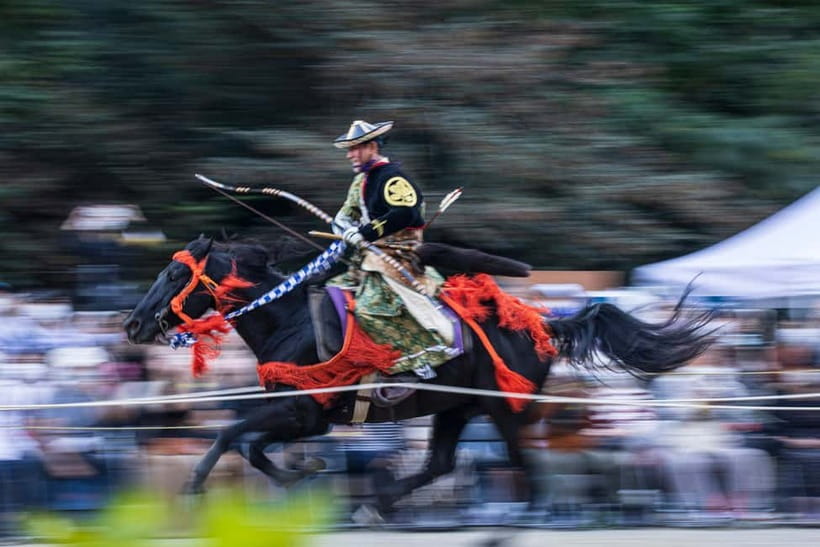
This class is led by instructor Yoshioki Sumida. Reviews praise his professionalism, the way he explains what to do and what not to do, and the way he corrects students without being harsh. His assistant Harry also shows up in reviews as a key part of keeping instruction organized and comfortable.
If you worry about language, you’re covered. The class is taught in English and Japanese, and reviews say Sumida Sensei speaks English well, giving clear explanations even when someone’s Japanese is limited.
If you want one simple expectation-setting line: you will not just be shown a trick and sent away. You’re coached through the technique and asked to repeat until it makes sense.
Price and value: is $193 per person worth it?
At $193 per person for a 3-hour class, this is not a budget activity. But the value is not just the price tag, it’s the mix of real training elements you get in one block:
- Provided training uniform and a practice sword
- Direct coaching under a master who practices both swordsmanship and traditional horseback archery
- Sparring and cutting drills, plus archery practice
- A small-group dojo setting capped at 15 people
In other words, you’re paying for instruction and time with serious training content. The “not entertainment” approach is a big part of what you’re buying. If you want a cinematic katana experience, this may feel more demanding than you expect. If you want to learn technique and feel what the disciplines actually require, it’s easier to justify.
Also, the group size matters. A shared class can still feel personal when the instructor is correcting form and watching you closely. Reviews back that up with repeated mentions of being welcomed and guided carefully.
Who this class fits, and who should skip it
This experience is best for you if:
- you like hands-on cultural activities, not just sightseeing
- you enjoy learning rules, form, and timing
- you want both sword training and traditional archery in one session
- you’re okay with a workout and using your arms, core, and legs for stability
It is not suitable for certain people based on the activity’s stated limits, including:
- pregnant women
- people with back problems
- people with mobility impairments
- wheelchair users
- people with heart problems
- people with epilepsy
- visually impaired people
- and children under 18 years, according to the stated “not suitable” list
There is a tricky contradiction in the provided info: another note says children under 18 may participate with parental permission and supervision if they have the muscle strength to swing the sword. If you are booking for someone under 18, you should contact the organizer to confirm what’s permitted for your specific case.
If you can do moderate physical activity and follow instructions carefully, you’ll likely find this far more rewarding than a scripted demonstration.
Practical tips so you leave with better technique
A few small choices can make your 3 hours smoother:
- Wear or bring clothing that’s easy to change out of, since you’ll put on training wear after arrival
- Bring water and plan to sip between drills
- Arrive early if you can, to get settled and catch any practice viewing
- If you film, consider how you’ll capture archery motion, a wide lens can help
- Go in expecting corrections, the whole point is improving your form
One more tip: right-handed archery setup may be the default. If you’re not right-handed, tell the instructor early so they can guide you safely.
Should you book this Samurai Sword and Archery class?
I think you should book if you want a real dojo-style lesson that mixes iai cutting, gekken sparring, and traditional Japanese horseback archery under instructor Yoshioki Sumida. The class is small, structured, and coached. It also gives you samurai context through a short lecture and a live Toyama-ryu demonstration moment.
Skip it if you’re looking for a relaxed, purely observational experience, or if your health or mobility makes sword and archery training risky. This is serious training with safety rules, and the physical side is part of the deal.
If your goal is to understand samurai arts through technique, not cosplay, this is one of the most straightforward ways to do it in Tokyo.
More Workshops & Classes in Tokyo

More Tour Reviews in Tokyo
Not for you? Here's more nearby things to do in Tokyo we have reviewed












Tokyo Samurai Experiences, side by side.
 ★ 4.6Samurai Ninja Museum Guided tour and ExperienceFrom $271,010 reviews
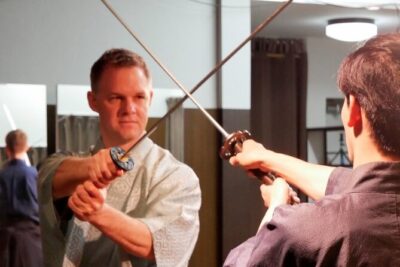 ★ 5.0Best Samurai Experience in TokyoFrom $65458 reviews
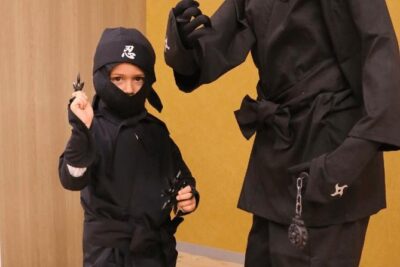 ★ 5.0Ninja Experience (Family Friendly) at Samurai Ninja Museum TOKYOFrom $47441 reviews
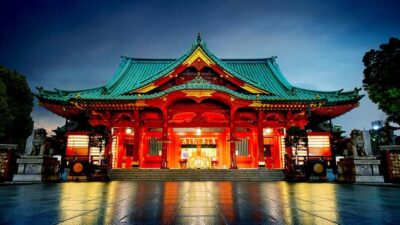 ★ 4.6Samurai Entertainment Night Show in Kanda ShrineFrom $41417 reviews
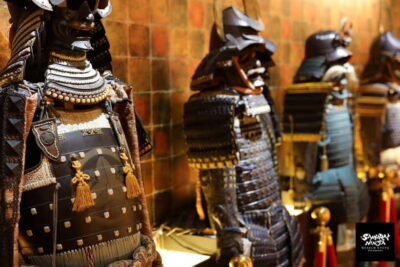 ★ 4.8Samurai Ninja Museum Asakusa: Samurai Sword Lesson & TourFrom $63306 reviews
 ★ 5.0Ninja Samurai 2-hour hands-on lesson by Japanese master in TokyoFrom $86194 reviews
 ★ 5.0Samurai Sword Experience (Family Friendly)at SAMURAI MUSEUM TOKYOFrom $65168 reviews
 ★ 4.9Best Samurai ExperienceFrom $63124 reviews
This tour also belongs to