
Review · WORKSHOPS
A class on Making Hoto, Yamanashi’s Traditional Dish
Hoto tastes like comfort food, Japanese-style. This hoto cooking class near Mount Fuji teaches the hands-on noodle work and why Yamanashi’s method tastes different from udon, especially with a miso-based broth that thickens as you cook. You’ll follow local guidance from mixing and kneading to rolling and cutting thick noodles.
I love the way you actually cook the dish, not just watch. The broth uses wheat dough and ingredients to create a warm, filling soup, and the thick texture comes from methods like potato starch thickening and cooking noodles in the soup. The rest is practical fun in a cozy tatami room, with English-speaking staff and a chance to arrange vegetarian or allergy-conscious options with notice. One thing to keep in mind: the class is about 2 hours, so you’ll focus on making hoto well, not a multi-dish feast.
Key takeaways before you go
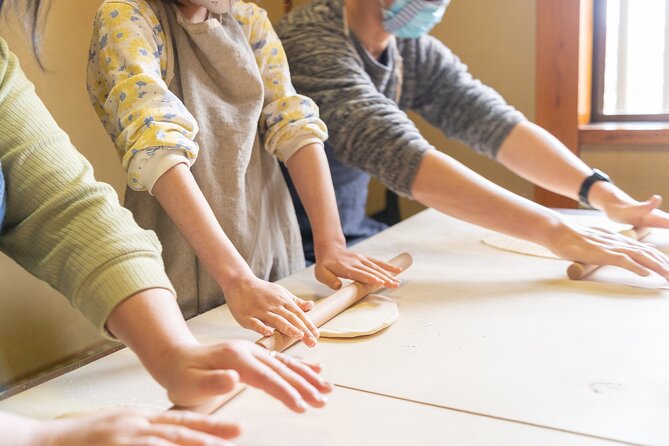
- Hand-kneaded dough and thick, rustic noodles you roll and cut yourself
- Miso vegetable broth method that cooks the noodles in the soup
- No-salt approach for flavor thanks to the miso base and thickening process
- Indoor tatami setting that works well in any weather near Lake Kawaguchiko
- English-speaking guidance plus possible vegetarian or allergy-conscious adjustments
Hoto in Yamanashi, what makes this noodle dish different
If you’ve only had udon, this experience gives you a real contrast. Hoto starts with a simple noodle dough from wheat flour and water, but the cooking logic is the key difference. Instead of cooking noodles separately and serving them with broth, you prepare the noodles and then cook them in a hearty miso vegetable broth.
That broth is where the comfort comes from. The soup is primarily miso-based, and the class explains a traditional angle too, including how it connects with Koshu miso. As the dish simmers, thickness becomes part of the process. You add potato starch to help thicken the soup, and the noodles cook right in that environment, so you get a unified bowl rather than separate components.
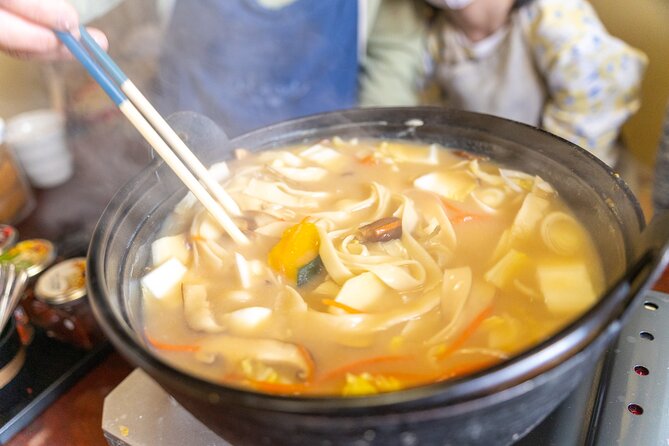
The flavors are built to feel warming and full, with seasonal vegetables like pumpkin and mushrooms. The result is a meal that reads like “no fuss comfort,” but the method is smart enough that you don’t need a lot of extra steps to get a satisfying texture.
More Tokyo tours and experiences for the shortlist
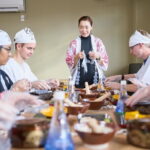
Inside the 2-hour class near Lake Kawaguchiko: what you’ll do step by step
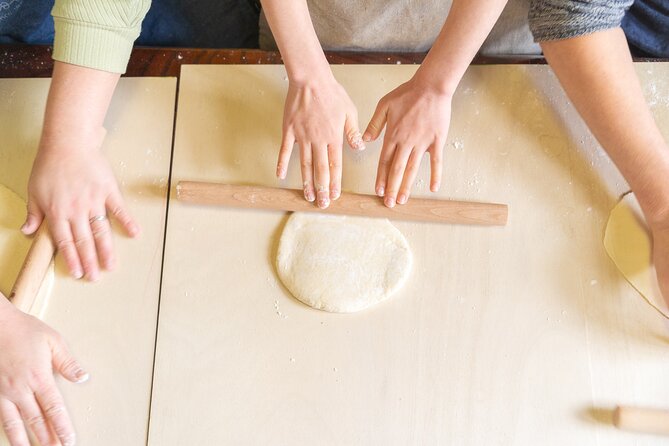
This is a straightforward, beginner-friendly format. Expect clear guidance, active hands-on participation, and a meal you eat at the end. The timing matters too: around 2 hours is long enough to make real food from scratch, short enough that it fits easily into a Mount Fuji day.
Here’s how the session typically flows, and what each part means for you:
1) Start with dough, learn the feel, not just the recipe
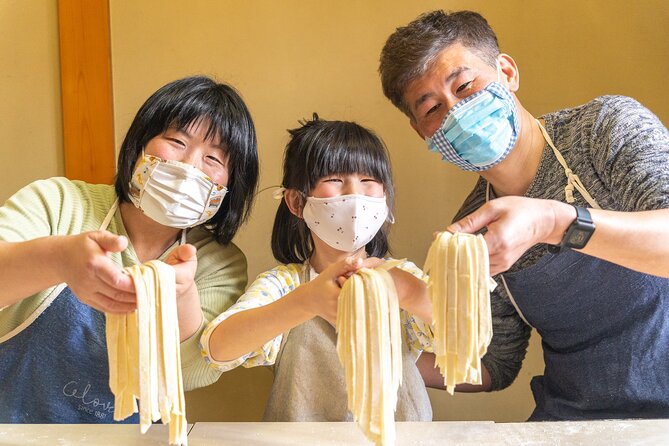
You begin by mixing wheat flour and water, then kneading. The class focuses on getting the moisture distributed evenly, which sounds basic, but it’s what determines whether the dough behaves when you roll it out.
For me, this is where the class earns its value. You’re not only learning a recipe. You’re learning a technique you can remember. When dough feels right, rolling and cutting gets easier, and your noodles end up with that “thick but rustic” character hoto is known for.
2) Roll and cut thick noodles the hoto way
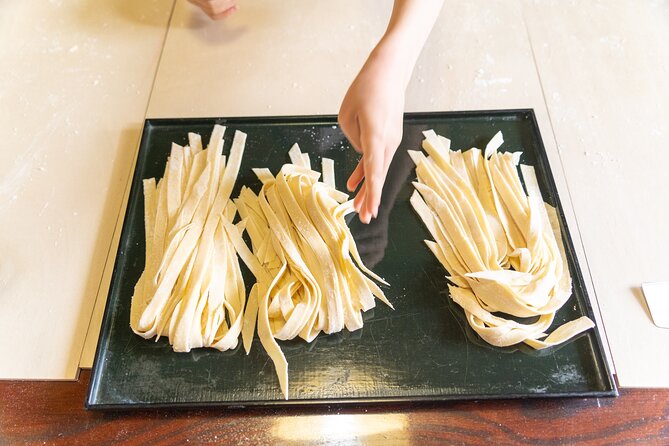
Next comes the shaping. You flatten the dough, then slice it into thick pieces. This matters because hoto is not trying to imitate thin noodles. The thickness helps the noodles hold their shape while cooking in broth, and it affects how the dish thickens and feels in the bowl.
If you’ve never cut noodles before, don’t overthink it. The goal is even enough pieces to cook well and thick enough to deliver that signature texture. You’ll get guidance along the way so you don’t have to guess.
3) Cook the noodles in miso vegetable broth, build thickness as you go
Now you cook. The class uses a miso-based broth with vegetables, and it explains how thickening happens. Potato starch is part of that thickening, and cooking the noodles in the broth is what helps the soup and noodles bond.
A helpful detail in the class approach is that the dish is made so it does not require salt in the way many noodle soups do. That’s not magic, it’s method. Miso does a lot of the work, and the thickening process supports the flavor and body.
You’ll also work with ingredients like pumpkin and mushrooms, which are especially good for a warm fall-leaning vibe. Even if you’re there in other seasons, the class idea stays the same: hearty vegetables in a thick miso soup with thick noodles.

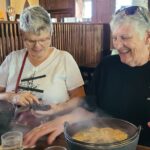
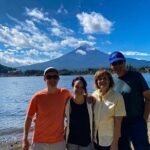
4) Eat in a cozy tatami room, with your own handiwork
At the end, you sit down and eat what you made. The class setting is a cozy tatami room, which keeps the experience intimate and not too hectic. It’s also a great chance to compare your expectations to the actual result, especially if you came in wondering how hoto differs from the noodles you already know.
Based on the general feedback about the food and the tone of the instructor, the meal part tends to feel like the payoff, not the formality. One review praised the food and the running of the class, calling it quaint and enjoyable. That matches what this format usually delivers: warm instruction, good pacing, and a dish you genuinely want another bite of.
Price and value: is $26.01 fair for a hoto class?
At $26.01 per person, this class is priced in a way that usually makes sense for a hands-on cooking activity. You’re paying for more than “watching.” You get ingredient use, guided steps, and a full meal built from what you cook. You’re also getting a cultural food experience near Fujikawaguchiko-machi, which is a practical factor if you’re already planning to spend time around Lake Kawaguchi and Mount Fuji.
What keeps the value honest is the time. About 2 hours is enough to make a real dish start to finish, so you’re not paying for a long lecture. And because the class is beginner-friendly, you don’t need prior cooking skills to get a satisfying result.
If you want a souvenir for your stomach and a skill you can repeat at home, the price lines up well.
Logistics that actually matter in Fujikawaguchiko
Here are the nuts and bolts that help you plan smoothly:
Where it starts
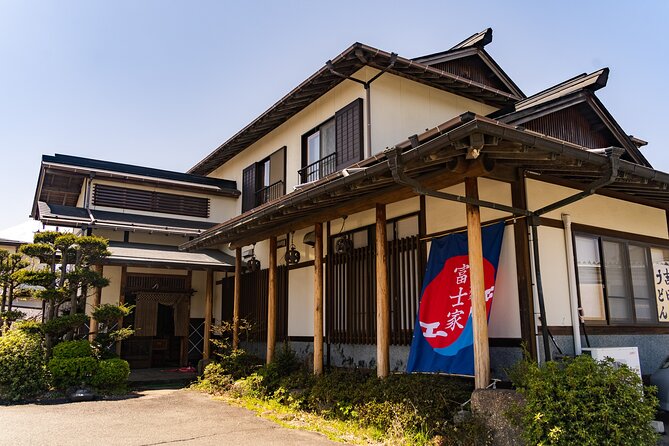
The meeting point is at 3376-3 Funatsu, Fujikawaguchiko, Minamitsuru District, Yamanashi 401-0301, Japan. It ends back at the meeting point, so you don’t need to worry about transfers after the class.
Mobile ticket
This activity uses a mobile ticket. That’s helpful if you’re already juggling passes, transit apps, and reservations while exploring near Mount Fuji.
Group size
The class can host up to 100 travelers. In practice, cooking classes like this often feel more like a managed group than a huge crowd, but it’s still worth booking early if you want a specific time.
When to book
On average, people book about 13 days in advance. If your trip is during busy seasons or weekends, you’ll have an easier time locking in a spot by booking sooner rather than later.
Weather friendly
Because it’s an indoor class in a tatami room, it works well even when the weather near Lake Kawaguchiko is unpredictable. You can plan your day around this as a reliable block.
Optional add-ons: if you want more than hoto
This class is mainly about hoto, but there are optional extras you can add if you want to turn your afternoon into a bigger craft-and-cook day.
Possible add-ons include:
- Indigo T-shirt dyeing
- Shichimi spice blend making
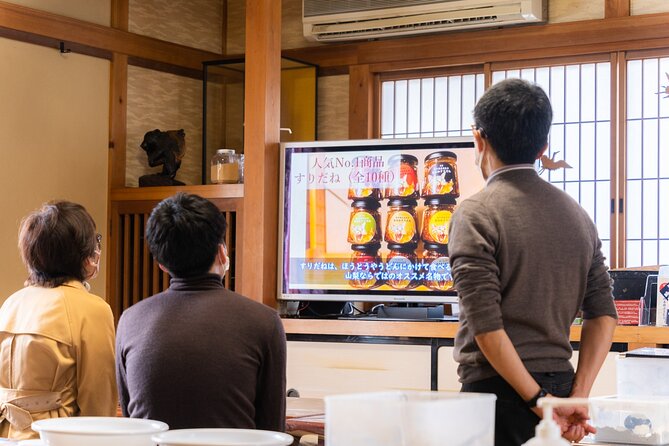
- Suridane chili paste workshop
- Kinako mochi dessert class
You’ll want to think about what you’re most excited about. If your goal is a food-focused experience, stick with hoto. If you like hands-on crafts and want to take home something extra to remember the region, adding one of these can make your session feel longer and more varied.
Who this hoto class is best for
This is a strong fit if you want a calm, guided cooking experience that doesn’t require confidence in the kitchen.
It’s especially good for:
- Beginners who want step-by-step support
- Couples who want a shared activity with a meal at the end
- Families, since it’s stated to be suitable for all ages
- Solo travelers who want structure, friendly interaction, and a chance to eat something you made
If you have dietary needs, you might be able to request vegetarian or allergy-conscious options with notice. That’s a key detail, because it means you can plan around your needs rather than hoping for the best.
Small things to consider before you book
Two practical notes to help you set expectations:
First, the class is about 2 hours. You’ll leave full and you’ll understand the core hoto method, but it’s not the kind of course where you’ll master a long list of dishes or techniques.
Second, hoto relies on specific process choices, like how thickness develops and how the noodles cook in the broth. That’s great for learning, but it also means you might not get the exact texture you expect if you’re expecting udon-style results.
If you go in curious about the Yamanashi approach, you’ll enjoy it.
Should you book the hoto cooking class near Mt. Fuji?
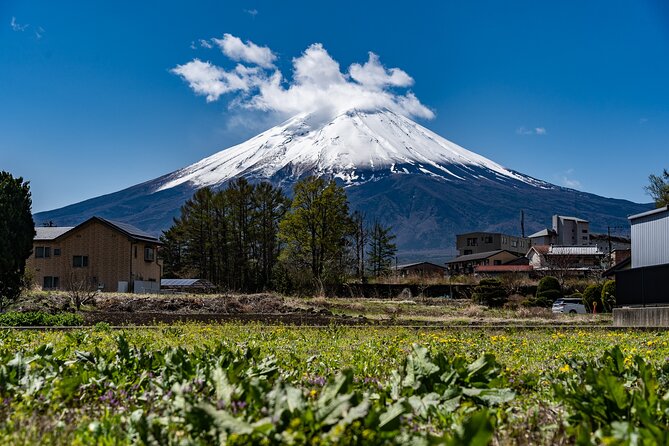
If your day includes the Lake Kawaguchiko area and you want one memorable, hands-on activity that ends with a real meal, I think this is a smart booking. The core strengths are practical: beginner-friendly instruction, a cozy tatami room setting, and a dish you can’t really replicate by accident because the method matters.
You should consider skipping or choosing a different option if you only want observation time and prefer not to get your hands involved. But if you like cooking, even casually, this kind of class is exactly the sweet spot.
Book it if you want a true Yamanashi hoto experience near Mount Fuji, learn the key thick soup noodle technique, and eat what you make in the same sitting.
FAQ
Where is the meeting point for the hoto making class?
The start location is 3376-3 Funatsu, Fujikawaguchiko, Minamitsuru District, Yamanashi 401-0301, Japan. The activity ends back at the meeting point.
How long does the class last?
The duration is about 2 hours.
Is there a mobile ticket?
Yes, this activity includes a mobile ticket.
Is the class beginner-friendly and suitable for families?
The class is described as beginner-friendly and suitable for all ages, with fully guided instruction.
Can I request vegetarian or allergy-conscious options?
Yes, vegetarian and allergy-conscious options can be arranged with notice.
Is cancellation free if plans change?
Yes. You can cancel up to 24 hours in advance of the experience start time for a full refund.
More Workshops & Classes in Fujikawaguchiko machi
More Tour Reviews in Fujikawaguchiko machi
Not for you? Here's more nearby things to do in Fujikawaguchiko machi we have reviewed




Workshops, side by side.
 ★ 5.0Sushi Making Tokyo Roll and Authentic Japanese Sushi ClassFrom $593,971 reviews
 ★ 4.9Roll and Authentic Sushi Making Class in AsakusaFrom $581,957 reviews
 ★ 5.0Tokyo Shinjuku Chopsticks Making ClassFrom $201,763 reviews
 ★ 4.9Sushi Making Class in a Happi Coat near a Famous SpotFrom $421,377 reviews
 ★ 4.8Chopstick Making Workshop in GinzaFrom $251,366 reviews
 ★ 5.0Tokyo Sushi Making Class in Tsukiji with Professional ChefFrom $491,177 reviews
 ★ 5.0Ramen & Gyoza Cooking Class in Tokyo with Local Supermarket VisitFrom $122823 reviews
 ★ 5.0Matcha Making Class in Tokyo with Authentic Japanese Sweets SetFrom $21744 reviews
This tour also belongs to