
Review · TOKYO SAMURAI EXPERIENCES
Tokyo:Samurai sword and archery class from a samurai descendant
Real dojo time, no fluff. This samurai descendant class in Machida teaches sword handling through iai forms and gekken sparring, then adds archery practice. I love the small-group attention and that the training uniform and equipment are provided, so you can focus on learning instead of prepping.
The main drawback to plan for is effort. This is hands-on, and the work can leave your body sore for days, especially if you are new to stance work and fast slashing.
Key highlights worth your time
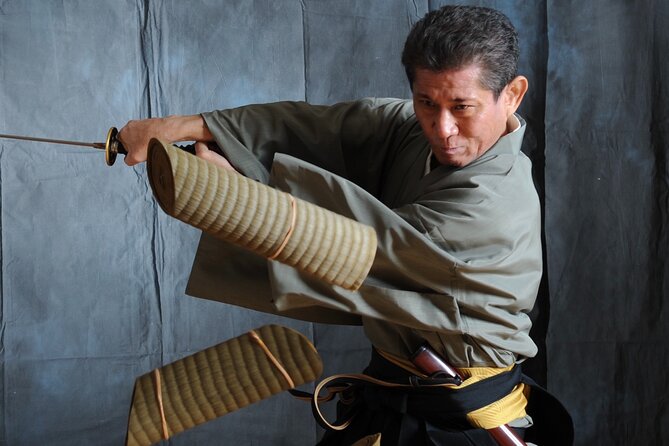
- Hands-on iai and gekken training with mock swords and structured technique, not watching from the back row
- Sparring with a moch sword so you can practice timing and defense in a controlled way
- Test cutting and blade-line checks so you understand what makes a cut land (or miss)
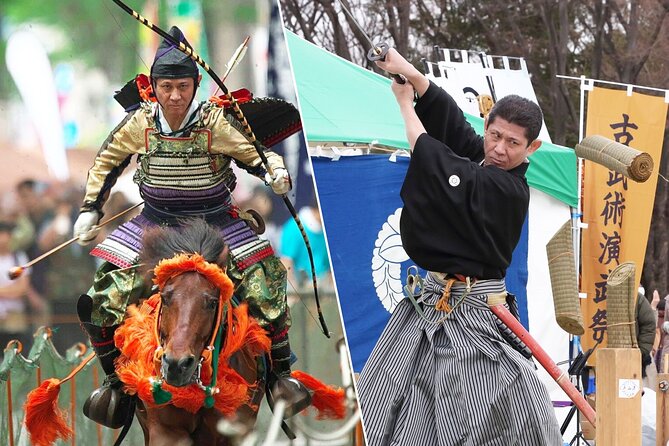
- Archery with a real bow and arrow tied to how the samurai actually fought
- Toyama-ryu 7th grade demonstration for a live look at hard-to-copy technique and discipline
- Master instructor focus on safety with constant coaching and encouragement
Machida dojo energy: why this feels different from Tokyo gimmicks
This class takes you out of central-Tokyo show mode and into a working dojo setting just outside the city. The meeting point is in Machida, and it is near public transportation, which helps. Still, you should treat it like a real destination day, not a quick add-on between train stops.
What I like most is the teaching style. You are not there to pose with gear. You learn why movements exist, how the blade line matters, and how to protect yourself while practicing. The instructor, Yoshioki Sumida, is described as a master of swordsmanship and horseback archery, so the content has real martial focus, not just culture talk.
One more thing. The group size is capped at 15, so you get more chances to correct your form. That is a big deal in sword practice, where small errors add up fast.
More Tokyo tours and experiences for the shortlist



The 2.5-hour roadmap: lecture, iai, gekken, then archery
The schedule is tight, with little downtime between sections. At arrival, you get a short lecture and then change into training wear. After that, the session moves through clear training blocks.
Here is how the flow typically lands, in the order you will experience it:
- Warm-up lecture and outfit change
You get oriented first, then you dress for training. You are practicing the basics safely before you try anything that looks flashy.
- Iai lesson, using a mock sword
You learn how to handle and swing the mock blade. This is where you build the fundamentals of control and timing.
- Gekken lesson, timing plus sparring
You work on attack and defense timing, then spar with a moch sword in a controlled setup.
- Blade-line check and test cutting practice
You check your blade line with a mock sword. You also get an opportunity to try test cutting, so you understand how technique shows up in the results.
- Bow practice with real bow and arrow
The samurai bow and arrow were a main weapon historically, so this part is not a gimmick. You practice how it feels and how the lesson connects to the warrior toolkit.
- Live demonstration of Toyama-ryu 7th grade
You get a demonstration of difficult techniques, presented as technique work, not entertainment.
From what you are told to expect, the cutting practice includes slashing multiple targets while moving. That sounds simple until you try it. Your body learns quickly, and it is humbling in the best way.
Iai with a mock sword: how you learn control, not just motion
Iai is often the section people imagine as dramatic sword work. In this class, it is taught as mechanics first. You will practice handling and swinging the mock sword in a way that emphasizes correct movement paths and safe form.
What matters for you as a beginner is the feedback loop. You are not just copying. You get coached to understand what your hands and stance are doing. Several participants highlight how the instructor stays patient, informative, and encouraging through each step, while also pushing for safety.
Also, do not underestimate how different “sword control” feels compared with regular sports. Your timing has to be precise, and your balance must stay steady while your arms and shoulders move. If you have any experience with martial arts, you will still feel the adjustments, because sword work has its own rhythm.
Gekken sparring: timing, defense, and why contact practice is safer here
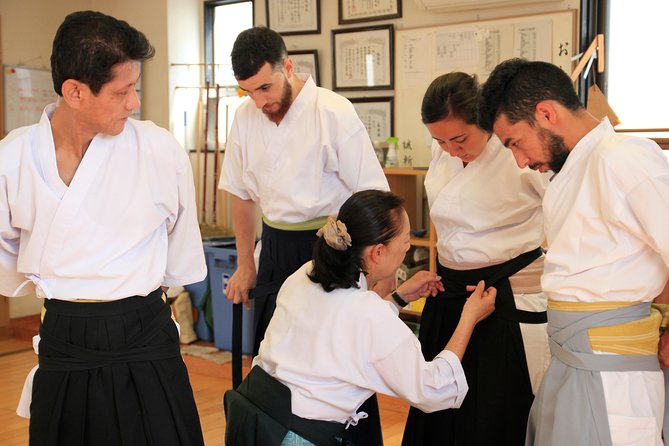
Gekken brings you into the partner part of the lesson. You learn timing for attack and defense, then you spar using a moch sword. That distinction is important. You are practicing interaction without turning the class into real-fight risk.
In practice, this is where you understand one key idea: speed without timing is just wasted effort. Your job is to learn when to commit and when to protect. The instructor’s focus on safety helps keep the sparring structured, and you get reminders on how to hold the sword and how to position your body.
Another plus: participants mention very little downtime between activities and a clear teaching rhythm. That matters because sword training is easiest to build when the brain stays engaged. If there is too much waiting, form goes stale.
Test cuts and blade-line checks: the part you thought you could wing
This class includes an activity where you check the blade line with a mock sword. Then there is a chance to try test cutting. The goal is not to impress anyone. It is to show you how a cut actually works.
Blade-line work is a real eye-opener. You learn that a cut is not just “swing harder.” It is about alignment, angle, and commitment through the motion. When you are slashing multiple targets while moving, the difficulty ramps up quickly. You can feel how your stance and shoulder rotation change your results.
Some participants mention cutting tatami mats during their experience, but the essential point you can count on is that you will get some kind of test-cut practice tied to the technique you learned. Even if your first attempt is messy, you learn fast what to fix.
If you are thinking, I am not strong enough for this, relax. Sword work is about technique. That said, you will use muscles you do not use much in daily life. Expect fatigue.






Archery with real bow and arrow: the samurai side of the class
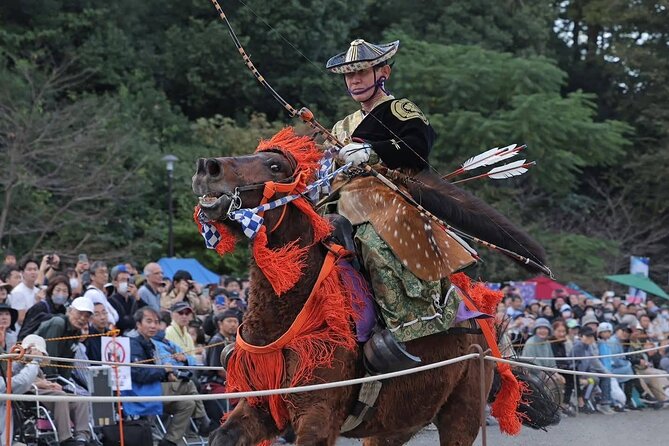
The bow and arrow section is one of the most distinctive parts of this experience. The samurai bow was a main weapon for more than show, and the class treats it as such.
You get to try a bow with real bow and arrow. In a short session, that usually means focused practice rather than a full archery tournament. The value is that you feel how archery mechanics connect to warrior training, not just random aim-and-shoot.
This is also where you get contrast. Sword work demands close-range timing and footwork. Archery pushes you into breath control, posture, and a different kind of focus. If you get sore from one, you reset your body for the other.
And since the instructor is described as a master of horseback archery, there is a sense that the archery part is taught with lineage and experience, not as a filler activity.
Toyama-ryu 7th grade demonstration: what to watch for
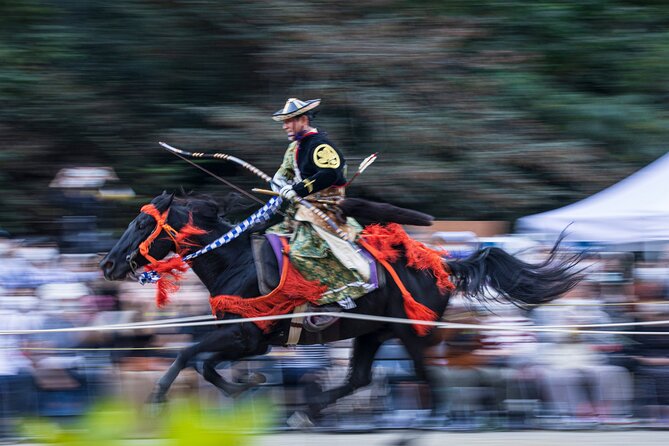
At some point, you see a live demonstration of Toyama-ryu 7th grade. The class description is clear that this is not entertainment. You are meant to watch technique, including difficult movements that are hard to copy quickly.
So when you watch, use your eyes like a student:
- Look at the transitions between positions.
- Notice the timing in defense and attack.
- Watch how the hands guide the blade.
- See how the demonstration stays controlled rather than wild.
Even if you do not understand every detail, the demo helps you calibrate expectations. This is what serious training aims for, and it also explains why the class stays strict about technique and safety.
Price and value: why $198.20 can be worth it here
At $198.20 per person for about 2.5 hours, this is not a cheap souvenir-style activity. The value comes from a few specific things you cannot easily replicate on your own.
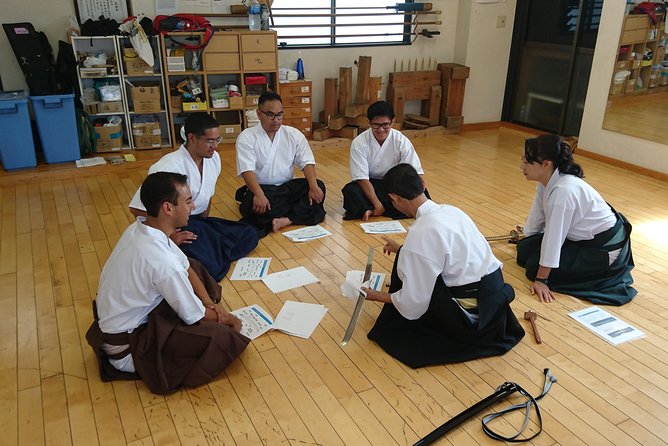
First, you get instruction that combines multiple disciplines: sword basics, iai and gekken, sparring, test cutting practice, and bow and arrow. That is a lot of training content in one session.
Second, equipment and uniforms are provided. That means you avoid the typical hassle of figuring out what to rent and how to show up. You also avoid spending your limited vacation time on logistics.
Third, it is a small group up to 15. In a hands-on martial class, group size directly affects coaching time. If you have ever tried a skill workshop with a big crowd, you know why this matters.
There is one potential add-on consideration: facility charter fees are not included and may occur. If you are budgeting tightly, keep that in mind. Also, the class is weather dependent, so you should have some flexibility in your schedule.
Getting there, what to wear, and how to avoid day-of stress
The meeting point is in Machida: 3-chōme-14-14 Haramachida, Machida, Tokyo 194-0013, Japan. The activity returns to the meeting point. It is near public transportation, which helps with train planning.
Travel time from central Tokyo can be longer than you expect. One participant described about 1.5 hours from Tokyo Daiba to reach the dojo. If that is your starting point, plan extra time so you arrive early and not rushed.
What to do before you go:
- Share your height and weight. The organizers prepare lesson clothes based on that.
- Wear something you can change out of easily. You will change into training wear on arrival.
- Show up with a good mindset. This class expects you to concentrate, listen, and work.
Safety matters here. You will be taught how to handle the mock blade and how to spar safely. Still, if you are tired or distracted, you make it harder for yourself and the instructor.
Who should book this samurai sword and archery class
This class is best for people who want real instruction and a hands-on workout style of learning. You do not need to be a martial arts expert, but you should be ready to work.
It suits:
- First-time visitors who want something more real than a photo stop.
- People who like structured lessons with safety coaching.
- Couples or friends who want shared activity time in a small setting.
- Parents looking for a class where the instruction focuses on form and discipline, not just fun.
It might not suit:
- Anyone with injuries that limit arm movement, stance work, or safe participation.
- People who want a relaxing, low-physical-effort experience.
- Anyone expecting silent, scenic sightseeing. This is training, not tourism.
Also, most travelers can participate, so long as they can handle the physical demands of a dojo session and follow safety instructions.
Should you book this samurai sword and archery class
Book it if you want a Tokyo experience that feels like you stepped into a working martial tradition for a couple of hours, not a scripted performance. The combination of iai, gekken sparring, blade-line practice, test cutting, and real bow and arrow practice is a strong package for the price.
Pass or choose another option if you are hoping for a gentle, hands-off cultural tour. This is physical and concentrated. If that sounds like work, you will probably feel it in your shoulders and legs afterward.
If you do book, arrive early, take the safety rules seriously, and give your best effort during the stance and timing practice. That is the fastest path to feeling proud at the end, even if your first cuts are not perfect.
FAQ
How long is the Tokyo samurai sword and archery class?
The experience is about 2 hours 30 minutes.
How many people are in the class?
It has a maximum of 15 travelers, in a small-group setting.
What will I do during the lesson?
You will receive a lecture on Japanese swords, learn iai (handling and swinging a mock sword), learn gekken (timing of attack and defense) and spar with a moch sword, practice blade line with a mock sword, try test cutting, and try bow and arrow.
Do I need to bring my own sword or archery equipment?
No. Practice uniform, practice sword, bokken, and real bow and arrow are provided during class.
Will there be a sword demonstration?
Yes. You can see a live demonstration of Toyama-ryu 7th grade.
Is this class physically demanding?
It includes slashing multiple targets while moving, sparring, and other hands-on practice, so you should be prepared for physical effort.
Where is the meeting point in Tokyo?
The meeting point is 3-chōme-14-14 Haramachida, Machida, Tokyo 194-0013, Japan, and the class ends back at the meeting point.
Is weather important?
Yes. This experience requires good weather.
What is the cancellation policy?
You can cancel for a full refund if you cancel at least 24 hours in advance. If you cancel less than 24 hours before the start time, the amount paid is not refunded.
More Workshops & Classes in Tokyo

More Tour Reviews in Tokyo
Not for you? Here's more nearby things to do in Tokyo we have reviewed












Tokyo Samurai Experiences, side by side.
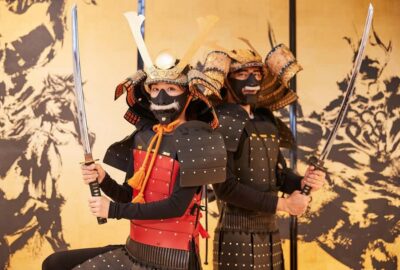 ★ 4.6Samurai Ninja Museum Guided tour and ExperienceFrom $271,010 reviews
 ★ 5.0Samurai Sword & Archery Class from Samurai DescendantFrom $193603 reviews
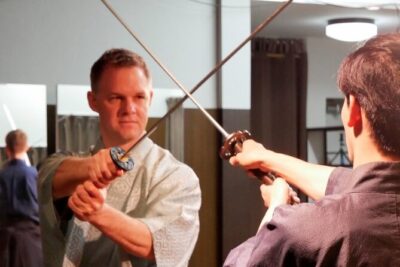 ★ 5.0Best Samurai Experience in TokyoFrom $65458 reviews
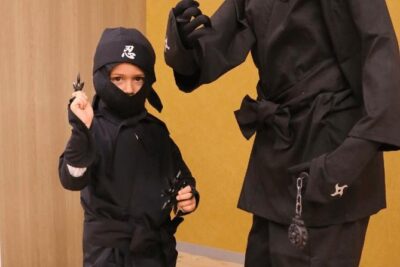 ★ 5.0Ninja Experience (Family Friendly) at Samurai Ninja Museum TOKYOFrom $47441 reviews
 ★ 4.6Samurai Entertainment Night Show in Kanda ShrineFrom $41417 reviews
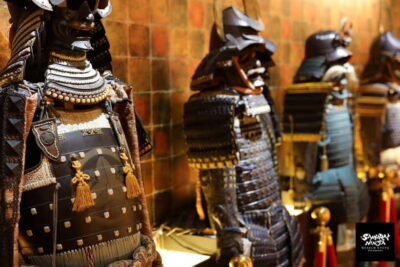 ★ 4.8Samurai Ninja Museum Asakusa: Samurai Sword Lesson & TourFrom $63306 reviews
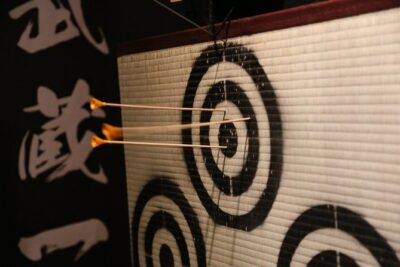 ★ 5.0Ninja Samurai 2-hour hands-on lesson by Japanese master in TokyoFrom $86194 reviews
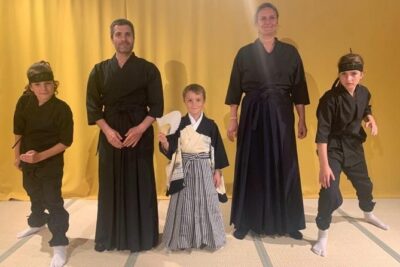 ★ 5.0Samurai Sword Experience (Family Friendly)at SAMURAI MUSEUM TOKYOFrom $65168 reviews
This tour also belongs to