
Review · SHIBUYA TOURS
Blade Runner photo workshop in Shibuya with Laurence Bouchard
Neon Shibuya at night feels like sci-fi. This small-group Shibuya night workshop with photographer Laurence Bouchard trains you for panning shots and Blade Runner inspired neon photos. You start near the buzz of the world’s busiest crossing and move through side streets built for striking after-dark frames.
What I like most are the practical camera settings coaching for low light, and the way Laurence leads you to angles and locations that actually fit the look you want. You are not just told what to shoot, you get pointed to where the light and motion fall best.
One possible drawback: it moves at a walking pace and the spots depend on what is accessible at night. Bring comfortable shoes, and if you travel during major Japanese holiday periods, expect some areas to be harder to use or less well lit.
Key highlights at a glance
- Laurence Bouchard runs a tight, small-group workshop (max 6), so you get real guidance fast
- You practice panning at Shibuya’s famous crossing, right where motion is guaranteed
- Low-light settings are explained in a way that works for phones too, not just cameras
- You get Blade Runner style neon shots through guided spot-finding, not random wandering
- You leave with techniques you can repeat on your next Tokyo night
Shibuya After Dark, Blade Runner Style, How the Look Gets Made
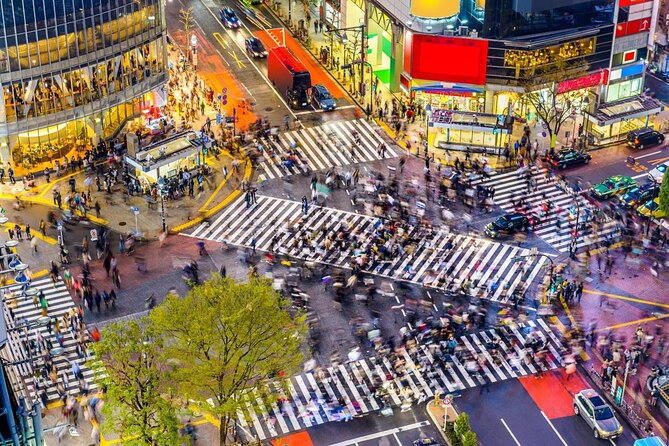
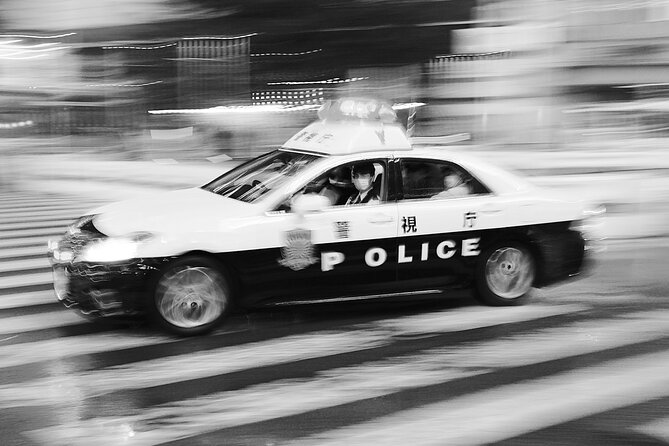
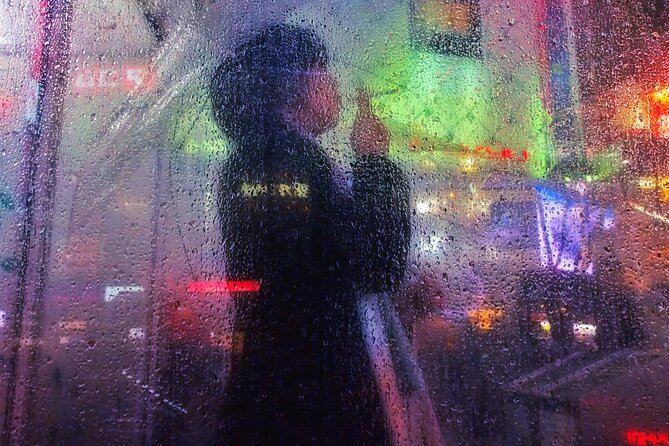
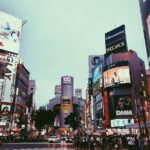
Shibuya at night is all contrast. Neon signs, dark storefronts, wet-looking reflections, and crowds moving in every direction create the exact chaos that makes great street photos. The idea of Blade Runner style photography is not just a vibe, it is a shooting approach: motion, light streaks, and dramatic framing that feels cinematic.
This workshop leans into that. You spend time at a signature Shibuya scene with lots of subject movement, then you move to other locations Laurence knows for their geometry and lighting. The result you are aiming for is a photo that feels alive, not just a tourist snapshot of glowing streets.
Another reason this works so well is timing. It starts at 7:30 pm, when the lighting is active and the night energy is starting to peak. If you have ever tried to photograph a busy intersection on your own, you know the problem is not having a camera, it is knowing what settings to use and where to stand so your photo has intent.
More Tokyo tours and experiences for the shortlist

Laurence Bouchard, Why a Pro Guide Matters in Low Light
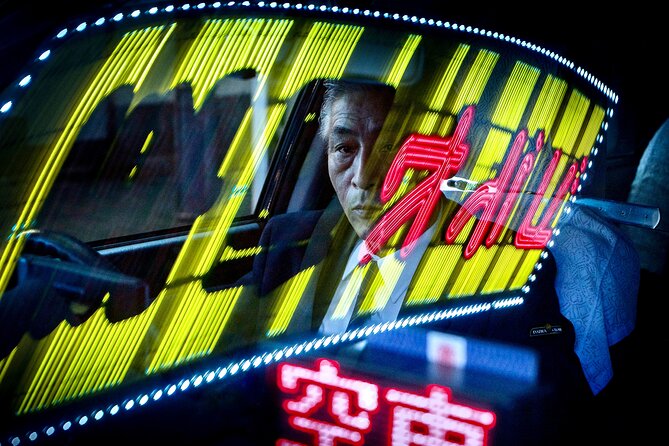
Laurence Bouchard is an award-winning street photographer who has been shooting Shibuya for over 10 years. That matters because Shibuya is not one scene, it is layers. The best photos come from the in-between places, the angles you would never notice quickly when you are trying to keep up with the crowd.
What impressed me in the way this workshop is described is that Laurence teaches technique, not just places. He helps you understand camera settings for night photography, and he also demonstrates how to translate those settings into the kind of images you want. Even more practical, he can adapt explanations to your gear, including phone cameras, so you are not stuck feeling like the workshop is only for people with expensive equipment.
In a short 2-hour session, that kind of guidance is the difference between getting a few decent shots and actually learning something repeatable.
The 7:30 pm Flow, Start at the Hotel, Then Shoot the Crossing
This workshop is about 2 hours and starts at 7:30 pm. You meet at Cerulean Tower Tokyu Hotel, 26-1 Sakuragaokachō, Shibuya, Tokyo, and it ends back at the meeting point. With a group size limited to 6, Laurence can keep the momentum going and still help you adjust as lighting and movement change.
The flow is simple on purpose. First, you get a brief chat about nighttime camera settings. Then you head to Shibuya’s famous crossing to focus on panning shots, which is where you learn how to create motion while keeping your subject readable.
After that, Laurence guides you to cool locations he has discovered. These are not random photo stops. They are chosen for how they frame neon and how they help you make Blade Runner inspired compositions without wasting time searching.
What to expect on the street
You will be walking around Shibuya at night. The activity notes a moderate fitness level, so plan on standing, moving, and repositioning a bit as Laurence shows you where to shoot from. Bring layers, because Tokyo evenings can feel cooler than you expect once the sun drops.
Night Camera Settings, Learn What to Change First
Low light is where most people get stuck. Your photos turn blurry, too dark, or weirdly noisy, and you end up blaming your camera instead of the settings. The workshop’s first step helps you get unstuck quickly.
You will get a practical introduction to night photography settings, with the goal of producing photos that work for neon streets. Think of this as the difference between guessing and having a plan. You learn what to adjust so your camera can handle darkness and still capture light sources with the look you want.
Then you immediately apply what you learn at the crossing. That practice loop is key. If you only hear theory, you will forget it under street pressure. If you try it right away, you remember the change that helped and the one that did not.
One nice touch is that Laurence can adapt to different cameras and even phone cameras. So if you are using an iPhone or a phone, you are not stuck watching other people shoot with full manual settings while you hold a device that feels limited. You get tips in a way that fits what you actually have.

Shibuya’s Crossing and Panning Shots, How to Photograph Motion
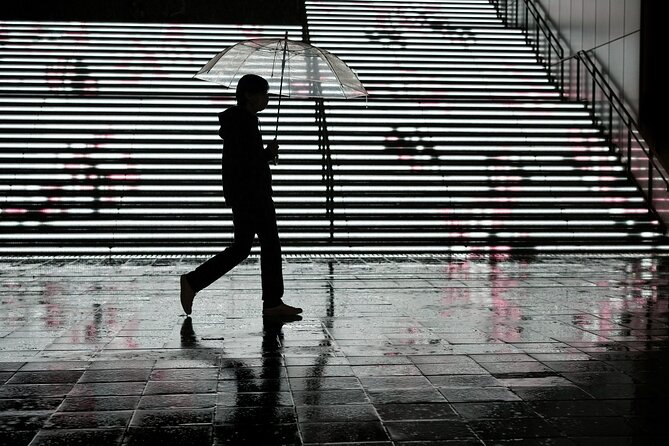
Panning sounds fancy, but the concept is straightforward: you move your camera to follow a moving subject, so the background smears while your subject stays sharper. At Shibuya’s crossing, the motion is constant, so it is the perfect training ground.
In this workshop, the crossing is where you focus on panning shots. You are learning how to time your movement and how to aim for a result that looks intentional. When you do it right, neon signs and lights streak behind your subject like a film scene. When you do it wrong, everything becomes a blur.
This is also why going at night with a guide is worth it. You do not just learn panning technique, you learn where to stand to catch the best angles, and how to react as the stream of people changes. With limited time, Laurence helps you avoid trial-and-error that can chew up the whole evening.
Also, the crossing is famous for a reason. The density of light and people gives your photos energy. If you have ever tried to shoot a similar scene alone, you know how hard it is to find a position, frame your shot, and keep practicing the same idea. Here, the structure does that work for you.
Blade Runner Inspired Neon Photos, How Side Streets Improve Your Images
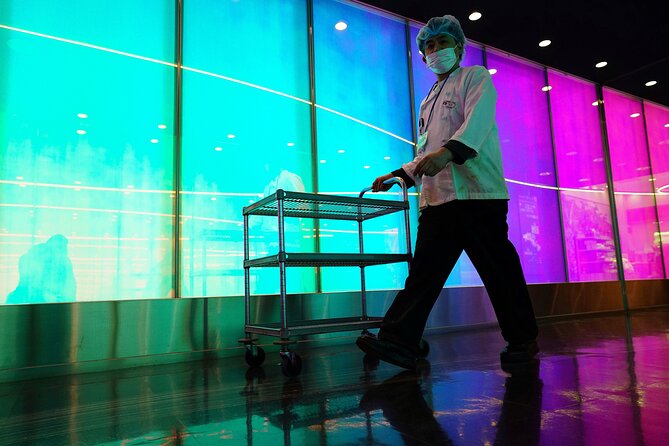
After the crossing, you shift from the main spectacle to the quieter streets that shape better photos. This is where the Blade Runner feel usually comes from. You want layers, reflections, and graphic compositions, not just bright signs.
Laurence guides you to “cool locations” he has discovered over years of shooting. Those spots tend to have three things working for you:
- strong lighting patterns that stand out in low light
- angles that turn crowds and architecture into graphic shapes
- routes that keep you moving toward better frames instead of circling the same area
This part of the workshop is valuable because it saves you time and frustration. Shibuya is complex, and after dark, it is even harder to navigate while you are watching for compositions. A pro who knows where the light falls means you spend more time making photos and less time searching.
You also get a direct education in photographic thinking. You are encouraged to shoot what the scene gives you, then adjust your approach to match what you see through the lens or screen. That is the kind of insight that stays with you long after the workshop ends.
Phone Users Welcome, Because Night Shooting Is a Skill, Not a Status Symbol
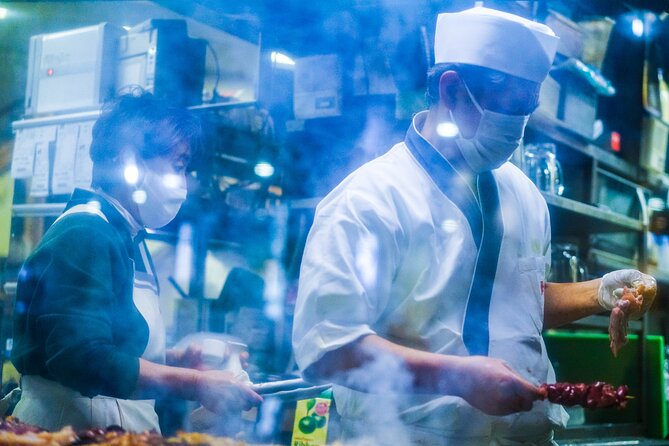
One of the best signals from the participant feedback is that this workshop is not only for people with advanced cameras. I love that Laurence can work with beginners and amateurs and still provide useful direction. One person used an iPhone, another used a phone camera, and Laurence still helped with locations and angles.
That matters because most of us travel with what we have. If you are hoping for a night workshop that improves your photos, not just your gear, this is the right mindset. Even when your device is limited compared to a DSLR or mirrorless camera, you can still improve results by learning what to focus on: timing, framing, and how you handle motion and light.
In other words, the technique teaches you how to see. The tool is secondary.
Group Size, Pace, and What That Means for Your Photos
With a maximum of 6 travelers, this workshop has the feel of a guided shoot rather than a mass class. That small size helps in two ways. You get help when you need it, and you are not competing for attention while Laurence explains the same thing to a large crowd.
It also affects the photo quality. When you can quickly get feedback, you correct mistakes mid-session. You can try a panning attempt again. You can change your angle at the next location. Those tiny adjustments add up fast over a 2-hour window.
The workshop is listed as requiring moderate physical fitness. So keep expectations realistic. You will likely be standing and moving outdoors for most of the session, and you will need to reposition for shots. If you have mobility issues, ask before booking, because the exact walking and standing time is not spelled out in the details you get.
Price and Value, Is $97.98 Worth Two Hours?
At $97.98 per person for about 2 hours, the value comes from three things you usually cannot get on your own: a trained eye, a tight plan, and time saved on location scouting.
First, Laurence is not just a friendly photographer, he is the kind of pro who has spent over a decade shooting Shibuya. That deep local understanding helps you find photographic spots that work at night, when random streets can be too dark or too chaotic to frame well.
Second, the workshop has a clear learning target, nighttime settings and panning practice. You are not spending your evening “looking for inspiration.” You are learning how to produce a specific kind of image.
Third, small-group attention means you are not stuck feeling lost. If you are paying for a workshop, you want more than a list of places. You want guidance while you shoot. With max 6 participants, that is much more likely to happen.
If you already know how to shoot night scenes confidently, you may find the biggest value is new angles and Shibuya spotting. If you are newer, it can be a shortcut to better results quickly. Either way, the structure makes the time feel productive.
Who Should Book This Shibuya Night Workshop?
I think this is best for people who want night street photos without spending hours figuring things out alone. You do not need to be a gear expert. The workshop is built for learning and adapting, even if you use a phone.
Book it if you:
- want Blade Runner inspired neon street photos, not just general sightseeing
- want to learn night settings and panning with a pro at the right location
- like street photography and want a behind-the-scenes guide to Shibuya at night
- would benefit from a small-group class that moves quickly
Skip it if you want a relaxed, purely sightseeing stroll. This is about shooting, repositioning, and learning fast, so your evening is more structured than free roaming.
Should You Book It? My Straight Answer
If your goal is to come home with stronger night photos and a better understanding of how to shoot motion and neon, I would book this. The combination of Laurence Bouchard’s Shibuya experience, the panning focus at the crossing, and the practical settings chat makes the 2 hours feel like real instruction, not just a photo walk.
The one caution I would keep in mind is timing. If you travel during Japanese holidays, you might run into areas that are not as accessible or not as well lit for photography, and that can affect your route. Also, be ready for outdoor walking at night with a moderate fitness level.
If you are comfortable with that, this workshop is a strong way to turn one Tokyo evening into a real photography session.
FAQ
What is the duration of the Blade Runner photo workshop in Shibuya?
It runs for about 2 hours.
How much does it cost?
The price is $97.98 per person.
What time does the workshop start and where does it meet?
The start time is 7:30 pm, and the meeting point is Cerulean Tower Tokyu Hotel, 26-1 Sakuragaokachō, Shibuya, Tokyo 150-8512, Japan.
How big is the group?
The workshop has a maximum of 6 travelers.
Is it near public transportation?
Yes, the meeting point is near public transportation.
Can I participate if I use a phone instead of a camera?
Yes. The workshop includes guidance that can be used with different camera brands, and participants have used iPhones and phone cameras.
Is free cancellation available?
Free cancellation is available. You can cancel up to 24 hours in advance for a full refund.
More Workshops & Classes in Tokyo


More Tour Reviews in Tokyo
Not for you? Here's more nearby things to do in Tokyo we have reviewed



Shibuya Tours, side by side.
 ★ 5.0Official Street Go-Kart in ShibuyaFrom $763,435 reviews
 ★ 4.9Street Kart Experience in ShibuyaFrom $741,484 reviews
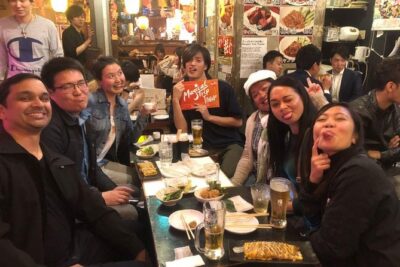 ★ 5.0Shibuya Meltdown Nightlife Tour: All-You-Can-Drink Bar HoppingFrom $1061,058 reviews
 ★ 5.0Shibuya Official Street Go-Kart in Shibuya AnnexFrom $69972 reviews
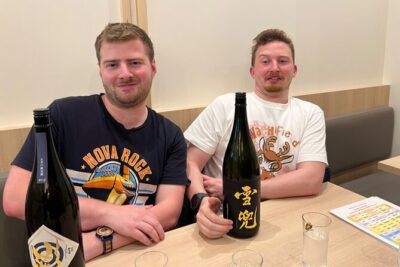 ★ 5.0Shibuya Food Tour (13 dishes and 4 Eateries)From $77770 reviews
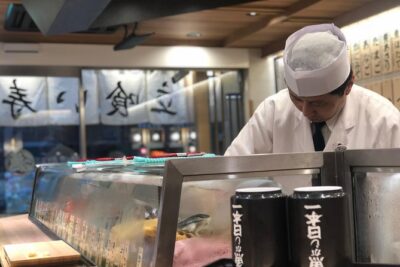 ★ 5.0Best of Shibuya Food TourFrom $217612 reviews
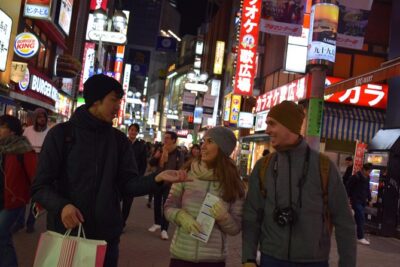 ★ 4.8Shibuya Highlights Walking TourFrom $19601 reviews
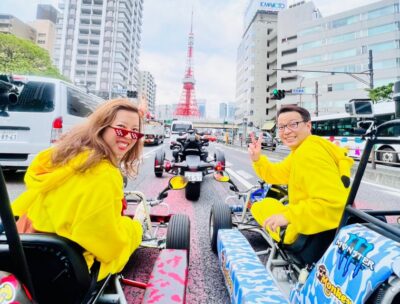 ★ 4.7Premium Go-Kart Tour with Tower & Shibuya CrossingFrom $116528 reviews
This tour also belongs to