
Review · TOKYO SAMURAI EXPERIENCES
Ninja Samurai 2-hour hands-on lesson by Japanese master in Tokyo
Be a ninja for two hours.
This Tokyo class puts you in front of an English-speaking master to learn Kuji-In ninja meditation and hands-on weapon basics in a real training setting. I like that it blends ninja tactics with samurai sword work, so you get more than a costume photo stop.
Two things I especially like: the format is small-group (up to six people), and you actually practice with several tools, not just watch. You might train with instructors such as Hyoga sensei, Onel, Asami, or Buddy, and the teaching style shows up in the reviews as patient and fun.
One possible drawback to plan for: it is hands-on and a bit active. Expect running or jumping moments during training, and the building access can mean stairs, so come ready with comfortable shoes and an easy pace in mind.
Key points you will care about
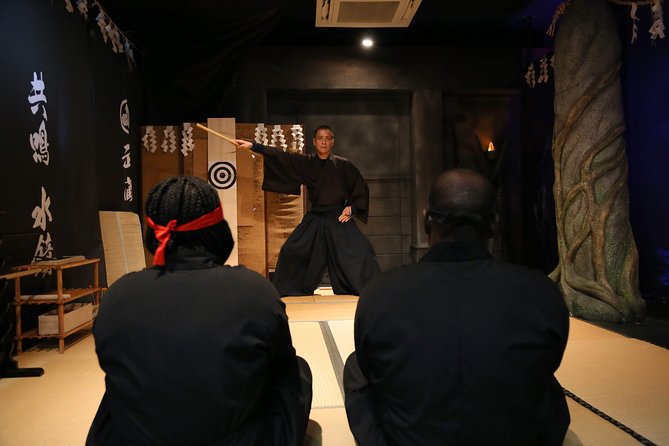
- Up to six people means you get more hands-on time and less waiting around
- Kuji-In ninja meditation is part of the lesson, not just weapons
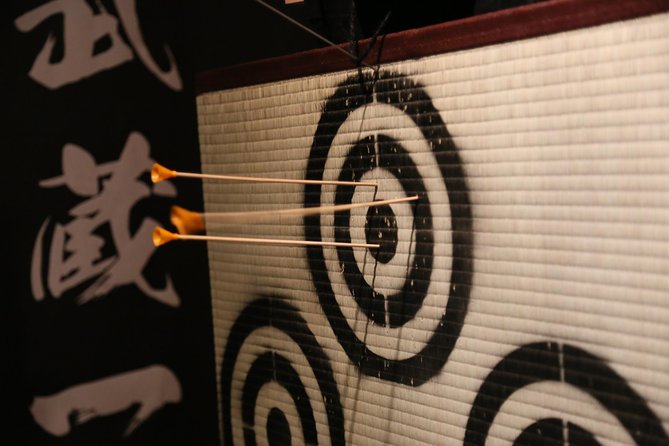
- Shuriken and blowgun training are included, with practice aimed at targets
- Samurai sword drawing and technique are taught with you getting to try
- Ninja outfit rental helps you get into the role for the whole session
Why this lesson works in Tokyo: real training, not a costume show
Tokyo has a lot of themed activities. This one is different because the class is built like a dojo lesson, with structured instruction that mixes mind, movement, and technique. You are not only learning what ninjas and samurai did, you also practice pieces of the skillset.
The ninja and samurai themes are separated into training blocks, which helps the time feel organized. You start with ninja side content like meditation and stealth movement concepts, then shift into the samurai sword fundamentals and a performance piece.
And yes, the “you feel like a ninja” element is real. The rental ninja clothes are part of that, but the bigger value is that the outfit makes you pay attention to posture, movement, and control, which matters for the weapon training later.
More Tokyo tours and experiences for the shortlist



Meeting at Ninja Samurai Tokyo in Shiomi: get your footing first
You meet at Ninja Samurai Tokyo, 135-0052 Tokyo, Koto City, Shiomi, 2-chōme 39 Bayfrere Shiomi, EAST 4階. It is in a building right in Shiomi, and it is near public transportation.
Practical note: one review mentioned the elevator was not working and the group walked up four short flights of stairs. So if you have mobility limits or simply do not want stair-heavy entry, plan for that possibility. Pack a light bag, wear grippy shoes, and assume you will be moving inside.
The good news is the class ends back at the meeting point, so you are not stuck finding your way across the city after the lesson.
The ninja portion: Kuji-In meditation and stealth drills
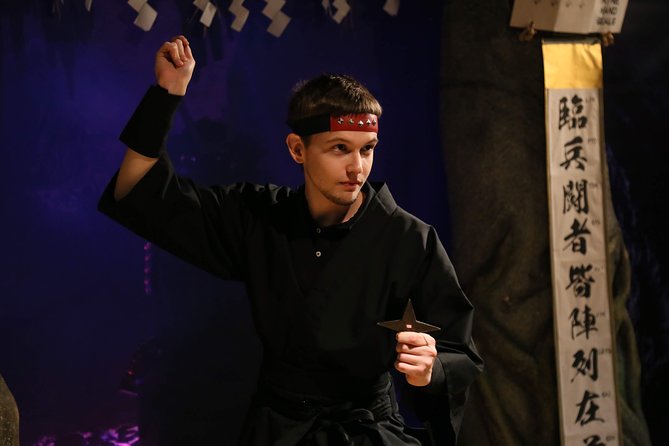
The ninja section is built around technique and mindset. You learn ninja meditation, called Kuji-In, and you practice it as part of the class flow. That matters because it sets the tone. Instead of jumping straight into weapons, you start with control and focus.
You also get an introduction to ninja tools and what they were used for, in plain English. The session includes a ninja trick-house style gimmick, which is basically a structured way to teach stealth concepts and movement ideas you can remember.
From there, you move into hands-on weapon training. The class includes instruction and practice for ninja sword work, and then it transitions into shuriken practice and blowgun training.
This is the part where the small group size really pays off. When you have up to six people, the instructor can correct your grip, stance, and timing without rushing anyone.
Shuriken and blowgun practice: targets, form, and real props
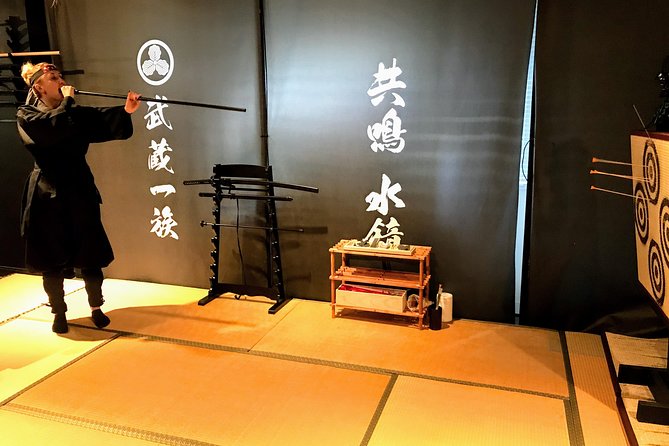
If you want the most memorable “hands-on” moments, the shuriken and blowgun practice is where you feel it. The class teaches and trains shuriken (ninja star) throwing and ninja blowgun (blow darts) use.
A key point: you learn technique, not just how to launch something. You are taught how to hold and aim, how to keep control, and how to follow instructions safely in a training environment. The reviews mention targets, and that target practice is what makes it satisfying, you can actually feel improvement rather than just trying once.
One review also noted that the instructor had participants practice with a real metal ninja star. That is not something you should assume for every session, but it helps explain why people come away impressed by how tangible the experience feels.
If you have done other “throwing” experiences before, you will likely notice this one focuses more on form and coaching. That is part of the value of having a master teaching in English.
Ninja sword and gear basics: learning what matters before speed
Along with the throwing and blowgun pieces, the class includes demonstration and training for a ninja sword. Even if you are new, you get the sequence taught in a way you can follow step-by-step.
The class also covers ninja tools and how they connect to the broader idea of stealth. That makes the lesson less about flashy moves and more about understanding why certain grips, movements, and timing exist.
And you will see why the costume rental is included here. When you dress the part, your posture and movement habits tend to improve. It is a small thing, but it helps you take the training seriously for the full two hours.
More Tokyo tours and experiences for the shortlist



Samurai portion: drawing the sword, using it, then performing it
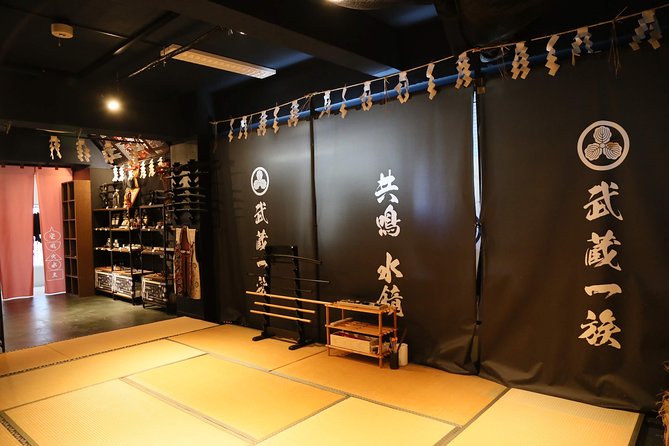
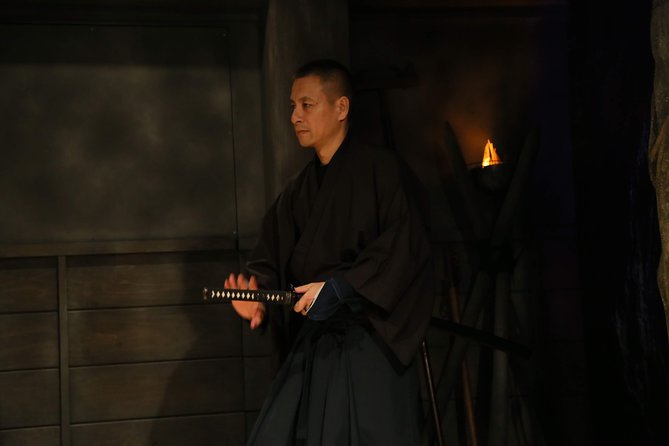
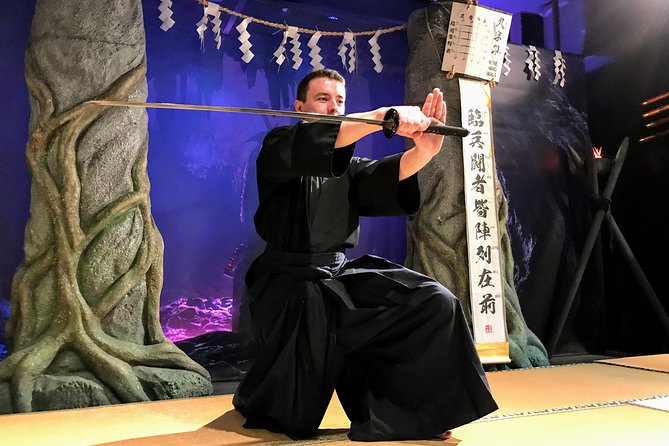
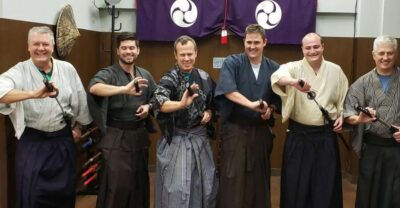
The samurai side is straightforward and practical. You learn samurai techniques and spirits with a Japanese samurai sword. That includes instruction on how to use it and, importantly, how to draw it.
For many people, sword drawing is the highlight because it is dramatic but also technical. The class walks you through the mechanics and then you get the chance to practice. The instructor also helps you understand differences in sword usage, so it does not feel like random swing practice.
Then comes the fun part: you can watch and play the samurai performance you learn. That means the class wraps technique into something you can actually do, not just memorize.
This is a good place to bring a friend or family member, because the performance element makes it easy to share the moment. It also helps you remember what you learned, because you are not only doing drills in silence.
The full 2-hour flow: how the timing stays packed
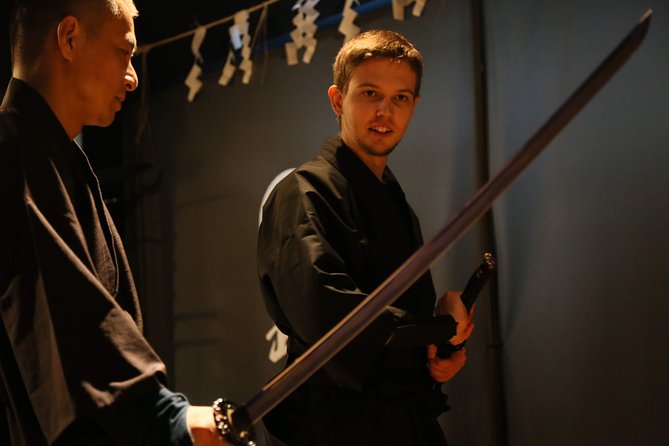
The entire session runs about two hours. For that time, the class moves through a lot: meditation, tool introductions, a trick-house gimmick, ninja sword training, shuriken practice, blowgun training, then samurai sword instruction and practice, plus a performance.
The timing works because the session alternates between explanation and hands-on practice. When you are in a group of six, it also reduces dead time. You are not waiting for long stretches while the instructor works with one person.
One review mentioned the experience included a mix of ages, including people in their 20s up to 60s, and everyone completed training. That is a good sign the pacing is flexible.
Still, keep expectations realistic. This is a lesson, not a certification. You get real practice in a short window, and you leave with a strong sense of the basics rather than mastery of everything.
Price and value: $86.22 for a lot of coaching
At $86.22 per person for about two hours, the cost is not small. But the value comes from the combo: a master teaching in English, ninja clothes rental, admission included, and multiple weapon activities.
Here is what you are paying for in plain terms:
- Hands-on practice with several different tools, not just one
- Small group coaching up to six people
- English instruction from a sensei with ninja and samurai arts training
Also, the class is booked often, with strong ratings, which usually means the instruction quality and lesson structure hold up across dates. You are also getting a “do something” experience, which often feels better than passive sightseeing when you are on a tight itinerary.
What is not included: bottled water. Bring a small bottle so you do not have to scramble before training.
Who this suits best in Tokyo
This is a strong fit if you want a break from typical museum time and you like learning by doing. It also works well for couples and small groups because you can bond while practicing together.
It suits families too. Reviews specifically mention families with kids around 11 and 13, and they still had a great time with both ninja and samurai elements.
It is also a good choice if you want something memorable that is not just shopping or dining. Dressing in ninja outfits, practicing Kuji-In meditation, and then drawing and using a samurai sword gives you a Tokyo story you will still be able to tell months later.
One more practical thought: the class is suitable for most people, but it includes some movement. If you have limitations, wear comfortable shoes and go in with a calm mindset.
Practical tips that make your session smoother
Here are the on-the-ground things that help you enjoy the class more:
- Wear shoes with grip and support.
- Expect stairs inside the building, since the elevator might not always be available.
- Bring your phone or camera. Reviews encourage recording, and the experience is structured enough to get good moments.
- Eat and drink beforehand, since bottled water is not included.
Also, be ready to follow safety instructions closely. With weapons training, the instructor’s job is to keep it controlled while still letting you practice. That is part of why this lesson feels professionally run.
Should you book Ninja Samurai in Shiomi?
If you like active classes, you want an authentic-feeling dojo lesson, and you do not mind getting hands-on with shuriken throwing, blowgun practice, and samurai sword basics, I think you will enjoy this. The small group size up to six people is a big deal here, because it keeps the experience personal and coaching-heavy.
I would skip or reconsider if you strongly prefer quiet sightseeing, you cannot handle some stairs, or you do not feel comfortable with basic active training. But if you can handle a fun, structured lesson with real instruction in English, this is the kind of Tokyo experience that feels different from the usual checklist.
Book it early in your trip if you want energy for one last big activity. Two hours goes fast when you are switching between ninja meditation, weapon drills, and the samurai performance piece.
FAQ
What is the duration of the Ninja Samurai lesson?
The lesson runs for about 2 hours.
How many people are in each class?
The class size is limited to a maximum of 6 travelers.
Is the instruction offered in English?
Yes. The training is taught in English by Japanese sensei masters.
What is included in the price?
The price includes the admission fee, a Japanese sensei master who teaches in English, and ninja clothes rental during training.
What weapons or techniques do you learn?
You learn ninja meditation (Kuji-In), ninja sword training, shuriken training, and blowgun (blow darts) training. You also learn samurai sword techniques, including how to draw and use the sword.
Where do you meet, and where does it end?
You meet at Ninja Samurai Tokyo in Shiomi, Tokyo (Bayfrere Shiomi, EAST 4階). The activity ends back at the meeting point.
Is there a cancellation window with a full refund?
Yes. You can cancel up to 24 hours in advance for a full refund. If you cancel within 24 hours of the start time, the amount paid is not refunded.
More 2-Hour Experiences in Tokyo

More Workshops & Classes in Tokyo

More Tour Reviews in Tokyo






Not for you? Here's more nearby things to do in Tokyo we have reviewed












Tokyo Samurai Experiences, side by side.
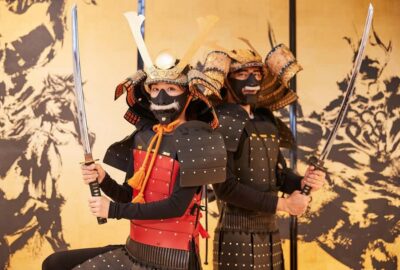 ★ 4.6Samurai Ninja Museum Guided tour and ExperienceFrom $271,010 reviews
 ★ 5.0Samurai Sword & Archery Class from Samurai DescendantFrom $193603 reviews
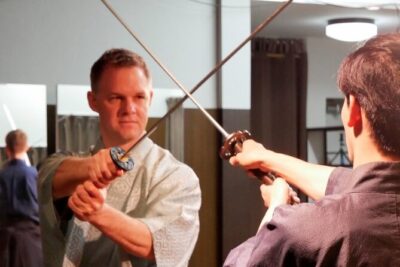 ★ 5.0Best Samurai Experience in TokyoFrom $65458 reviews
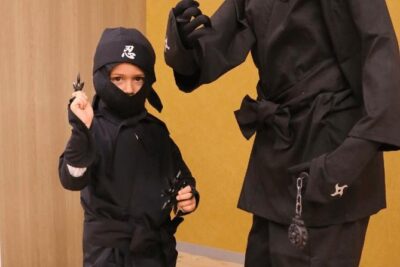 ★ 5.0Ninja Experience (Family Friendly) at Samurai Ninja Museum TOKYOFrom $47441 reviews
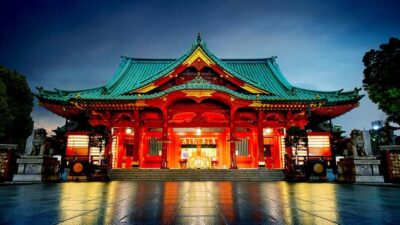 ★ 4.6Samurai Entertainment Night Show in Kanda ShrineFrom $41417 reviews
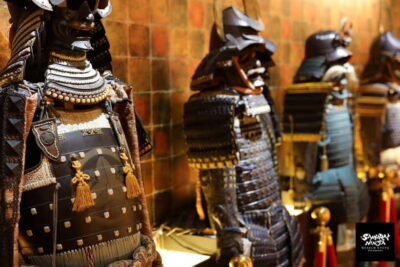 ★ 4.8Samurai Ninja Museum Asakusa: Samurai Sword Lesson & TourFrom $63306 reviews
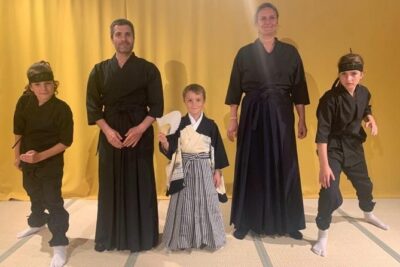 ★ 5.0Samurai Sword Experience (Family Friendly)at SAMURAI MUSEUM TOKYOFrom $65168 reviews
 ★ 4.9Best Samurai ExperienceFrom $63124 reviews
This tour also belongs to