
Review · TSUKIJI MARKET TOURS
Tokyo: Tsukiji Fish Market Seafood & Street Eats
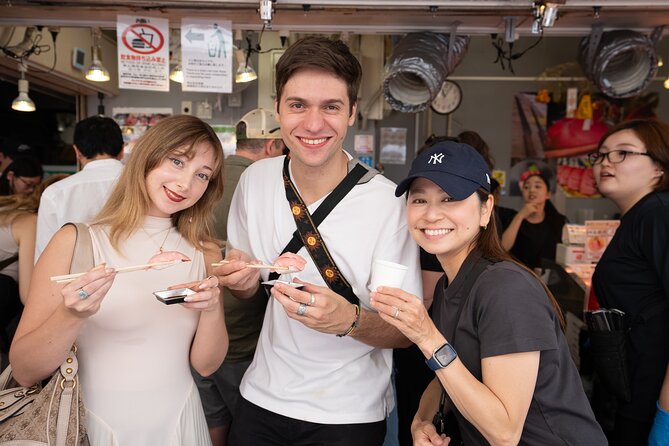
Tsukiji makes breakfast feel like a street festival. This 2.5-hour walk with an English-speaking local guide takes you from Tsukiji Hongwanji Temple into the famed fish market lanes, where the morning food scene is the main event. You get context as you go, then you decide what to sample since food and drinks cost extra.
I like that the group stays small, up to 10 people, so you can actually ask questions and get stall-by-stall guidance. I also like the pacing: about 1 hour 30 minutes in the main Tsukiji Fish Market area, then a second pass through Tsukiji Jogai Market for street eats and snacks.
One consideration: food is not included, so you will want to plan a tasting budget if you want more than quick browsing. Since it is a food-focused morning, the day can feel a little more spendy if you keep saying yes to every recommendation.
Key things to know before you go
- Small group size (max 10) keeps questions practical and navigation easier.
- Temple stop first (Tsukiji Hongwanji Temple) gives you a calm reset before the market energy.
- Admission is included for the market and temple stops, so you pay once for the experience.
- English-speaking Japanese guide helps you understand what you are seeing and eating.
- You choose the tastings since food and drinks are not included in the price.
- Food-line help may happen, so you spend more time eating and less time figuring it out.
Tsukiji Hongwanji Temple sets the tone before the food chaos
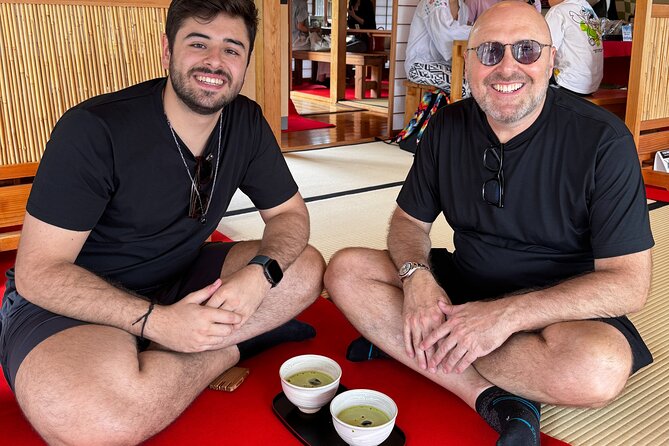
Most Tokyo food stops start cold, with a crowd and a menu. This one starts at 築地本願寺 (Tsukiji Hongwanji Temple), which is a smart way to begin. You get a quick look at a unique architectural site in the city, plus a bit of local grounding through your guide. The effect is simple: you are less lost when the market gets loud and crowded.
This first stop also helps you meet the group and get the rhythm of the tour. You have time to orient yourself before you head into the fish market areas. If you are in Tokyo on a tight schedule, it is nice to have a structured, time-efficient start rather than wandering on your own with zero context.
You can also read our reviews of more shopping tours in Tokyo

Main Tsukiji Fish Market: how the morning is supposed to work
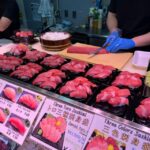
After the temple, you head into Tsukiji Fish Market, where your guide shares the history and culture of Tsukiji. The area is famous for tuna auctions, and you will hear about that system and why it shaped the market culture. Even if you are not there for the exact auction moment, this stop explains the why behind the what.
You get about 1 hour 30 minutes in the main market zone, with admission included for this segment. That is long enough to do more than pass by stalls. With a guide, you are not just scanning menus, you are understanding what makes certain items part of the market identity.
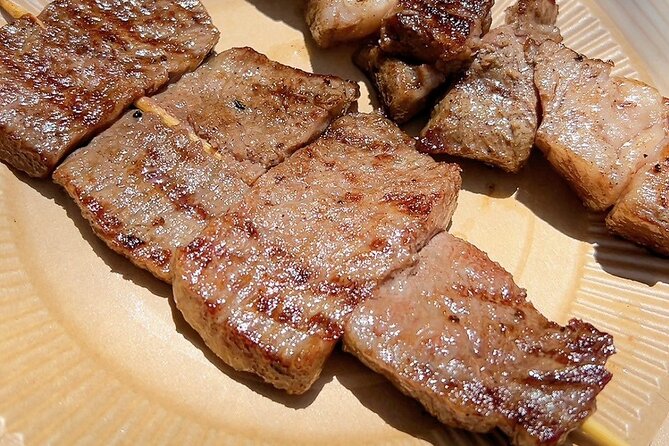
What should you expect to taste here? The best part of Tsukiji is that the food is built for sampling. In real-life examples from guides, people often end up trying things like:
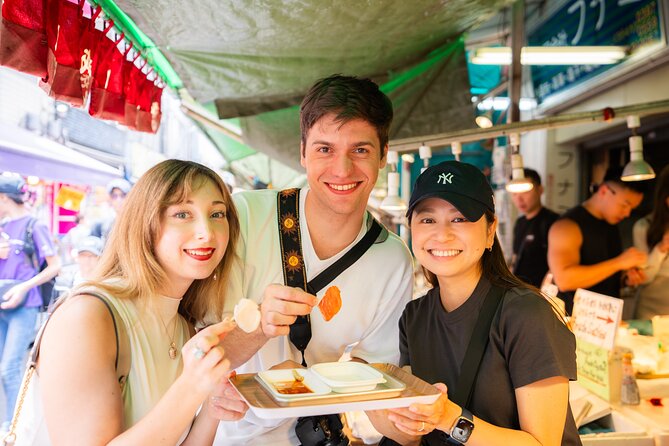
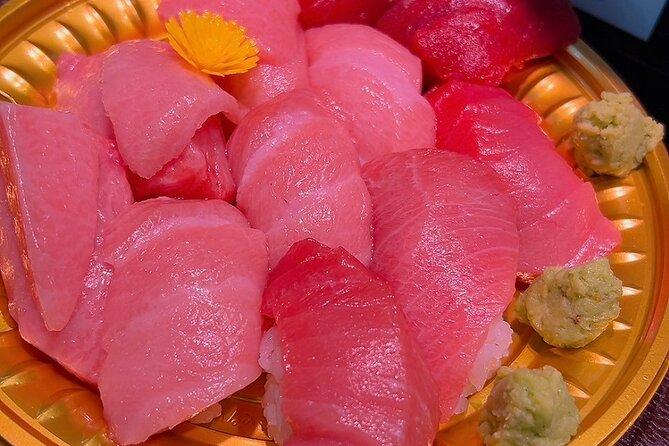
- tuna sashimi, including different fat levels
- seafood rice crackers
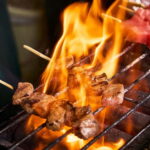
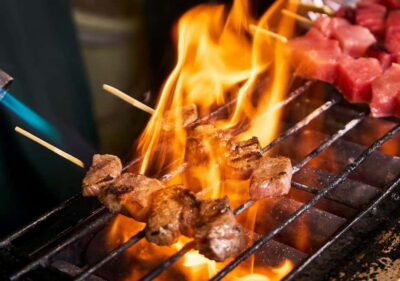
- tuna kabobs
- hot seafood and shellfish options that show up at multiple stalls
If you want the classic Tsukiji experience, this is where you try tuna first. If you get full quickly, you can still enjoy the street atmosphere and come back to simpler bites later in the walk.
One practical note: queues are part of this market. The good news is that the tour is designed around that reality. Guides like Haru have been described as willing to wait in line for a very popular tuna spot so the rest of the group is not stuck standing around. That does not mean every line is magically removed, but it does mean your guide is thinking about time and convenience.
Tsukiji Jogai Market: street eats and a second chance to sample
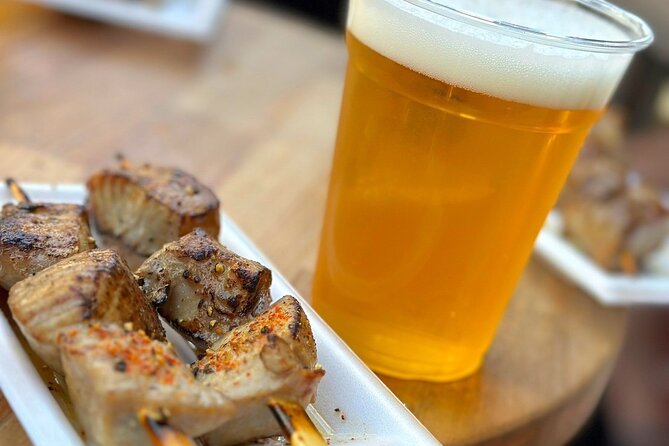
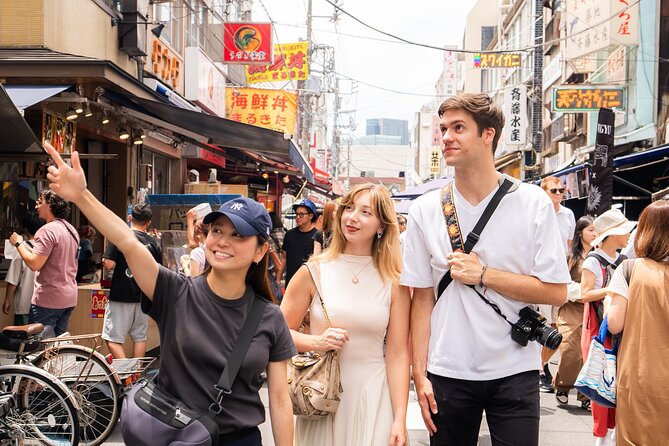
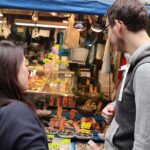
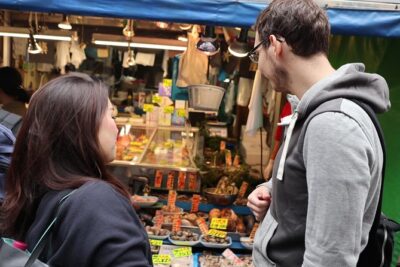
Next comes Tsukiji Jogai Market, where the tone shifts from auction-story and specialty stalls to street-eats energy. You get about 1 hour here, again with admission included. This section is where browsing turns into actual tasting decisions.
Your guide walks you through a dense mix of shops selling fresh seafoods and Japanese street food. This is also where you can use your first tasting experience to steer your next bites. If your tuna sampling was a hit, you can build on it. If you learned you prefer cooked seafood, this is the place to pivot.
The market can include both casual stalls and places where you sit down. In guide-led food outcomes people have described, you might find heavier hitters like:
- giant crabs at a sit-down spot
- eel
- scallops
Because food and drinks are not included, your tour price buys the walking, the storytelling, and the access. Your tasting choices are your own. That is a drawback for anyone who wants an all-in meal plan, but it is also a flexibility perk. You can go big on one or two items or spread your budget across multiple small bites.
What you learn from the guide, not just what you eat
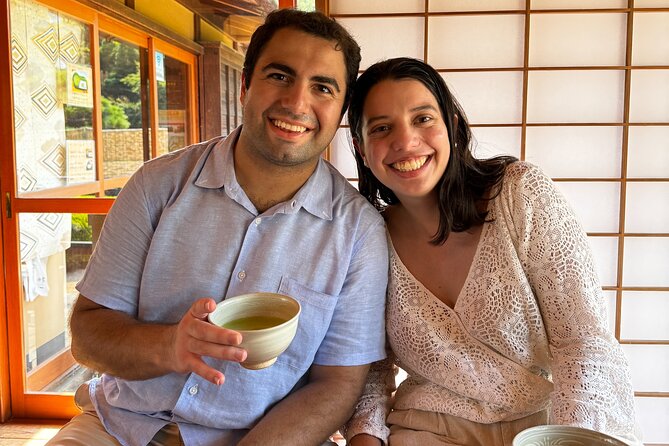
This is not a museum-style lecture. The tour is set up so the market itself answers most of the questions, while your guide supplies the missing context. Your English-speaking guide is there to point out what matters, explain culinary culture as you go, and help you make choices when menus are confusing or when stall setups do not translate cleanly.
Guide names that show up often in real feedback include Haru, Toko, and Ryo. Across those examples, the standout pattern is how guides manage real group needs:
- Haru has been noted as early and adaptable when a family needed accessibility exit options on the subway.
- Toko has been praised for being friendly and patient with kids.
- Ryo has been described as understanding the goal when people want a food-first experience, not a field-trip vibe, and for getting the group to the best tastes efficiently.
That matters because Tsukiji is not a place where you automatically know where to go. A guide turns that into a plan, and a plan turns into fewer wasted minutes.
The small-group setup also matters. With a maximum of 10 people, your guide is more likely to answer follow-up questions instead of rushing through everyone’s needs. That is especially useful if you have dietary questions or if someone in your group is deciding between a few similar seafood options.
How long it really takes, and why the timing helps
The whole tour runs about 2 hours 30 minutes. It is listed as a morning tour, and that schedule is one of the reasons it works. Fish markets are at their best when the day is young, and the crowds tend to behave differently in the earlier hours than later in the day.
It also fits a busy Tokyo itinerary. If you are trying to fit in other neighborhoods the same day, the 2.5-hour format is easier to combine with temple visits, museum blocks, or a classic city walk.
You start at 3-chōme-9-10 Tsukiji, Chuo City, Tokyo 104-0045, Japan, and the experience ends back at the meeting point. Ending where you started makes it simpler to re-route yourself afterward, whether you are heading to another station or just continuing on foot.
The tour is also described as near public transportation, which is helpful. You do not want your first market day to start with a long walk from a station while you are already hungry.
More Tokyo tours and experiences for the shortlist
Price and value: what your $42 actually covers
At $42.00 per person, this is not a cheap add-on, but it is also not pretending to include a full meal. Here is the value math that helps you decide.
What you pay for:
- An English-speaking local guide
- Market and temple time with explanations about Tsukiji culinary culture
- Entry/admission for the stops included in the tour plan, including Tsukiji Jogai Market and Tsukiji Hongwanji Temple (and admission is also noted for the main fish market segment)
What you do not get:
- Food and drinks are not included, so your spending depends on how much you want to sample
That means the real cost is your tour fee plus your tasting budget. For some people, that is ideal because they want control. If you only want a couple of bites, you can keep it lean. If you want to try multiple tuna styles and a mix of cooked seafood, it can quickly become a full food budget day.
The big value point is that you are not paying only for food access. You are paying for guidance in a complex place, plus included entries that reduce the friction of planning your own route.
Who this tour fits best in Tokyo
This experience is a strong match if you want a guided, time-efficient introduction to Tokyo seafood culture and you like the idea of tasting your way through a famous food area.
It is especially good for:
- First-time Tokyo visitors who want a structured start without overplanning
- Food-focused days where you still want context
- Families, since feedback includes guides being patient and accommodating with kids
- People who want English help in a market environment where signage and choices can feel overwhelming
If your main goal is a sit-down restaurant meal with a fixed menu, this may not be your best fit. The tour is built around walking plus sampling at your own expense.
Weather, walking, and practical expectations
This activity requires good weather. If conditions are poor, you get offered a different date or a full refund. That is important in Tokyo, where mornings can shift quickly between clear and damp.
Plan for walking through crowded market lanes. Your guide helps you move as a group, but you should still expect the market to feel busy. If your group has mobility needs, mention them early and ask about how the guide can support your navigation. Adaptable guidance has been specifically mentioned in real feedback.
Also, since food is extra, come hungry but set a spending plan. You will have more fun if you decide in advance whether you want to focus on tuna, try a mix of seafood types, or do a few small snacks.
Should you book this Tsukiji seafood and street eats tour?
Book it if you:
- Want a small-group, English-friendly way to experience Tsukiji
- Prefer a 2.5-hour morning plan over hours of wandering
- Like the idea of tasting market food without committing to one restaurant
Consider skipping or rethinking it if you:
- Want food included in the price
- Are not interested in market-style eating and prefer quiet, ticketed attractions
- Have a tight budget and do not want to add extra spending for tastings
If you decide to go, bring your best strategy: pick one or two items you really want, then let your guide guide the rest. That approach keeps the tour feeling fun instead of stressful.
FAQ
How long is the Tsukiji Fish Market seafood and street eats tour?
It lasts about 2 hours 30 minutes.
What is the price per person?
The price is $42.00 per person.
Is food included in the tour price?
No. Foods and drinks are not included, and you purchase tastings at your own expense.
What stops are included on the tour?
You visit Tsukiji Hongwanji Temple, the Tsukiji Fish Market area, and Tsukiji Jogai Market.
Are entrance fees included?
Yes. Entry or admission is included for Tsukiji Jogai Market and Tsukiji Hongwanji Temple, and admission is noted as included for the Tsukiji Fish Market stop.
How big is the group?
This tour has a maximum of 10 travelers.
Do I need an English speaker, or will the guide help in English?
The guide is described as a local Japanese English-speaking guide.
Where does the tour start and end?
It starts at 3-chōme-9-10 Tsukiji, Chuo City, Tokyo 104-0045, Japan, and ends back at the meeting point.
What happens if the weather is bad?
The tour requires good weather. If it is canceled due to poor weather, you are offered a different date or a full refund.
More Markets in Tokyo
More Shopping Tours in Tokyo
More Tour Reviews in Tokyo






Not for you? Here's more nearby things to do in Tokyo we have reviewed












Tsukiji Market Tours, side by side.
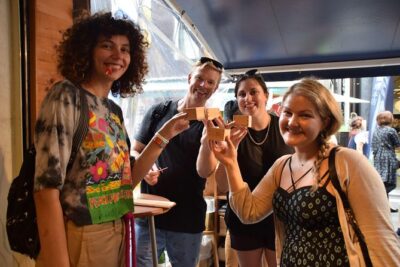 ★ 5.0Tokyo Tsukiji Fish Market Food and Culture Walking TourFrom $993,184 reviews
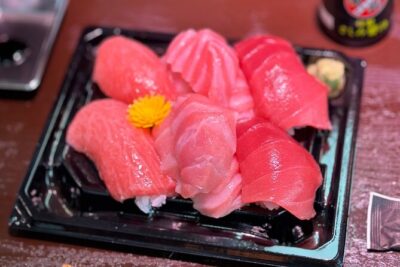 ★ 5.0Tsukiji Fish Market Food and Walking tourFrom $301,724 reviews
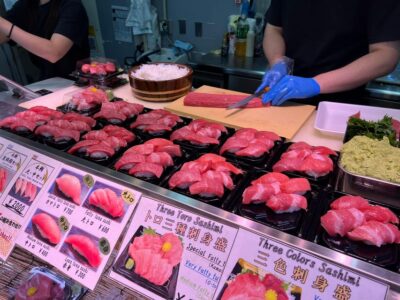 ★ 4.9Tsukiji Fish Market Guided Walking TourFrom $221,397 reviews
 ★ 5.0Tokyo Sushi Making Class in Tsukiji with Professional ChefFrom $491,177 reviews
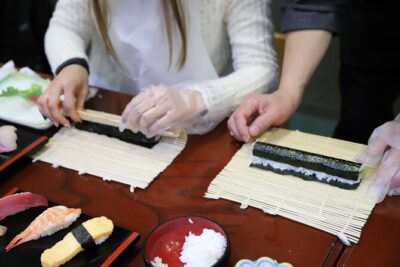 ★ 5.0Tsukiji Fish Market Guided Tour and Sushi Making with Pro ChefFrom $104775 reviews
★ 4.7Tsukiji Fish Market Food and Culture Walking TourFrom $96757 reviews
★ 5.0Tsukiji Fish Market Guided Tour and Sushi Making with Pro ChefFrom $104775 reviews
★ 4.7Tsukiji Fish Market Food and Culture Walking TourFrom $96757 reviews
 ★ 5.0Tsukiji Fish Market: Street Food & Culture Walking TourFrom $33669 reviews
 ★ 5.0Tsukiji Fish Market Small-Group Food Walking TourFrom $87621 reviews
This tour also belongs to