
Review · TOKYO CITY TOURS
Tokyo Private Walking Tour With Fresh Eyes, Local Hearts
Tokyo feels huge until someone points the way. This private walking tour keeps you moving through Tokyo’s best-known landmarks while still letting you steer toward what you actually care about. The guide is born and raised in Tokyo, so you get context, shortcuts, and local habits, not just a script.
My two favorite parts are the custom itinerary and the private, one-on-one attention. You can request changes instead of wasting half the day saying, should we go here or there? The only real drawback is that some famous interiors are not included, like the inside of the Imperial Palace and the main Kabuki-za theater, so plan around seeing the key public areas and surrounding highlights.
Key points that make this tour worth your time
- Born and raised Tokyo guides guide the pace and the priorities, so you get meaning, not just motion
- Customizable route means you can trade one stop for another (or add a different vibe)
- Most stops are short and focused (often around 15 minutes), so it works great for first-time structure
- A mix of classics and local-feeling streets, including markets, shrines, and neighborhood flavor
- Some attractions have extra admission, especially several gardens listed as not included
A private Tokyo intro that saves you from decision fatigue
If Tokyo is overwhelming, this style of tour is the antidote. You’re not stuck building a day from scratch, then losing time to indecision, wrong turns, and “Is this the station we meant?” Instead, you start with an easy, curated flow and then adjust.
This is also a smart way to calibrate. Tokyo has worlds inside worlds, and even the same area can feel totally different depending on the time of day. A private guide helps you see patterns fast, like how Tokyo’s shrine rhythms contrast with shopping streets, and why certain viewpoints feel better at night.
The tour is priced around $26.36 per person, which is impressive for what you’re buying: a private guide, walking and public transport support, and the ability to shape the day around your interests. Just remember this is not a car tour, so you’ll want comfortable shoes and a pace you can handle.
You can also read our reviews of more walking tours in Tokyo


How the customization really helps (and what to ask for)
The promise here is simple: you tell the guide what you like, and they tailor the route. That can mean prioritizing food stops, skipping something you’re not into, or adjusting the balance between high-energy districts and calm gardens.
A practical way to use customization is to give your guide two “musts” and one “no thanks.” For example:
- Must see Shibuya Crossing and Meiji Jingu Shrine
- Must do a market breakfast
- No thanks on nightlife, or no interest in shopping streets
In one 5-star review, a family got matched with a guide named Toko, who contacted them to learn interests and then created a plan for first-time visitors, including stops that worked well for kids. That’s the kind of responsiveness that makes a private tour feel less like a checklist and more like a day that actually fits you.
Pacing: what “1 to 8 hours” feels like on foot
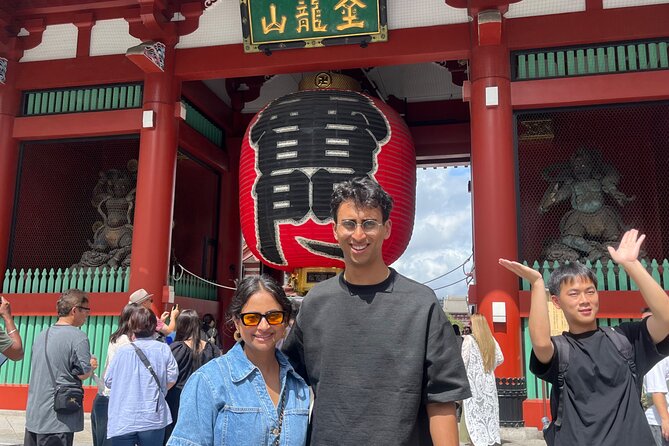
This tour can run from about 1 hour up to 8 hours, and the stop lengths are typically short, often around 15 minutes. That doesn’t mean the sights are trivial. It means the guide keeps moving so you get the big picture, plus enough time to absorb what matters and take photos without feeling stuck.
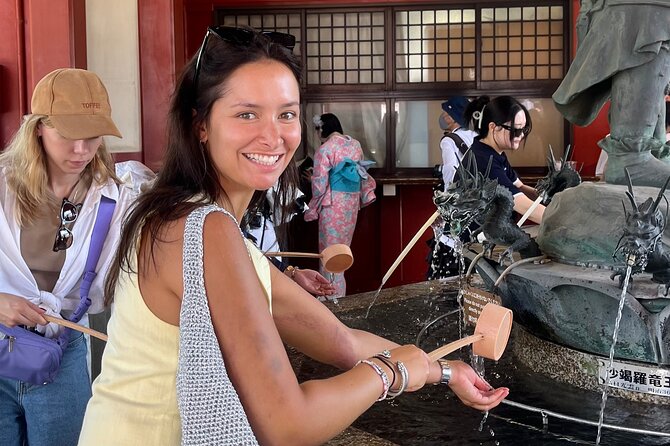
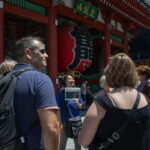
Senso-ji is one exception listed with a longer stop (about 30 minutes), which is a good sign if you want a moment to slow down in Asakusa. For the shorter stops, think of them as “arrive, orient, notice the details, and move on.”
One key consideration: since some locations involve gardens or large temple areas, you might want to ask your guide to slightly adjust time if you know you’ll want extra walking inside. You can’t expect deep, hour-long wandering at every stop when the plan is designed as a sampler.
Imperial Palace and Tsukiji: the morning cluster that works
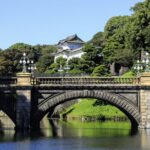
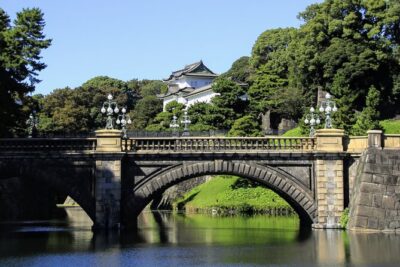
Many itineraries naturally start with the calm grandeur of the Imperial Palace area and then shift into Tokyo’s food-energy with Tsukiji. Even when you only get access to public areas, it’s still a worthwhile start because you see how Tokyo frames history: moats, walls, and park-like space instead of a cramped city scene.
Imperial Palace public areas (not the inside)
The tour notes that you do not get entry into the interior. You’re limited to certain public zones, which is still valuable. It’s a great place to understand the scale and layout, and it sets a reflective mood before you hit markets.
A practical tip: if you’re hoping for a “walk into the palace” experience, you’ll be disappointed. If you want atmosphere, location awareness, and a clean photo route, this stop fits.
You can also read our reviews of more private tours in Tokyo

Tsukiji Outer Market: breakfast and quick bites
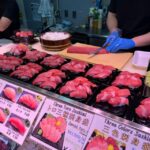
The Tsukiji Outer Market is described as one of Tokyo’s most historic markets with 400+ stalls and shops. This is one of those places where a guided stop can save you time, because the guide can point out what’s most worth trying without you getting overwhelmed by choice.
Since meals are not included, you’ll be paying as you go. That said, it’s a smart use of your time because the market energy is part of the experience, not just the food.
Tsukiji Fish Market: a lesser-known angle
The Tsukiji Fish Market stop is framed as a hidden gem, even for many Japanese people. That’s a clue about expectations: don’t go in thinking it’s the same tourist circus as the outer streets. The value is in learning what you’re seeing, why it matters, and how to approach it without standing in the wrong places.
Also, admission is listed as free for these segments, which helps the budget. The tradeoff is that the market side of Tokyo can change, so let your guide guide you on what’s open and how to walk through the area efficiently.
Shibuya Crossing, Meiji Jingu, and Kabukiza in one arc
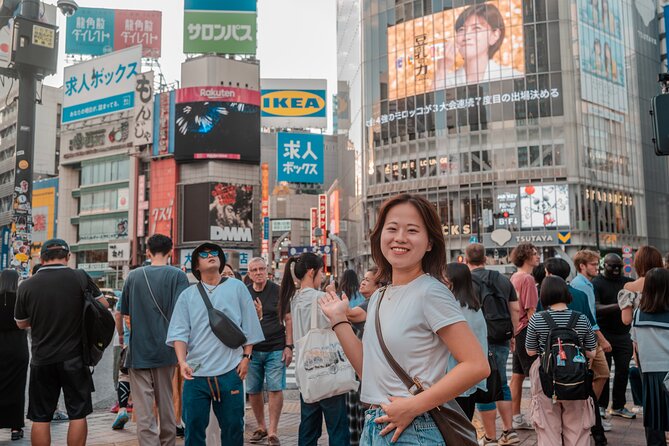
This is where Tokyo’s energy flips from “structured sightseeing” to “pop culture and tradition on display.”
Shibuya Crossing: youth culture and the choreography of the crowd
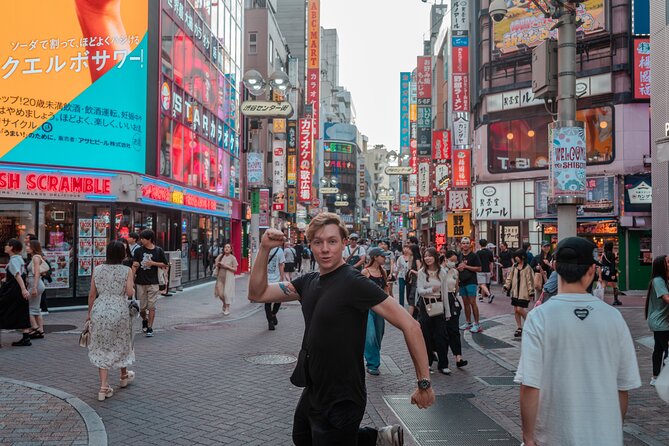
Shibuya Crossing is famous for a reason, but the guide context matters. It’s tied to youth culture, fashion, and entertainment. Standing there with someone who knows the pedestrian flow helps you pick an angle and timing so you don’t end up watching from the least interesting corner.
Admission is listed as free, so you’re paying for orientation and interpretation, not entrance.
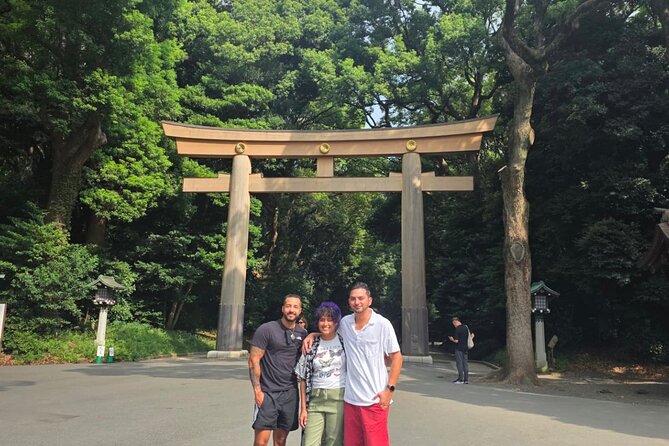
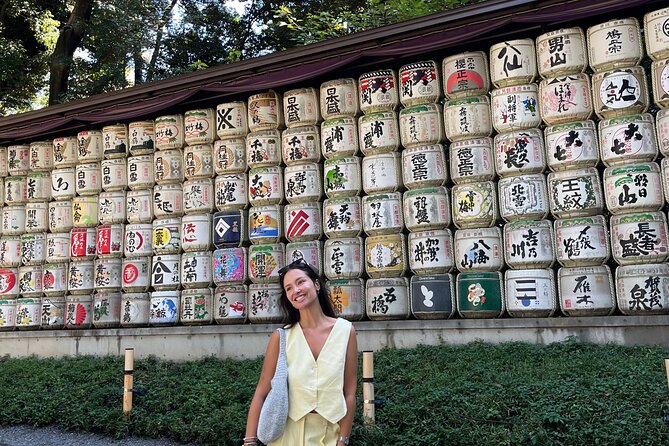
Meiji Jingu Shrine: built in 1920, felt as much older
Meiji Jingu Shrine is noted as established in honor of Emperor Meiji and Empress Shoken. It might not be the oldest in Japan, but the spiritual atmosphere is why it’s such a key stop.
You’ll likely enjoy this if you want contrast. After Shibuya’s motion, Meiji Jingu offers a quieter rhythm. Even with a shorter stop, you’ll learn what to notice, like the approach and how the space is designed for respect and calm.
Kabukiza Theater: the gallery visit beats the “outside only” plan
Kabuki is iconic in Japan, and this stop includes visiting a gallery on a different floor within the same building, not the main interior. That’s a realistic compromise: you still get cultural access, without needing expectations of a full theater tour.
It’s also a good option if you want a taste of Kabuki without committing to a performance.
Asakusa and Senso-ji: where the day slows for a reason
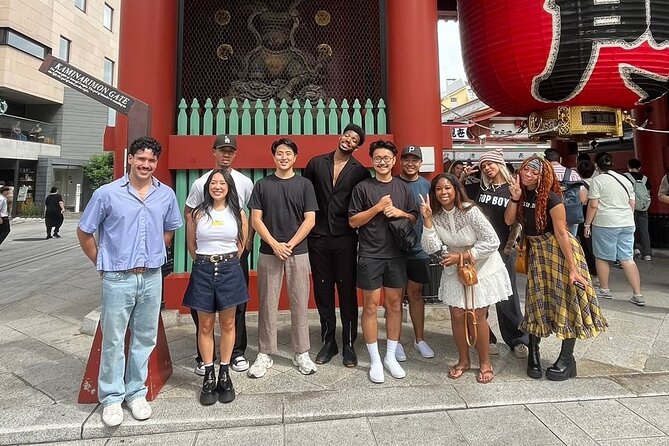
If you want one stop that feels instantly Tokyo, it’s Senso-ji Temple in Asakusa. It’s listed as the oldest temple in Tokyo and tied to a legend involving two fishermen brothers. That kind of story matters because it adds weight to what would otherwise be just another big crowd.
The stop includes about 30 minutes for Senso-ji, longer than most others. That’s useful because you’ll want a bit of time to absorb the temple approach, watch people performing small rituals, and walk the surrounding street energy.
Asakusa area: tradition with everyday life
The additional Asakusa time is described as history and tradition preserved, with lively streets full of local character and charm. This is one of those neighborhoods where you can look for small details: shop signs, snack stands, and the way foot traffic moves differently than in more “theme-park Tokyo” areas.
Admission is free for these segments, so your main costs will be food and shopping if you choose to do either.
Gardens and shrines as an “option menu” for your mood
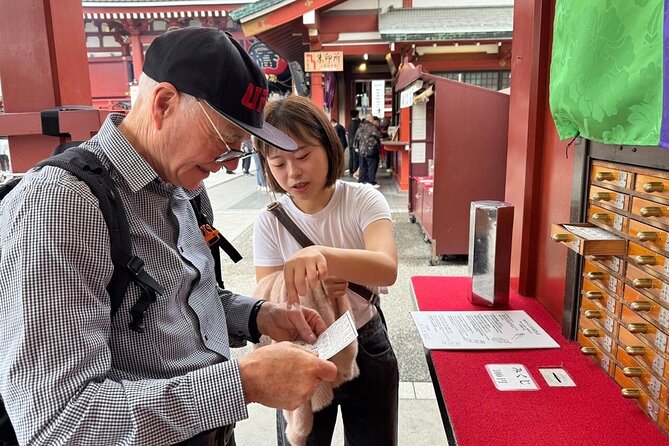
Tokyo’s best days often include a balance of concrete and green. This tour includes several garden choices, and the key is that some have admission not included.
Shinjuku Gyoen National Garden (admission not included)
Shinjuku Gyoen is described as an oasis of greenery and an imperial garden now open to the public. If you’re traveling in a season with strong plant display, it can be a highlight.
Just budget for the entrance since it’s marked as not included. Also, because you’ll be on a walking tour schedule, you may not have time for a long, leisurely circuit unless you plan the day around it.
Hamarikyu Gardens, Koishikawa Korakuen, and Rikugien (all admission not included)
You also have choices like:
- Hamarikyu Gardens, an Edo-period garden along Tokyo Bay with ponds and seasonal flowers
- Koishikawa Korakuen, an early Edo stroll garden with ponds and small bridges
- Rikugien, known for cherry blossoms and autumn foliage, with a pond-centered stroll route
If you care about gardens, pick one main garden stop and don’t try to cram multiple admissions back to back. The tour’s structure is excellent for seeing variety, but garden time is the kind you’ll feel most as “rushed” if you overbook.
Yoyogi Park and Nezu Shrine as lower-friction green
On the free or included-admission side, Yoyogi Park offers an urban escape and common activities like jogging and picnics. Nezu Shrine is famous for its azalea flowers, and seasonal blooms can make it a standout.
These can work as breathing spaces between busier neighborhoods, especially if you’re tired of crossing crowds every hour.
Golden Gai and Akihabara: two totally different Tokyo moods
This is a fun pair because it shows Tokyo’s range without needing a long train ride between every stop.
Shinjuku Golden Gai: tiny bars and narrow alleys
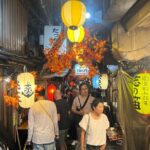
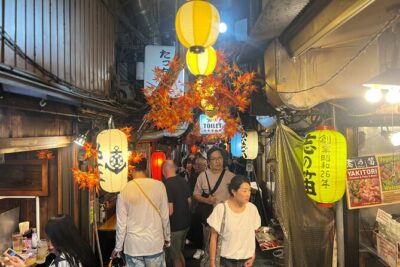
Golden Gai is described as a one-of-a-kind nightlife district with over 300 tiny bars packed into narrow alleyways. The streets are extremely narrow, and the buildings are described as traditional two-story style.
Admission is listed as free, but keep your expectations realistic. A short stop works for atmosphere and orientation, not for a full night out. If you want to actually drink, bring cash and decide quickly where you feel comfortable.
Akihabara: pop culture shopping and electronics
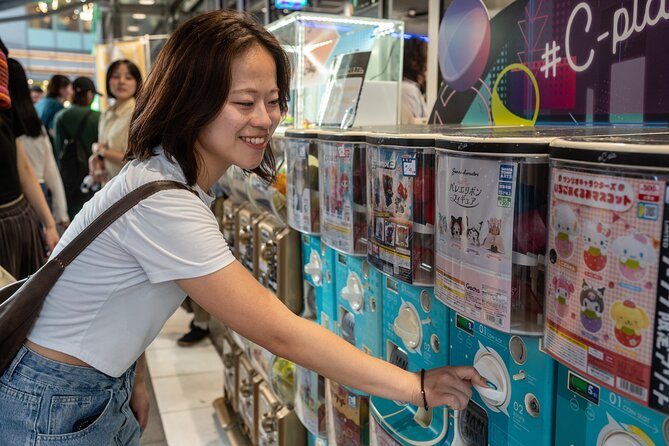
Akihabara is Tokyo’s hub for pop culture, with electronics shops and anime, manga, and gaming stores. This is one of the easiest districts to customize. If you’re into gadgets, your guide can nudge you toward the right storefronts, and if you’re into anime shopping, you’ll still get a clean route through the chaos.
Admission is listed as free, but spending is the real budget factor here.
Takeshita Street: kawaii shopping energy
You also have Takeshita Street near Harajuku station, described as centered on kawaii culture, with fashion, accessories, sweets, and character goods. This is a high-energy shopping street where the guided stop helps you navigate faster and find what matches your taste instead of just wandering into everything.
Tokyo Tower, Zojo-ji, and Ueno Park: viewpoints and culture stops
This tour doesn’t only do crowd favorites, it also mixes in history and park life.
Tokyo Tower: skyline views and nighttime light
The plan includes Tokyo Tower, described as iconic for panoramic city views and historically significant, with illumination at night. If your tour timing lines up, this can be one of the most memorable visuals of the whole day.
It’s also a stop where timing matters. If you’re doing it in daylight, set expectations around views. If you’re doing it at night, lean into the skyline feel.
Zojo-ji: Tokugawa family temple context
Zojo-ji is described as an Edo-period temple and the family temple of the Tokugawa clan, where several Tokugawa shoguns are enshrined. This stop works best if you like understanding how “big history” connects to everyday Tokyo geography.
Ueno Park: museums, art, zoo, and cherry blossom season
Ueno Park is described as a cultural and natural hub with museums, art galleries, and a zoo. In spring it’s famous for cherry blossoms and gets crowded, but even outside peak season it’s a strong area to reset between neighborhoods.
Admission is listed as free for the stop, which is a good value because the park itself supports a flexible walking rhythm.
Getting around: what’s included, what costs extra, and how to plan
The tour includes walking and public transportation, plus hotel pickup and a mobile ticket. Since it’s private, only your group participates, so you don’t get stuck behind slower walkers or squeezed by a large group.
What’s not included:
- Public transportation fees
- Meals and personal expenses
- Any private transportation
So the budget is mostly about your own food choices and any paid admission at the gardens and a few attractions marked as not included. If you’re hoping to keep costs down, your best strategy is to build your customization around the free stops and include just one or two paid admission gardens.
Value check: what $26.36 per person buys in real life
On paper, this doesn’t sound like much money for a private guide, and that’s where you should be a bit smart. The value comes from three things you can feel during the day:
- You avoid planning and decision fatigue, which saves time you would otherwise spend figuring out routes and logistics.
- The guide can adjust on the fly, like swapping stops to match your energy level.
- The pacing is efficient, with short, meaningful segments across different Tokyo zones.
In the strongest reviews, people highlight value for money and the fact that the tour is customized to what they like. That’s exactly what you should test for when you book. If you enjoy guiding yourself through cities but want structure and context, this fits. If you want long, slow museum-depth days, you might want to pick fewer stops for a longer duration.
Who this private Tokyo tour suits best
This is ideal if:
- You’re a first-time visitor who wants key Tokyo highlights without guessing
- You like variety, markets, shrines, neighborhoods, and quick orientation moments
- You want flexibility, not a rigid group tour
It can also work for couples and families, especially if your guide is responsive to your group’s interests. The mentioned family experience with guide Toko is a good example of how a private plan can land well even when you’re traveling with kids.
One more practical note: the tour is designed around walking and public transport, so it’s best for travelers who can handle city pace. Service animals are allowed, and the tour notes that most travelers can participate.
Should you book this tour?
If you want a fast start in Tokyo and you value a plan that adapts to you, I think this is a smart booking. It’s built for orientation and flexible highlights: Imperial Palace public areas, Tsukiji market segments, Shibuya Crossing, Meiji Jingu Shrine, Senso-ji and Asakusa, plus optional gardens and neighborhood flavor.
Skip this if your dream day is long, slow, inside-access sightseeing where you expect to enter the Imperial Palace interior or the main Kabuki-za theater. This tour can still bring you to the right places, but it’s focused on public areas and guided context.
FAQ
Will I get a private guide?
Yes. This is a private tour, so only your group participates.
Is hotel pickup included?
Hotel pickup is included.
Do I need to buy tickets for the stops?
Some stops are listed as free, and some are not included for admission. The tour also includes a mobile ticket.
Is public transportation included?
Walking and public transportation are included, but public transportation fees are not included.
Are meals included?
No. Meals are not included.
Can the itinerary be customized?
Yes. Tour customization is included, and you can make requests.
Are there any stops where I cannot enter the main attraction?
Yes. The Imperial Palace visit does not include entry inside, and Kabukiza does not include access to the inside of the main Kabuki-za theater.
Is there a range for how long the tour can be?
Yes. The tour duration is approximately 1 to 8 hours.
Is the tour suitable for most travelers?
The tour notes that most travelers can participate, and service animals are allowed.
More Walking Tours in Tokyo
More Tours in Tokyo


More Tour Reviews in Tokyo

Not for you? Here's more nearby things to do in Tokyo we have reviewed



Tokyo City Tours, side by side.
 ★ 5.01-Day Tokyo Bus TourFrom $12914,250 reviews
 ★ 4.5TOKYO SKYTREE® Admission ticketFrom $1311,192 reviews
 ★ 4.6teamLab Planets TOKYO Digital Art Museum Entry TicketFrom $259,779 reviews
 ★ 4.0Mt Fuji & Hakone Cruise, Drum Show Bullet Train 1 Day from TokyoFrom $1497,413 reviews
 ★ 5.0Shinjuku Food Tour (13 Dishes at 4 Local Eateries)From $866,603 reviews
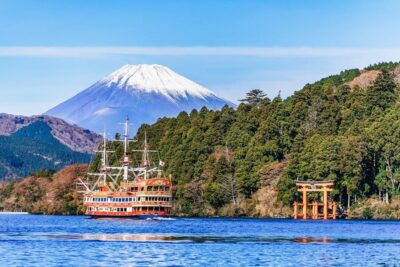 ★ 4.4Tokyo Mt Fuji 5th St & Hakone Cruise Bus Tour w/Bullet TrainFrom $1545,024 reviews
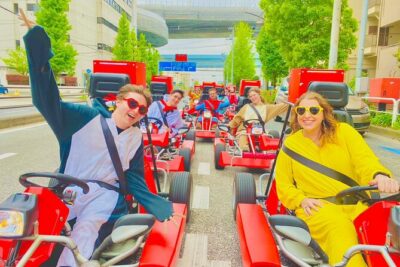 ★ 5.0Flagship 2-Hours Official Street Go-Kart Tour – Tokyo Bay ShopFrom $644,974 reviews
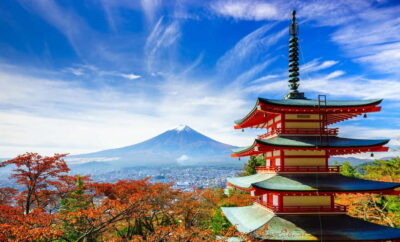 ★ 4.5From Tokyo: Mount Fuji Full-Day Sightseeing TripFrom $684,970 reviews
This tour also belongs to