
Review · TOKYO SUMO EXPERIENCES
The SUMO Show & Experience with Hot pot lunch
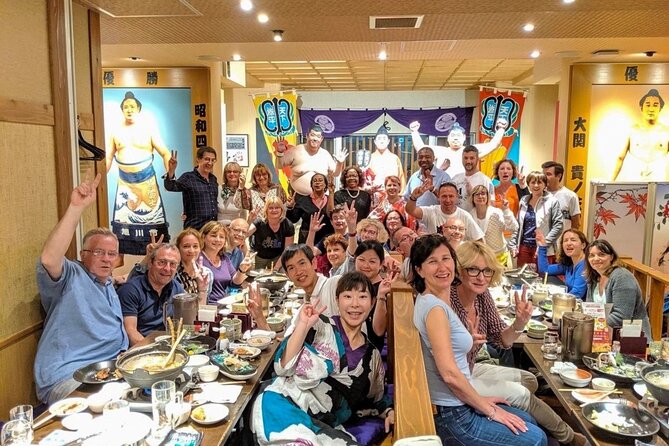
Tokyo’s Ryogoku turns sumo into something you can try. In a sumo-themed restaurant near the action of Japan’s national sport, you get a real clay ring, hands-on training, and a live demonstration that explains what the rituals mean.
I also like that the pace works for mixed ages. The event is built for families, with former wrestlers showing how sumo works before you test your own footwork or join a silly challenge.
One possible drawback: it is tightly timed at about 2 hours, so it is not a long, deep training session. And the operator notes the experience requires good weather, so build in some flexibility.
Key things to know before you go
- Real clay dohyo time: You step into a traditional-style ring setting, not just watch from the seats.
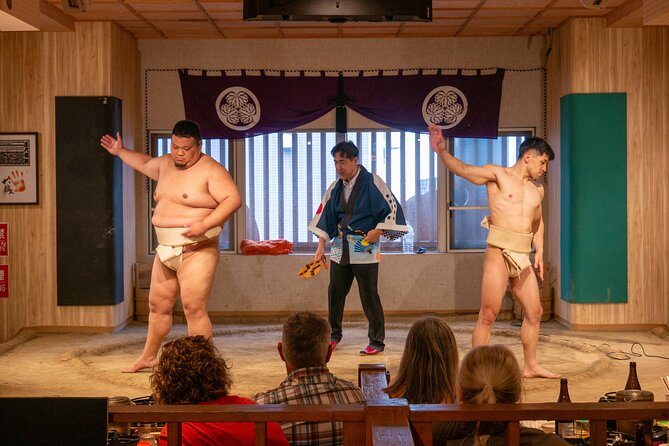
- Former wrestlers teach the basics: Expect shiko (leg stomps), teppen (push drills), and suriashi (sliding footwork) shown live.
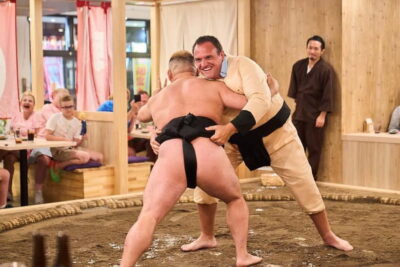
- Big moment is the padded-suit challenge: A volunteer tries to push a 160kg wrestler in the final challenge.
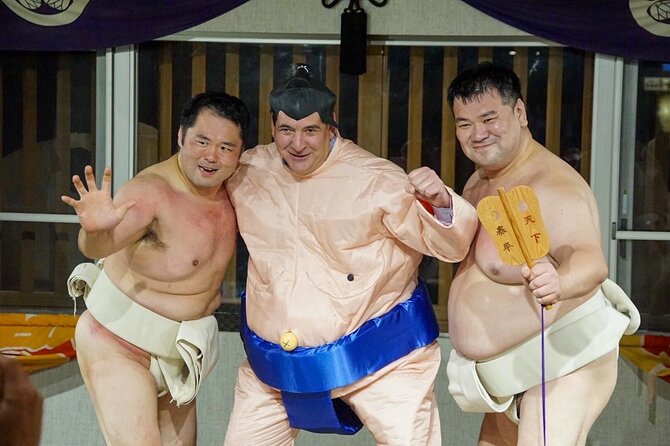
- Photo session with the wrestlers: You stand side-by-side to appreciate just how massive they are.
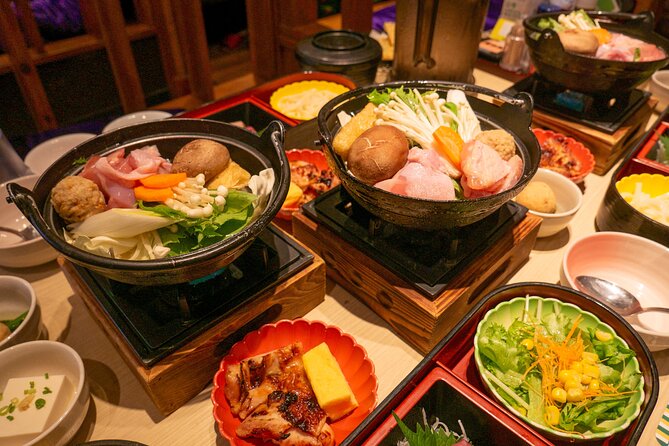
- Chanko nabe lunch is included: You get a mini chanko hotpot set, with vegan and allergy-friendly options if you request in advance.
- Group size is capped at 40: Small enough that you should be able to follow along and join parts of the action.
Ryogoku’s Sumo Ring, Where You Start on the Clay
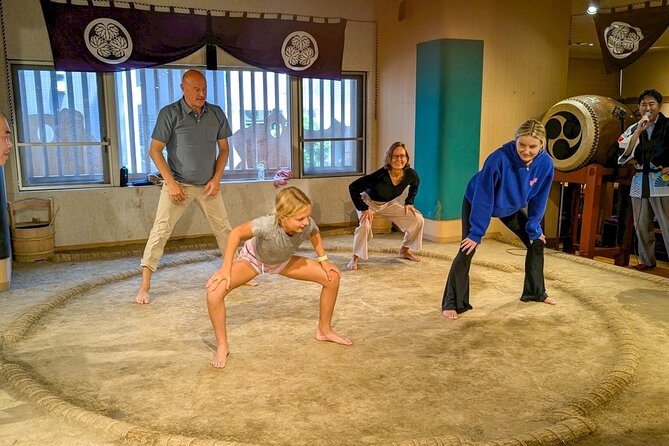
This experience is anchored in Ryogoku, the place Tokyo treats like sumo’s home base. You start in a sumo-themed restaurant where the atmosphere already feels like you are stepping inside the sport. The big draw for me is that you are not limited to watching. You get real time on the clay dohyo (the traditional ring surface), which changes how you understand sumo right away.
The workshop runs for about 2 hours and starts at 10:00 am. The event is designed to be friendly for families, including kids, and the tone stays upbeat even when pros are on stage. If you are traveling with different ages in your group, this structure helps, because you are doing light training activities while the “main show” happens right in front of you.
You’ll also appreciate the practical setup: it is near public transportation, and the tour uses a mobile ticket. That means less fuss and more time spent actually enjoying the day.
More Tokyo tours and experiences for the shortlist

Ritual Talk and Footwork Drills with a Bilingual MC and Former Wrestlers
The first part is a workshop with explanations, not a random series of stunts. A bilingual MC sets the stage and introduces sumo’s key rituals and movements. You learn why performers stomp their feet, what those pushing drills are meant to teach, and how sliding footwork helps with balance and positioning.
Then the former wrestlers demonstrate three fundamentals:
- Shiko (leg stomps): The classic ritual you see in sumo bouts, shown with context so it feels purposeful instead of just theatrical.
- Teppen (push drills): You get the idea of hand contact and pressure, not just arm-wrestling strength.
- Suriashi (sliding footwork): This is the part that surprises first-timers. It is not just power. It is control over where your feet go and how your body stays stable.
What makes this section valuable is that you get a way to “read” sumo. After watching demonstrations with explanations, the later pro match makes more sense. The collisions feel less random, and you notice technique instead of only size.
In some family-friendly events, kids feel like spectators. Here, parents can join or observe, and kids typically get a chance to stand in the ring for parts of the experience. That is a big plus if you want a hands-on memory instead of a photo where everyone looks bored.
From Live Pro Match to the 160kg Padded-Suit Challenge
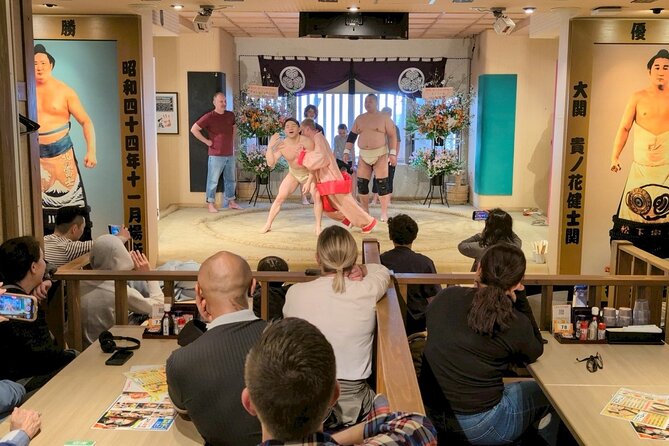
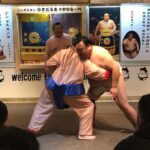
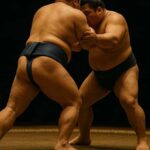
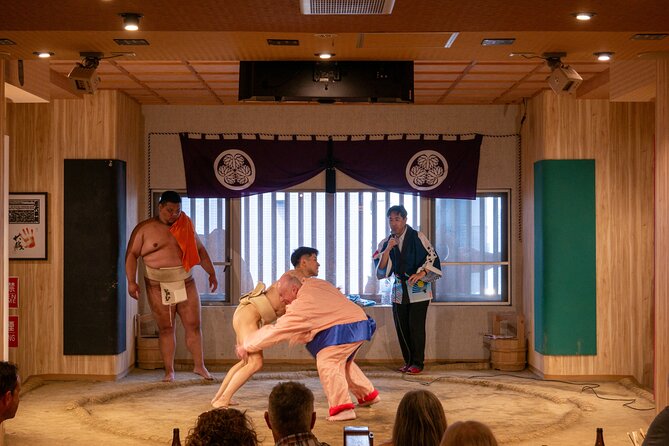
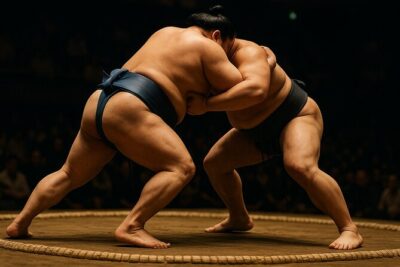
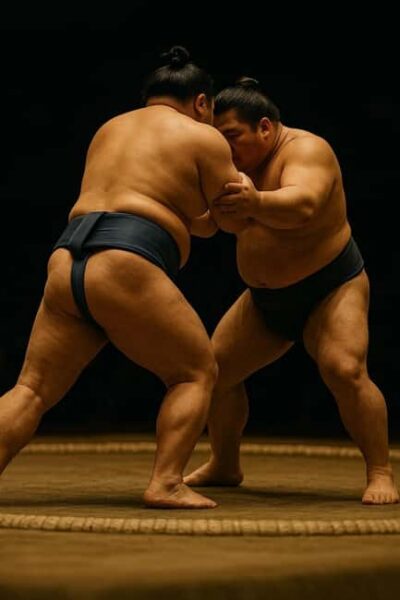
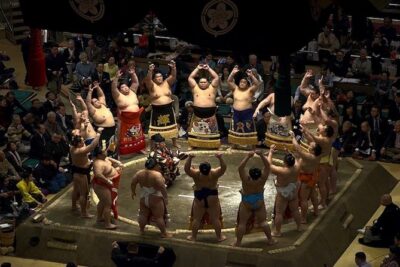
After the training comes the live pro action. You get to watch a match featuring professionals, with the sound and physicality turned up in the way only sumo can deliver. Expect thunderous body impacts and the kind of forward pressure that looks simple until you try to move with it.
The best “try it yourself” moment is the final challenge. A volunteer is put into a padded suit, then tasked with pushing a wrestler who weighs around 160kg. The point is not to win with brute force. It is to feel how sumo power works when someone is rooted and balanced.
This is one of those moments that turns strangers into a cheering section. It also gives you a quick reality check. If you have ever watched sumo and wondered how someone that big can move with that kind of precision, this challenge starts to answer it in the most entertaining way possible.
A small consideration: because this is a live, stage-like event, you may spend some time waiting your turn during the handoff between demonstrations and crowd moments. That is normal for the format, and it is part of the fun. Just know you are not walking through a museum at your own pace.
Costume Try-On and Wrestler Photo Time
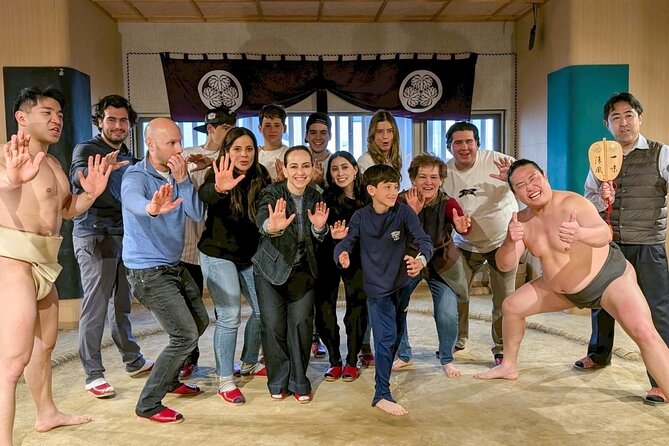
One of the highlights I’d plan around is the photo session. You do not just get a quick glance. You stand side-by-side with the wrestlers so you can take in their scale. This is the moment where sumo stops being an idea and becomes something you can visibly measure with your own eyes.
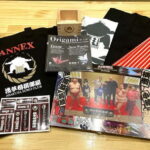
Along the way, there is also a costume experience included. The exact costume details are not spelled out in the provided info, but you should expect a hands-on dressing or photo moment that fits the workshop theme. Even if you come for the sport, this is often what family members remember most because it makes the day feel like a full-on event.
Tips that help during this part:
- Wear shoes you can stand in comfortably for a few minutes. You will likely queue and then pose.
- If you care about photos, be ready at the start of your photo slot. Once you are in the right place, you will want to stay positioned.
- If you are traveling with seniors or someone who moves slowly, choose a spot where you can watch and move as needed without constant repositioning.
The overall tone here is gentle. The training part is built to be safe and funny, so you can enjoy it without worrying that the interaction is risky.
Chanko Nabe Lunch: Hot Pot, Protein, and Dietary Accommodations
After the show, you refuel with chanko nabe, sumo wrestlers’ go-to comfort food. You get a mini chanko hotpot lunch set included in the experience, and it is designed to be protein-rich with fresh ingredients.
This is where the value really shows, because the meal is not an afterthought. You are getting one of Japan’s most recognizable “food for athletes” concepts, but in a format that is easy to eat during a short tour window. And yes, you can manage dietary needs.
What you can request in advance (at least 48 hours before) includes:
- Vegan options
- Allergy-friendly adjustments
- Halal-friendly options
- Vegetarian options
In practice, that matters. In one case, a gluten-free meal was handled by swapping ingredients, so the kitchen can work with restrictions if you tell them early enough. Another family noted vegetarian meals were supported, and the group felt taken care of even when traveling with an infant.
One more detail that popped up in the provided experience feedback: the lunch setup can include hotpot alongside items like sashimi. The provided core description centers on the chanko hotpot, but if sashimi is included for your session, it is a nice bonus.
What to consider before you go:
- This is a mini lunch set, so it is filling but not necessarily a full, long restaurant meal.
- If you have strong preferences about spice level or cooking style, you might want to communicate your needs with your dietary request.
Still, for many people, the chanko nabe is the best “souvenir” because it turns the sport theme into something you can taste.
More Tokyo tours and experiences for the shortlist


Timing, Group Size, and Where the 2 Hours Really Go
This is a compact experience. About 2 hours means you’ll get highlights, not everything there is to learn about sumo. The tradeoff is that it is easy to fit into a Tokyo day, especially if you want a memorable, cultural activity without spending half your vacation in a single building.
With a maximum group size of 40 travelers, it stays lively but not chaotic. The format also helps families. You aren’t stuck listening for long stretches. You get demonstrations, then crowd participation moments, then the live pro match, then photos, then lunch.
You start and finish back at the same meeting point. That matters if you are pairing it with other Ryogoku stops or trying to keep the day simple.
A practical note: the operator says the experience requires good weather. While a sumo show sounds like it would be indoors, weather can still affect scheduled operations in Japan. If you’re traveling in rainy season, keep your calendar flexible around the 10:00 am start.
Price Value: What You Really Get for About $97.55
At $97.55 per person, you are paying for more than a generic show ticket. This price is tied to a full package:
- a sumo workshop in the heart of Ryogoku
- live demonstrations by former wrestlers
- a live pro match segment
- a costume experience
- a photo session
- a chanko nabe lunch set
For Tokyo, where “activity with lunch” can sometimes be overpriced, what makes this feel fair is that the meal is included and the interaction is hands-on. You are not just getting entertainment. You are getting a guided explanation of rituals and technique, then a chance to test the basics in a safe, staged way.
Is it worth it if you only want to watch sumo from a distance? Maybe not. But if you want a fun, family-friendly experience with explanation plus participation, the package makes more sense. It is basically a short taste of sumo culture, wrapped in a day structure that keeps everyone engaged.
Also, the ability to request vegan and allergy-friendly options improves value. If you have food restrictions, you usually end up paying extra or splitting from the group on restaurant days. Here, the tour includes a way to stay together.
Who This Ryogoku Family Sumo Workshop Suits Best
This is a great fit if you want sumo without the intimidation factor. The format is built for mixed groups and mixed experience levels, from first-timers to kids who just want to meet the wrestlers.
I’d especially recommend it for:
- Families with kids who need participation, not just watching
- Travelers who want a memorable Tokyo activity that includes food
- People who care about dietary needs and want them handled by the operator
- Groups that like short, high-impact experiences rather than slow sightseeing days
It might be less ideal if:
- You want a long, technical training experience focused purely on wrestling technique
- You are hoping for a full day around sumo like a stadium tournament experience
- You dislike interactive formats where you may be asked to join a safe challenge or a photo segment
If your goal is a strong cultural moment plus lunch plus family fun in a tight schedule, this checks the boxes.
Should You Book This SUMO Show & Experience in Tokyo?
Yes, I’d book it if you want a Tokyo activity that feels genuinely hands-on. The mix of clay-ring basics, live pro action, wrestler photos, and chanko nabe lunch makes the day feel complete. For families and for people with dietary restrictions, it is also easier to plan than many separate attractions.
Skip it only if you are specifically after a longer, deeper sumo experience or if your schedule cannot handle the possibility of weather affecting the session.
If you want a fun, safe, high-energy way to connect with sumo culture in Ryogoku, this is one of the most practical choices in its category.
FAQ
How long is the SUMO Show & Experience with hot pot lunch?
The experience lasts about 2 hours.
Where do I meet for the activity?
You meet at Hana no Mai Edo Tokyo Museum, 1-chōme-1-15 Kamezawa, Sumida City, Tokyo 130-0014, Japan. The activity ends back at the same meeting point.
What lunch is included?
The experience includes a mini chanko hotpot lunch set. Dietary requests like vegan, vegetarian, halal, and allergy-friendly options can be advised at least 48 hours before.
Can children participate, and how is lunch handled for young kids?
This is a family-friendly sumo workshop. Children under 5 years old are not provided with meals under the child rate, so if a child under 5 needs a meal, you should book at the adult rate.
Is this experience a mobile ticket?
Yes, it uses a mobile ticket.
What happens if it gets canceled due to weather or if I cancel close to the start time?
There is free cancellation, as long as you cancel at least 24 hours before the experience starts for a full refund. If the experience is canceled due to poor weather, you will be offered a different date or a full refund.
More Shows & Entertainment in Tokyo


More Lunch Experiences in Tokyo



More Tour Reviews in Tokyo





Not for you? Here's more nearby things to do in Tokyo we have reviewed












Tokyo Sumo Experiences, side by side.
 ★ 4.8Sumo Show and Dining ExperienceFrom $792,742 reviews
 ★ 5.0the SUMO showFrom $891,960 reviews
 ★ 5.0Tokyo Shinjuku Sumo Show & Experience with PhotoFrom $791,750 reviews
 ★ 4.8Sumo Show and Experience in ShinjukuFrom $691,001 reviews
 ★ 4.7Luxury Sumo Show Experience & Japanese cuisine & DrinkFrom $103577 reviews
 ★ 4.8Sumo Morning Practice Viewing TourFrom $81570 reviews
 ★ 4.8Tokyo Sumo Experience: Chanko & Mochi with a Former ProFrom $103567 reviews
 ★ 5.0Ultimate Sumo Tournament: Tokyo, Osaka, Nagoya, FukuokaFrom $184468 reviews
This tour also belongs to