
Review · TOKYO SUSHI CLASSES
Tokyo Sushi Making Class : Sake Ceremony & Matcha Experience
Sushi making with sake cheers in Asakusa. This 90-minute workshop combines a lively Kagami-biraki ceremony, hands-on nigiri skills, and a DIY finish with matcha. I especially like the way the class builds confidence fast, from rice pressure to placing fish neatly. One thing to consider: you are in a small group, and the ceremony includes chants and a shared toast moment.
I also love the “modern Tokyo” twist, WASSHOI! torched salmon mayo gunkan, with its torch step and photo moment planned into the flow. The vibe is relaxed and welcoming, with an instructor who keeps things fun while still giving clear, practical direction. The only drawback for some people is that it is not purely traditional Edomae-only training, so if you want zero modern flavors, you may find that part less relevant.
If you want a short, memorable food experience that feels cultural and hands-on, this is a strong pick in Asakusa.
Key highlights to know before you go
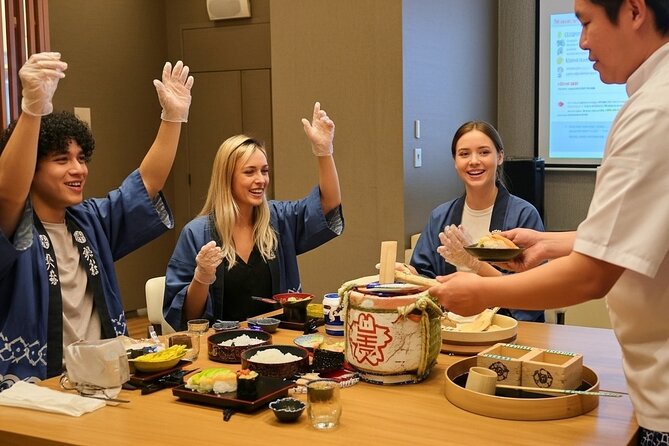
- Kagami-biraki sake barrel opening with group chants and a shared toast (non-alcohol option available)
- Nigiri basics that actually matter, including correct rice pressure and careful topping handling
- WASSHOI! torched salmon mayo gunkan made with zigzag mayo and a quick torch finish
- Hands-on matcha whisking for a smooth, foamy bowl
- Make 6 to 12 pieces of nigiri and rolls, not just watch
- Small-group feel capped at 20 people, with a mobile ticket
Kagami-biraki and the group toast: more than a gimmick
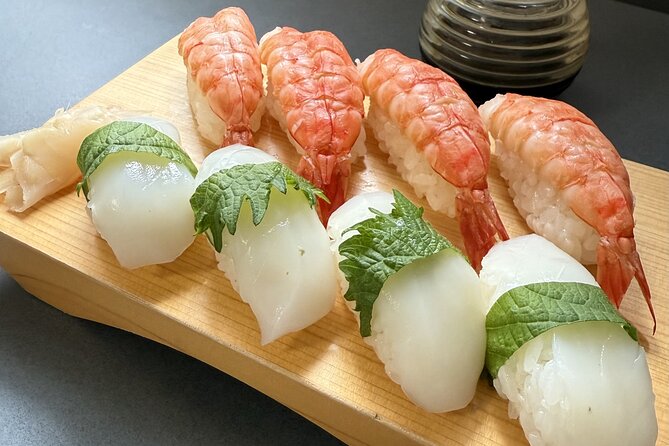
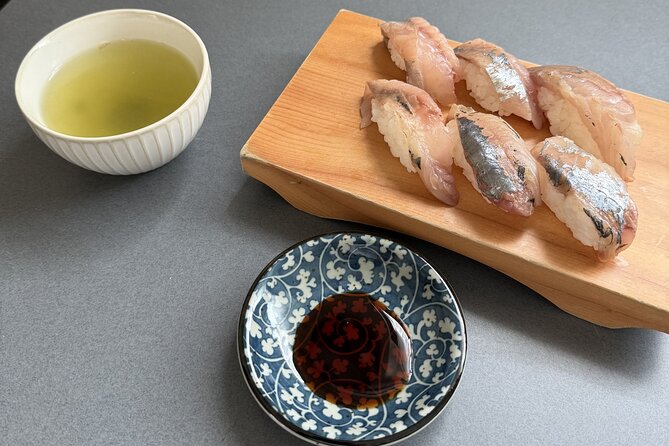
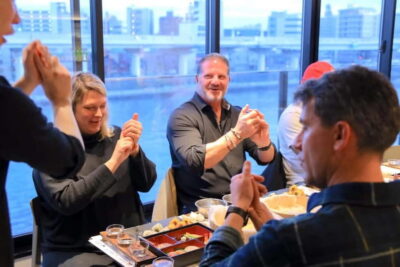
The experience starts with a real Japanese celebration moment: Kagami-biraki, the traditional opening of a sake barrel for new beginnings. You join the group, chant Yoisho, yoisho, yoisho, and raise a toast together. If you do not drink alcohol, you can choose water or warm Japanese tea for that same toast moment.
What I like here is how it sets the tone. Instead of walking in and getting an apron, you are folded into a ritual that frames food as a shared occasion. It also helps you relax, because everyone is doing the same thing at the same time, no awkward solo learning.
The ceremony portion is also a good reminder that Japanese meals often start with more than eating. There is a social rhythm: a greeting, a toast, then the craft. Even if you only remember one thing, it is likely to be the chant and the sense of occasion.
You can also read our reviews of more food & drink experiences in Tokyo

Nigiri lessons that focus on technique, not intimidation
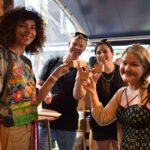
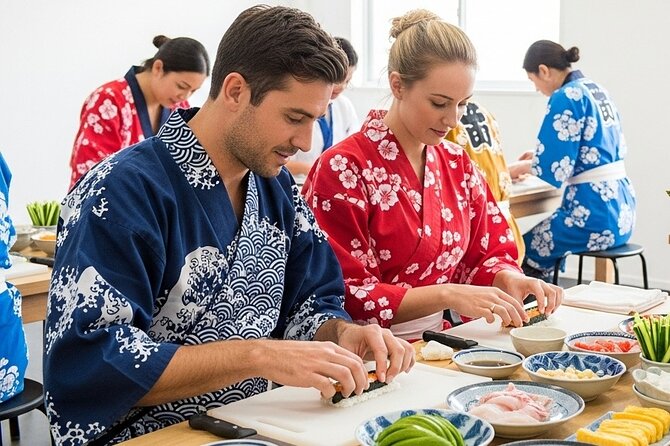
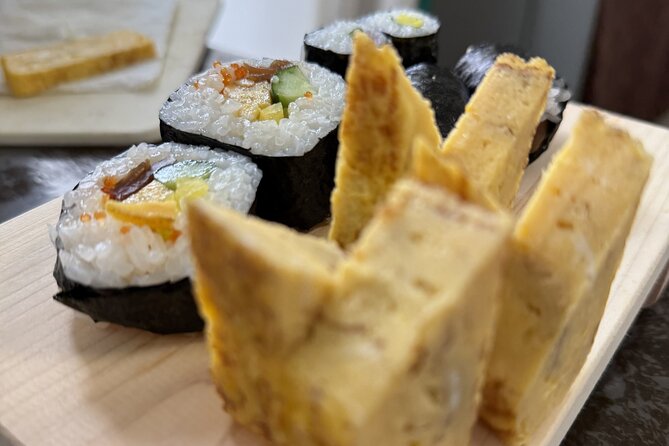
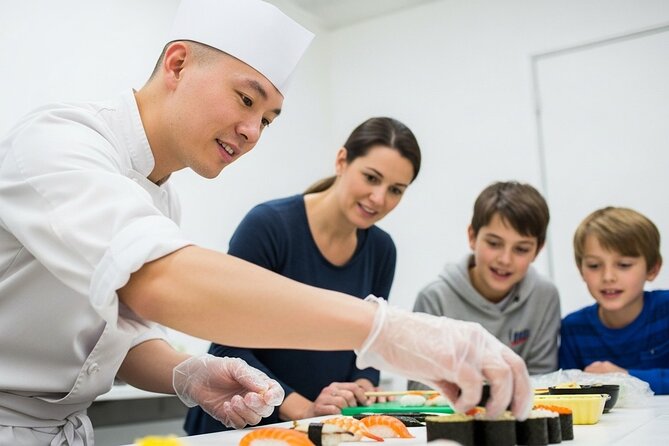
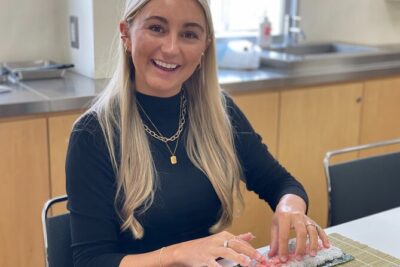
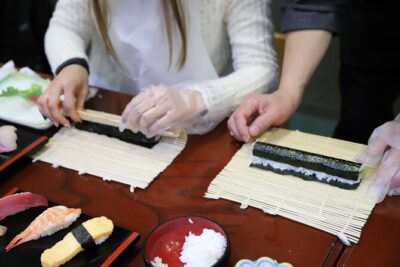
After the ceremony, you shift into hands-on sushi craft. The teaching approach is practical and step-by-step, built around nigiri essentials: shaping rice, handling toppings, and assembling each piece so it looks confident and tastes right.
The key skill is rice shaping with the right pressure. Too light and the rice falls apart. Too firm and you lose that delicate texture. You are also guided on how to manage fish and other toppings cleanly, so the final bite is neat instead of messy.
This part matters because good sushi is mostly technique, not ingredients. When you learn how to form the rice consistently and place toppings with a steady hand, you are set up to make sushi at home later, even if your kitchen setup is basic.
By the time you are working through your pieces, the class aims for you to create about 6 to 12 items, mixing nigiri and rolls. That range is useful because it still keeps you busy and productive without rushing you through everything. It is also enough quantity to see your technique improve in real time.
The WASSHOI torched salmon mayo gunkan: modern Tokyo flavor with real showmanship
Then comes the crowd-pleaser: WASSHOI! Torched Salmon Mayo Gunkan. This is not the most traditional Edomae track, and that is part of the fun. You pile salmon high, use zigzag mayo, and finish with a quick torch step so you get smoky notes alongside creamy umami.
The torch step is the “pay attention” moment. You are not just watching someone else do it. You are part of the process that turns a simple topping into something that tastes like it belongs at a lively Tokyo sushi counter.
You also get built-in energy from the planned chant, Wasshoi! ×3, and the class snaps photos at the best moment. That is handy because sushi assembly moves fast, and it is easy to miss the exact instant when the piece looks perfect.
Here is what you should take away from this section: you learn how to balance texture and flavor in a way that feels modern. Piled salmon gives a satisfying mouthfeel. Mayo brings richness. The torch adds an extra layer that you cannot get from plain preparation. If you like food that tastes like a Tokyo street-side favorite, this is the section you will talk about later.
Matcha whisking to end on a calm, satisfying note
After the sushi action, you close with a calmer activity: making matcha yourself. You learn how to whisk matcha properly for a smooth, foamy bowl, then enjoy your fresh matcha as the finishing touch.
Why this works after sushi is simple. Toasty fish and rich mayo can be heavy. Matcha brings a clean, grassy counterbalance, and the act of whisking gives your hands something focused to do. You are not just stuffing your face, you are creating the finishing drink.
From a value perspective, this matters too. Many “sushi classes” stop at rolling or shaping, and matcha becomes an optional add-on or a side mention. Here it is a real component, with you whisking the drink and learning what makes it smooth and frothy.
Price and value: US$45.77 for a complete, hands-on meal experience
The price is listed at US$45.77 per person for about 1 hour 30 minutes, with a mobile ticket. That sounds reasonable because you are not paying for a quick demonstration. You are making sushi pieces, doing a ceremony moment, and finishing with hands-on matcha.
What makes the value feel stronger is the variety. You get:
- a culture-forward start (Kagami-biraki and toast),
- technique training for nigiri,
- a signature modern Tokyo item (torched salmon gunkan),
- and a matcha skill you can reuse.
Also, the group size is capped at 20 travelers. Smaller groups usually mean you have more chances to get help and to correct technique while you are actively shaping rice. If you have ever felt lost in a class where the instructor is only watching a dozen hands at once, you will appreciate the tighter cap.
If you want a single evening plan that gives you both skills and a story, this price lands in the sweet spot for Asakusa.
You can also read our reviews of more drinking tours in Tokyo

Logistics that won’t eat your time: where to meet and how the class runs
The meeting point is at 1-chōme-10-16 Hanakawado, Taito City, Tokyo 111-0033. The activity ends back at the meeting point, which makes the end of your evening simpler. It is also near public transportation, so you should not spend your whole day hunting for an address.
The session is listed as about 1 hour 30 minutes, and you will receive confirmation at booking. A mobile ticket is included, which is convenient if you are juggling transit plans on your phone anyway.
If you are trying to fit this between other Asakusa stops, the timing is a real advantage. This is long enough for meaningful hands-on work, short enough that you can still do a nearby snack walk afterward.
One practical note: because it includes ceremonies and photo moments, the flow is not a silent class. You should expect some group energy, chants, and a few coordinated moments.
Who this suits best, and what might not
This is best for beginners and curious food lovers. The class is designed to be beginner-friendly, and it is structured so you build from fundamentals into a more playful, flavor-forward item. If you want a do-something-with-your-hands experience in Tokyo, you will likely enjoy it.
It is also a good fit if you like mixing culture with food. The Kagami-biraki opening gives context to the meal beyond technique, and the matcha ending brings the cultural loop full circle.
What might not fit as well:
- If you want only classic, strict Edomae training, note the WASSHOI torched salmon gunkan is explicitly a modern Tokyo twist.
- If you dislike participating in group chants and shared moments, you might find the start and mid-activity energy a bit much. You can still enjoy the food craft, but you may want a quieter plan for the day.
For most people, though, the blend of ceremony, practical sushi skills, a signature torched dish, and DIY matcha is exactly the kind of “I did something memorable” trip moment that Tokyo is great at.
Should you book this sushi making class?
Book it if you want a short, high-impact experience that teaches real nigiri technique and wraps it in Japanese ritual. I think it is a smart value at US$45.77 because you get multiple parts, not just one skill station. The fact that the group is capped at 20 also helps the experience feel guided instead of chaotic.
Skip it only if you have a very narrow preference, like strict traditional Edomae only, or you want a quiet, no-chant cooking lesson. If you are open to a fun modern sushi item and you like the idea of ending with matcha you whisk yourself, this is one of those Asakusa plans that hits the right balance of skill, culture, and laughter.
FAQ
How long is the Tokyo sushi making class?
The experience is about 1 hour 30 minutes.
Where is the meeting point in Asakusa?
You start at Sushi Meets Matcha, 1-chōme-10-16 Hanakawado, Taito City, Tokyo 111-0033, Japan.
What will I make during the class?
You will make a selection of sushi pieces, described as 6 to 12 pieces total (nigiri and rolls), plus a bowl of matcha you whisk yourself.
Is the class beginner-friendly?
Yes. It is described as beginner-friendly, with step-by-step guidance for sushi essentials.
Do I have to drink alcohol during the sake ceremony?
No. The toast includes non-alcohol options such as water or warm Japanese tea.
What is WASSHOI! torched salmon mayo gunkan?
It is a sushi-style item where you pile salmon high, add zigzag mayo, and finish with a quick torch for smoky, creamy umami. It also includes group chanting and a photo moment.
How many people are in the group?
The activity has a maximum of 20 travelers.
Is it easy to reach by public transportation?
Yes, it is described as near public transportation.
What happens if I need to cancel?
You can cancel for a full refund if you cancel up to 24 hours in advance of the experience start time. If you cancel less than 24 hours before, the amount paid is not refunded.
More Drinking Tours in Tokyo
More Food & Drink Experiences in Tokyo

More Tour Reviews in Tokyo





Not for you? Here's more nearby things to do in Tokyo we have reviewed












Tokyo Sushi Classes, side by side.
 ★ 5.0Sushi Making Tokyo Roll and Authentic Japanese Sushi ClassFrom $593,971 reviews
 ★ 4.9Roll and Authentic Sushi Making Class in AsakusaFrom $581,957 reviews
 ★ 4.9Sushi Making Class in a Happi Coat near a Famous SpotFrom $421,377 reviews
 ★ 5.0Tokyo Sushi Making Class in Tsukiji with Professional ChefFrom $491,177 reviews
 ★ 5.0Tsukiji Fish Market Guided Tour and Sushi Making with Pro ChefFrom $104775 reviews
 ★ 4.9Tsukiji Fish Market Sushi Making Class with Pro ChefFrom $63506 reviews
 ★ 4.9Sushi Making ClassFrom $67390 reviews
 ★ 5.0Tokyo Tsukiji Fish Market Tour and Sushi Making LessonFrom $99390 reviews
This tour also belongs to